


Campo de Montiel, a territory with its own identity
History, heritage, nature, culture and villages with soul make up one of the most authentic territories of Castilla-La Mancha.
Introduction
Much more than a place on the map
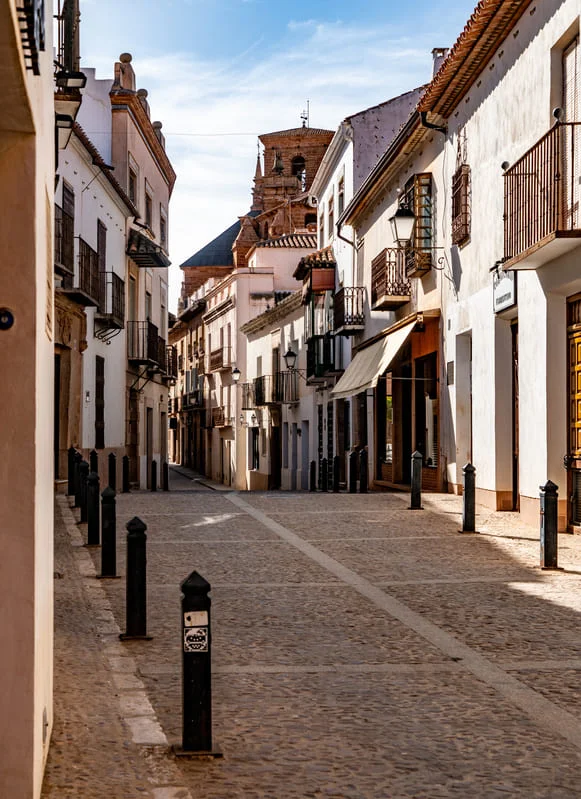
Campo de Montiel is a historic region in southeastern Castilla-La Mancha, recognizable for the character of its towns, the richness of its heritage, and the power of a landscape that has maintained its essence over time. It is not just a geographical space: it is a territory with a story, a memory, and a cultural identity built over centuries.
Exploring Campo de Montiel is to discover a land where each town offers its own unique character, and where the whole region forms a coherent, authentic experience deeply connected to the history of Castilla-La Mancha. Here, travel is understood as a sum of villages, landscapes, traditions, and heritage.
3,500 km2
extension
territorial
23
municipalities
charming
800+
years of history
documented
History
A land marked by history
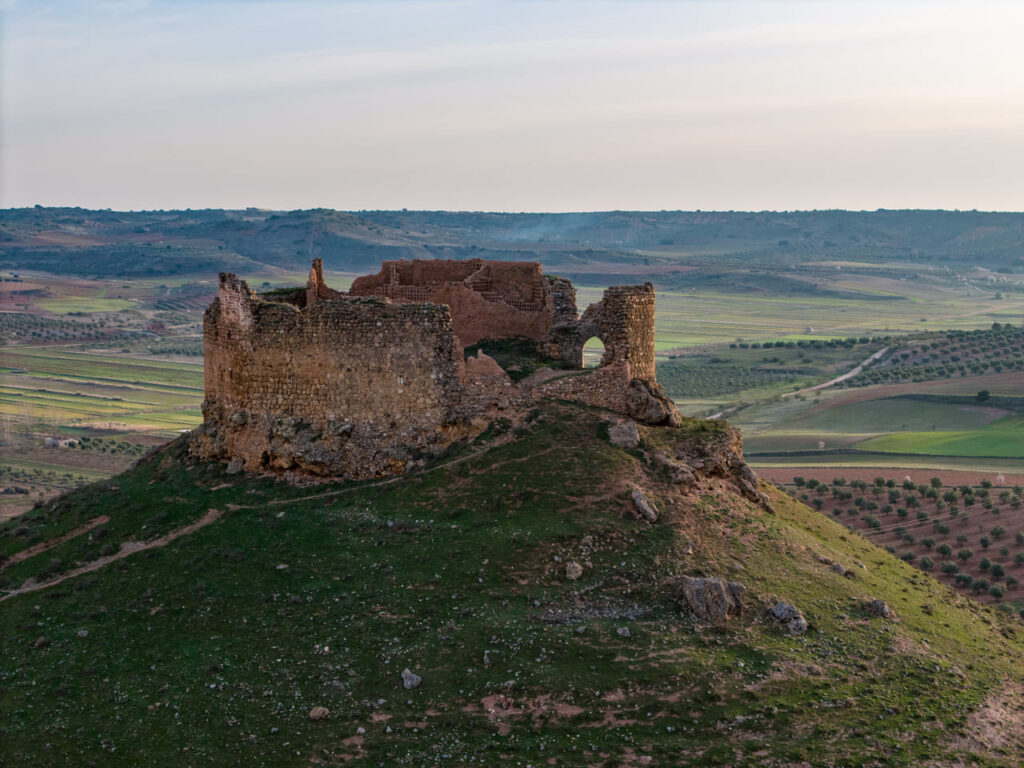
For centuries, Campo de Montiel has been a strategic territory, deeply intertwined with the major historical processes of the Iberian Peninsula. Its medieval past, its role during the frontier era, and the presence of fortresses, castles, and historical sites explain much of the character that defines the region today.
Medieval Period
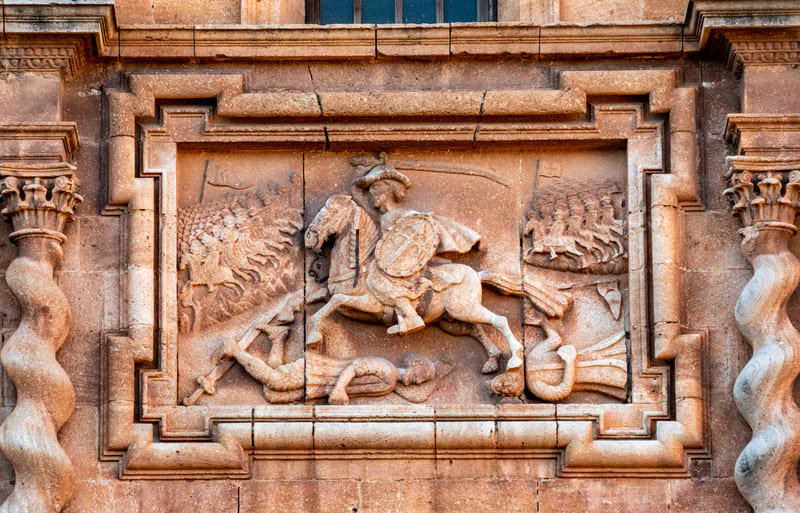
During the Reconquista, Campo de Montiel became a border territory between Christians and Muslims. The Order of Santiago established its dominion here, building fortresses and castles that still mark the skyline today. Montiel Castle was the site of the decisive battle between Pedro I the Cruel and Henry II of Trastámara in 1369, an event that changed the course of Castilian history.
Architectural Heritage
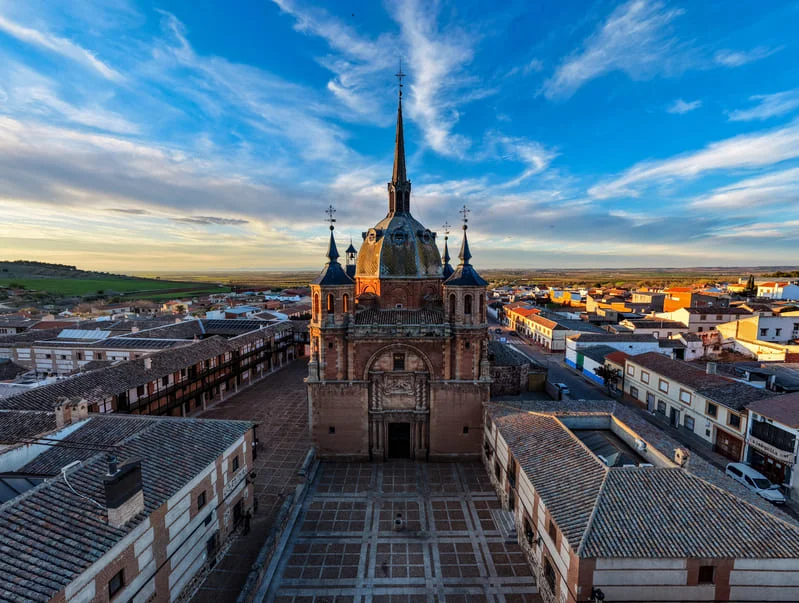
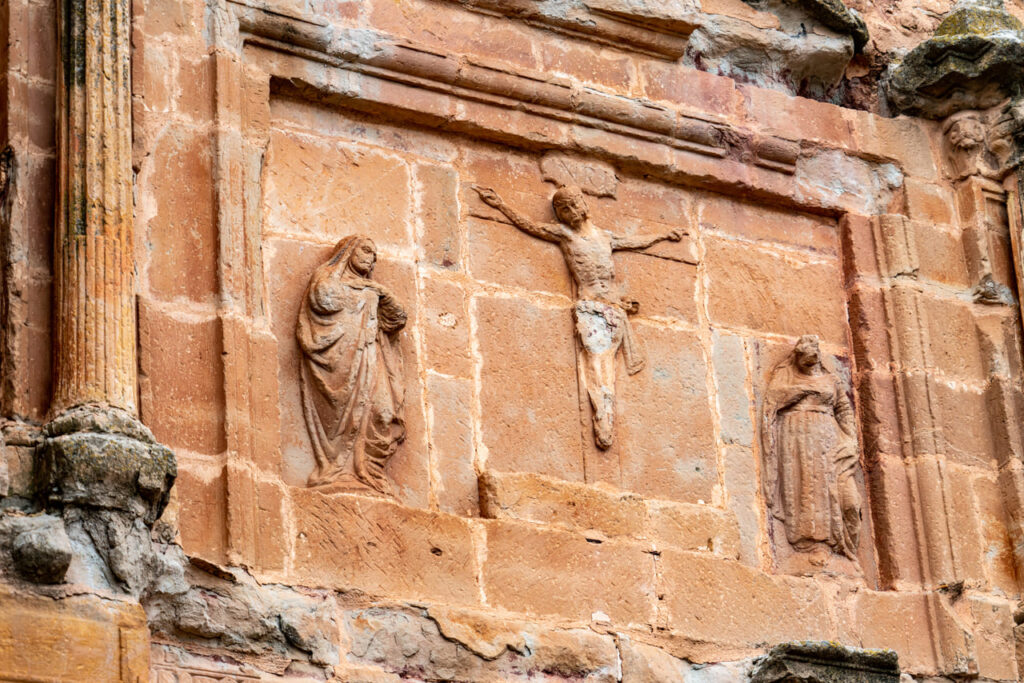
Castles, churches, hermitages, squares, civic buildings, and urban ensembles form part of the architectural legacy of Campo de Montiel. This heritage not only enriches the landscape but also allows us to understand the historical, cultural, and social evolution of the region through its built spaces.
Sites and memory of the territory
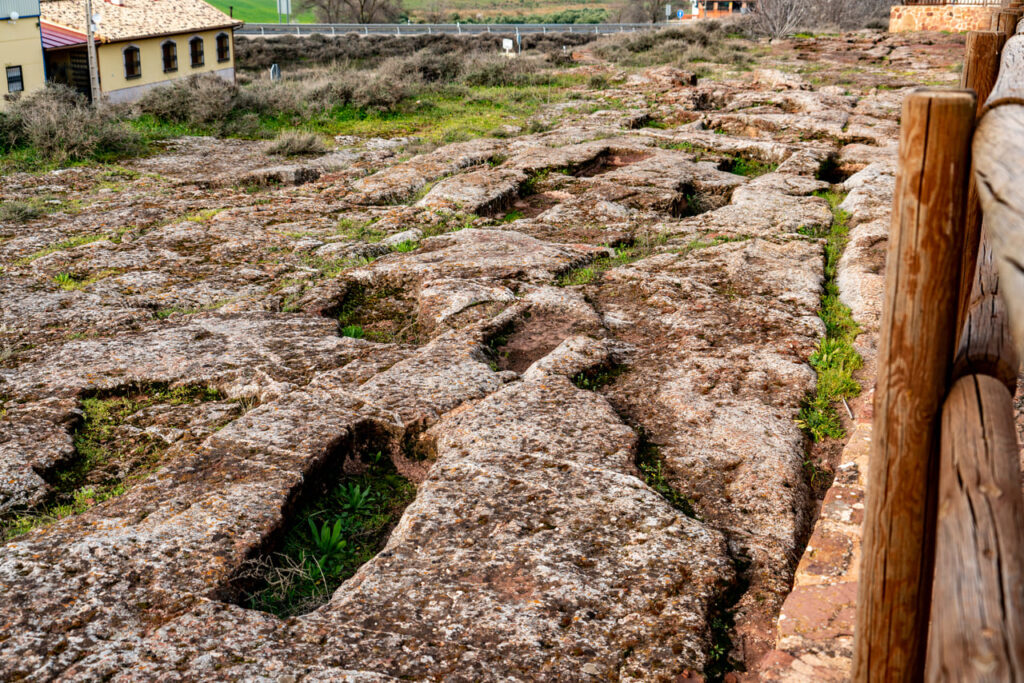
The territory preserves archaeological remains and material evidence that help reconstruct its past and interpret its heritage value. Campo de Montiel thus presents itself as a place where history is not only studied: it is also explored, observed, and experienced.
Cultural landscape
A territory shaped by time
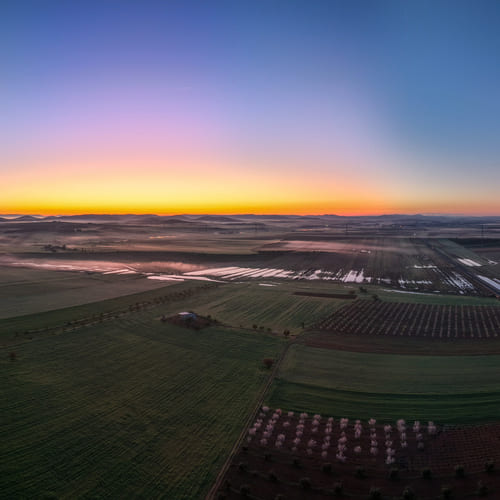
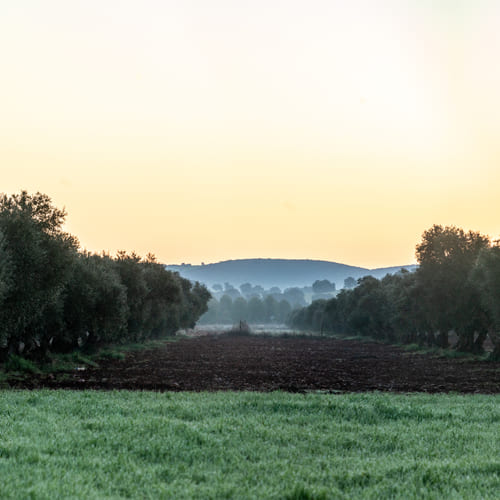
The landscape of Campo de Montiel is the result of centuries of interaction between humankind and nature. A mosaic of cereal fields, centuries-old vineyards, silvery olive groves, and extensive Mediterranean mountains that alternate to form a unique and recognizable geography.
The Ruidera Lakes
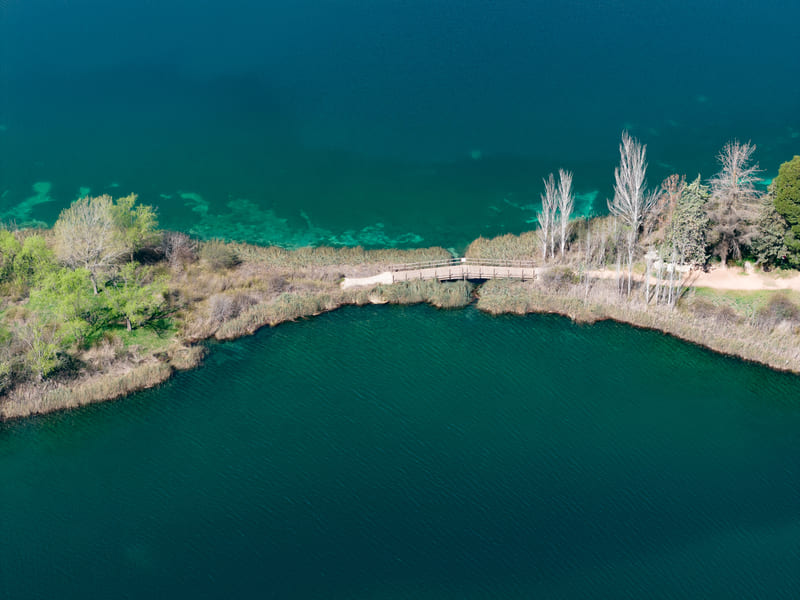
A system of fifteen interconnected lagoons forms one of the most unique natural areas in Spain. Its crystal-clear turquoise waters, waterfalls, and karst formations create a landscape of exceptional beauty that inspired Cervantes to set the Cave of Montesinos here.
Natural spaces and biodiversity
Campo de Montiel and its surrounding area offer a remarkable diversity of landscapes, including agricultural areas, woodlands, and ecologically valuable zones. This natural wealth coexists with the region's cultural heritage, reinforcing the balanced character of the destination.
A landscape with a Manchegan identity
Beyond the region's most well-known visual icons, the true value of the Campo de Montiel landscape lies in its authenticity: well-integrated villages, roads, hills, crops, history, and an atmosphere that still allows you to feel the essence of the territory.
Identity
The soul of an authentic territory
Campo de Montiel is, above all, its people. A town that has preserved its traditions, its gastronomy, and its way of life, keeping the essence of rural life alive in a constantly changing world.
Traditions and popular knowledge
Festivals, celebrations, local customs, and ways of life keep the intangible heritage of the region alive. These expressions strengthen each town's connection to its history and offer visitors a more intimate and authentic experience.Gastronomy with roots
The cuisine of Campo de Montiel is a direct expression of its identity. Locally sourced products, traditional recipes, wines, olive oil, and dishes linked to the countryside and the seasons are all part of a gastronomic culture that accompanies visitors throughout their trip.An authentic way to welcome
Visiting Campo de Montiel means encountering a region that welcomes you warmly, without artifice, and with the tranquility of places that still maintain their own rhythm. This authenticity is precisely one of its greatest tourist attractions.Traditions and popular knowledge
Festivals, celebrations, local customs, and ways of life keep the intangible heritage of the region alive. These expressions strengthen each town's connection to its history and offer visitors a more intimate and authentic experience.Gastronomy with roots
The cuisine of Campo de Montiel is a direct expression of its identity. Locally sourced products, traditional recipes, wines, olive oil, and dishes linked to the countryside and the seasons are all part of a gastronomic culture that accompanies visitors throughout their trip.An authentic way to welcome
Visiting Campo de Montiel means encountering a region that welcomes you warmly, without artifice, and with the tranquility of places that still maintain their own rhythm. This authenticity is precisely one of its greatest tourist attractions.Values that define us
Genuine hospitality and welcome to the visitor
Respect for heritage and nature
Preservation of local traditions and culture
Quality and authenticity in products and services
Commitment to sustainable development
Campo de Montiel: Where the past and the present converge
Towns steeped in history, landscapes that retain their essence, heritage, culture, and authentic experiences await you in a destination with its own unique identity. Campo de Montiel invites you to take your time, explore at your leisure, and discover an essential part of Castilla-La Mancha.