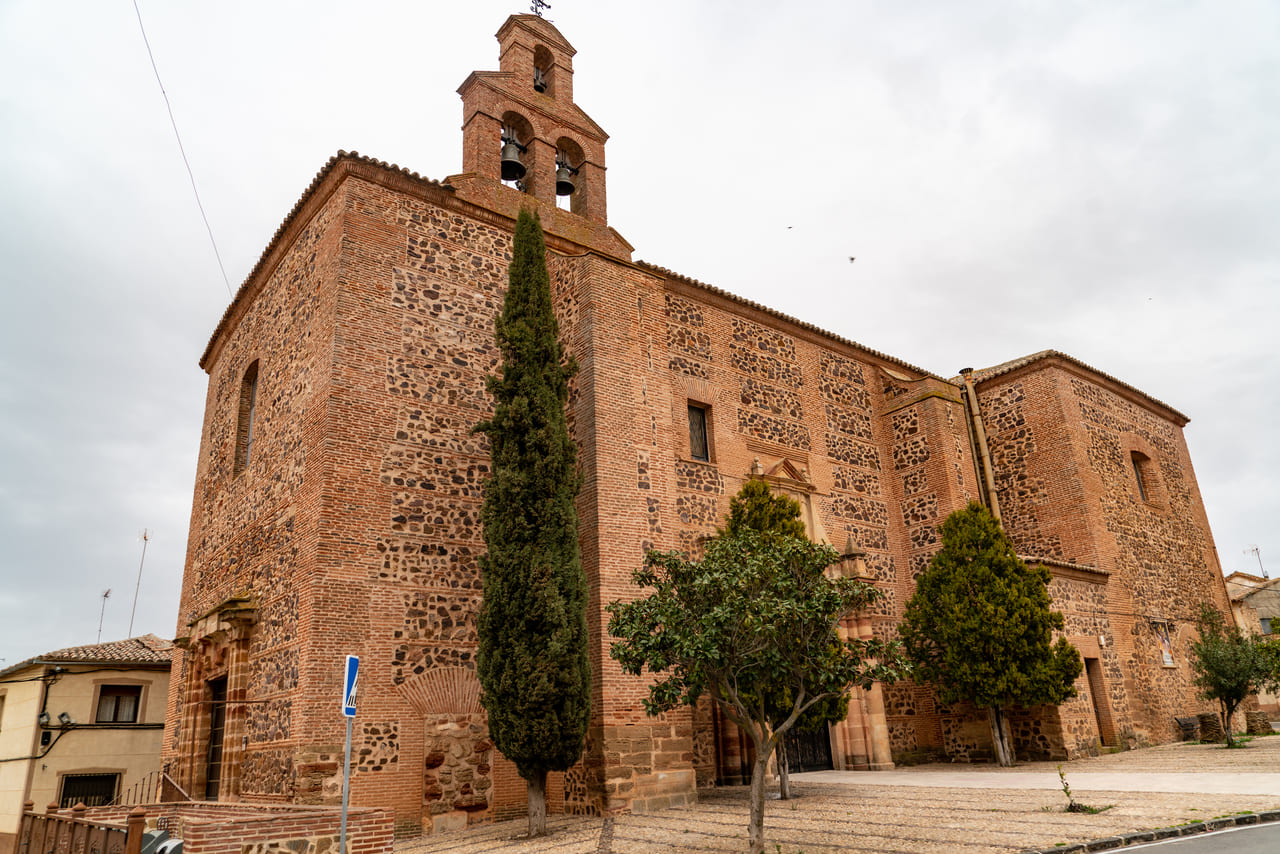
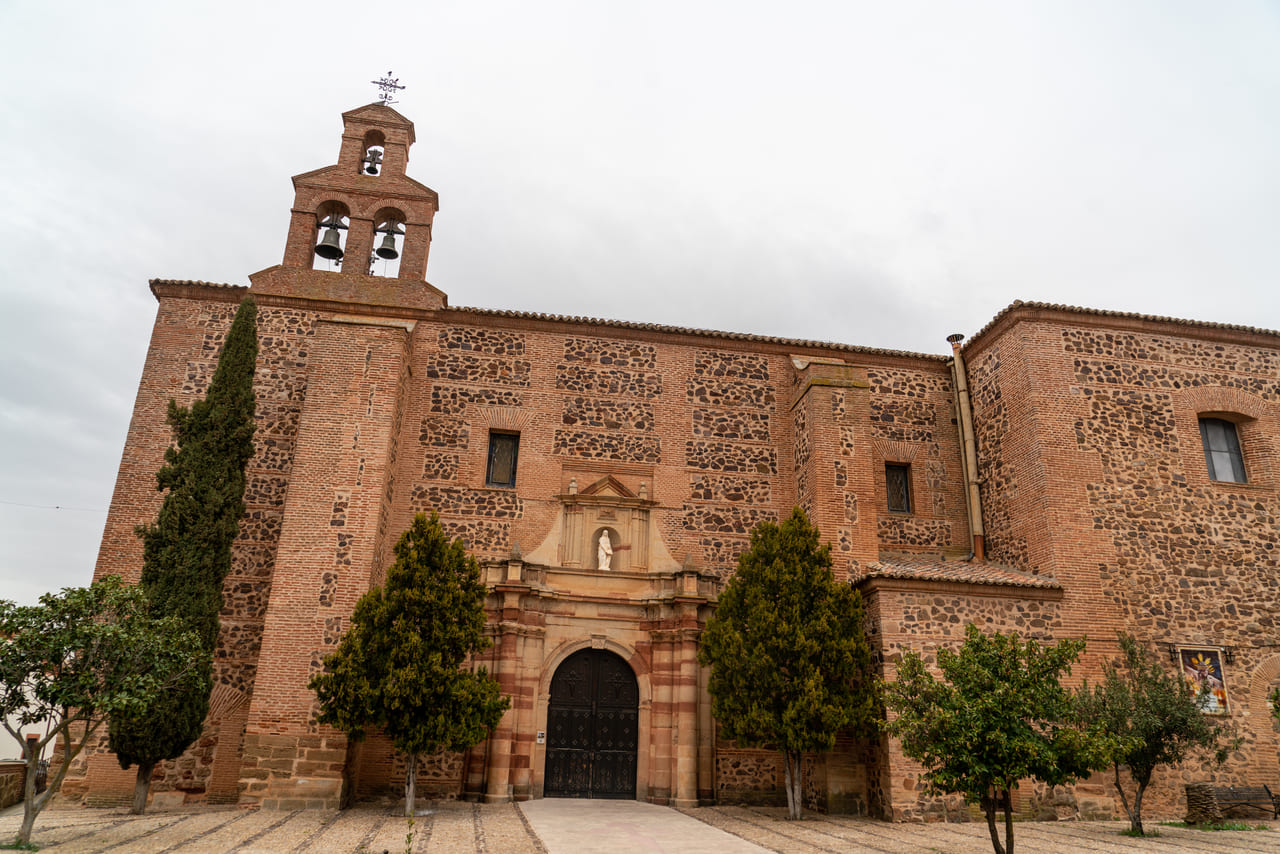
The parish church of Santa Ana is located in Castellar de Santiago, in the heart of a town situated in the southwestern part of Campo de Montiel, very close to the foothills of Sierra Morena.
Within the urban center, the temple is one of the main heritage landmarks of the town and a key piece of its historical image.
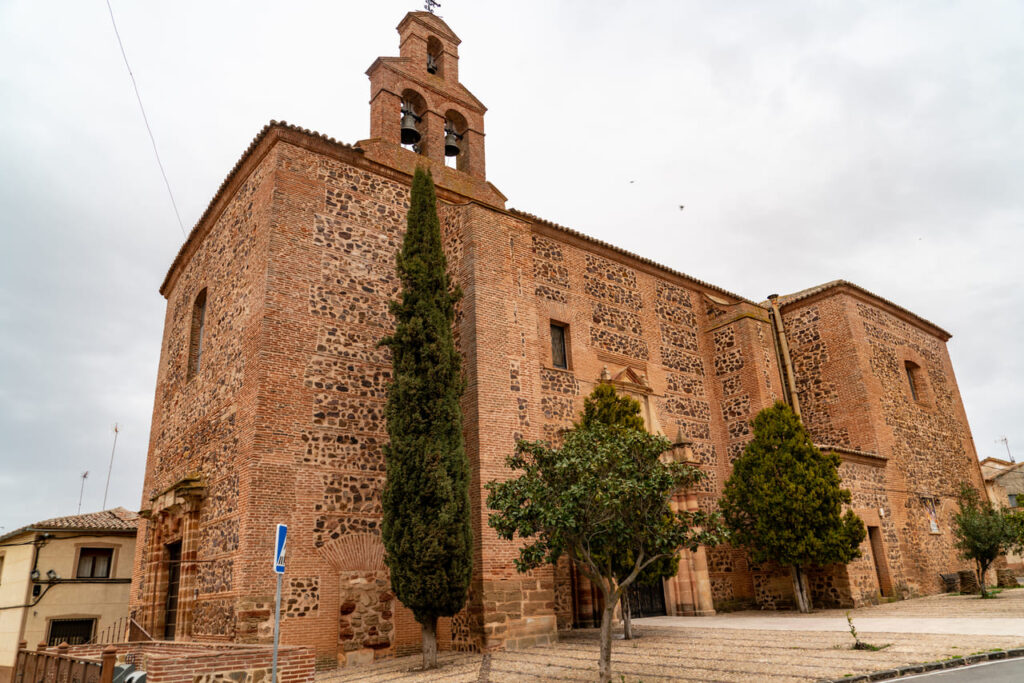
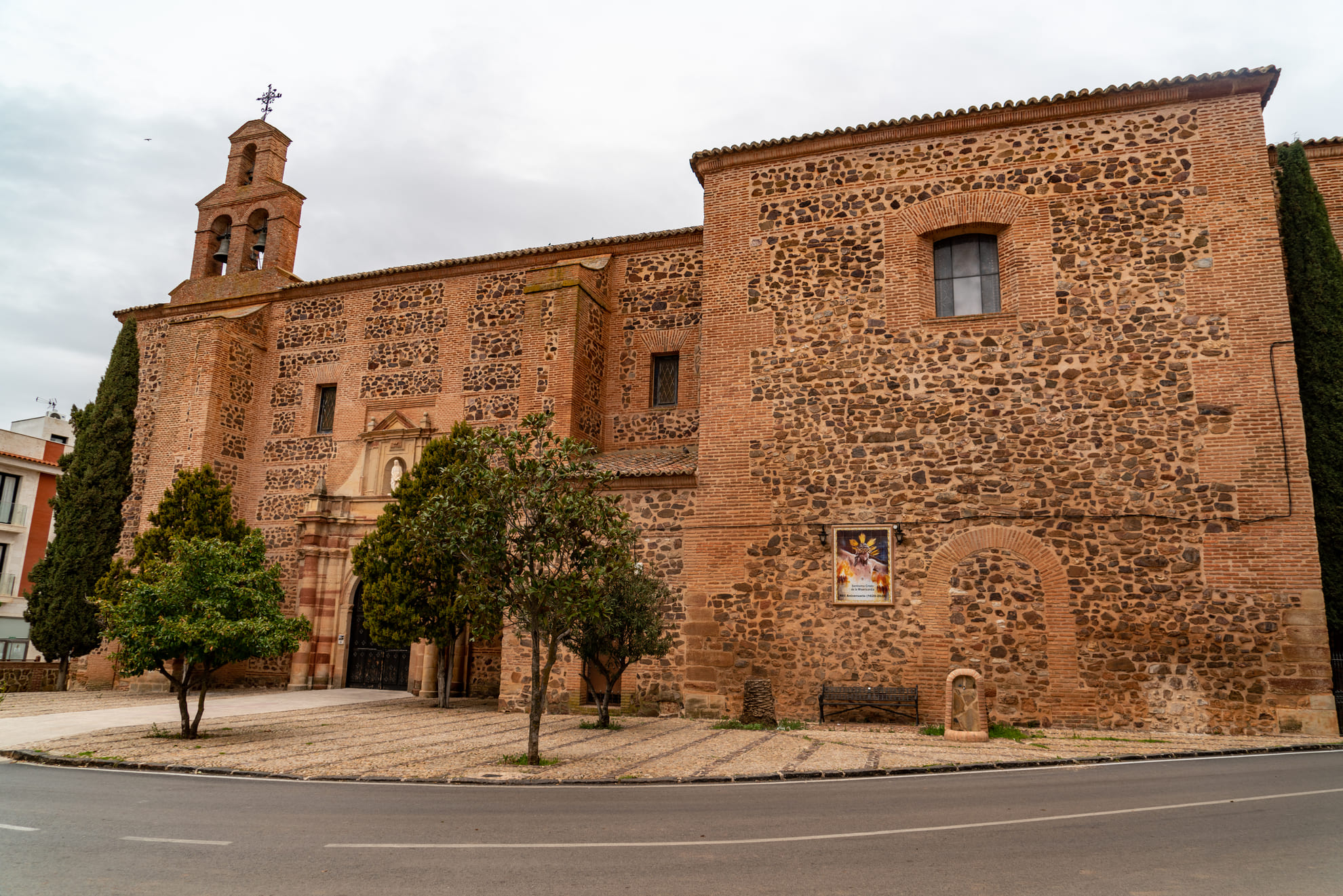
Its placement is also due to a unique circumstance, as it sits on uneven terrain that necessitated raising the base of the church on an artificial stone mound to balance the building's height. This adaptation to the terrain is part of the temple's architectural character and its integration into the town's landscape.
The construction of Santa Ana is located at mid-16th century, at a time of consolidation for Castellar de Santiago after its late medieval growth and on the eve of its independence from the Lordship of Torre de Juan Abad, achieved in 1564. The church must therefore be understood within the evolution of a town that, after the Christian reorganization of the territory and its affiliation with the Order of Santiago, it gradually asserted its own identity.
Over time, the temple acquired even greater value by safeguarding within its walls the Image of Christ of Mercy, a size of Giraldo de Merlo, a teacher from Toledo which ended up becoming the most venerated in the town and the Patron Saint of Castellar.
In this way, the parish has not only articulated the religious life of the people, but also an essential part of their devotional and festive identity.
From an architectural point of view, Santa Ana responds to the typology of the churches of La Mancha with Mudejar tradition, although it incorporates language in accordance with the Renaissance sobriety.
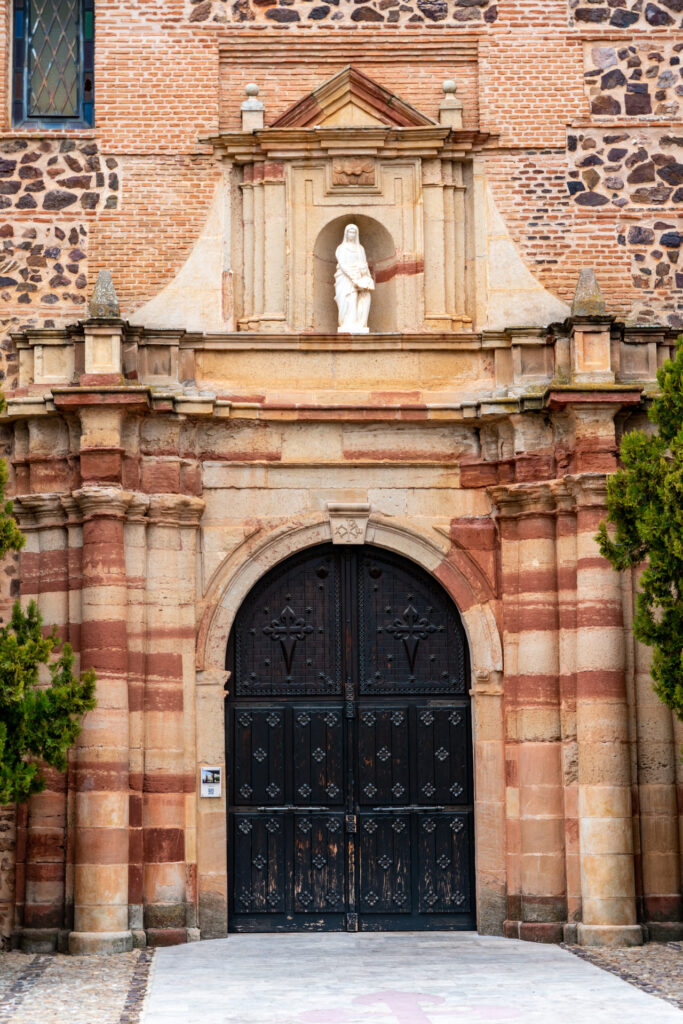
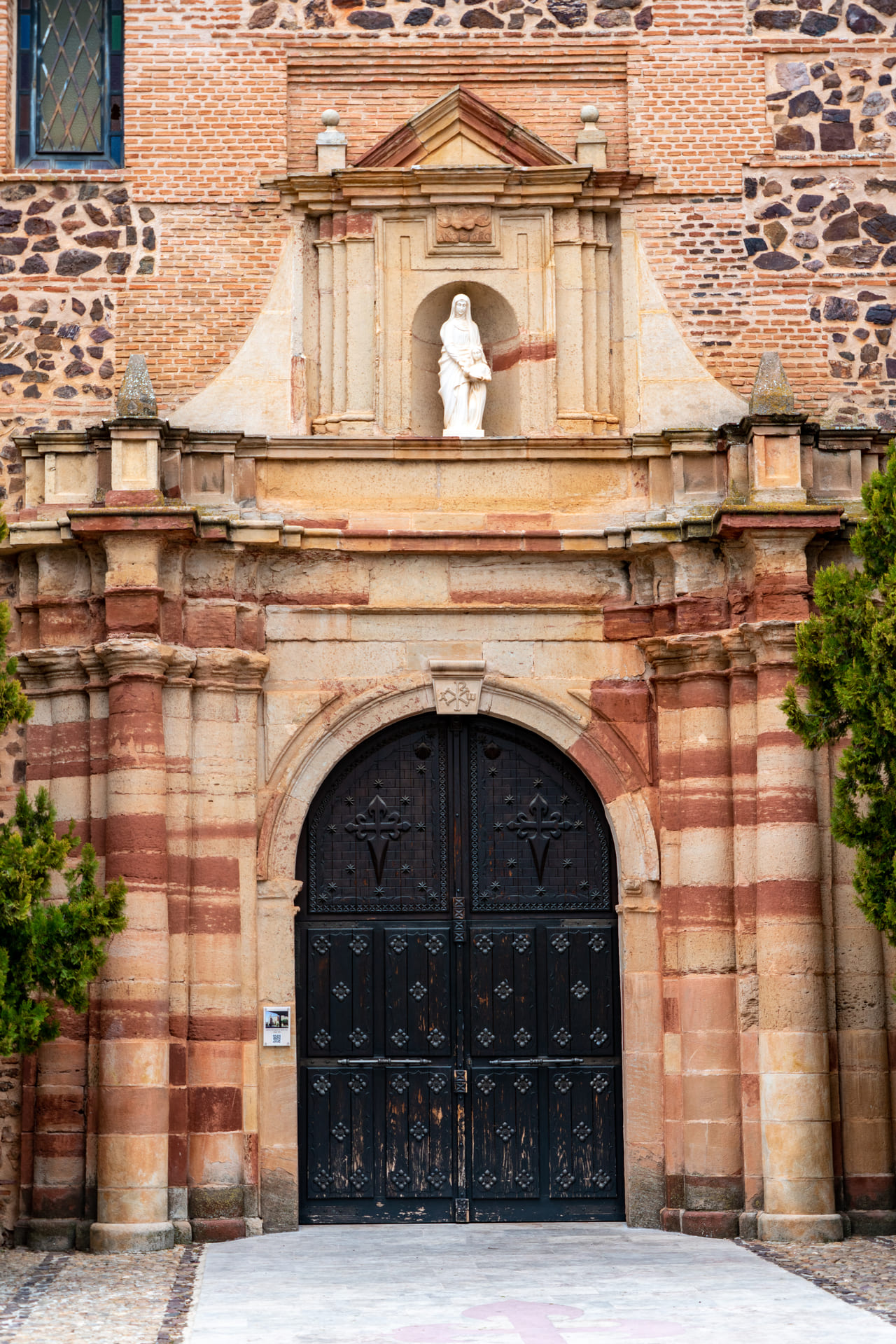
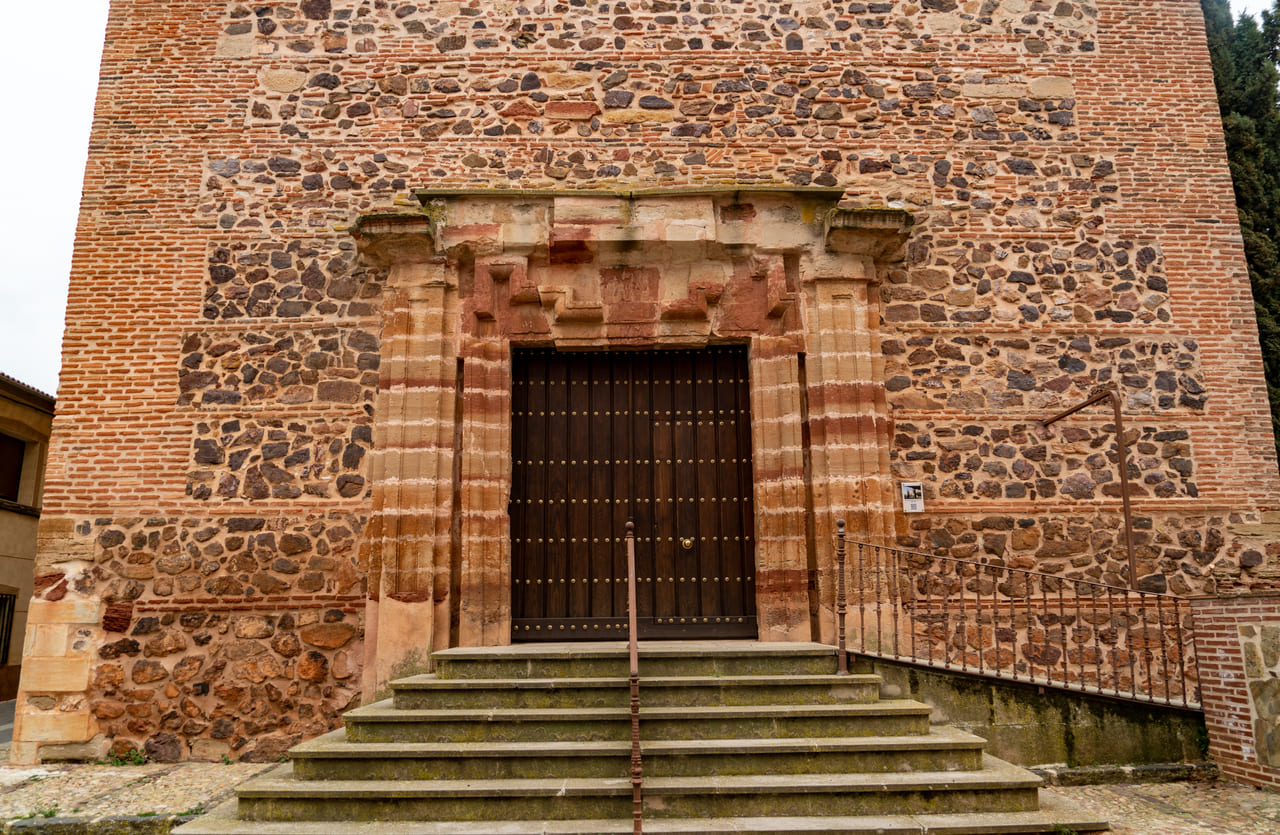
Its exterior decoration is practically nonexistent, but it stands out for the monumentality of its main facade, Conceived with a pronounced classicism in the manner of a triumphal arch, the simplicity of the lines, the decorative austerity, and the lighting through few openings reinforce the austere character of the whole. The predominant materials are... brick and masonry, while the Moliz stone is reserved for facades and reinforcements. The temple features Latin cross floor plan with a single central nave, with polygonal presbytery with five sides, underdeveloped transept arms and a three-bell bell gable topped with a triangular pediment with a cross and iron weathervane.