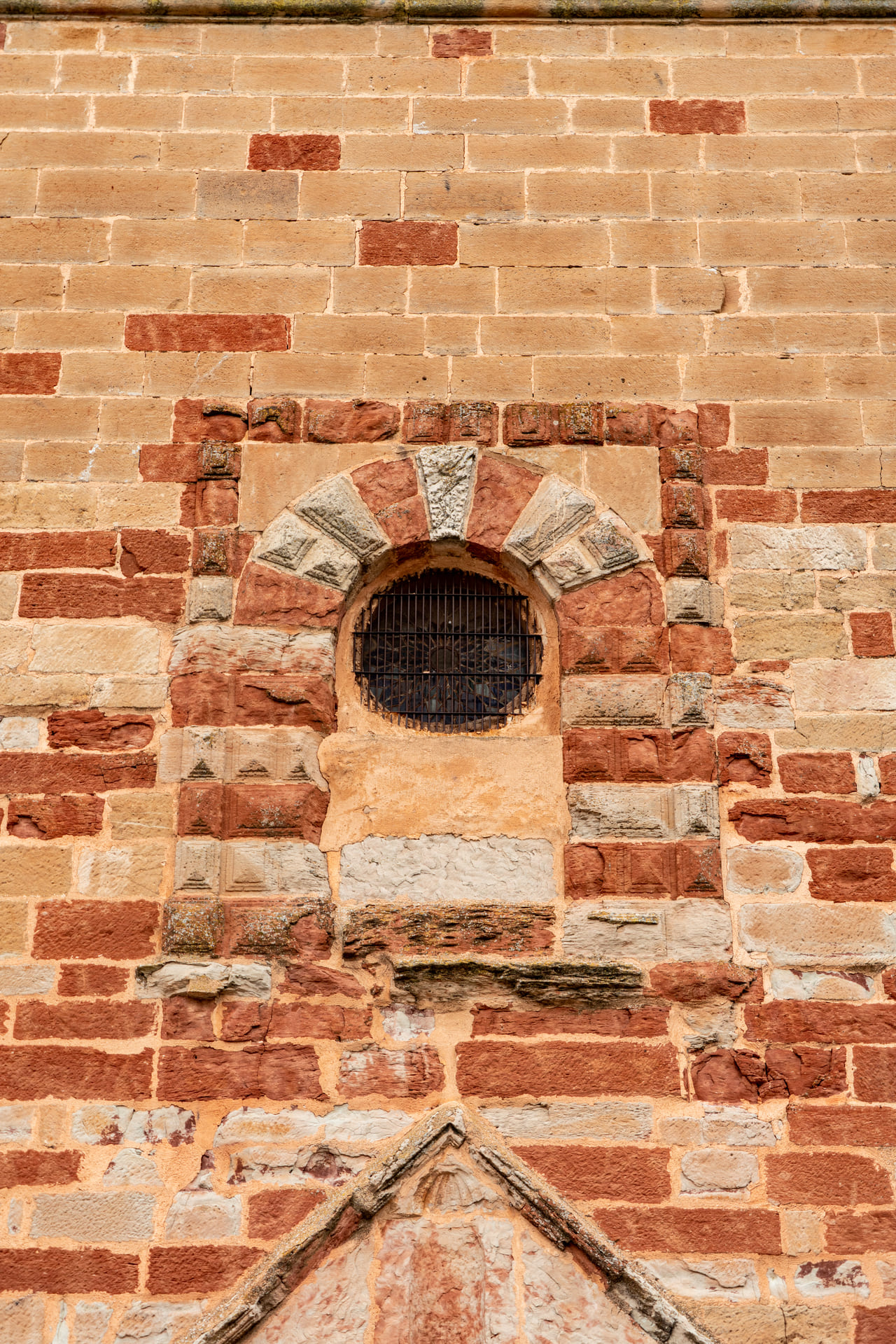
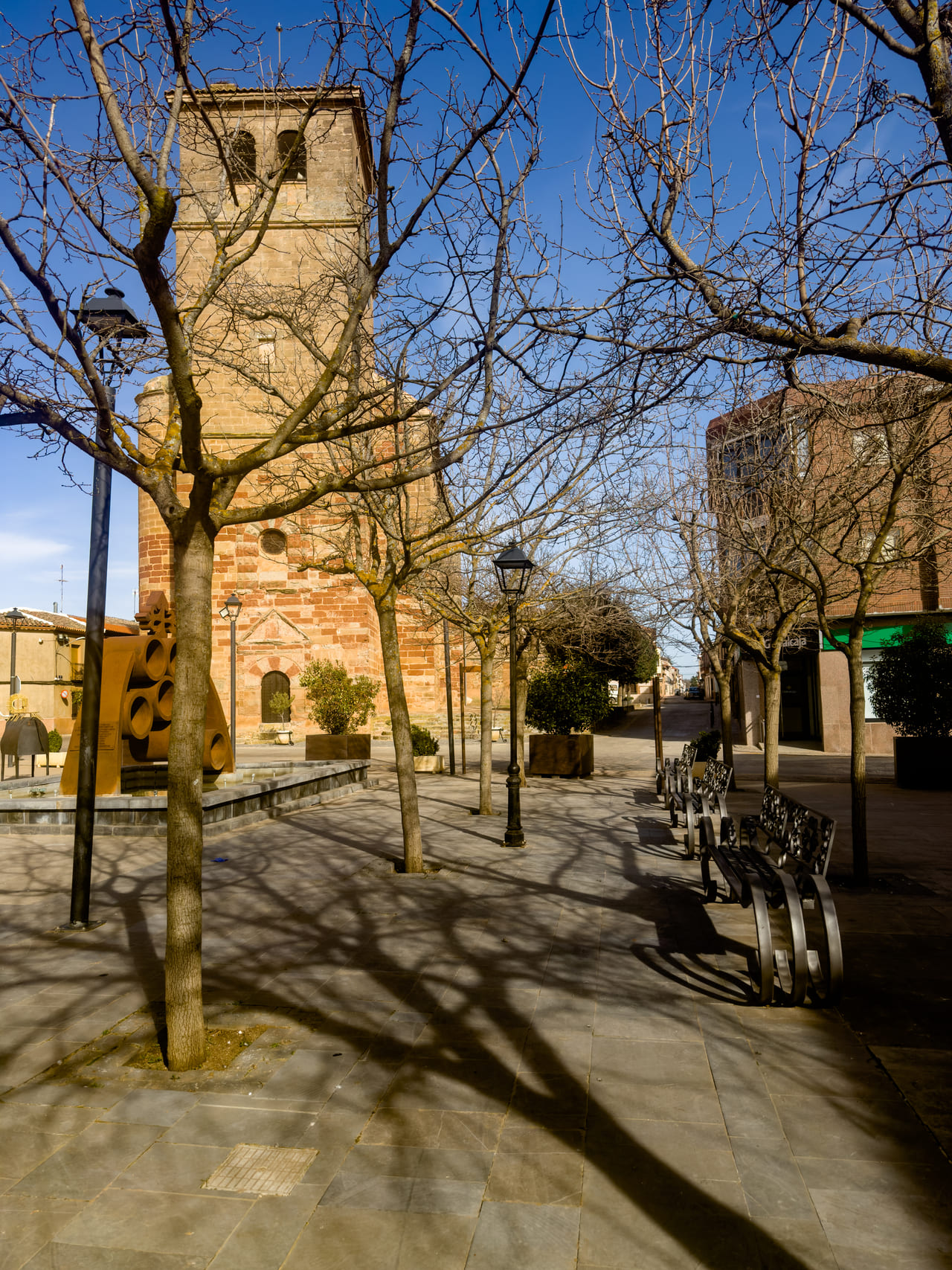
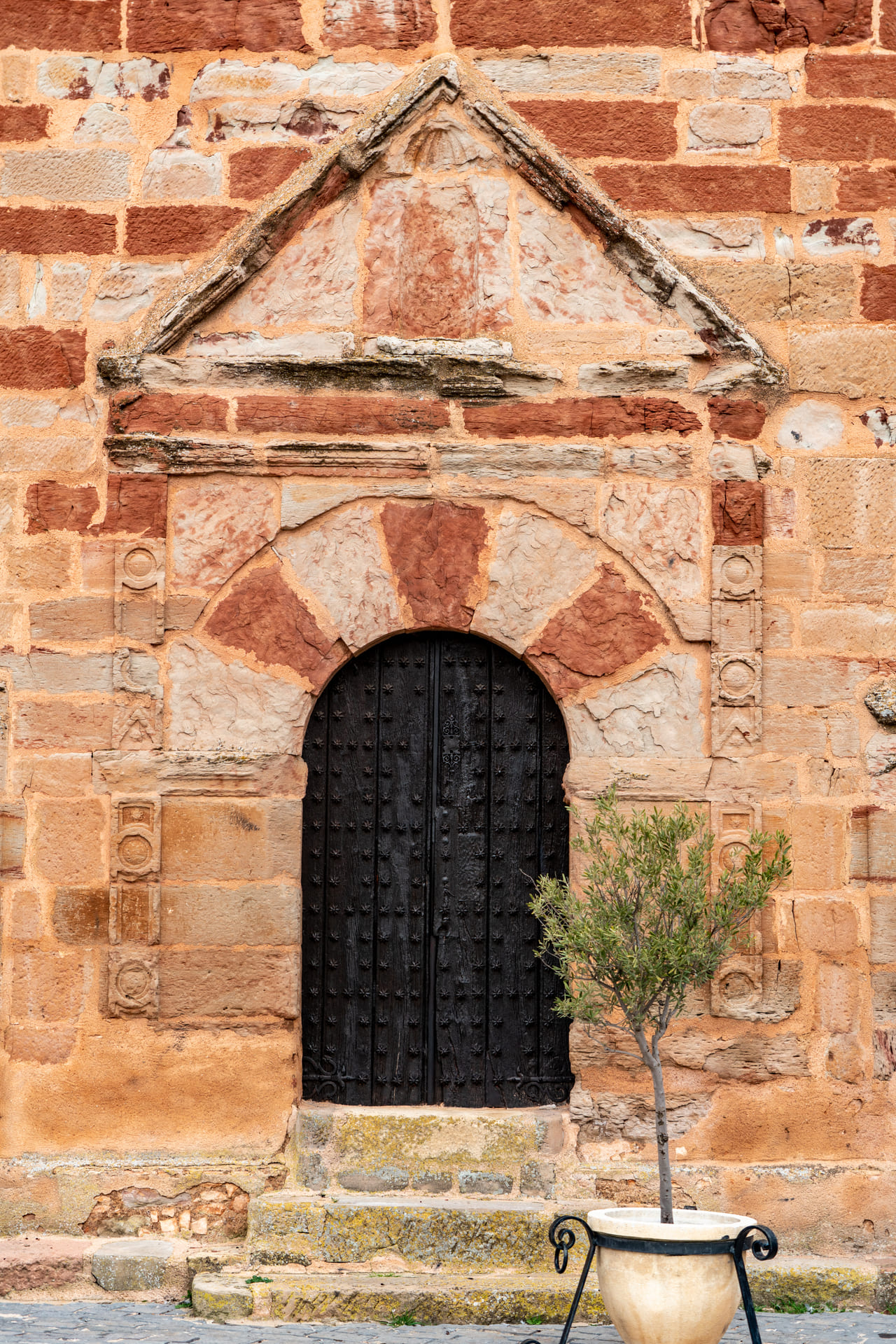
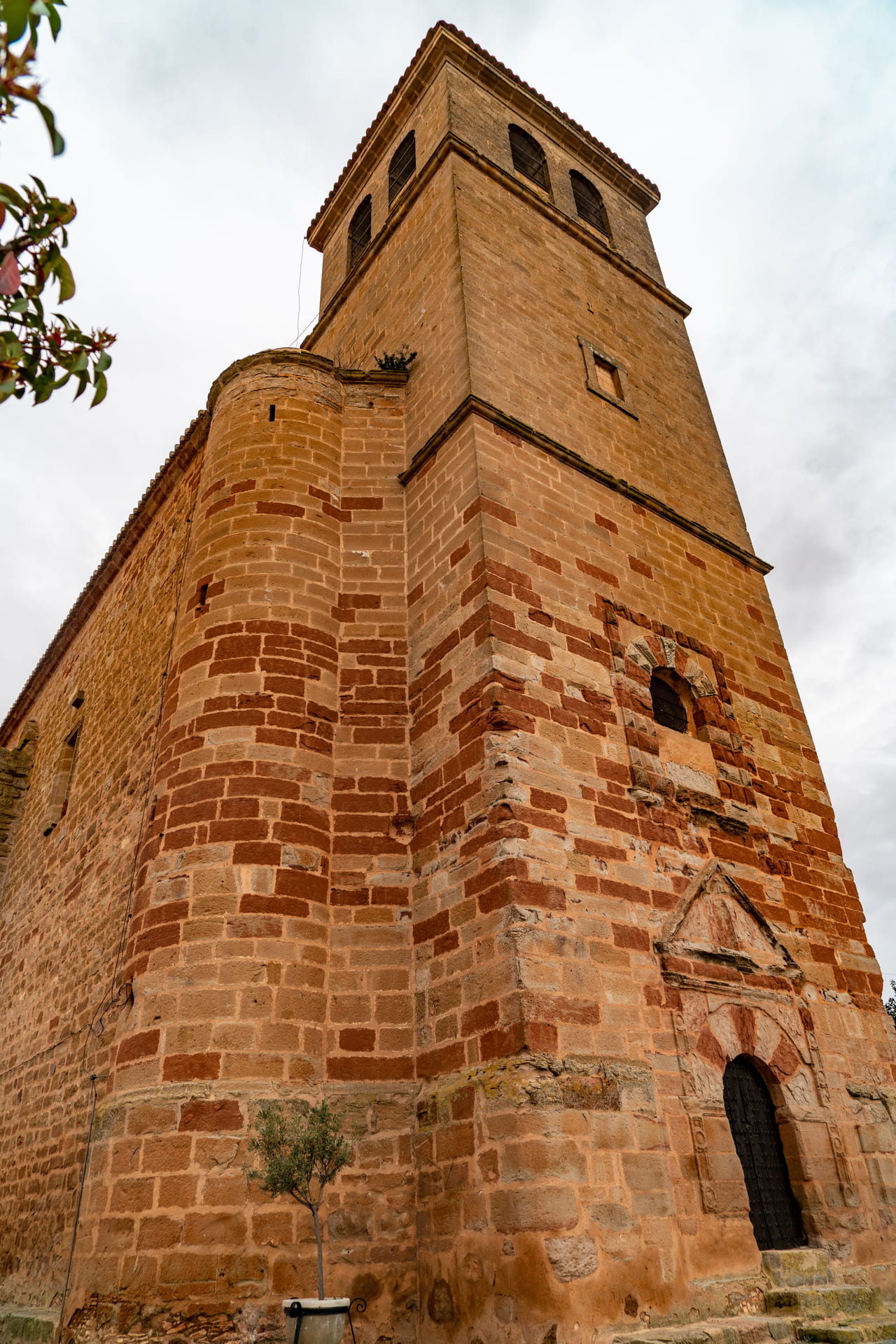
The church of San Vicente Mártir stands in Cózar, in the center of a town located in the heart of the Campo de Montiel, very close to Villanueva de los Infantes, Torre de Juan Abad and Almedina.
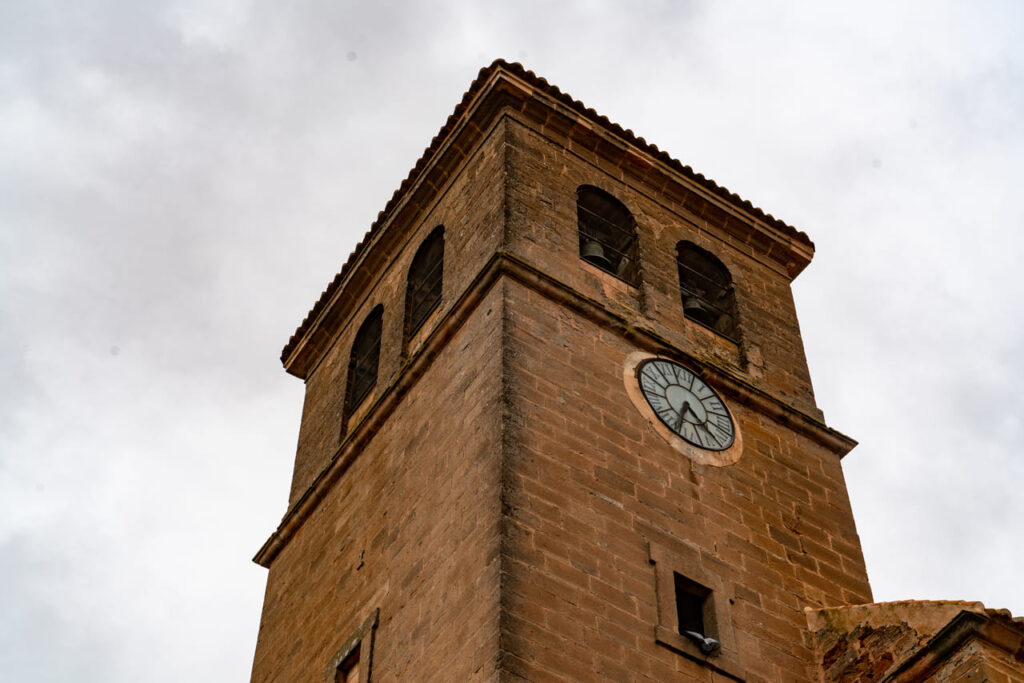
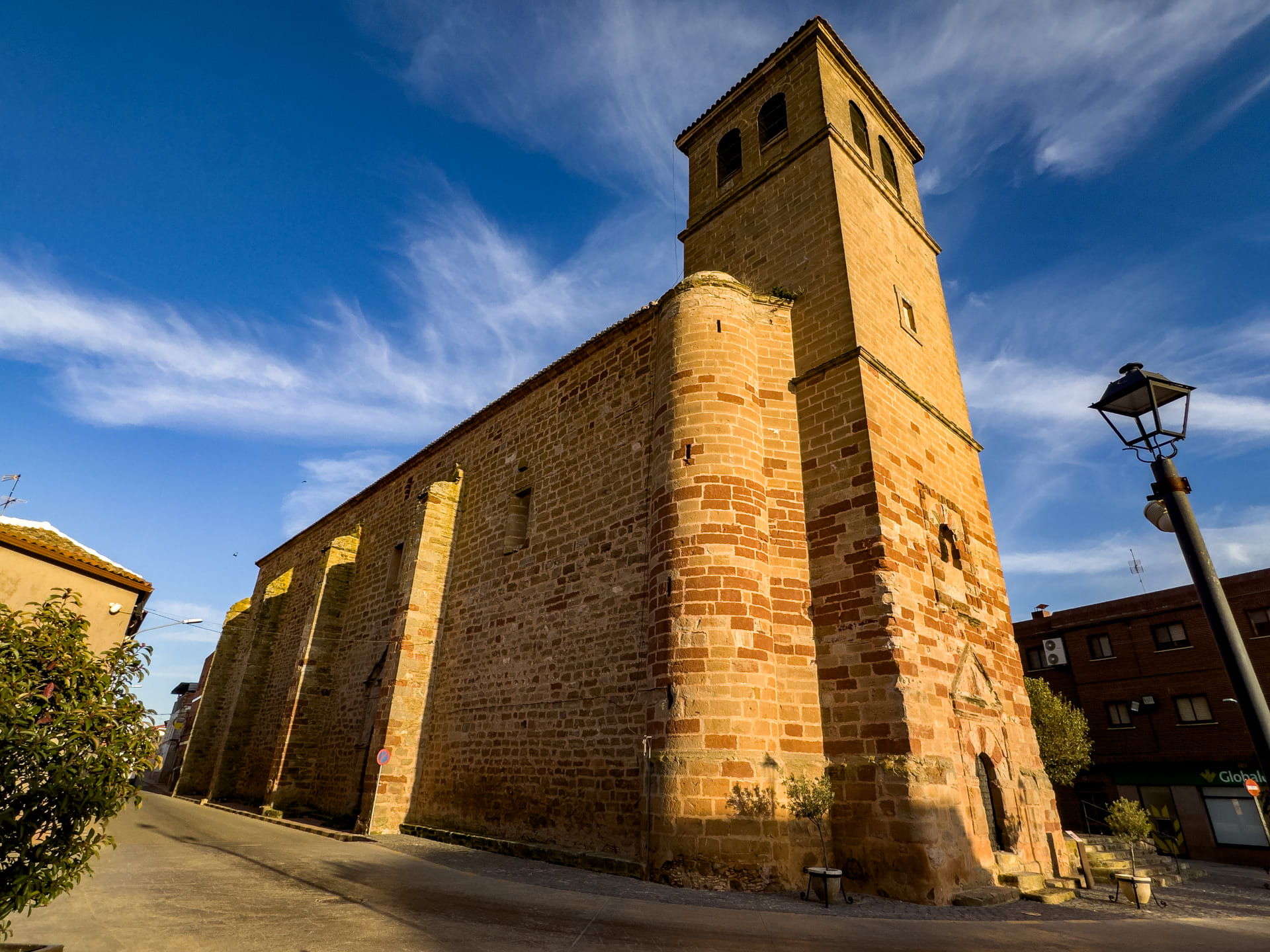
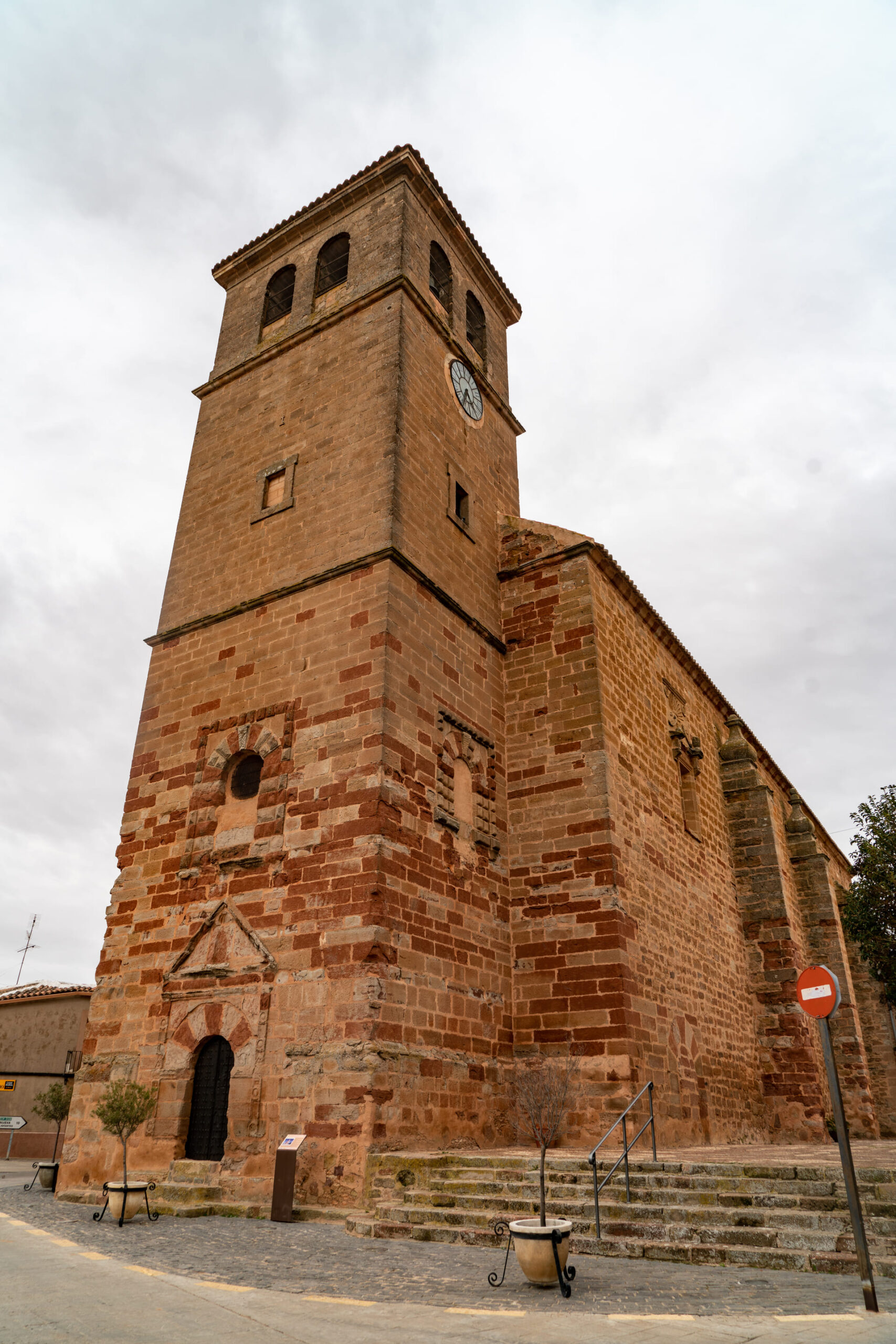
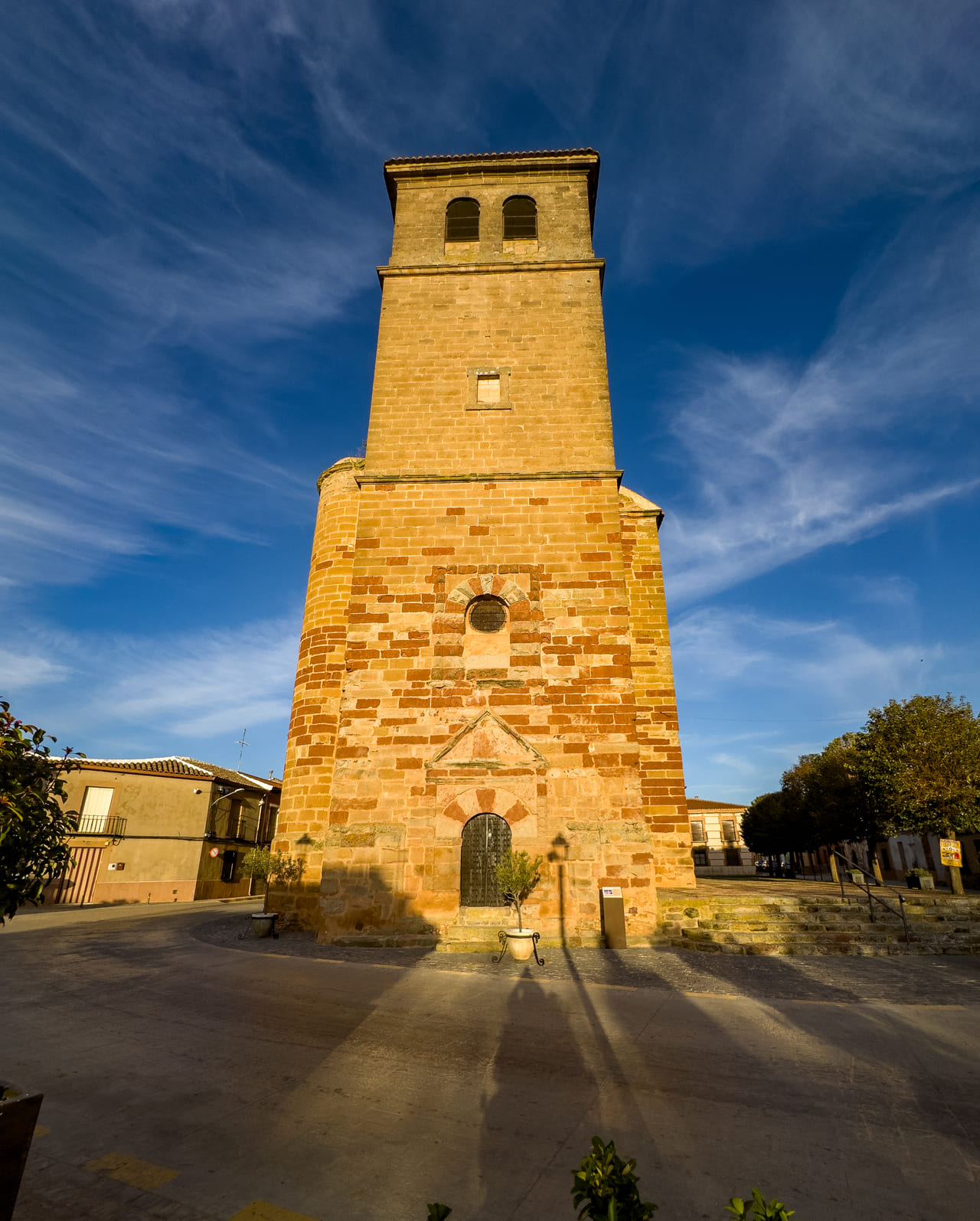
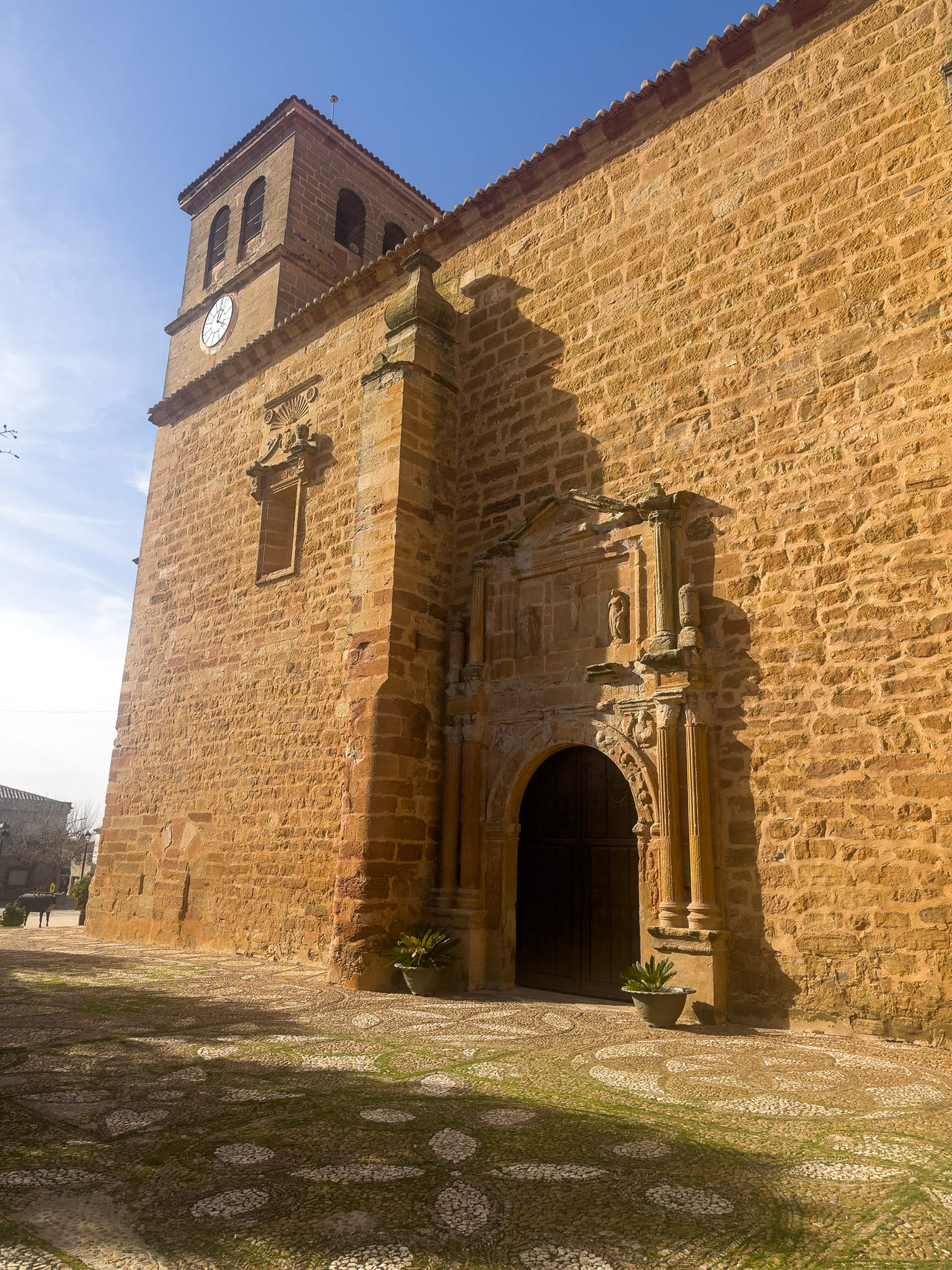
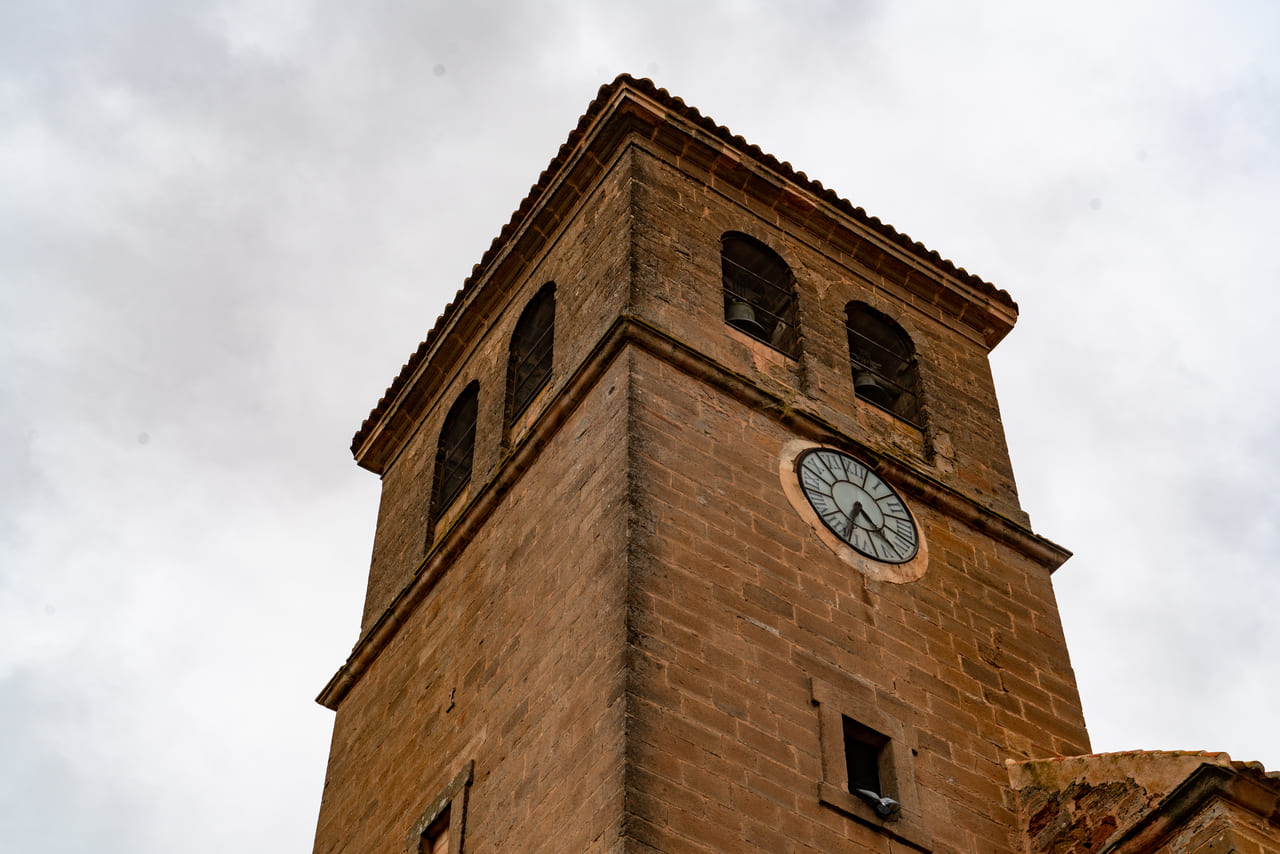
Its monumental size immediately stands out in the town's skyline, to the point that it can be recognized from a distance before reaching the town center.
The church is situated in a small square where three roads converge in a trident shape, within an urban area that has historically concentrated the town's main centers of power. This privileged position, also close to the old Town Hall, makes the parish church one of the essential landmarks of Cózar's historical image.
The construction of the church It began in the late 15th century and it remained completed in the second decade of the 16th century, at a time of population growth following its repopulation by the Order of Santiago and its integration into the Montiel encomienda.
Its dedication to Saint Vincent Martyr refers to a widespread devotion in the Middle Ages, symbolically associated with constancy, purity and victory over vices.
The current building is also understood as a Baroque expansion of an ancient layout with medieval roots, This explains the complexity of its evolution and its importance within the urban development of Cózar.
Beyond its artistic values, the church has been for centuries the great religious center of the town and one of the elements that best express its historical consolidation.
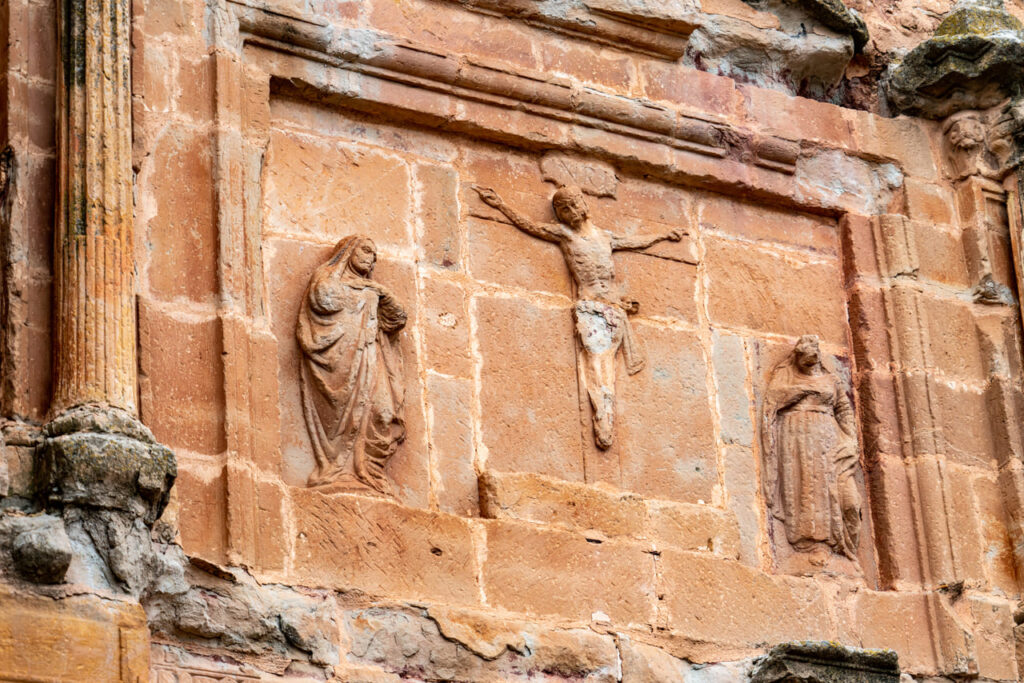
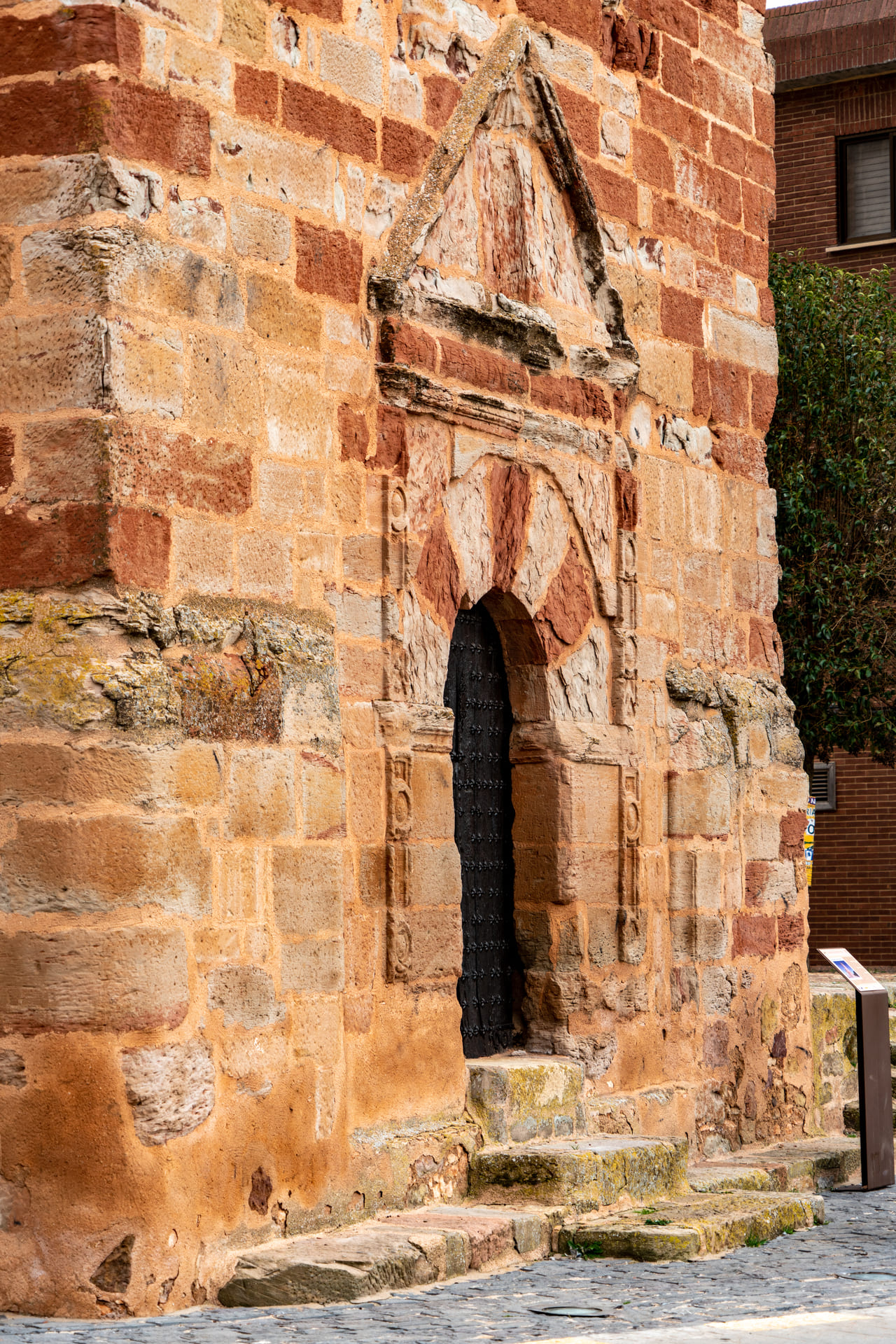
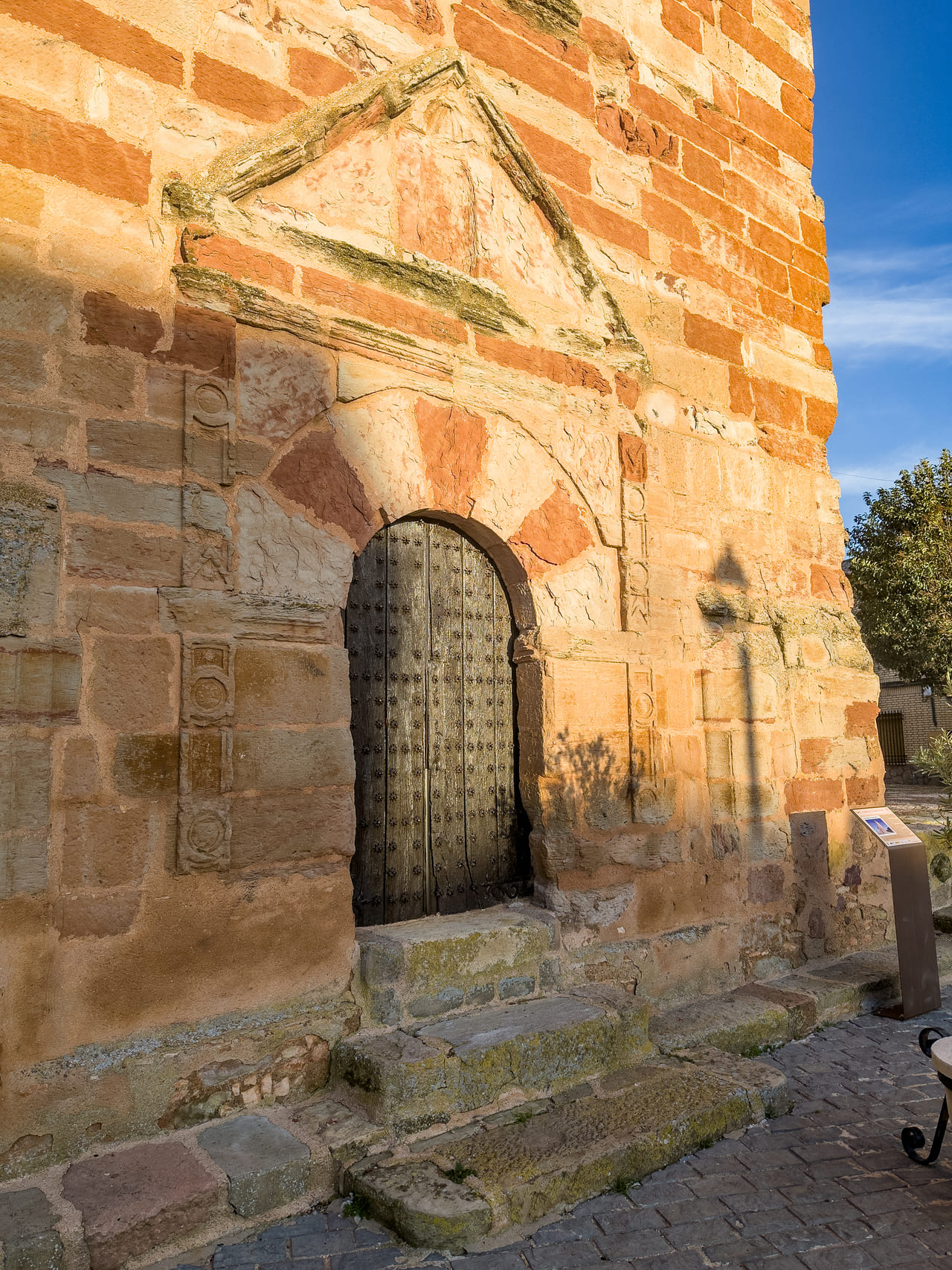
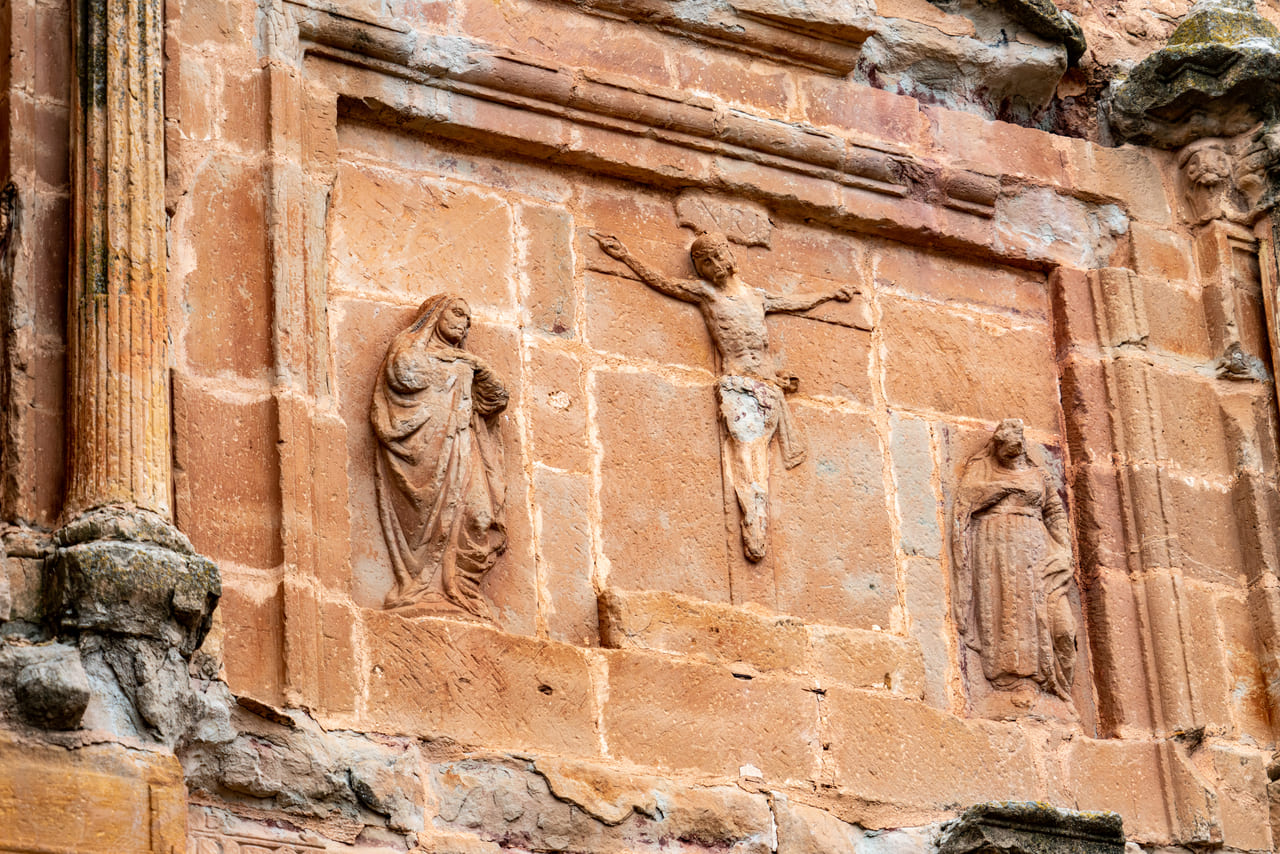
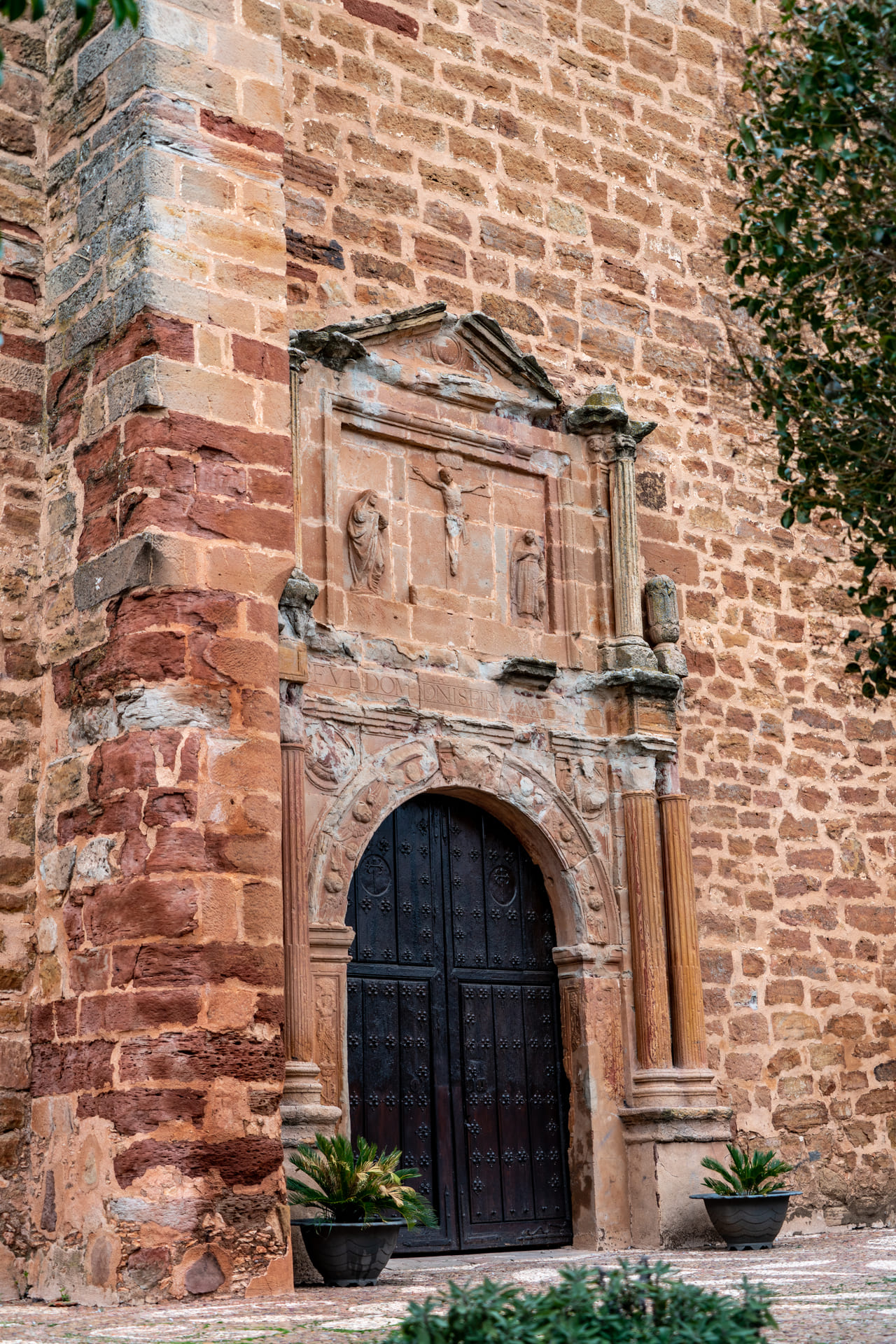
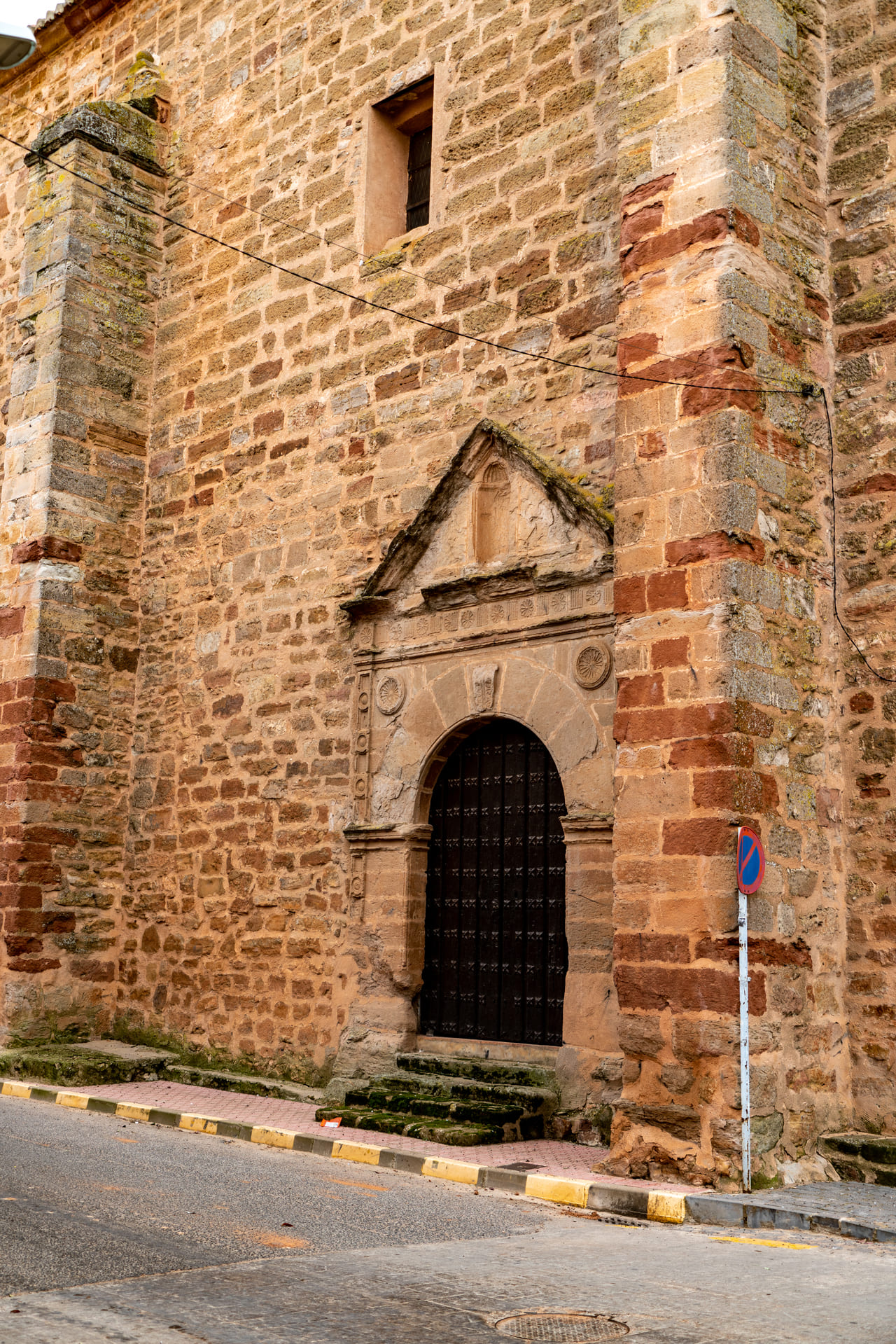
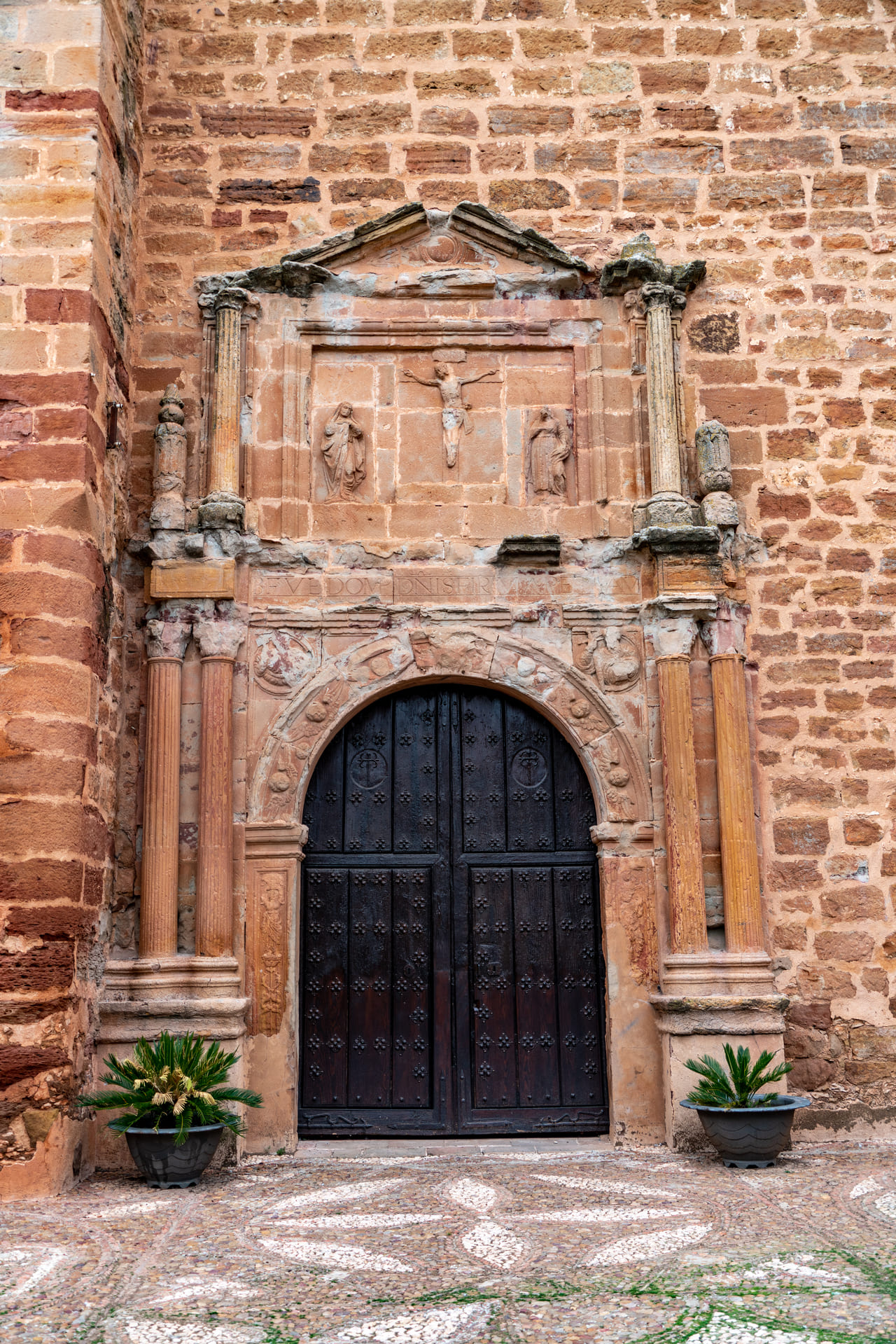
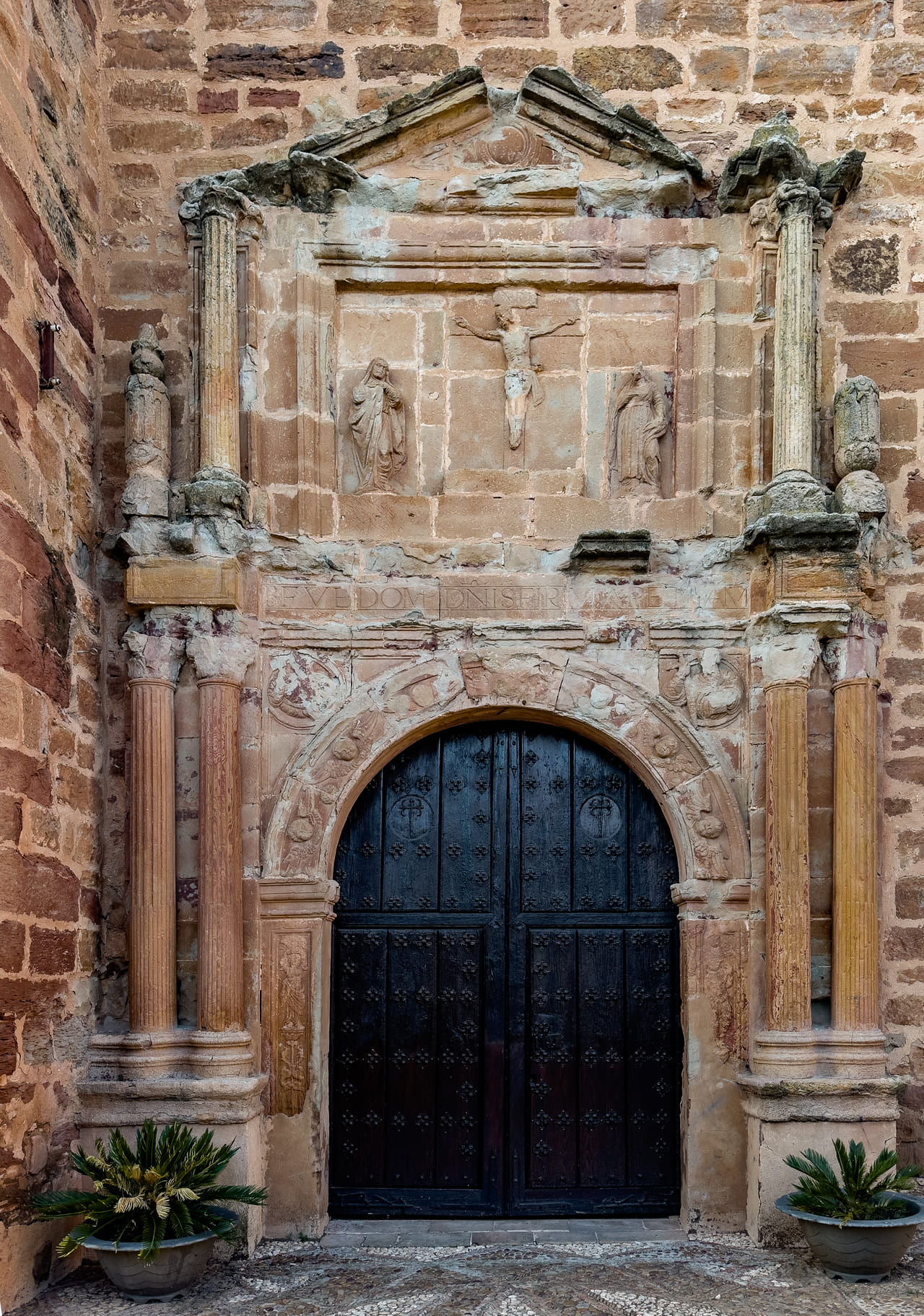
From an architectural point of view, the interior presents Latin cross floor plan with a single nave and no side chapels. He The apse is polygonal with three sides and is covered with tierceron vaults whose ribs rest on semicircular brackets, while the nave is organized by three transverse arches supported by Tuscan semi-columns attached to slender pilasters. The main cover shows a composition Classical style with two Ionic columns that support a triangular pediment, in whose tympanum a plain tondo is sculpted and, beneath it, a bas-relief depicting a Calvary. On the Epistle side opens the Ayuso chapel, conceived as a portal-niche with a large semicircular arch and heraldic cartouche.
At the foot of the temple are preserved the gallery, the choir and a interesting wooden gate dated in 1703, in addition to the presence of a 18th century organ, now much transformed after the damage suffered in the Civil War.