

A magical tour that will allow you to enjoy the countryside and natural resources in the heart of Campo de Montiel
Distance
75 km
Duration
1 day
Difficulty
Easy
Level difference
-
Guy
Linear
Mode
By car
Route description
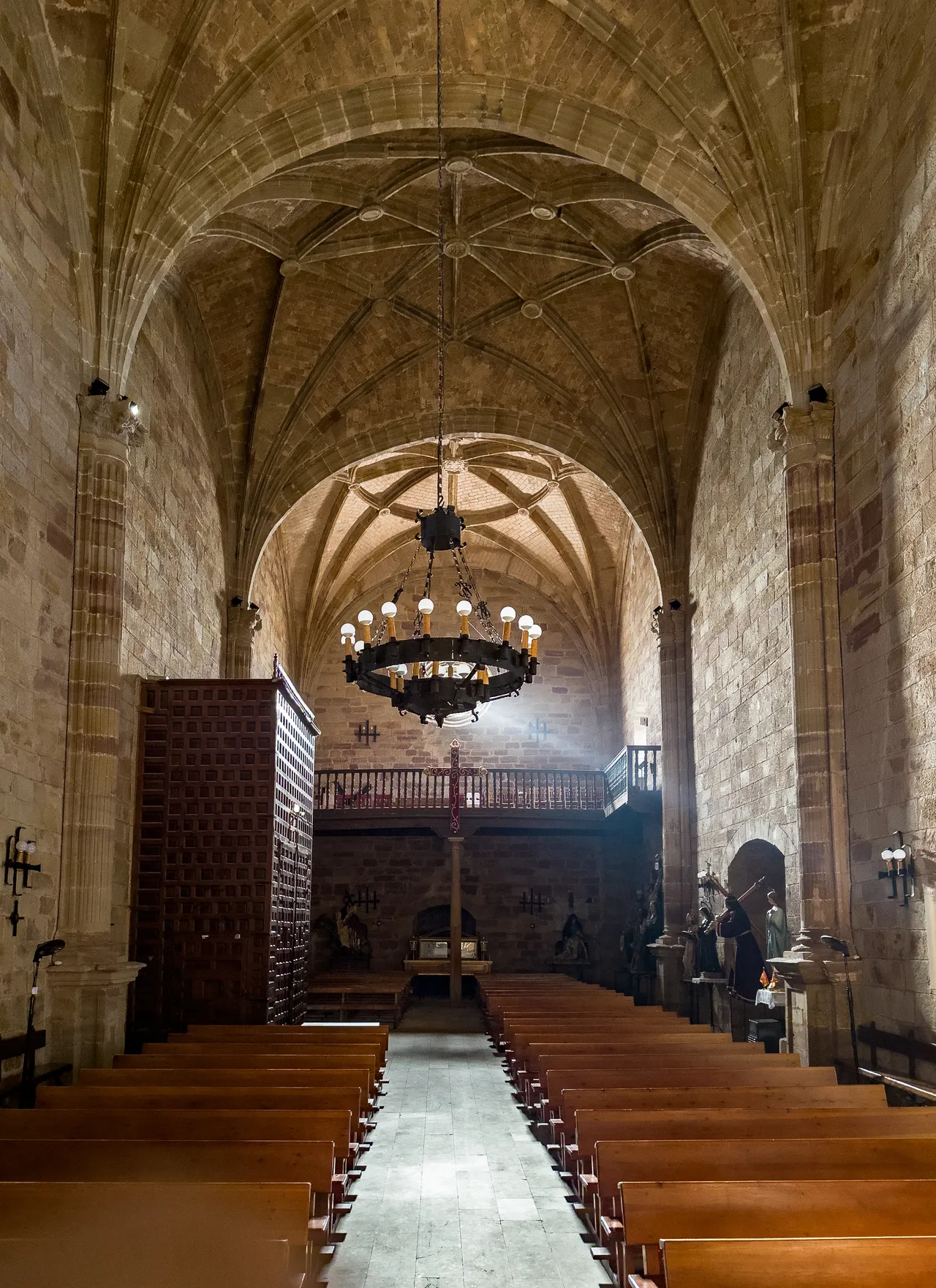
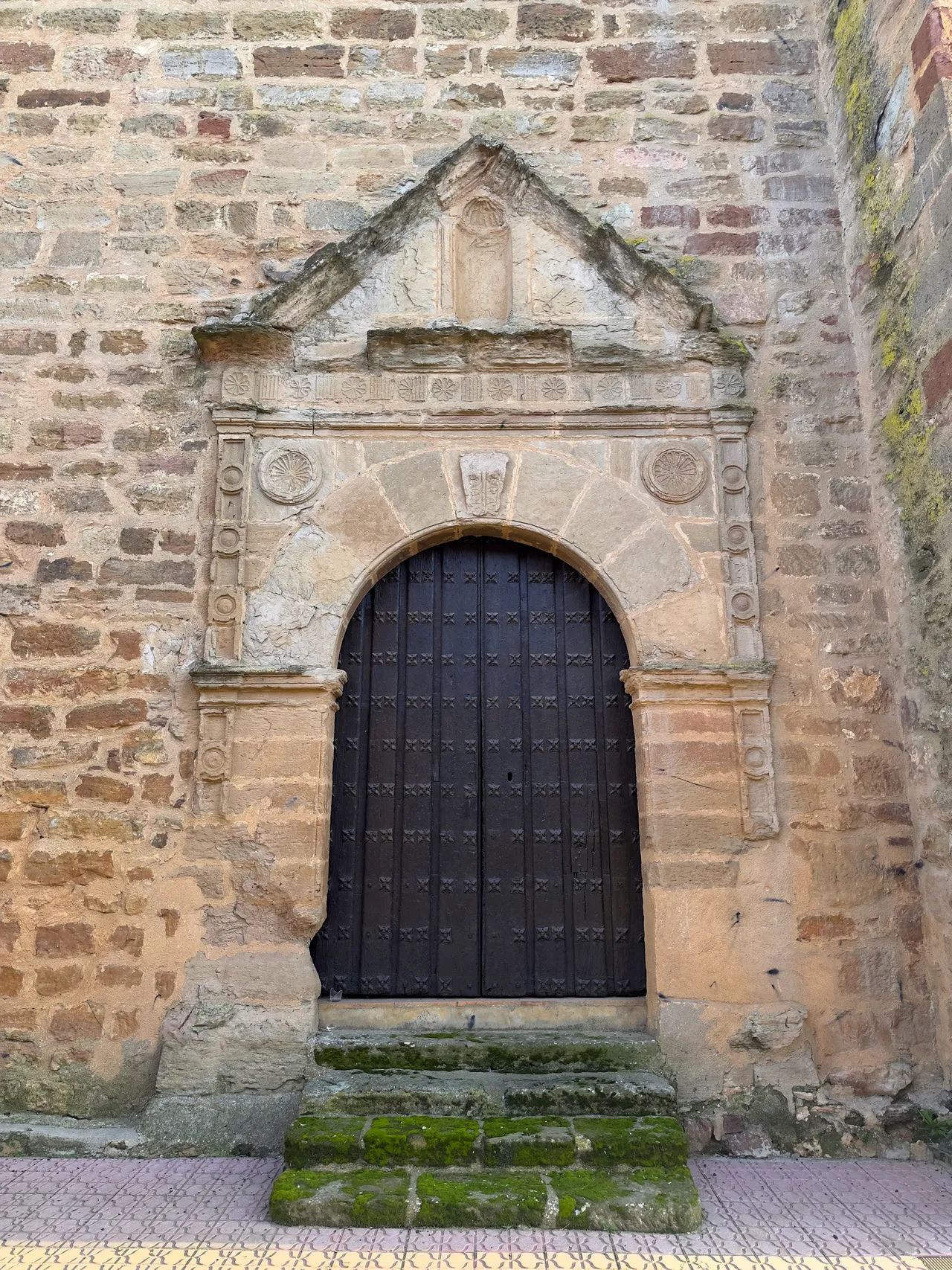
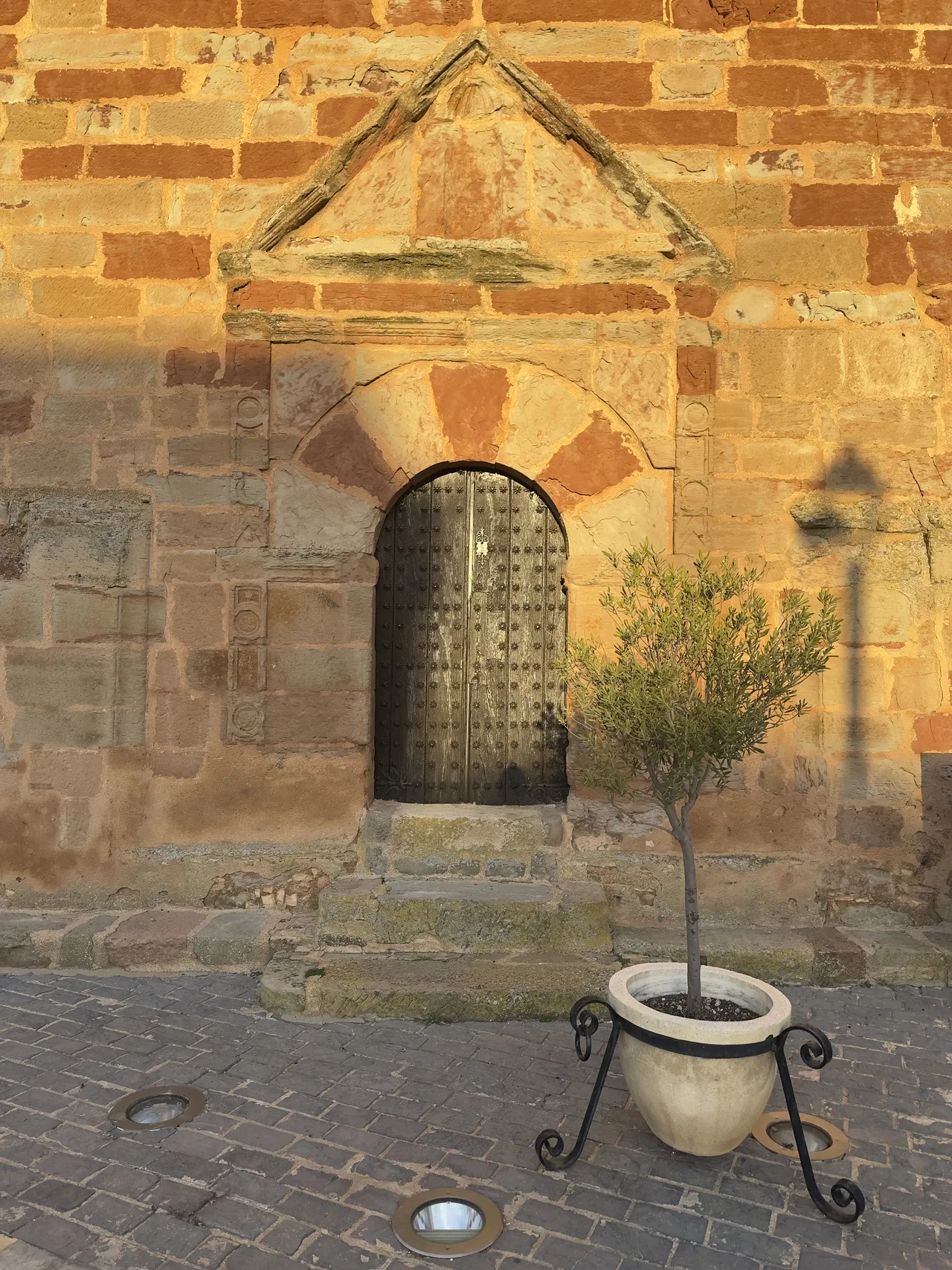
One of the richest and most original cultural routes in the entire province of Ciudad Real. Ideal for lovers of art, history, and heritage, it runs through the heart of the Campo de Montiel region, linking five municipalities that preserve exceptional examples of the Spanish Renaissance: Gothic-Renaissance transitional churches, Plateresque portals, the most complete and best-preserved Mannerist altarpiece in the province, stately homes with arcaded courtyards, and the legacy of Fernando Yáñez de Almedina, considered by Tormo to be the most exquisite Renaissance painter in Spain and a direct disciple of Leonardo da Vinci.
Stop 1. Church of Saint Andrew the Apostle and Casa Grande – Villamanrique
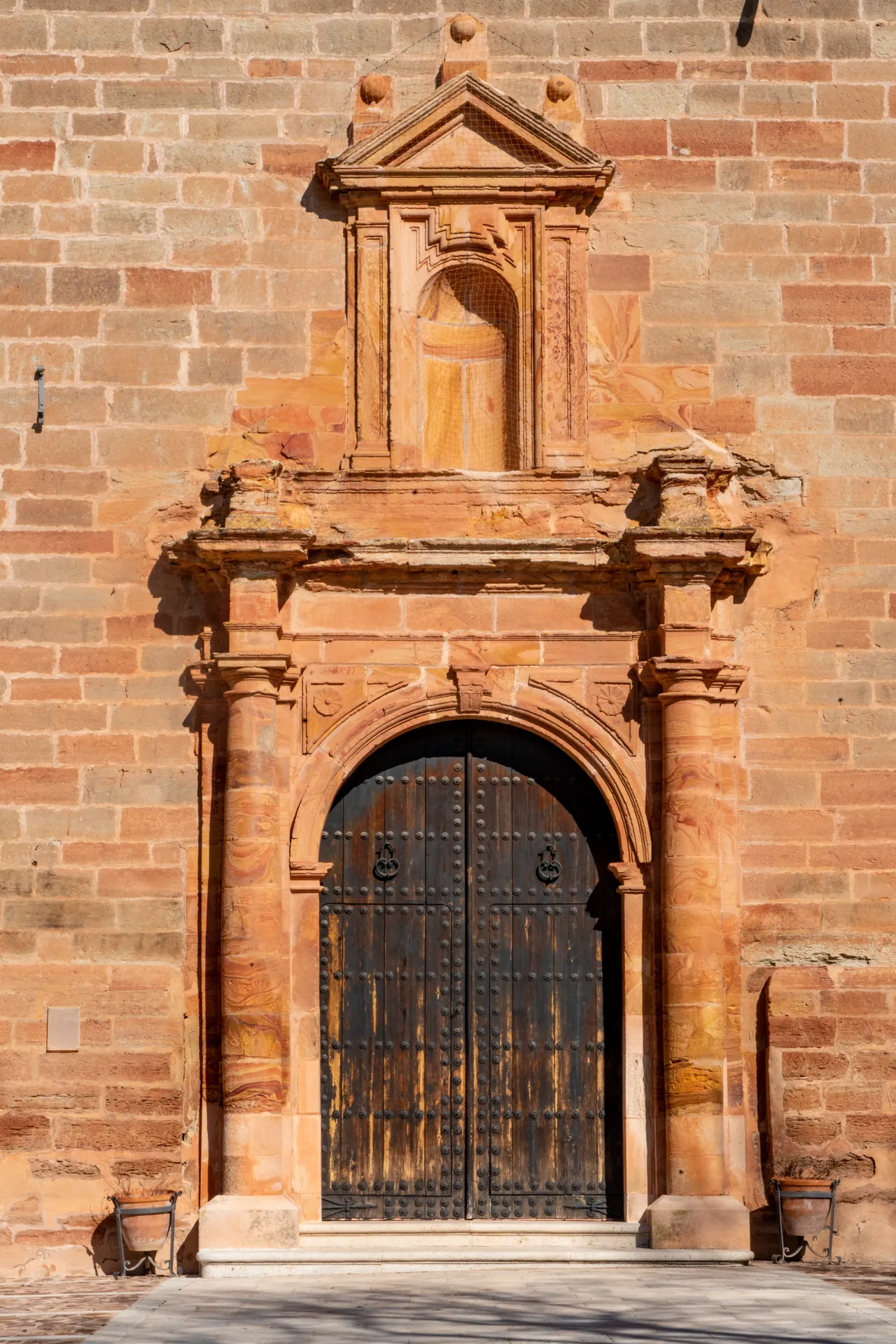
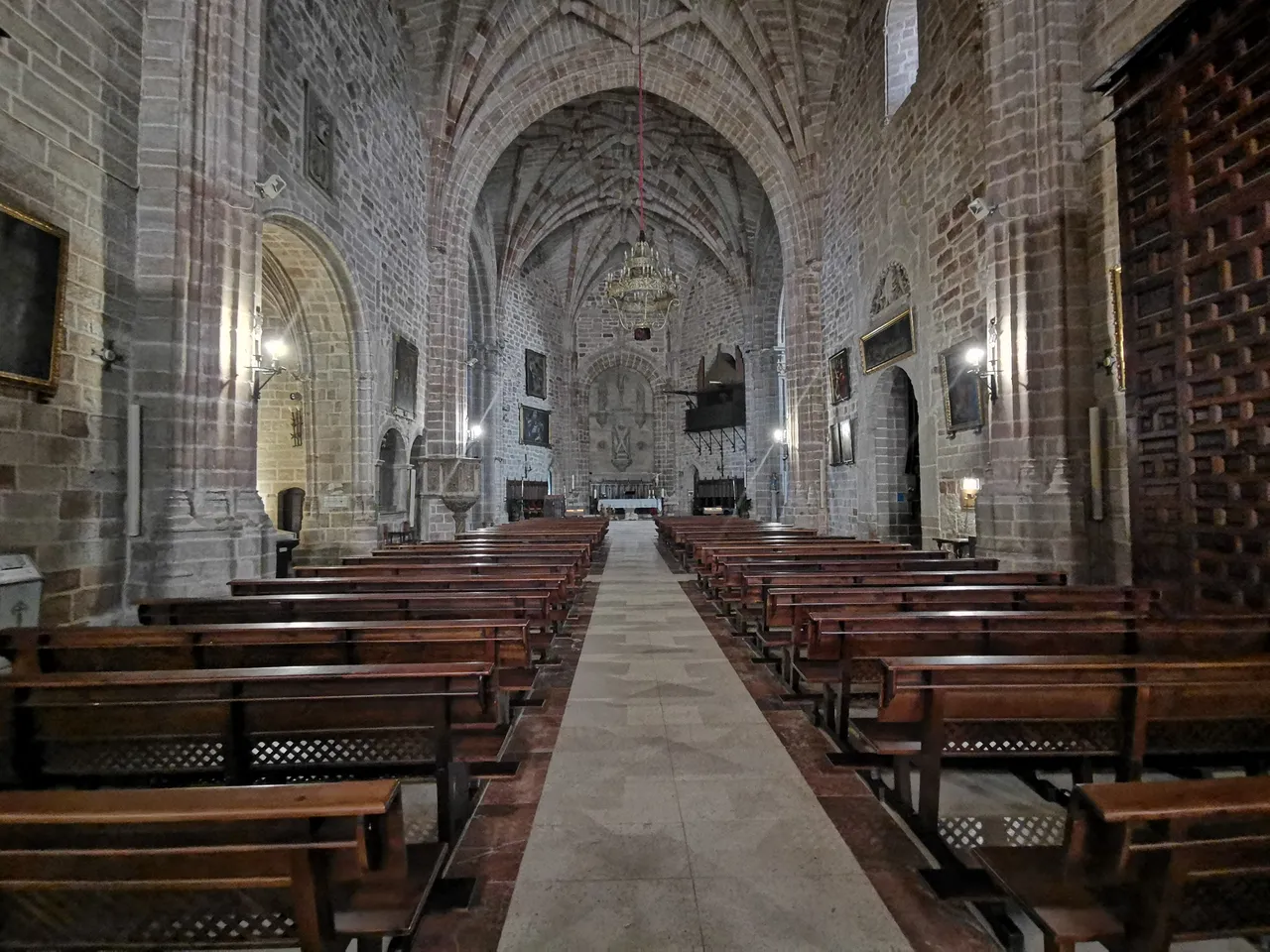
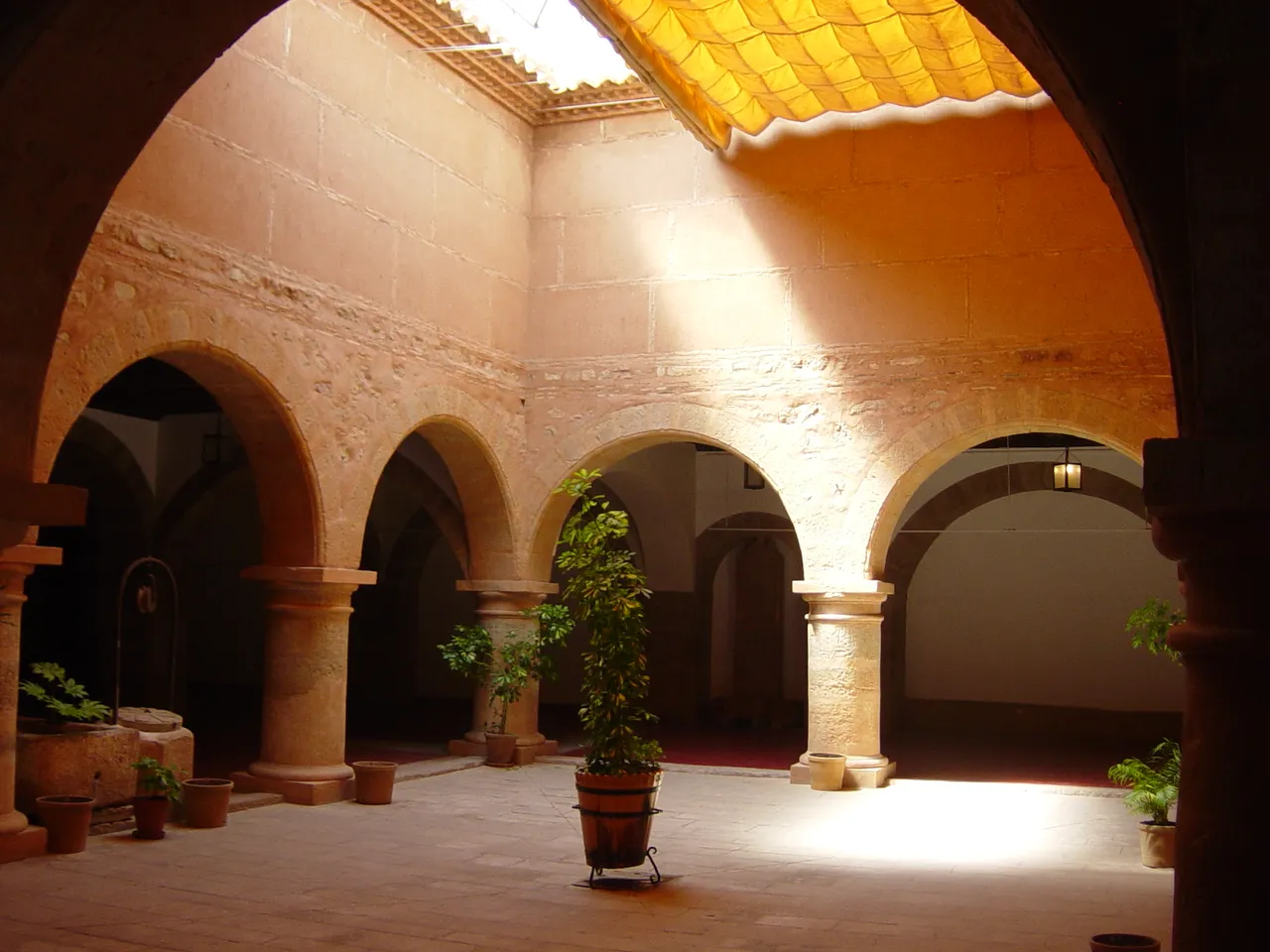
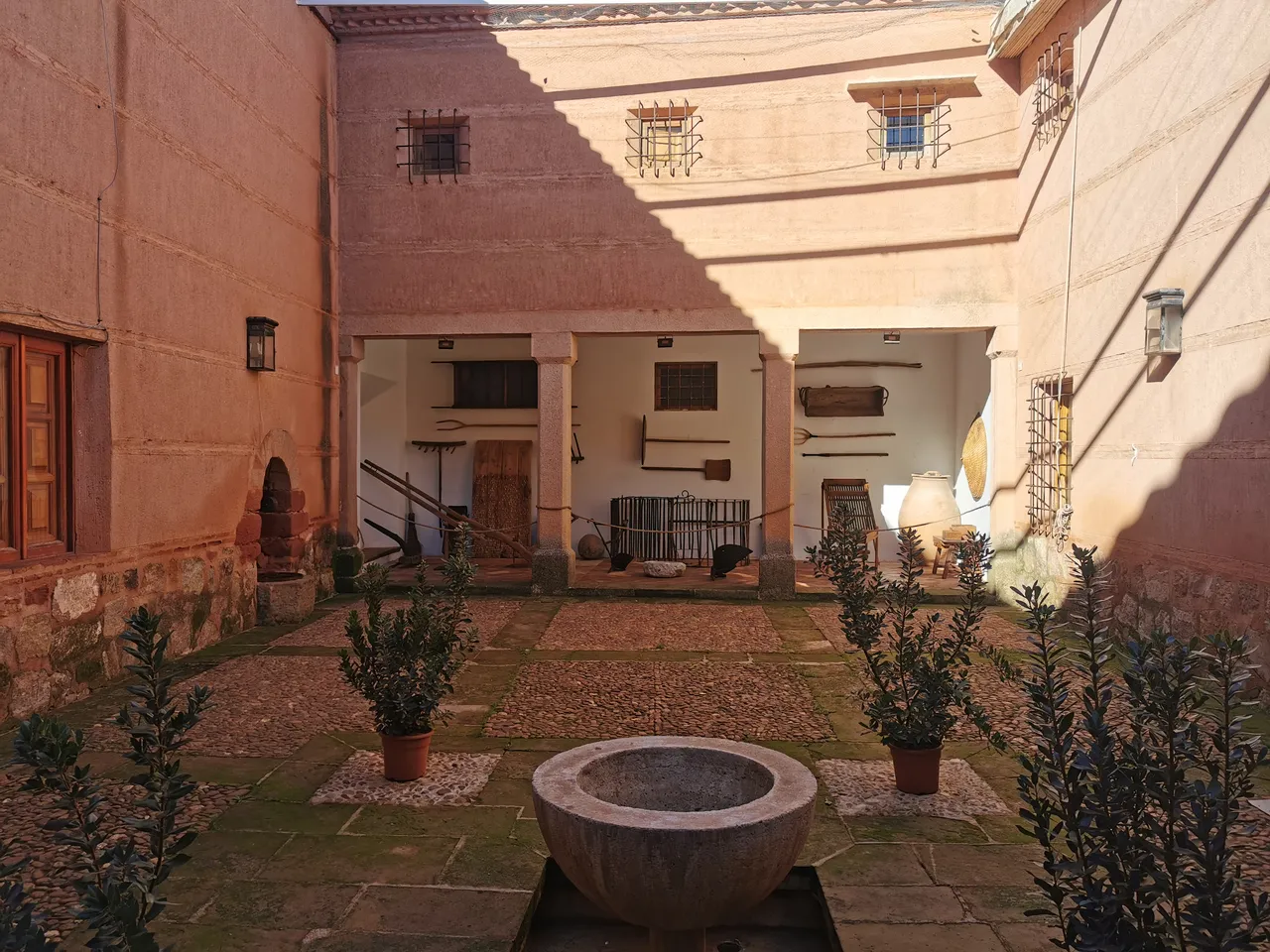
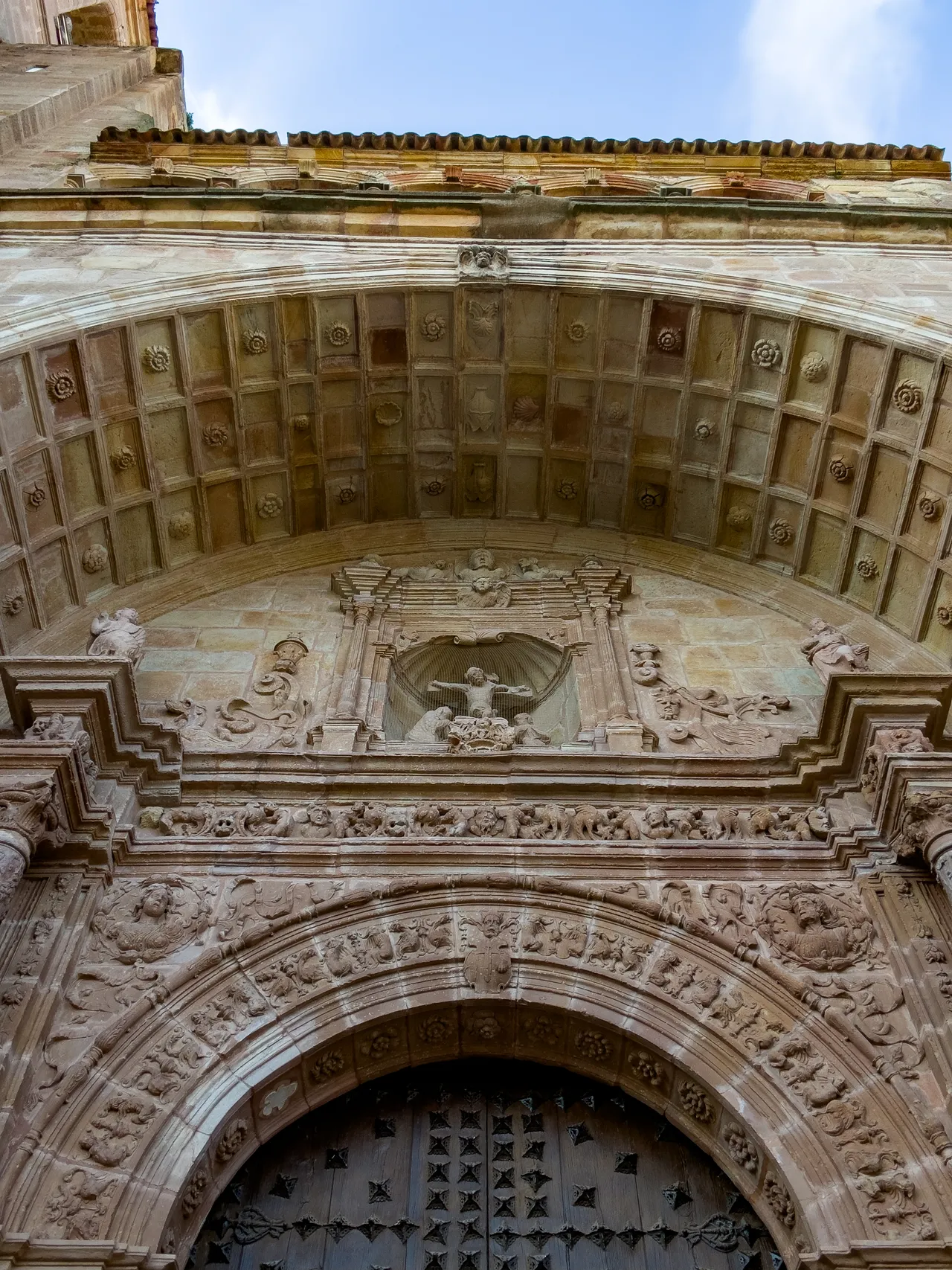
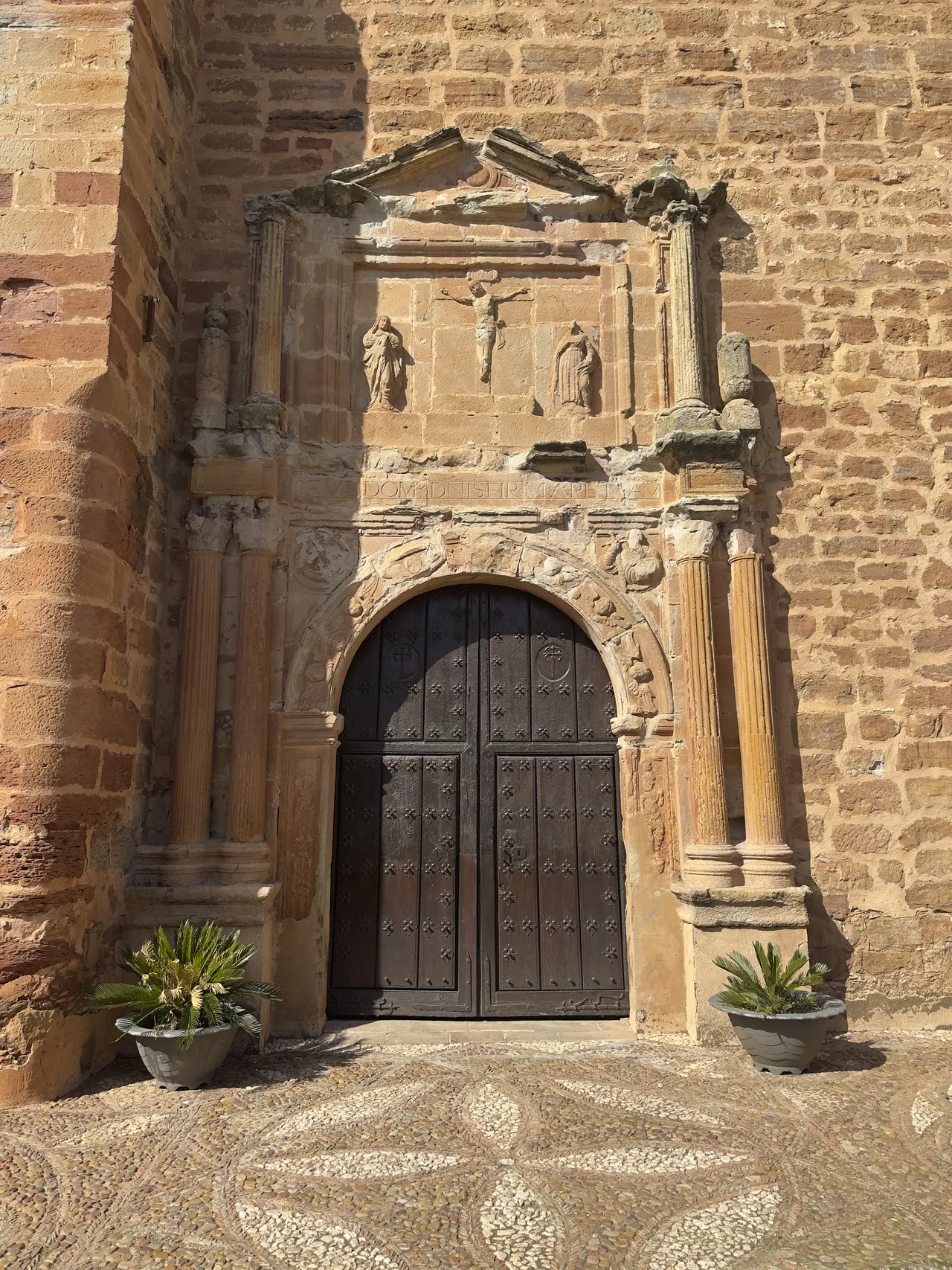
Starting point of the route. The Parish Church of San Andrés Apóstol in Villamanrique, declared a Site of Cultural Interest, is one of the finest examples of transitional Gothic-Renaissance architecture in the Campo de Montiel region. Built by the Order of Santiago in the 16th century, it features a single nave with side chapels and a splendid Renaissance portico decorated with grotesques of human figures, animals, birds, and angels, sculptures of the Virgin and the Angel of the Annunciation, and a Calvary scene in a central niche. Its square tower, with 107 steps, dominates the La Mancha landscape. Just a few meters away, the Casa Grande or Casa de la Encomienda, popularly known as the Casa de los Manrique, is the most outstanding example of Renaissance civil architecture in the municipality: a porticoed building with a quadrangular courtyard and galleries of wooden balusters and upright posts reminiscent of the palaces of the Golden Age. Its façade displays the coat of arms of the Montoya family. Both monuments are declared Cultural Heritage Sites.
Stop 2. Church of Our Lady of the Elms and Altarpiece by Francisco Cano – Tower of Juan Abad
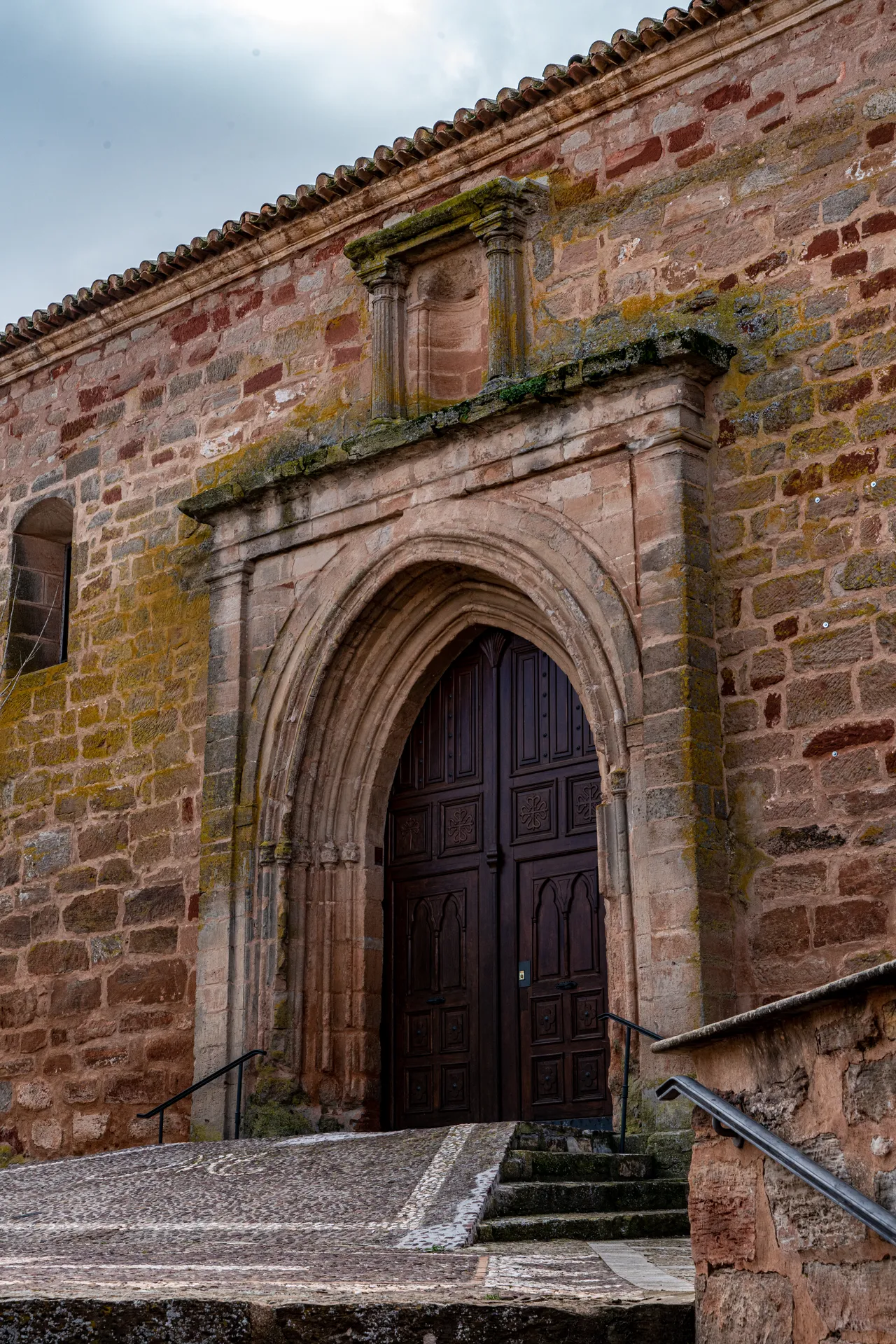
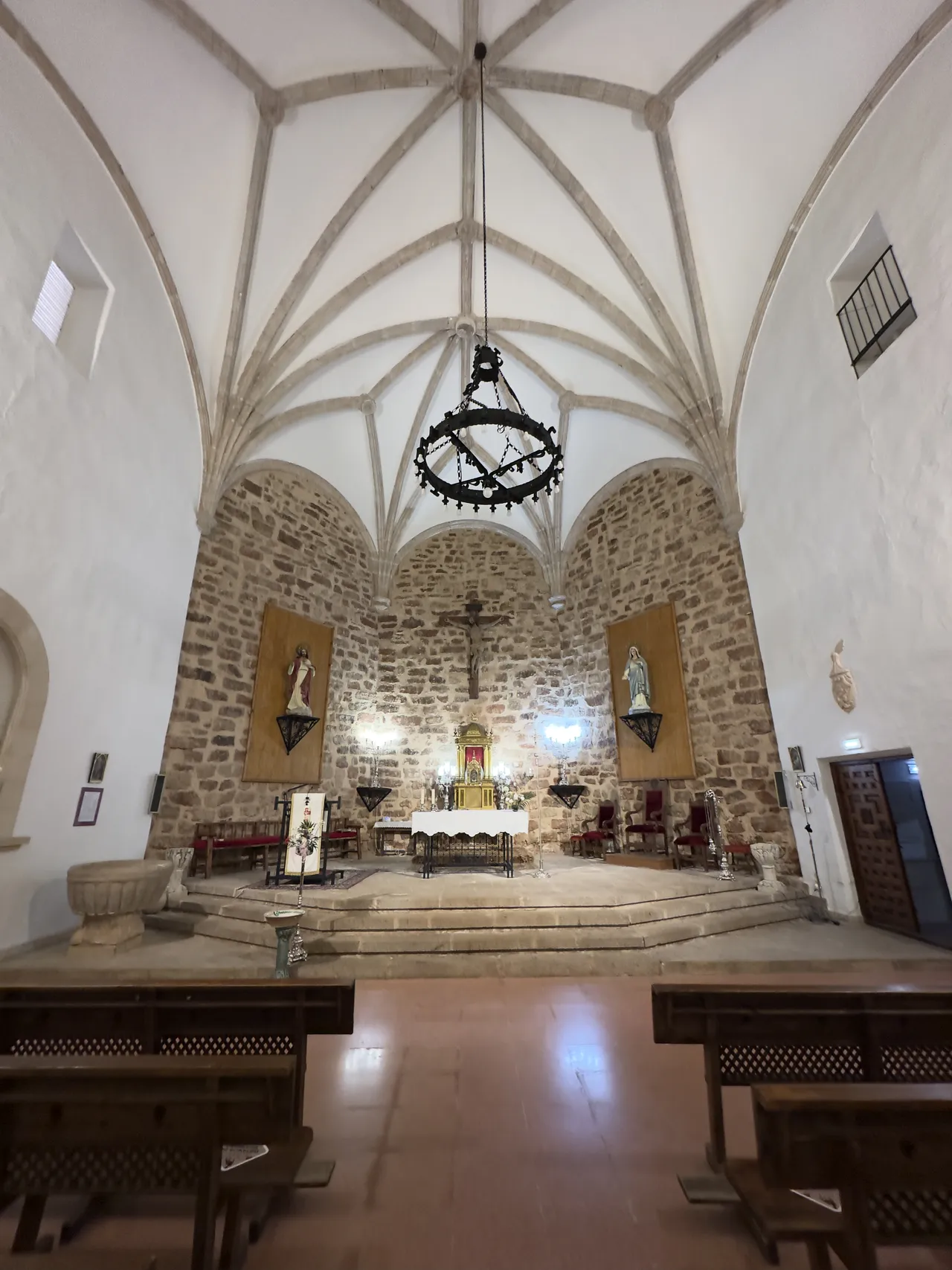
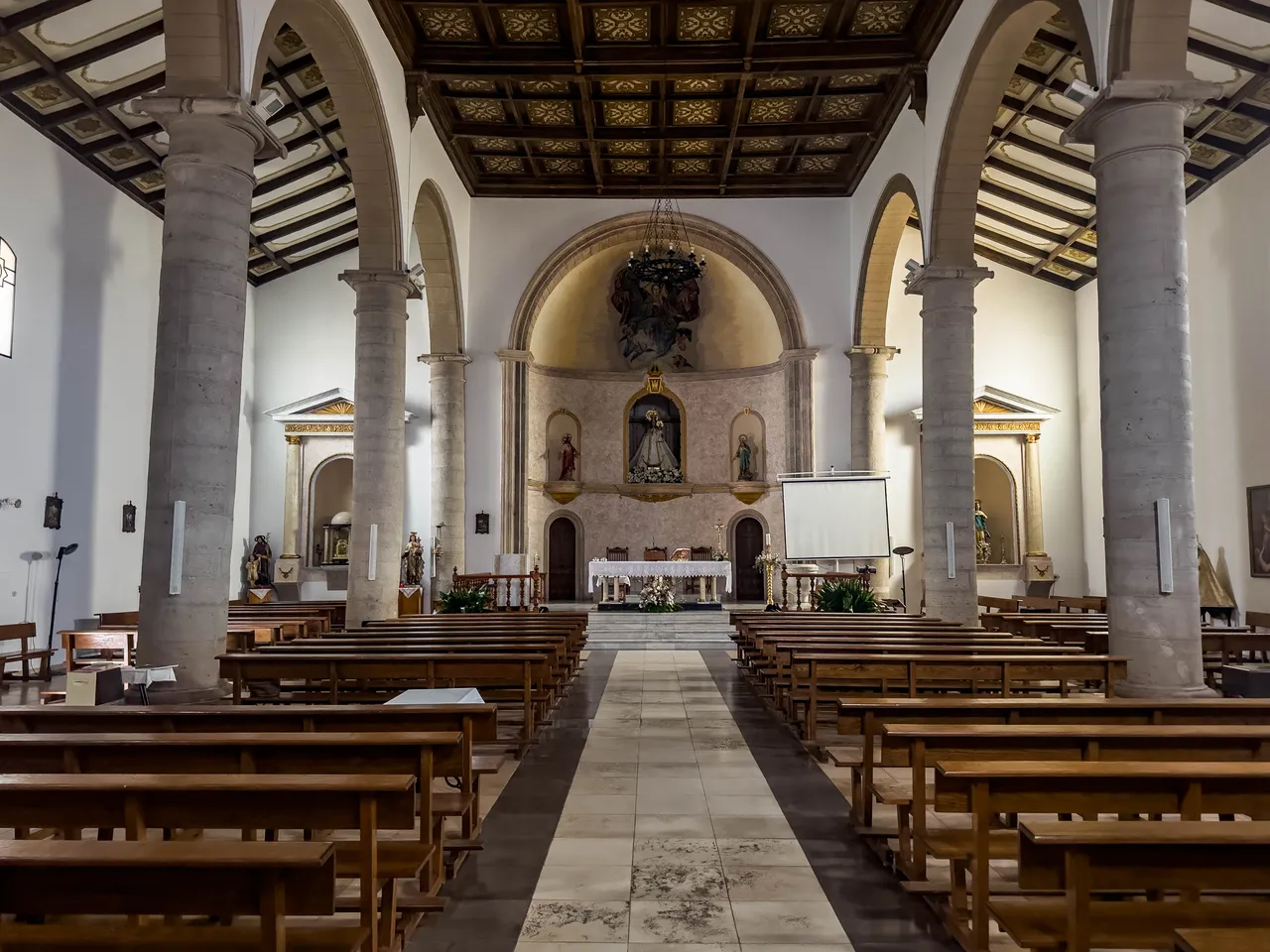
The great jewel of the Renaissance-Mannerist altarpieces of the Campo de Montiel region. The Church of Our Lady of the Elms, declared a Site of Cultural Interest, is a 16th-century Renaissance church with a single nave and vaulted transept, laid out in a Latin cross plan. Its presbytery houses the main altarpiece, commissioned from the sculptor and architect Francisco Cano—a resident of Villanueva de los Infantes and a key figure of Mannerism in La Mancha—in 1581 and completed in 1607 by his successors. Made of polychrome and gilded wood, it measures eight meters wide and thirteen meters high and is the most complete and best-preserved of all those that adorned the churches of the Campo de Montiel. Restored in 2021, it shines once again in all its splendor. The temple also preserves two Baroque altarpieces by Cristóbal García Hidalgo (1759-1762), mural paintings on pilasters and pendentives of the crossing and the famous historical organ of 1763 by Gaspar de la Redonda Zeballos.
Stop 3. Church of Saint Vincent Martyr – Cózar
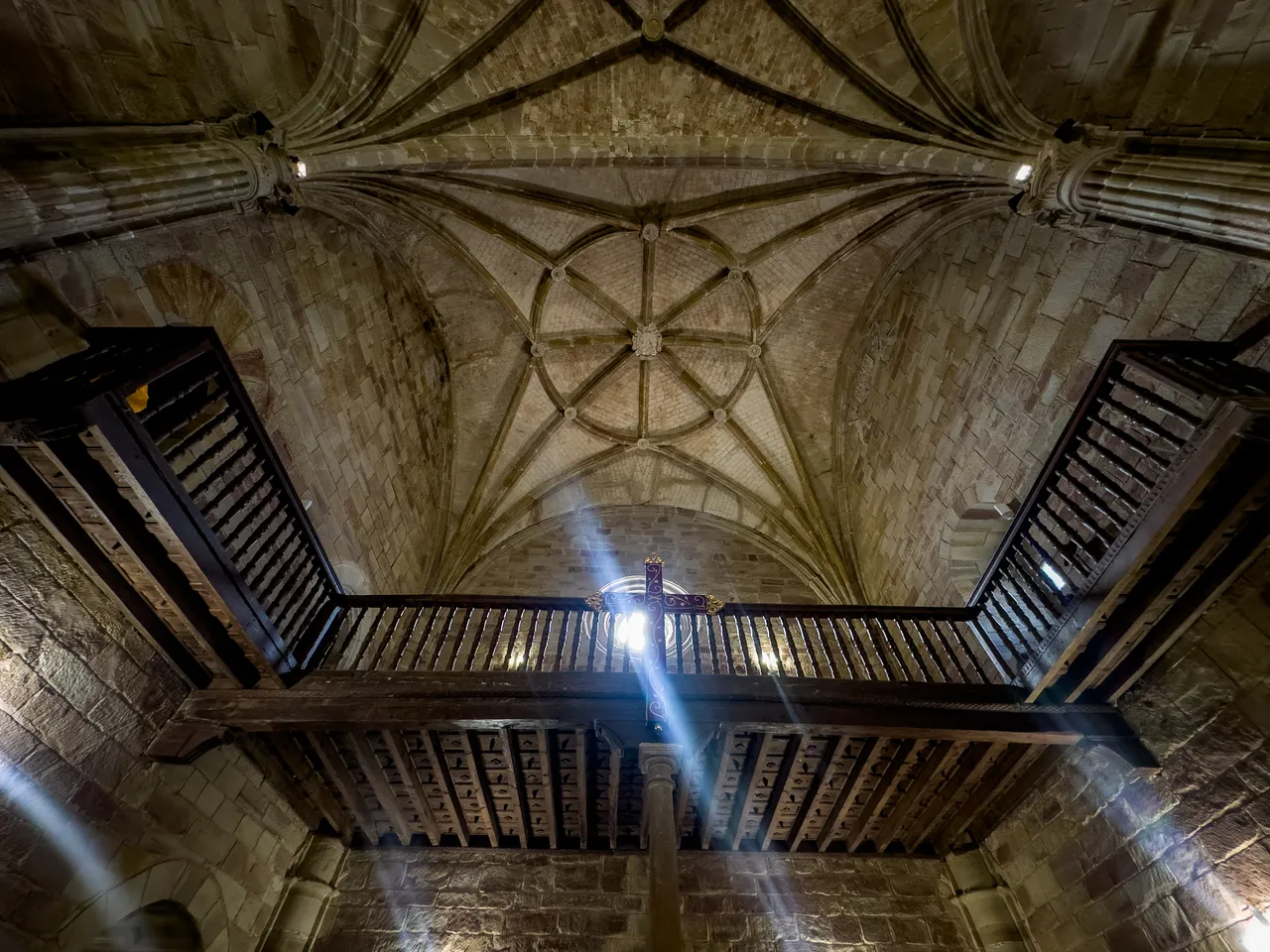
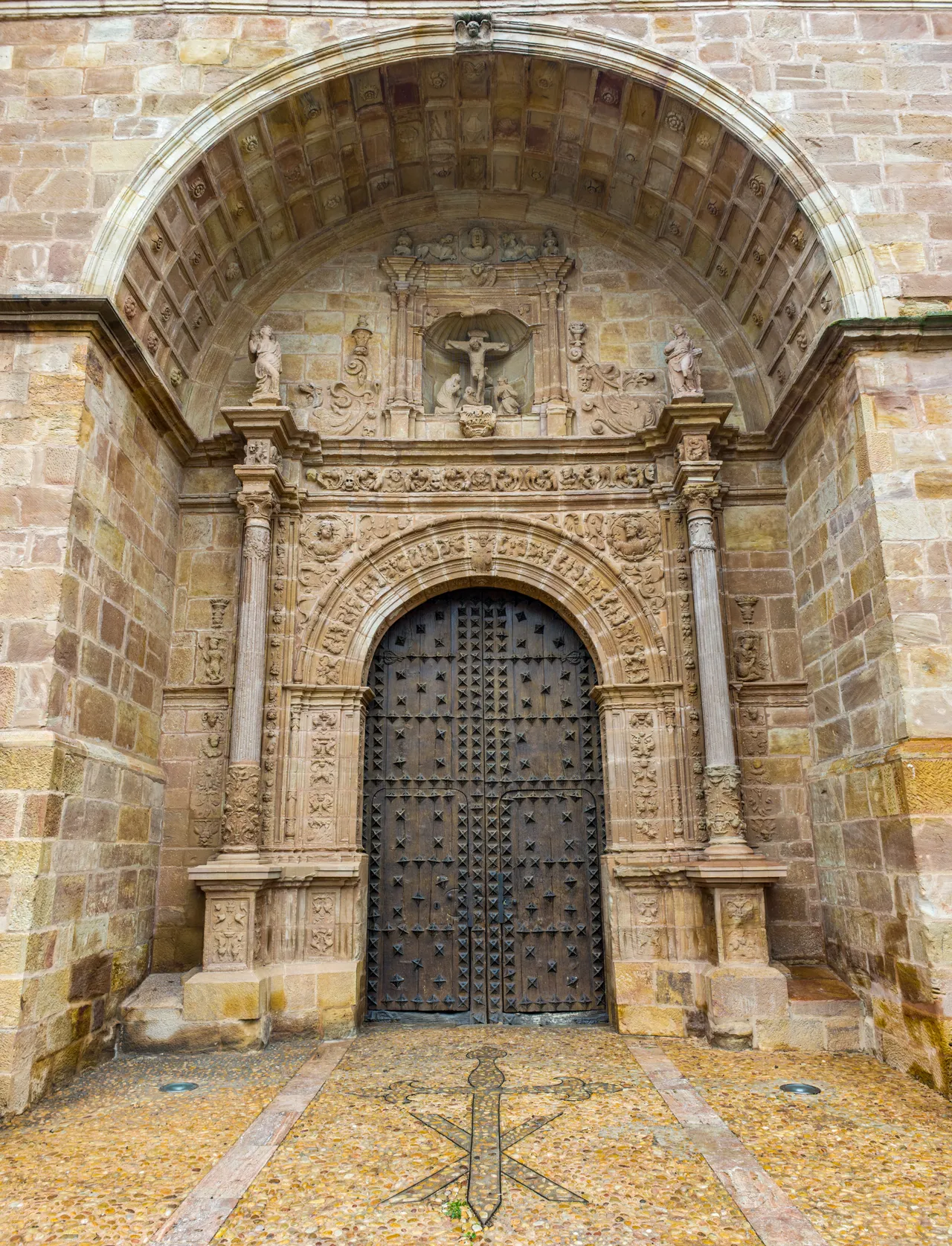
The Church of San Vicente Mártir in Cózar, declared a Historic-Artistic Monument in 1983, is one of the most outstanding Renaissance churches in the province. Built between the late 15th and early 16th centuries, its elongated rectangular floor plan is constructed of reddish sandstone ashlar with robust exterior buttresses topped with pinnacles. The interior, with a single nave featuring engaged half-columns and an entablature with chiaroscuro moldings, is covered with simple ribbed vaults. The most distinctive element is its main portal, a two-tiered Renaissance altarpiece-portal from the 17th century with incipient Baroque elements, containing various scenes of the Calvary and the symbols of the Order of Santiago. This doorway opens onto the cobbled Lonja, one of the most authentic urban spaces in the region.
Stop 4. Yáñez de Almedina Open Air Museum and Church of Santa María – Almedina
The town that gave the Spanish Renaissance its most universal painter. Fernando Yáñez de Almedina was born in this small town in La Mancha at the end of the 15th century. A direct disciple of Leonardo da Vinci in Florence and collaborator on the cartoon for the Battle of Anghiari, he introduced the Leonardo-esque style to Spain, characterized by sfumato, soft faces, and formal clarity that his contemporaries recognized as unique. His most outstanding works can be admired today in the Prado Museum (Saint Catherine of Alexandria, considered his masterpiece, Saint Damian and Saint Anne with the Virgin and Child) and in the cathedrals of Valencia and Cuenca. In 1518, he returned to Almedina to paint the main altarpiece for its parish church, now lost, although the surviving panel arrived at the Prado in 1941. A stroll through Almedina today is like walking through an open-air Renaissance gallery: the Open-Air Museum, with 26 ceramic reproductions of his works, decorates the town's facades. Next to it, the 14th-century Parish Church of Santa María, with its beautiful tower and Gothic details, and the Emperor's Fountain, with its three spouts and the imperial coat of arms of Charles V, are well worth a visit.
Stop 5. Renaissance Monumental Complex – Villanueva de los Infantes
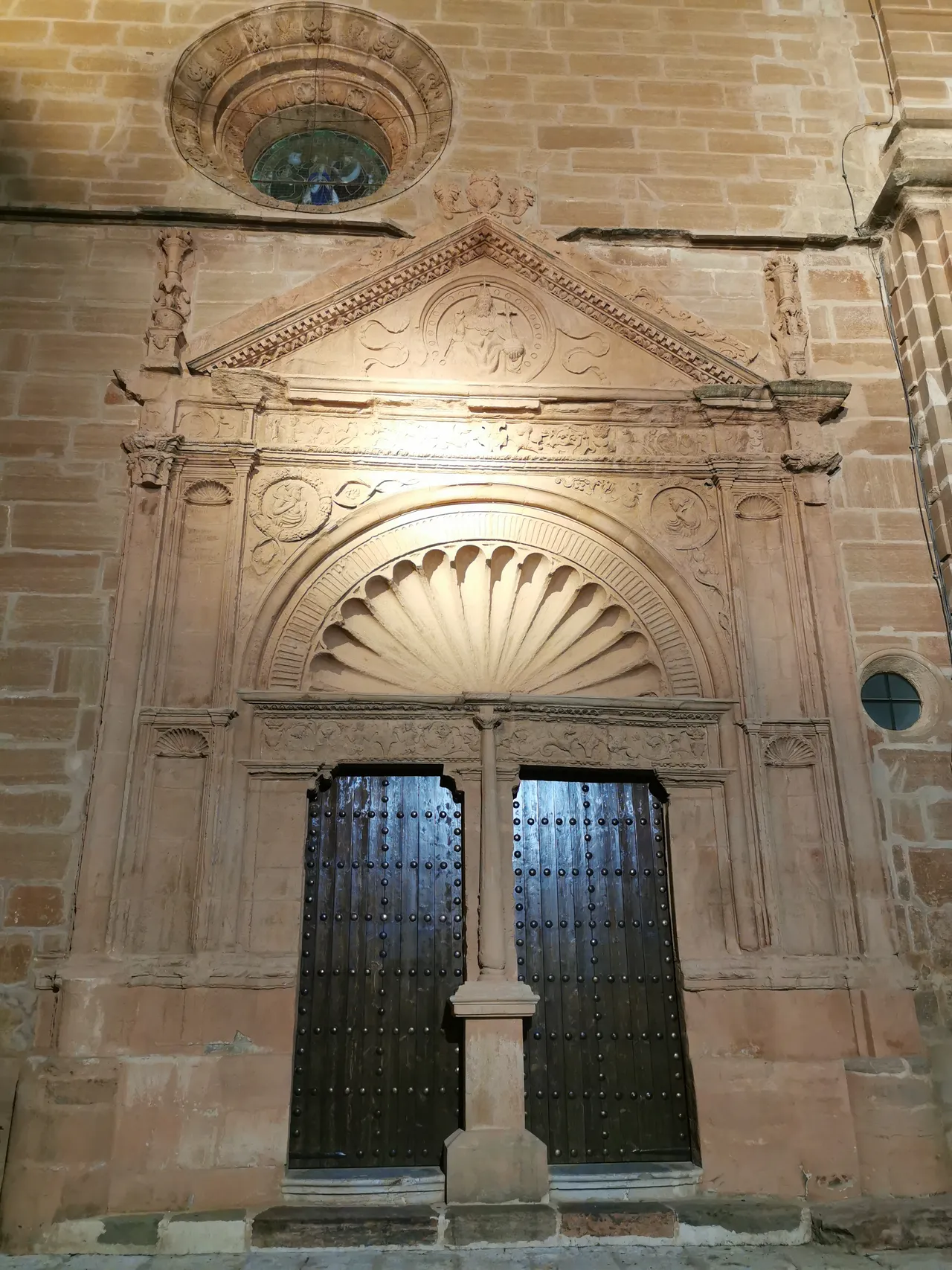
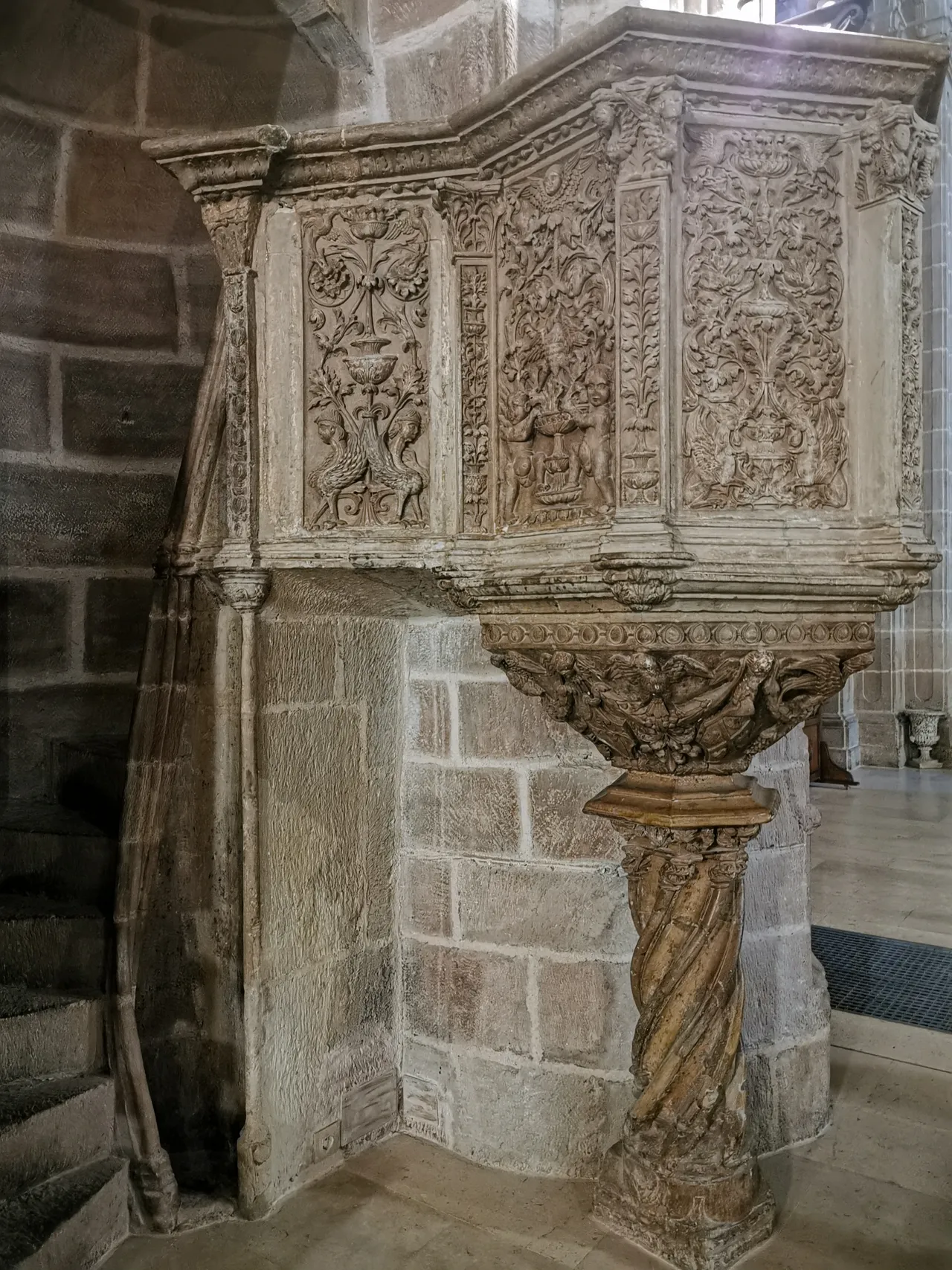
The grand finale: the capital of the La Mancha Renaissance. Villanueva de los Infantes, declared a Historic-Artistic Site in 1974, is the municipality that best concentrates the Renaissance and Mannerist legacy of the Campo de Montiel region. Its Church of San Andrés Apóstol, the centerpiece of the Plaza Mayor, features three portals of exceptional interest: two Plateresque portals attributed to Francisco Luna—father-in-law of the architect Andrés de Vandelvira—and the main Classical portal, created between 1611 and 1614 by Francisco Cano under the direct influence of Herrera's El Escorial and Serlio's treatise. Inside, the 16th-century Plateresque marble pulpit is one of the jewels of La Mancha Mannerism, covered on all four sides with reliefs of amphorae, a phoenix, and sphinxes. The urban environment completes the experience: the 16th-century Renaissance Alhóndiga, the Hospital de Santiago (1631), the Revuelta Palace with its courtyard of pseudo-Ionic columns and more than 160 heraldic shields on stone portals and facades form the most important Renaissance and Baroque civil complex in the province of Ciudad Real.
Practical information
📍Villamanrique
Meeting point:
Church of Saint Andrew the Apostle, Plaza de la Constitución, s/n, 13331 Villamanrique (Ciudad Real)
Contact City Hall:
Tel: 926354009
Web: villamanrique.net
Email: info@villamanrique.net
The church is open to the public, respecting worship times. For information on the Casa Grande (Casa de los Manrique), please consult the Town Hall or Tourist Office.
📍Tower of John the Abbot
Meeting point:
Church of Our Lady of the Elms, Plaza de la Iglesia, s/n, 13344 Torre de Juan Abad (Ciudad Real)
Contact:
Town Hall Tel.: 926 383807
Mail: administracion@torredejuanabad.es
Free access respecting religious practices.
Quevedo House-Museum:
Schedule:
Winter:
Wednesday to Friday: from 10:00 to 14:00 and from 17:00/18:00
Saturdays: from 11:00 to 14:00 and from 17:00 to 19:00
Summer:
Wednesday to Friday: from 10:00 to 14:00 and from 17:30/18:30
Saturdays: from 11:00 to 14:00 and from 18:00 to 20:00
📍Cozar
Meeting point:
Meeting point:
Church of Saint Vincent Martyr, Calvario Street, 6, 13328 Cózar (Ciudad Real)
Contact City Hall:
Tel: 926365101
Web: cozar.es
Email: aytocozar@cozar.es
Free access, respecting worship times
📍Almedina
Meeting point:
Yáñez de Almedina Open Air Museum, Plaza Mayor, s/n, 13336 Almedina (Ciudad Real)
Contact:
Tel: 926356427
Web: almedina.es
Mail: secretariaalmedina@gmail.com
The Open-Air Museum is free to enter all day. For the Church of Santa María, please check availability with the Town Hall.
📍Villanueva de los Infantes
Meeting point:
Church of San Andrés, Plaza Mayor, s/n, 13320 Villanueva de los Infantes (Ciudad Real)
Tourist Office Contact:
Tel: 926361321
Email: turismo@infantes.org
Web: tourismvillanuevadelosinfantes.es
Church of Saint Andrew: Free access respecting worship times.
For guided tours of the historical site, please consult the Tourist Office.
Church of San Andrés: free access respecting worship times. For parish museums and guided tours, please consult the Tourist Office.
♿ Accessibility:
The nature of these historical tourist resources limits accessibility for people with reduced mobility.
Emergencies: 112
Civil Guard: 062
Villamanrique Health Centre: 926 378 140
Torre de Juan Abad Health Centre: 926 376 019
Cózar Health Center: 926 361 065
Almedina Health Centre: 926 361 065
Villanueva de los Infantes Health Centre: 926 361 065
Points of interest on this route
Order of Santiago Barracks, C. Cervantes, 11, Villanueva de los Infantes
C. Don Tomás the Doctor, 42, Villanueva de los Infantes
C. Santo Tomás, 39, Villanueva de los Infantes
C. Ramón Herrera, 3, Villanueva de los Infantes
Dr. Alberdi Square, Villanueva de los Infantes
C. Cervantes, 12, Villanueva de los Infantes
C. Cervantes, 11, Villamanrique
C. Rey Juan Carlos, I, 19, 13320 Villanueva de los Infantes, Ciudad Real
C. Ramón Herrera, 3, Villanueva de los Infantes
C. San Antón, 1, Torre de Juan Abad
C. Jerónimo Frías, 23, Villamanrique
Plaza Mayor, 1, Villanueva de los Infantes
C. Maestro Lara, 2, Cózar
C. Mayor, 11D, Almedina
C. Gral. Pérez Ballesteros, 1, Villanueva de los Infantes
Almedina
C. San Antón, 1, Torre de Juan Abad
Municipalities on the route
926 356 427
https://almedina.es/
secretariaalmedina@gmail.com
926 365 101
https://www.cozar.es
aytocozar@cozar.es
926 383 001
https://torredejuanabad.es/
administracion@torredejuanabad.es
926 354 009
https://www.villamanrique.net
info@villamanrique.net
926 360 024
https://infantes.org
info@infantes.org
Other routes
Discover other nearby routes that may also interest you
Baroque Art Route
During the 17th and 18th centuries, the Campo de Montiel region was one of the areas of greatest artistic ferment in Castilla-La Mancha. The consolidation of a prosperous local nobility linked to the Order of Santiago and the influence of the Counter-Reformation spurred the construction of sumptuous portals, altarpieces with Solomonic columns, soaring bell towers, convents, hospitals, and civic palaces that still grace the urban landscape of the region today. This route, which...
Distance
110 km
Duration
2 days
Difficulty
Easy
Municipality
Several
Golden Age Literature
The Campo de Montiel region was the birthplace and refuge of the leading authors and figures of Spanish Golden Age literature. Therefore, we propose a route that includes the main locations where history continues to unfold even today.
Distance
43 km
Duration
2 days
Difficulty
Easy
Municipality
Several
Don Quixote's Trail through the Ruidera Lakes
In chapters XXII through XXIV of Part Two of Don Quixote, Cervantes sends Don Quixote of La Mancha, accompanied by Sancho Panza and a student who is a cousin of the skilled licentiate, to descend into the Cave of Montesinos. There, the knight dreams that he finds the characters of the Carolingian ballads enchanted by the wizard Merlin, and that the Lady Ruidera, her seven daughters, and two nieces have been transformed into the lagoons that bear her name, while her squire, Guadiana, has become a river. This route continues...
Distance
35 km
Duration
1 day
Difficulty
Easy
Municipality
Ruidera and Ossa
Gothic Route – Milky Way
Medieval Christian tradition identified the Milky Way with the Camino de Santiago: that path of stars crossing the night sky was the silent guide leading pilgrims to Compostela. We propose a metaphorical journey through stars sculpted in stone by the ribbed vaults, whose ribs intertwine like constellations to support the firmament of the churches that the Order of Santiago erected throughout the Campo de Montiel. No other territory in Castilla-La Mancha...
Distance
120 km
Duration
2 days
Difficulty
Easy
Municipality
Several
Mixed
Route of the Castles
Few regions have managed to preserve a landscape dotted with as many castles as the Campo de Montiel. More than thirty fortresses mark its geography, a legacy of centuries of frontier between Islam and Christianity, whose main protagonist was the Order of Santiago.
Distance
27 km
Duration
1 day
Difficulty
Easy
Municipality
Several
Mixed
Starry skies
The Campo de Montiel, a Starlight Destination, offers high-quality skies and astronomical viewpoints in Alhambra, Villahermosa and Ruidera to enjoy stargazing tourism.
Distance
40 km
Duration
1 day
Difficulty
Easy
Municipality
Several


© Campo de Montiel - 2026