Pirra's House

C. Don Tomás the Doctor, 42, Villanueva de los Infantes

About this place

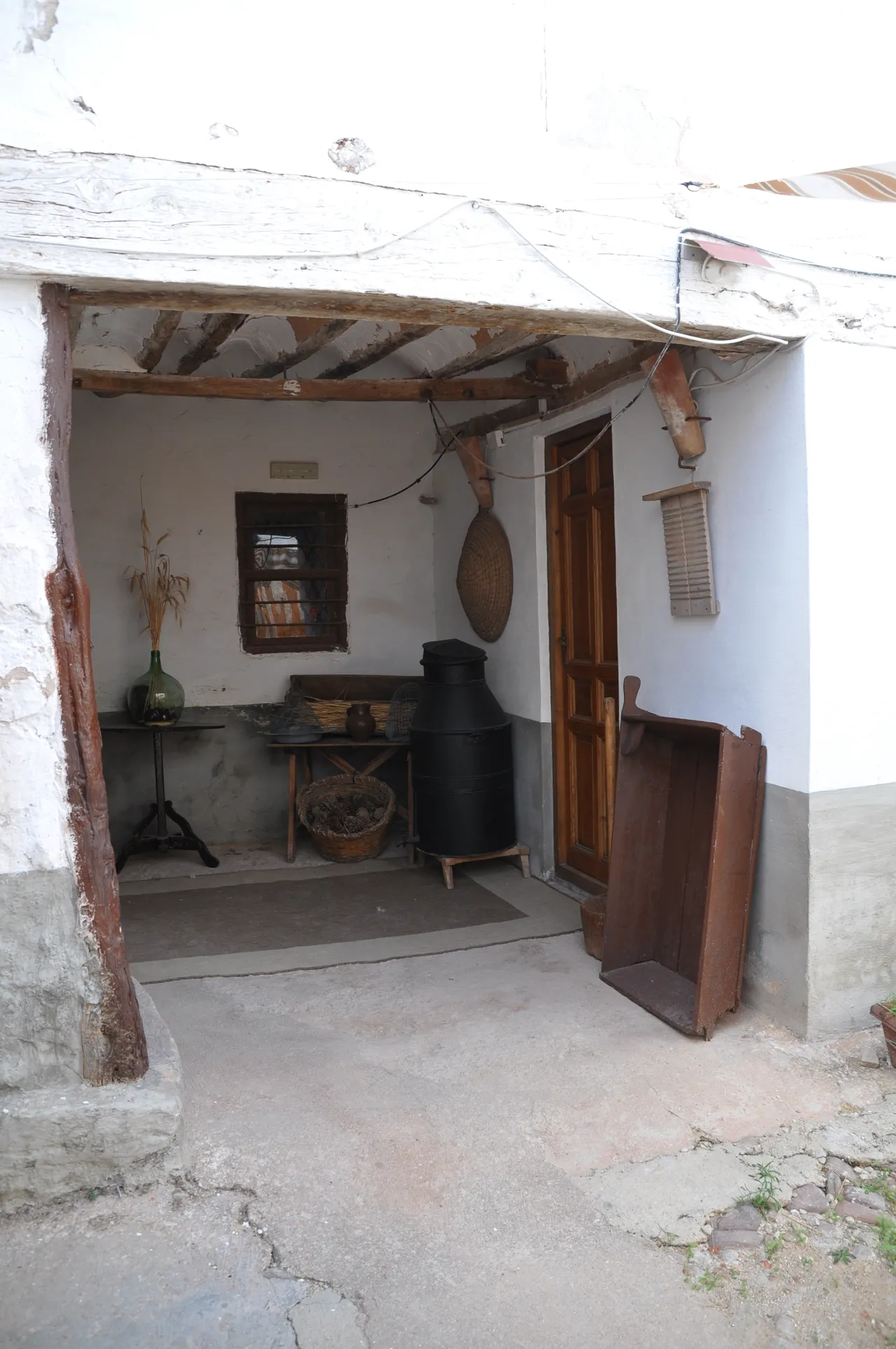
The House of the Pyrrha is one of the buildings that best complete the reading of the historic civil architecture of Villanueva de los Infantes.

Integrated into the historic center, it forms part of that group of main houses that explain the urban, social and representative weight achieved by the town during the Modern Age.

Its interest lies both in its own values and in its ability to reinforce the stately image of the town's monumental streets.

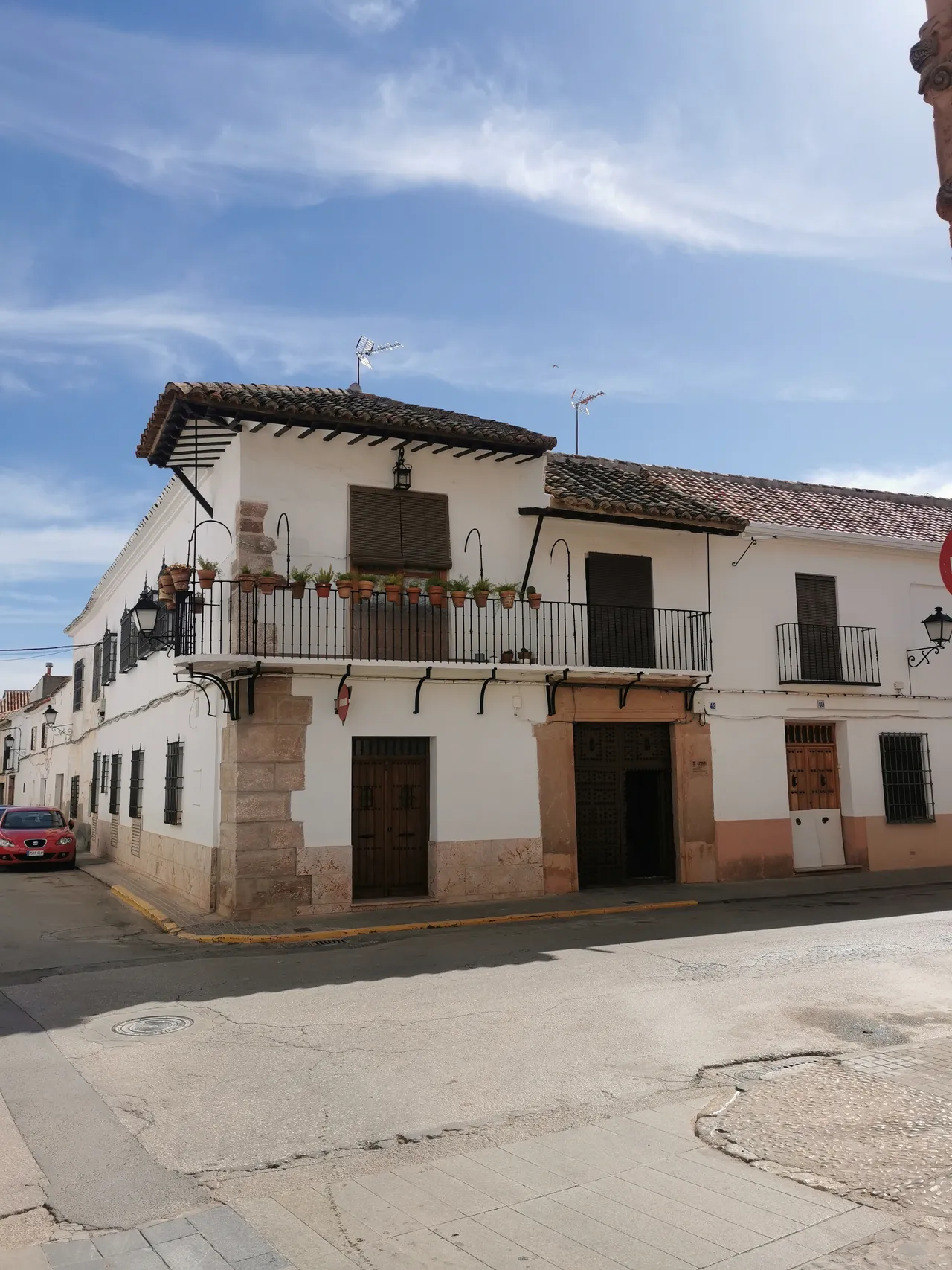
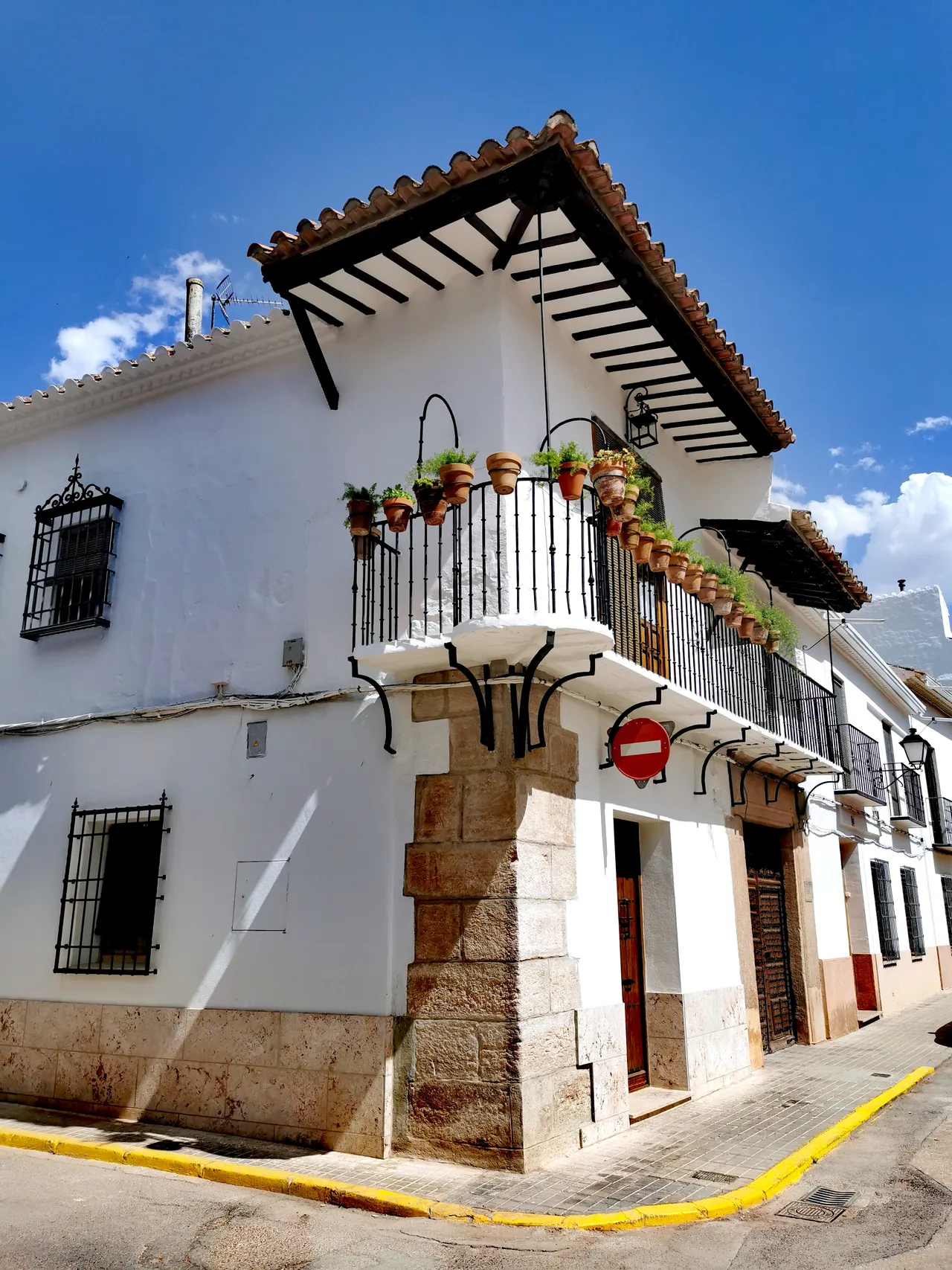
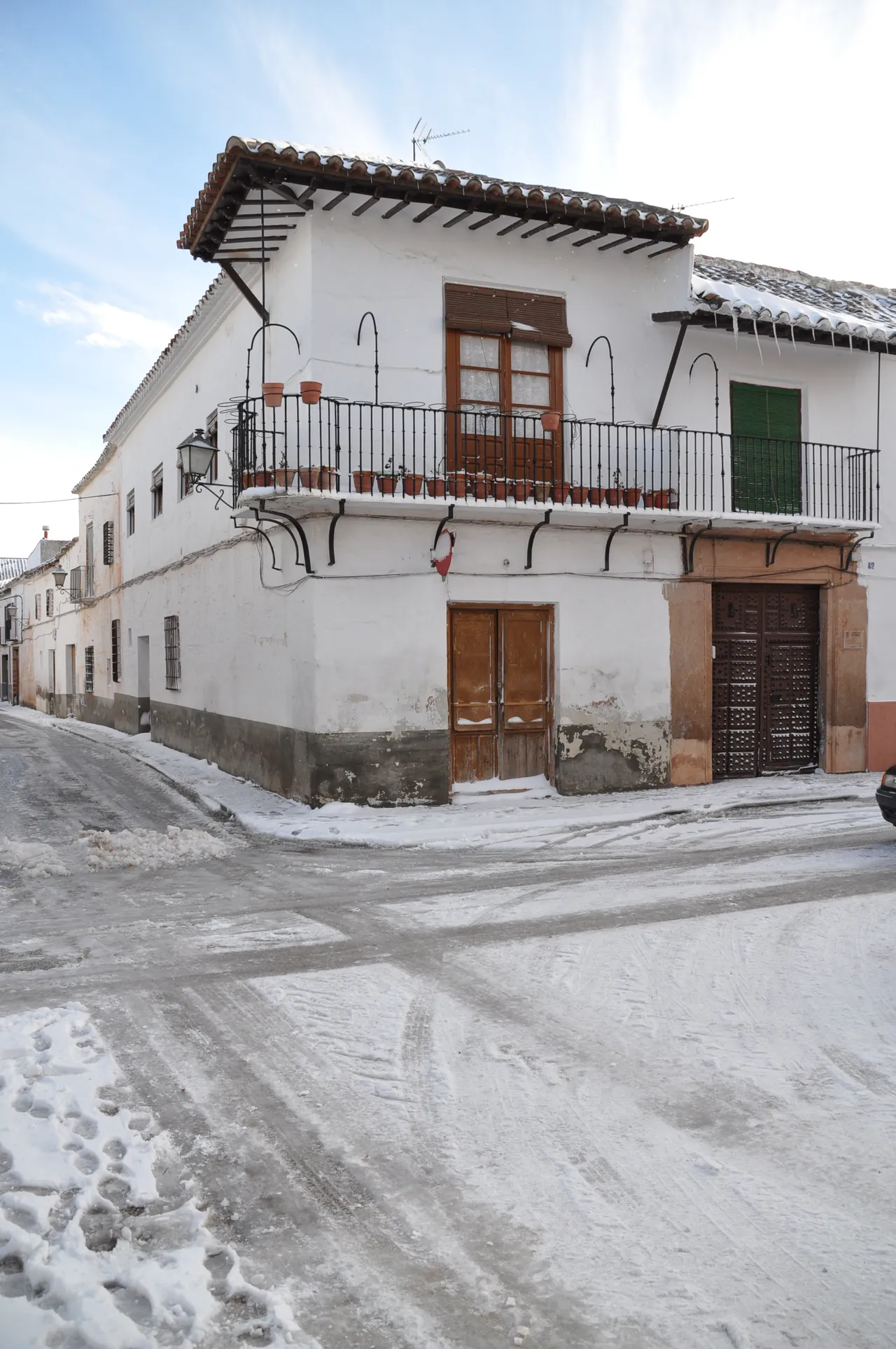
From an architectural point of view, it stands out for its stone facade, resolved in the ground floor through a lintel doorway with moldings.

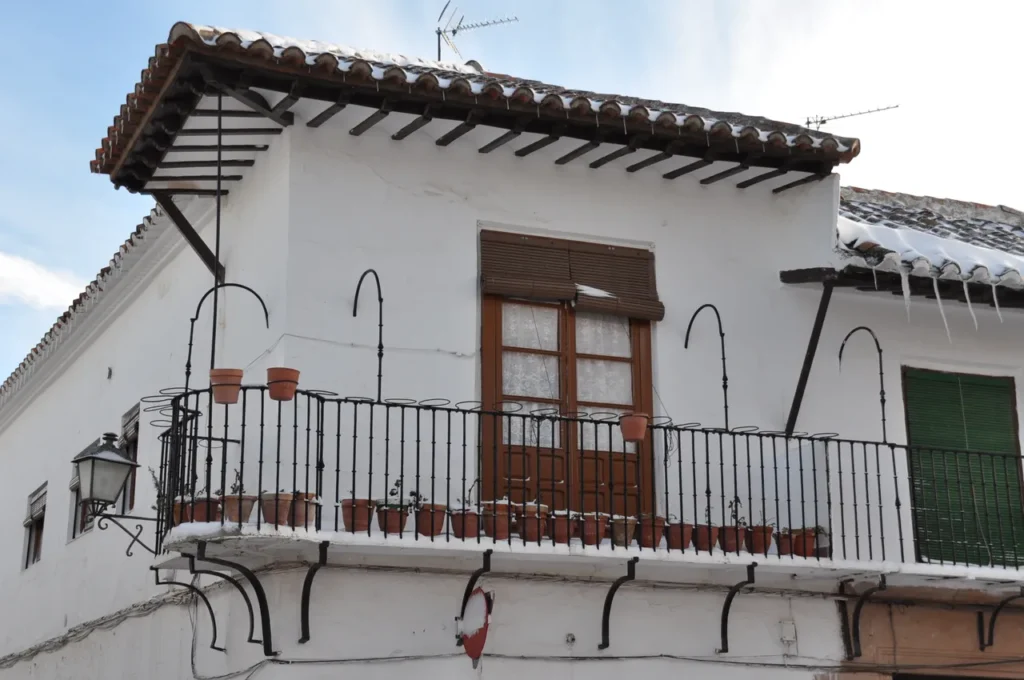
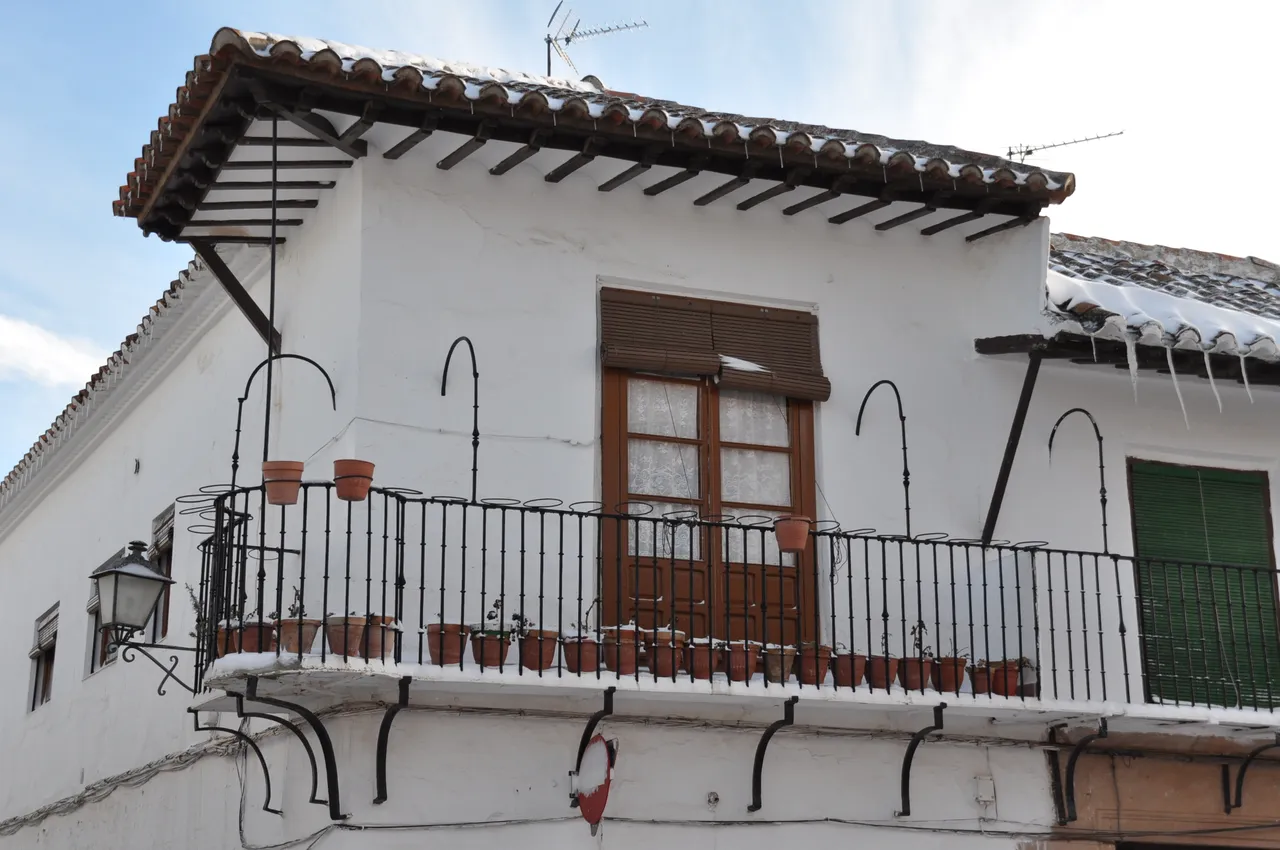
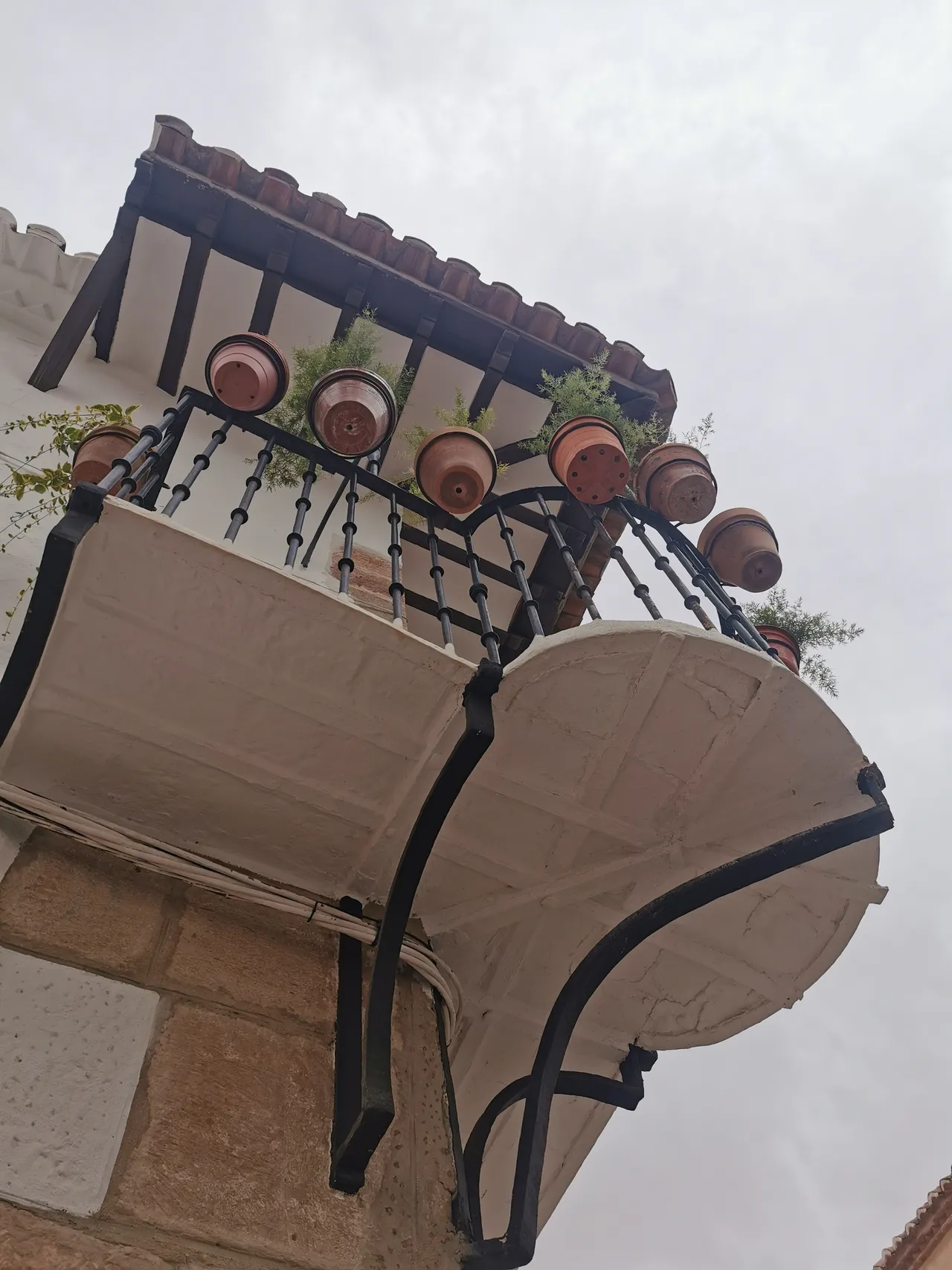
On the upper floor it stands out a continuous corner balcony, one of the elements that gives it greater personality within the historic hamlet.

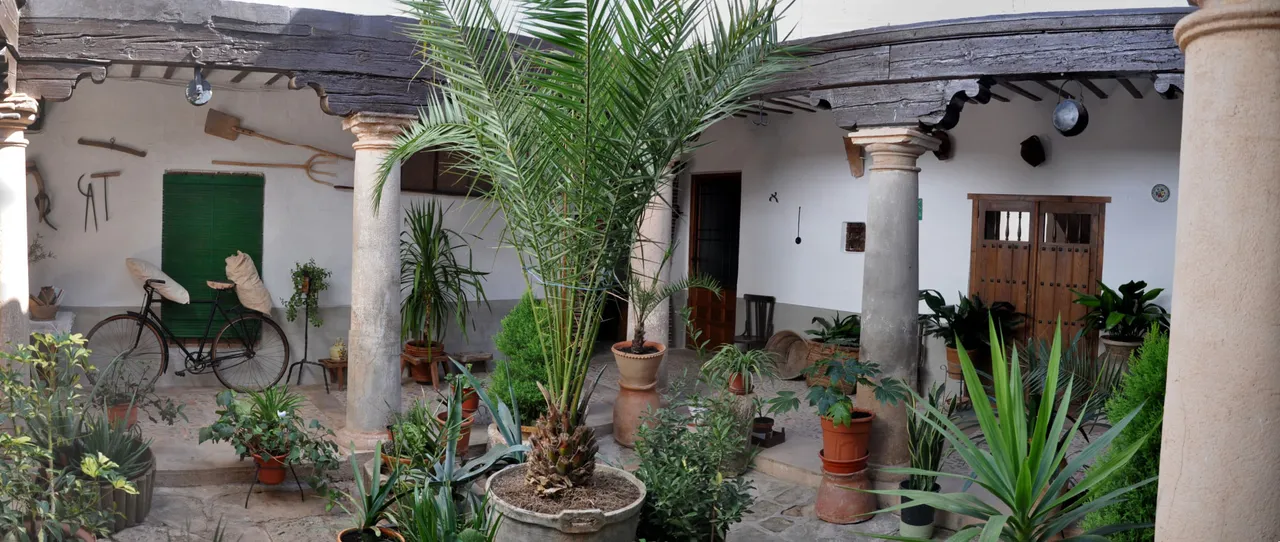
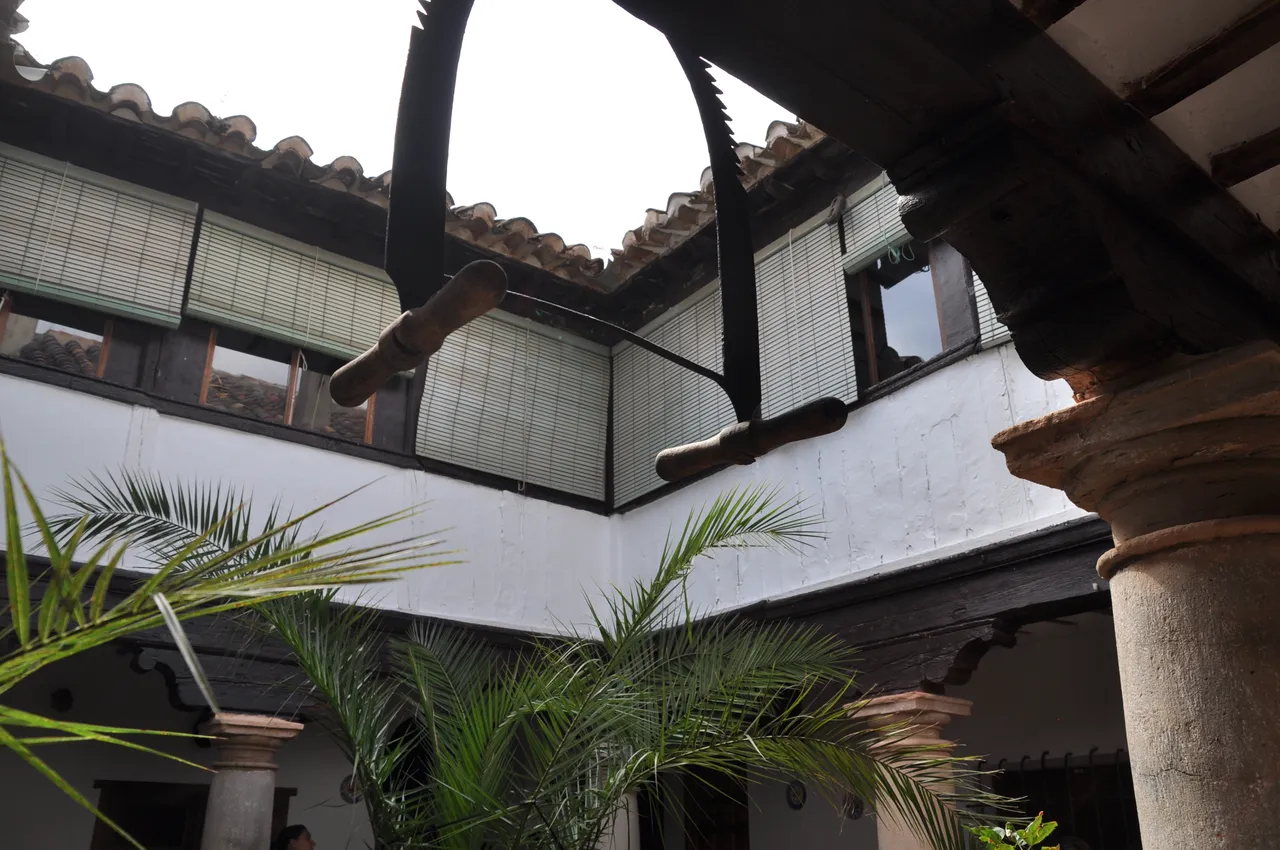
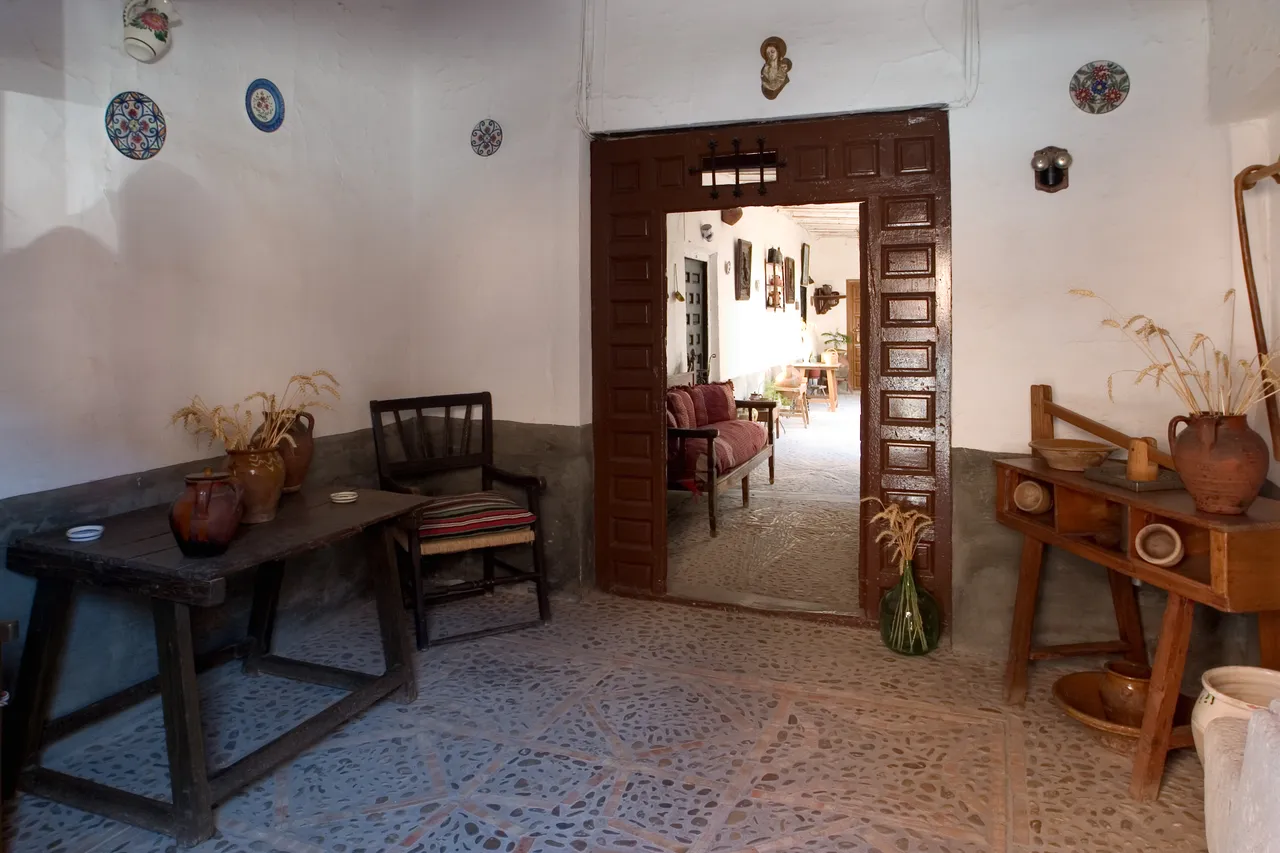
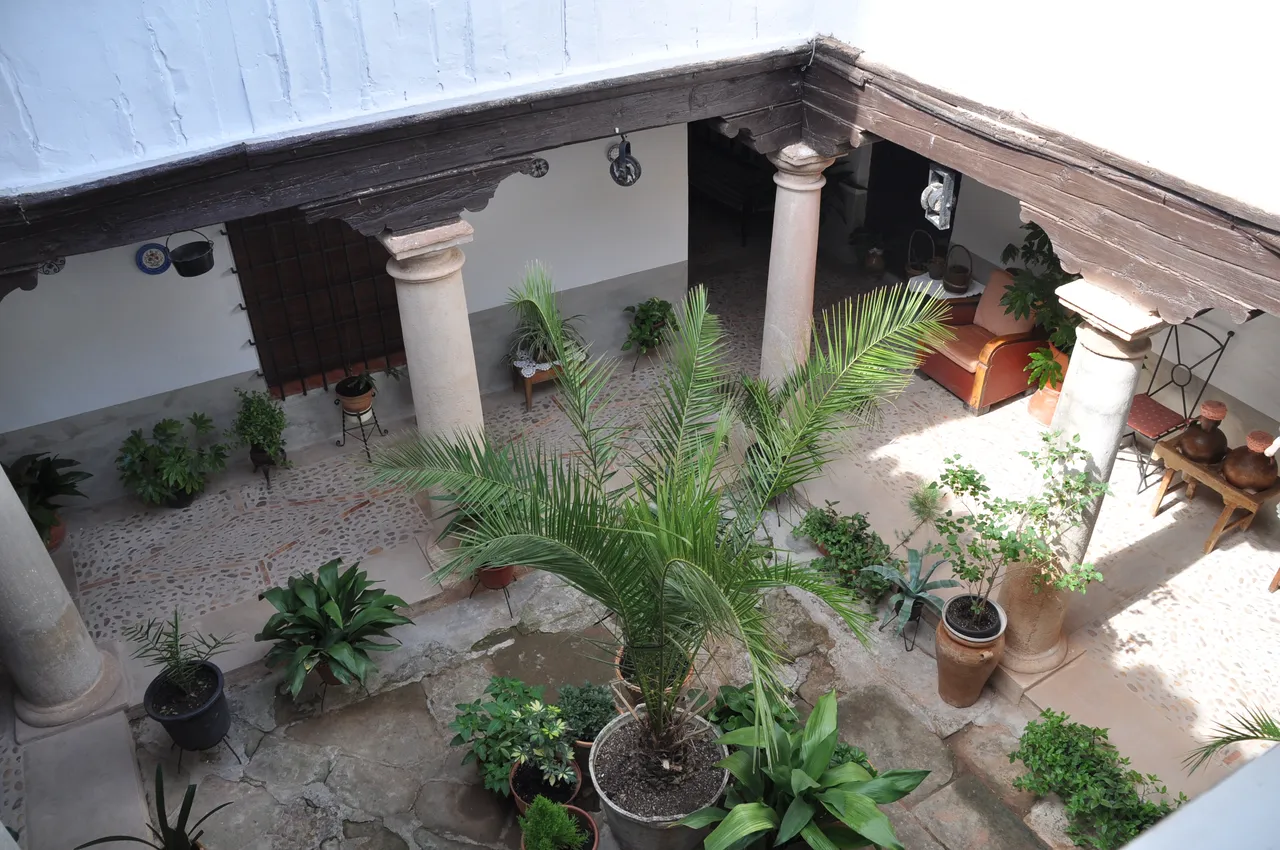
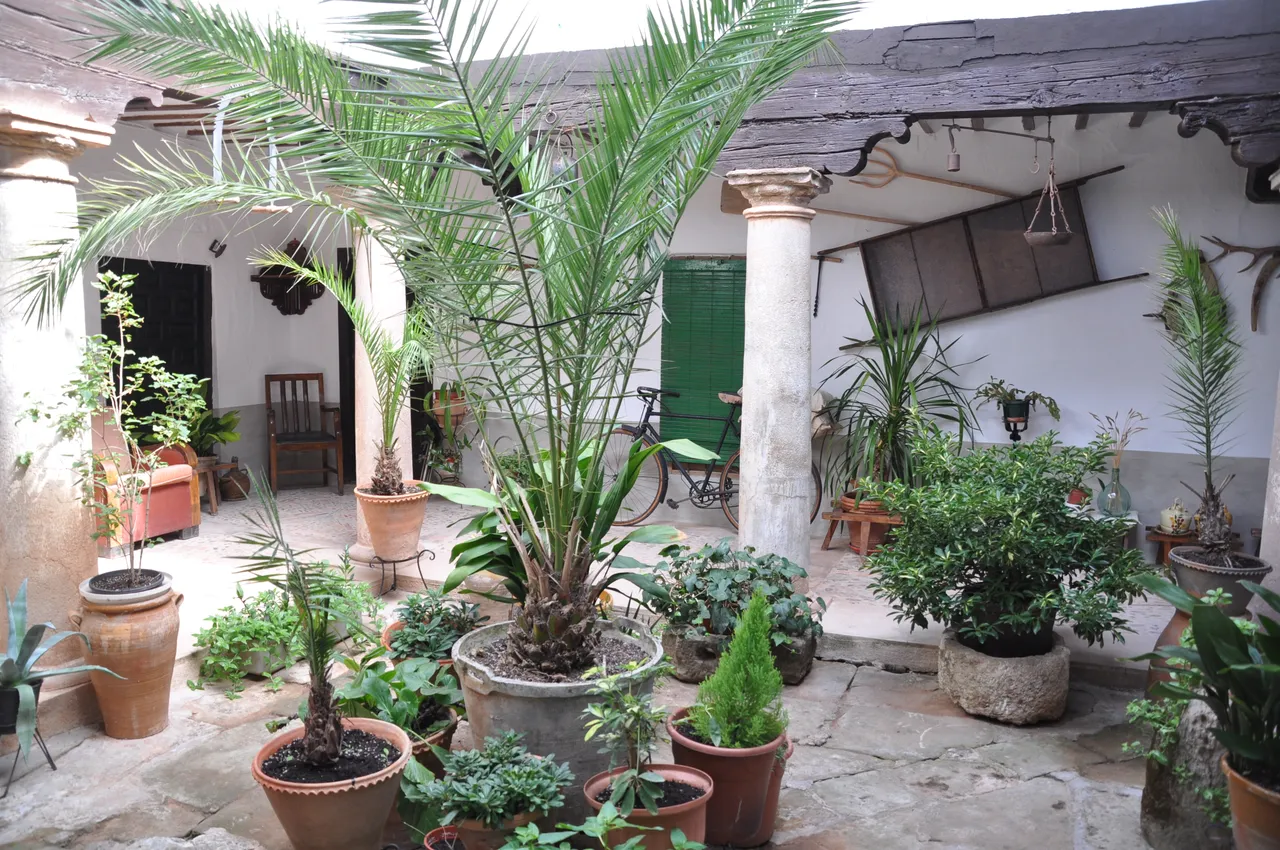
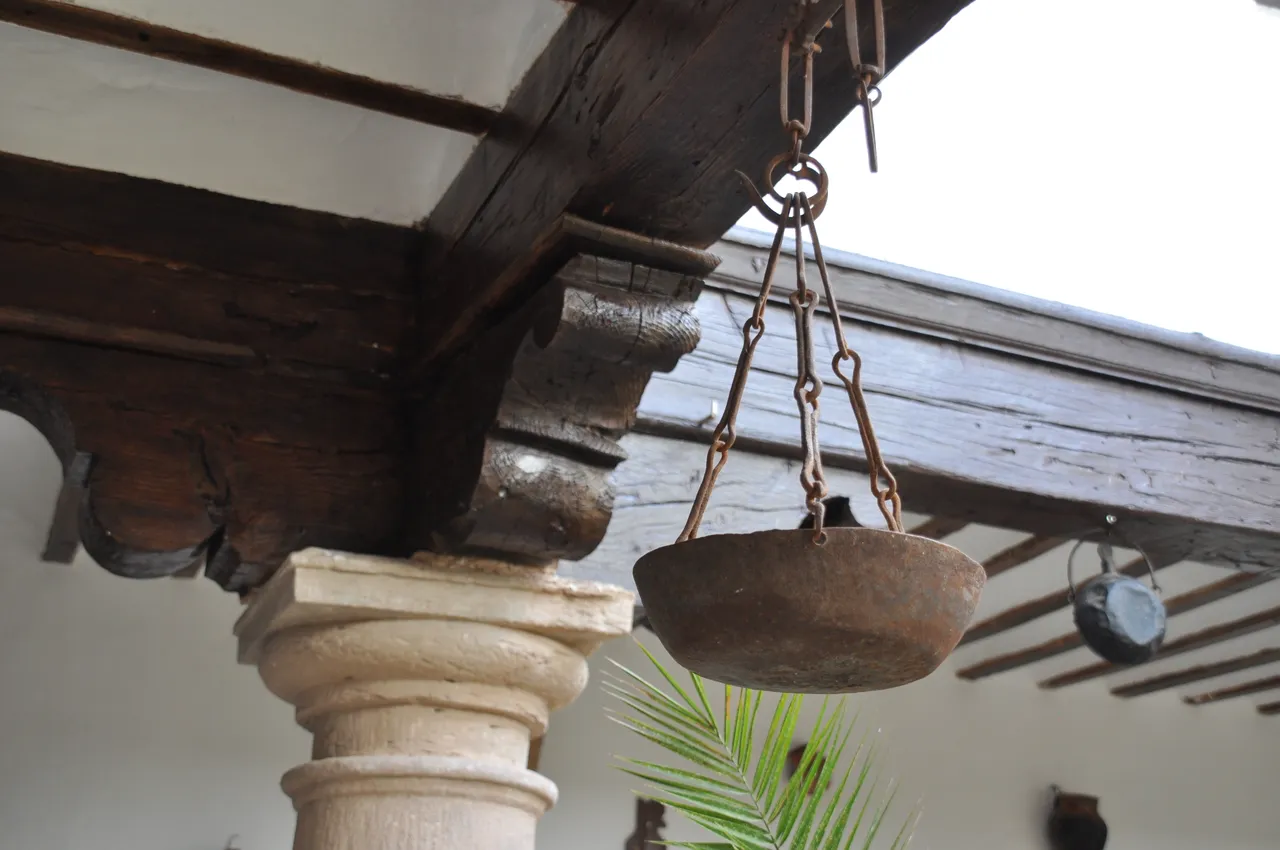
Added to this is an overhang with corbels and an interior organization around a square courtyard with porticoes on Doric columns, features that make it a good example of a main residence linked to the architectural tradition of Infante.

Your visit takes on special meaning when integrated into the tour of the historic center, along with other palaces, manor houses and public buildings of Villanueva de los Infantes.

Rather than as an isolated piece, the Casa de la Pirra should be viewed as part of a coherent urban landscape, where noble domestic architecture contributes decisively to the monumental character of the town.

It is, therefore, a very suitable stop to understand how civil heritage also participates in the historical identity of the town.

Useful information and location map

  • Look at the stonework entrance and the moldings on the facade.
  • Observe the continuous corner balcony, one of its most unique features.
  • Relate it to the group of manor houses in the historic center.
  • Complete the visit with a tour of the Plaza Mayor and the rest of the civil architecture of Villanueva de los Infantes.

VISUAL GALLERY

Explore the resource

Discover every corner of this resource through our multimedia collection

Pirra's House a bird's-eye view

Other resources in the same municipality

Discover more things to visit that are nearby

C. Ramón Herrera, 3, Villanueva de los Infantes

Wheelhouse

C. Gral. Pérez Ballesteros, 1, Villanueva de los Infantes

The Alhóndiga

C. Frailes, 1, Villanueva de los Infantes

Quevedo's Cell

Dr. Alberdi Square, Villanueva de los Infantes

House of the Arch

Order of Santiago Barracks, C. Cervantes, 11, Villanueva de los Infantes

Barracks of the Knights of Santiago

C. Rey Juan Carlos, I, 19, 13320 Villanueva de los Infantes, Ciudad Real

Ballesteros Palace House

Routes where this resource appears

Baroque Art Route

During the 17th and 18th centuries, the Campo de Montiel region was one of the areas of greatest artistic ferment in Castilla-La Mancha. The consolidation of a prosperous local nobility linked to the Order of Santiago and the influence of the Counter-Reformation spurred the construction of sumptuous portals, altarpieces with Solomonic columns, soaring bell towers, convents, hospitals, and civic palaces that still grace the urban landscape of the region today. This route, which...

Distance

110 km

Duration

2 days

Difficulty

Easy

Municipality

Several

Renaissance Art Route

The Campo de Montiel region boasts one of the most remarkable collections of Renaissance architecture and visual arts in Castilla-La Mancha. Throughout the 16th century, the economic prosperity fostered by the Order of Santiago and a flourishing local nobility financed churches, Plateresque portals, Mannerist altarpieces, and stately homes that still stand as the most visible testament to the region's splendor. It was also in this landscape that Fernando Yáñez de Almedina, a direct disciple of Leonardo da Vinci, was born.

Distance

75 km

Duration

1 day

Difficulty

Easy

Municipality

Several