Santiago Hospital

C. Ramón y Cajal, 12, Villanueva de los Infantes

About this place

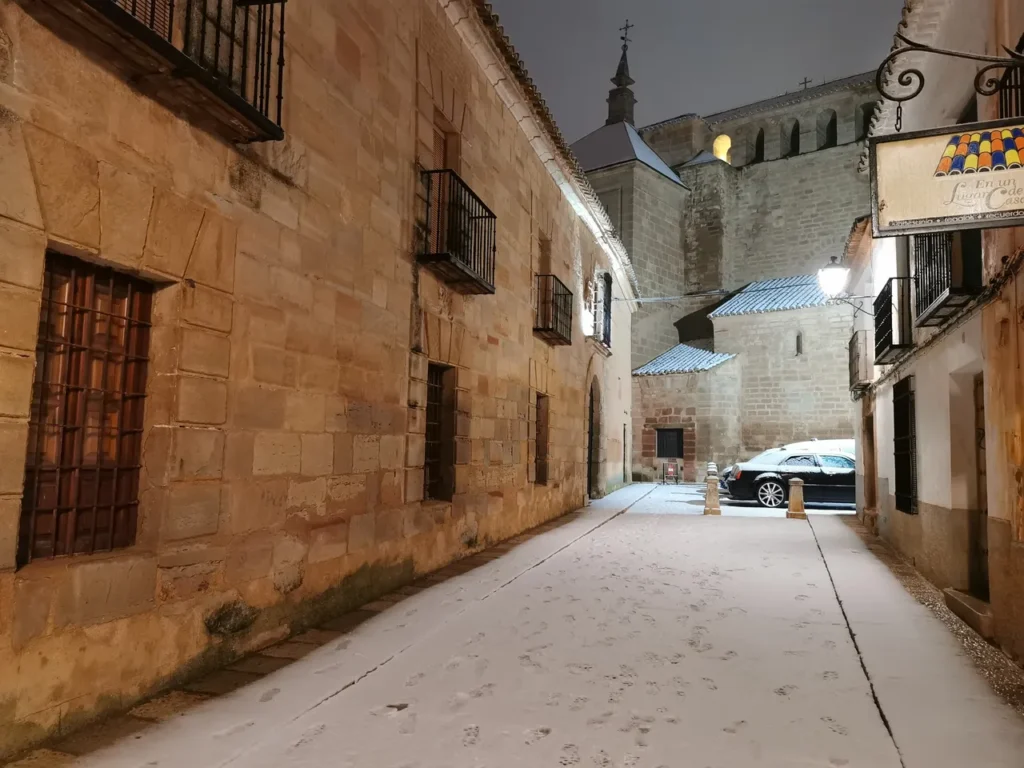
The Hospital of Santiago is one of the most unique historical buildings in Villanueva de los Infantes, because it brings together in one space the town's healthcare history and a new cultural life linked to the conservation of its ethnographic heritage.

Your visit allows approach an institution of medieval origin linked to shelter for the poor, the sick, and travelers, a very characteristic function of this type of establishment in the historical centers of Campo de Montiel.

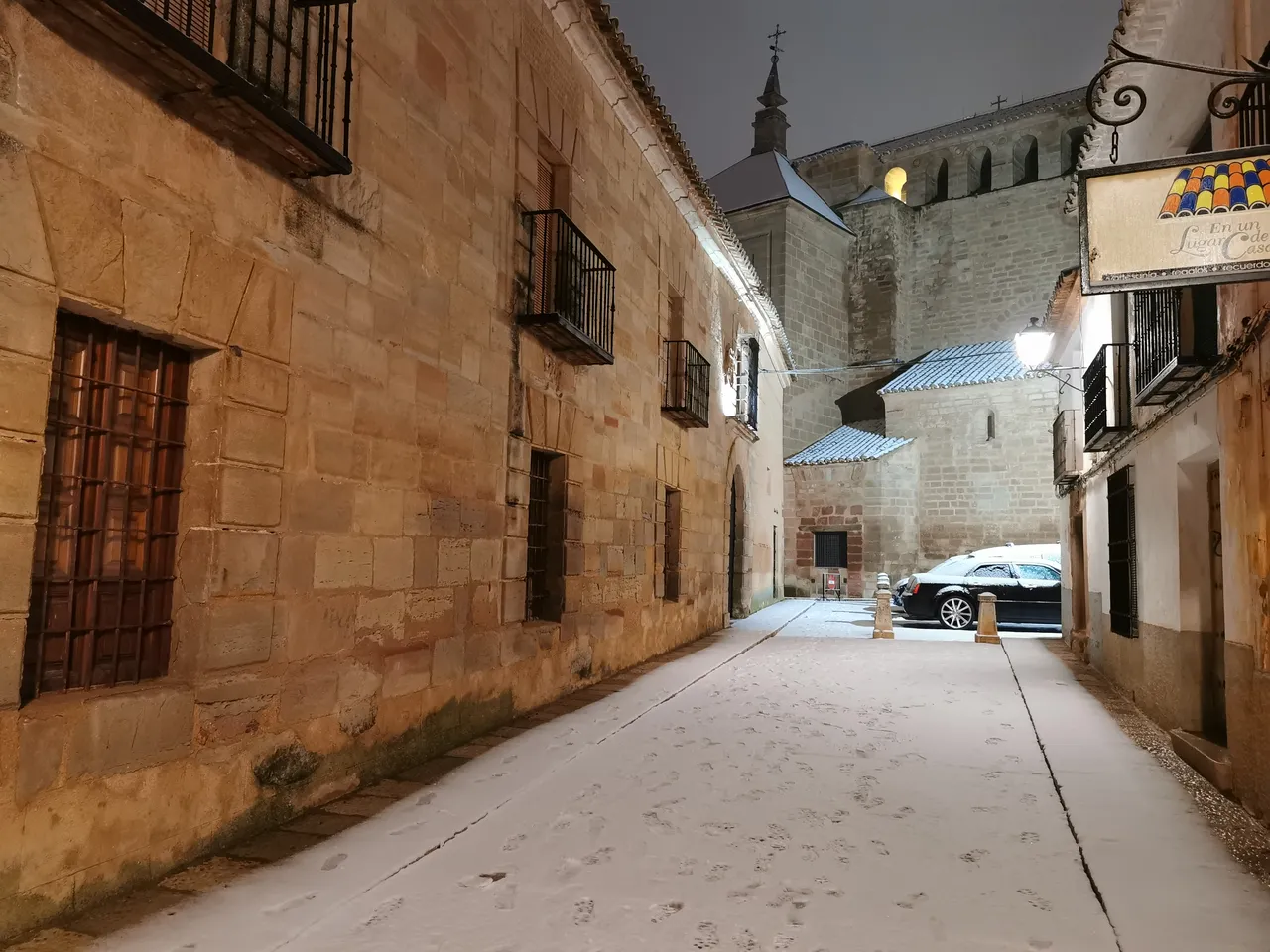
Although the hospital already appears cited in the time of Philip II, The current building actually responds to an important Reconstruction promoted by the Order of Santiago between 1631 and 1636, as the inscription preserved on the facade reminds us.

This chronology places it within the great stage of urban and monumental consolidation of Villanueva de los Infantes, and also reinforces its close relationship with the Santiago imprint that marked the history of the town for centuries.

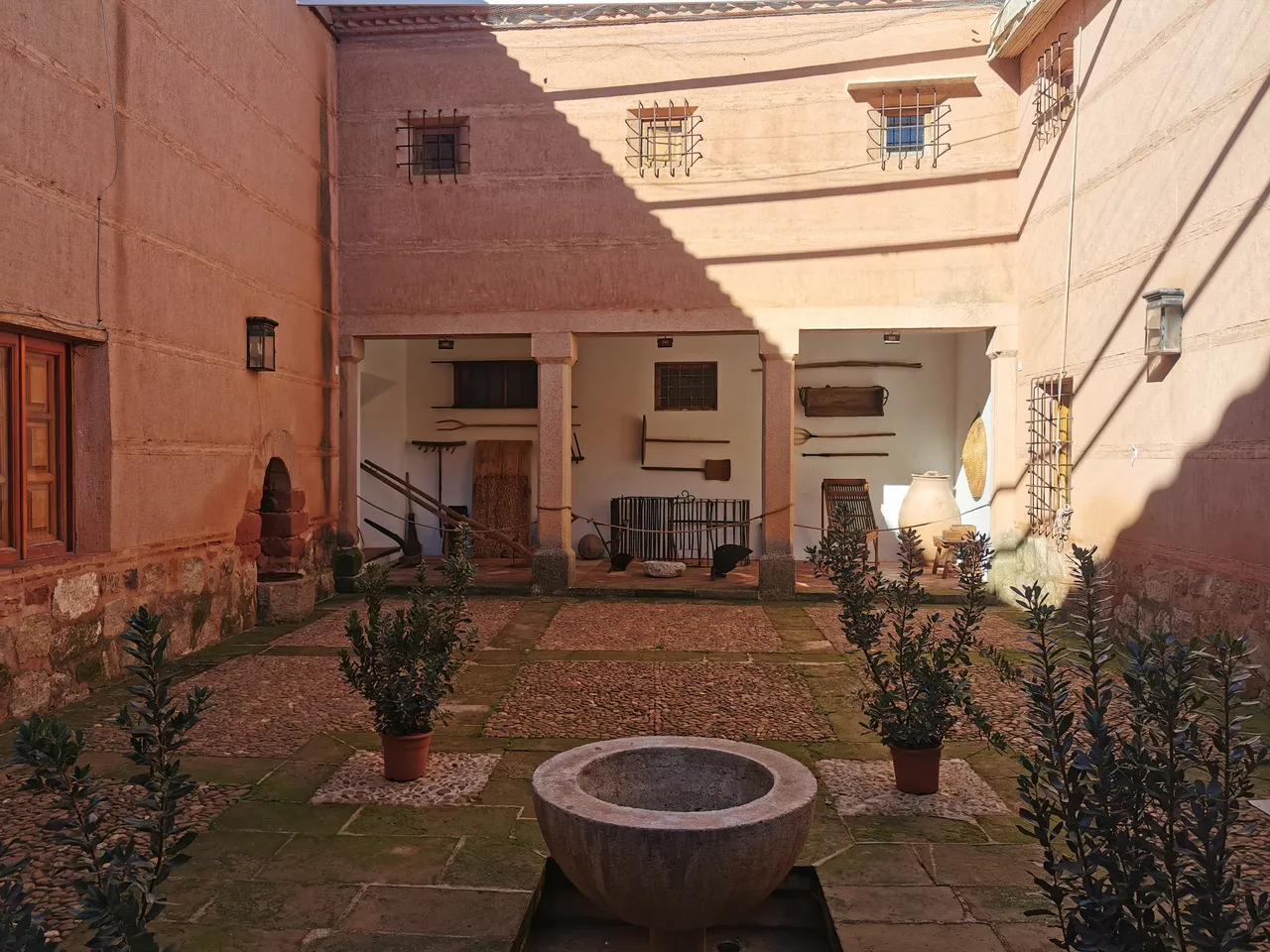
After his rehabilitation, the The building now houses the Museum of Ethnographic Art, with an epermanent exhibition dedicated to the traditional rural world.

The collection brings together furniture, utensils, clothing, and everyday objects from the 19th and 20th centuries, organized in rooms that evoke the cycle of life, traditional trades, and agricultural work.

Thus, a visit to the Hospital de Santiago allows you to link the history of the building with the material memory of the region, making it a highly recommended stop within the monumental tour of Villanueva de los Infantes.

Useful information and location map

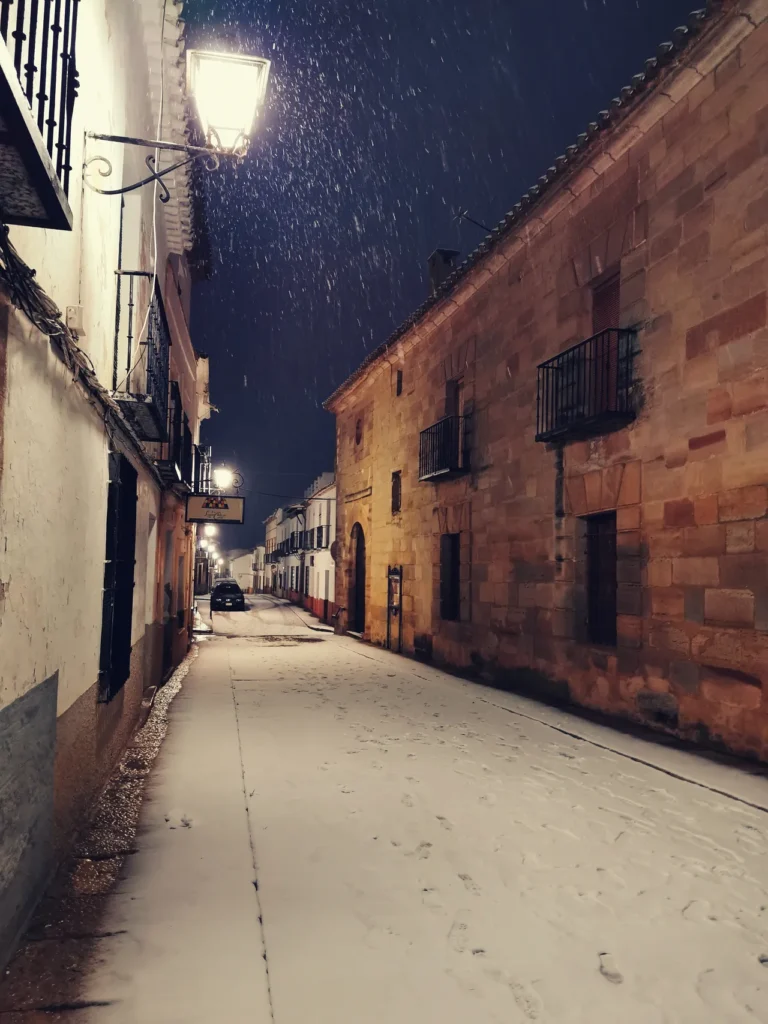
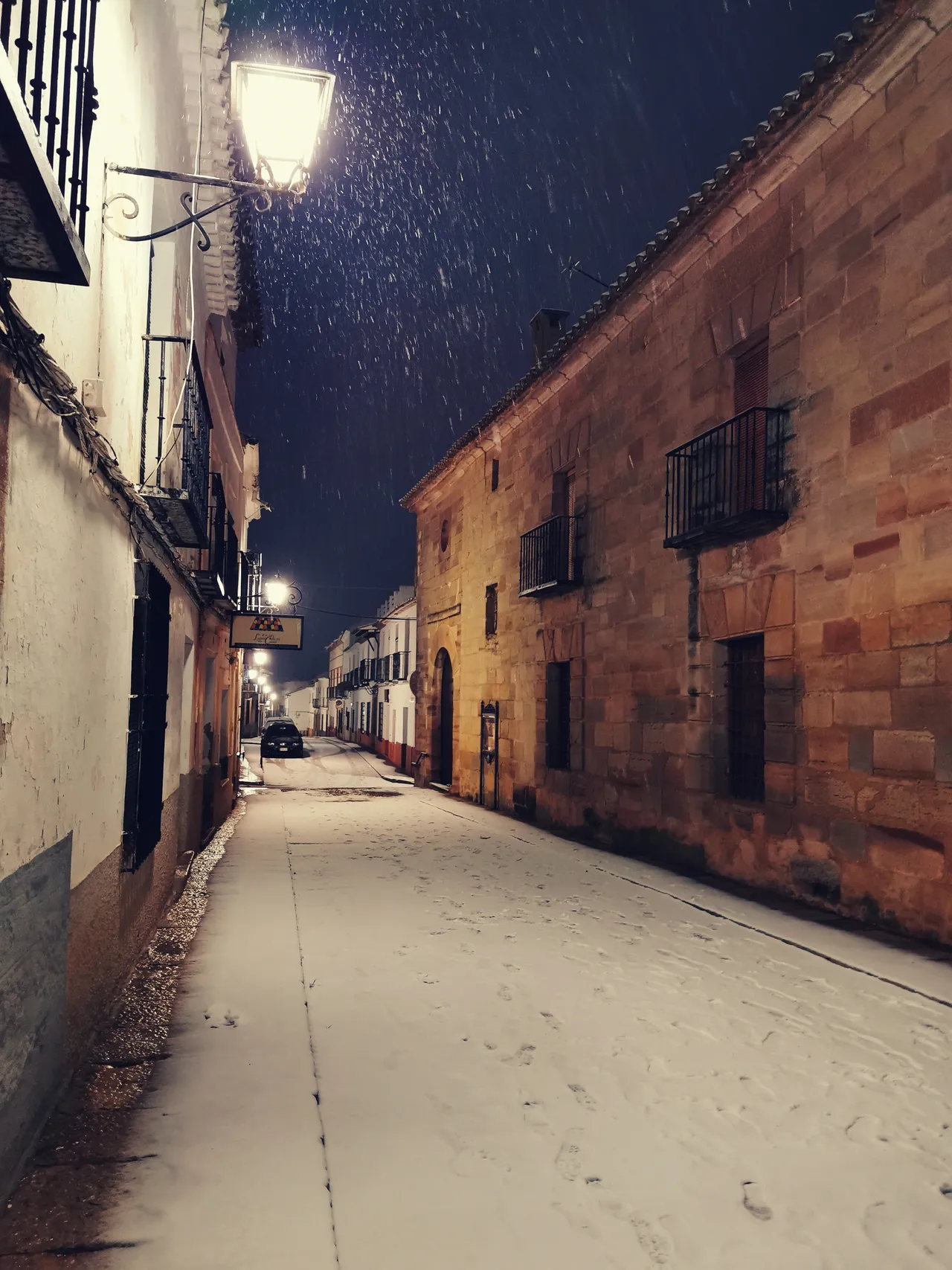
  • The facade of the building and the inscription that commemorates its reconstruction in the 17th century.
  • The rooms of the Ethnographic Museum, dedicated to daily life, trades and traditional work.
  • The collection of furniture, utensils and clothing that helps to understand the material culture of the region.
  • Complete the visit with the Plaza Mayor, the church of San Andrés, the Casa de Rueda and the convent of Santo Domingo within the historic center of Villanueva de los Infantes.
VISUAL GALLERY

Explore the resource

Discover every corner of this resource through our multimedia collection

Santiago Hospital a bird's-eye view

Other resources in the same municipality

Discover more things to visit that are nearby

Plaza Mayor, 1, Villanueva de los Infantes

Church of Saint Andrew the Apostle

C. Santo Tomás, 27, Villanueva de los Infantes

Oratory of Saint Thomas

C. Cervantes, 26, Villanueva de los Infantes

Rebuelta Palace

Villanueva de los Infantes

Palace of Don Jeromito or Fernández Buenache

Villanueva de los Infantes

Jamila archaeological site

C. Ramón y Cajal, 12, Villanueva de los Infantes

Ethnographic Museum of Villanueva de los Infantes

Routes where this resource appears

Golden Age Literature

The Campo de Montiel region was the birthplace and refuge of the leading authors and figures of Spanish Golden Age literature. Therefore, we propose a route that includes the main locations where history continues to unfold even today.

Distance

43 km

Duration

2 days

Difficulty

Easy

Municipality

Several

Organ Route

The Campo de Montiel region boasts one of the most remarkable collections of historic organs in Castilla-La Mancha. Mostly built during the 18th century by first-rate organ builders, these instruments continue to resonate within the walls of some of the region's most beautiful churches, now considered emblems of its musical heritage.

Distance

80 km

Duration

1 day

Difficulty

Easy

Municipality

Several

Baroque Art Route

During the 17th and 18th centuries, the Campo de Montiel region was one of the areas of greatest artistic ferment in Castilla-La Mancha. The consolidation of a prosperous local nobility linked to the Order of Santiago and the influence of the Counter-Reformation spurred the construction of sumptuous portals, altarpieces with Solomonic columns, soaring bell towers, convents, hospitals, and civic palaces that still grace the urban landscape of the region today. This route, which...

Distance

110 km

Duration

2 days

Difficulty

Easy

Municipality

Several