About this place
The Convent of Santo Domingo is one of the most significant heritage sites in Villanueva de los Infantes, both for its architectural value and for its intense historical and literary significance.
A visit here allows you to explore one of the most representative convent spaces in the town, within a historic center where architecture, memory and culture meet at every turn.
Furthermore, it is a particularly special place linked to the figure of Francisco de Quevedo, This reinforces its appeal for those who visit the town from a heritage and literary perspective.
The convent It was founded in the 16th century y It maintained its activity until the 19th century, when it was closed down with the disentailment.
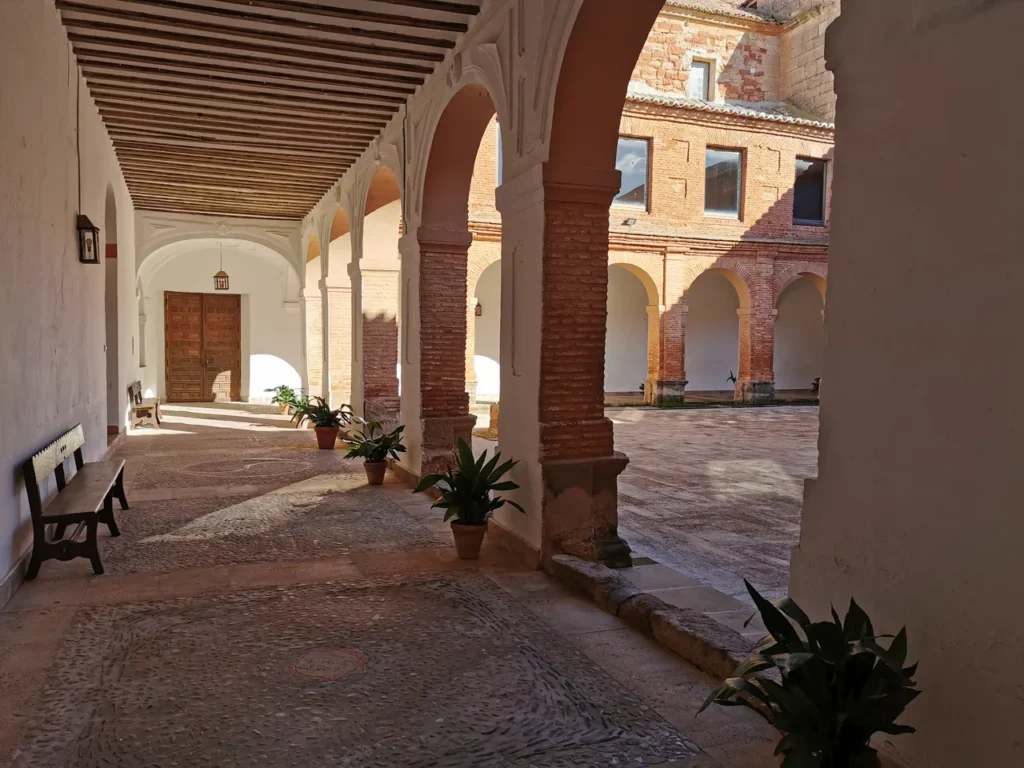
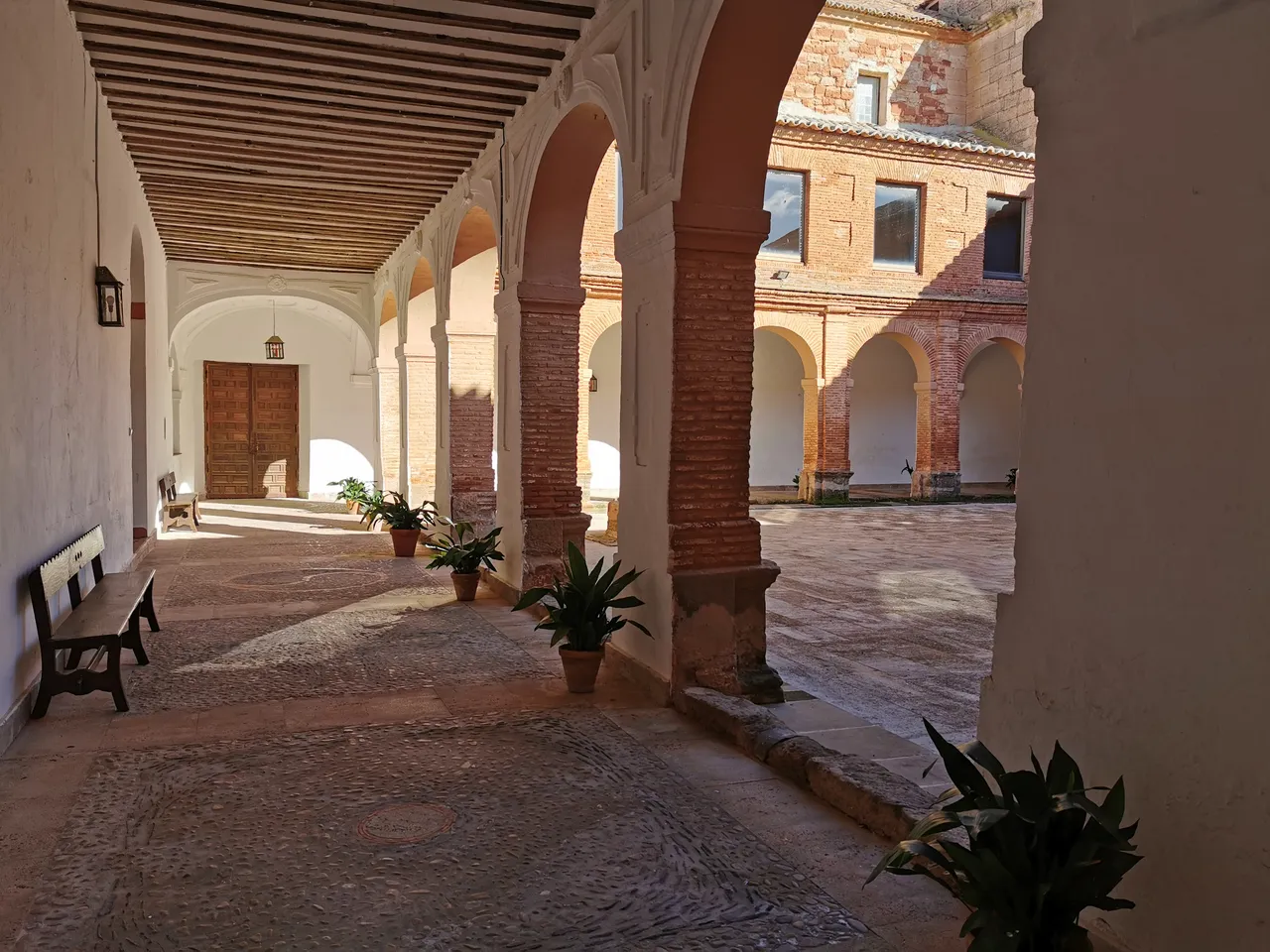
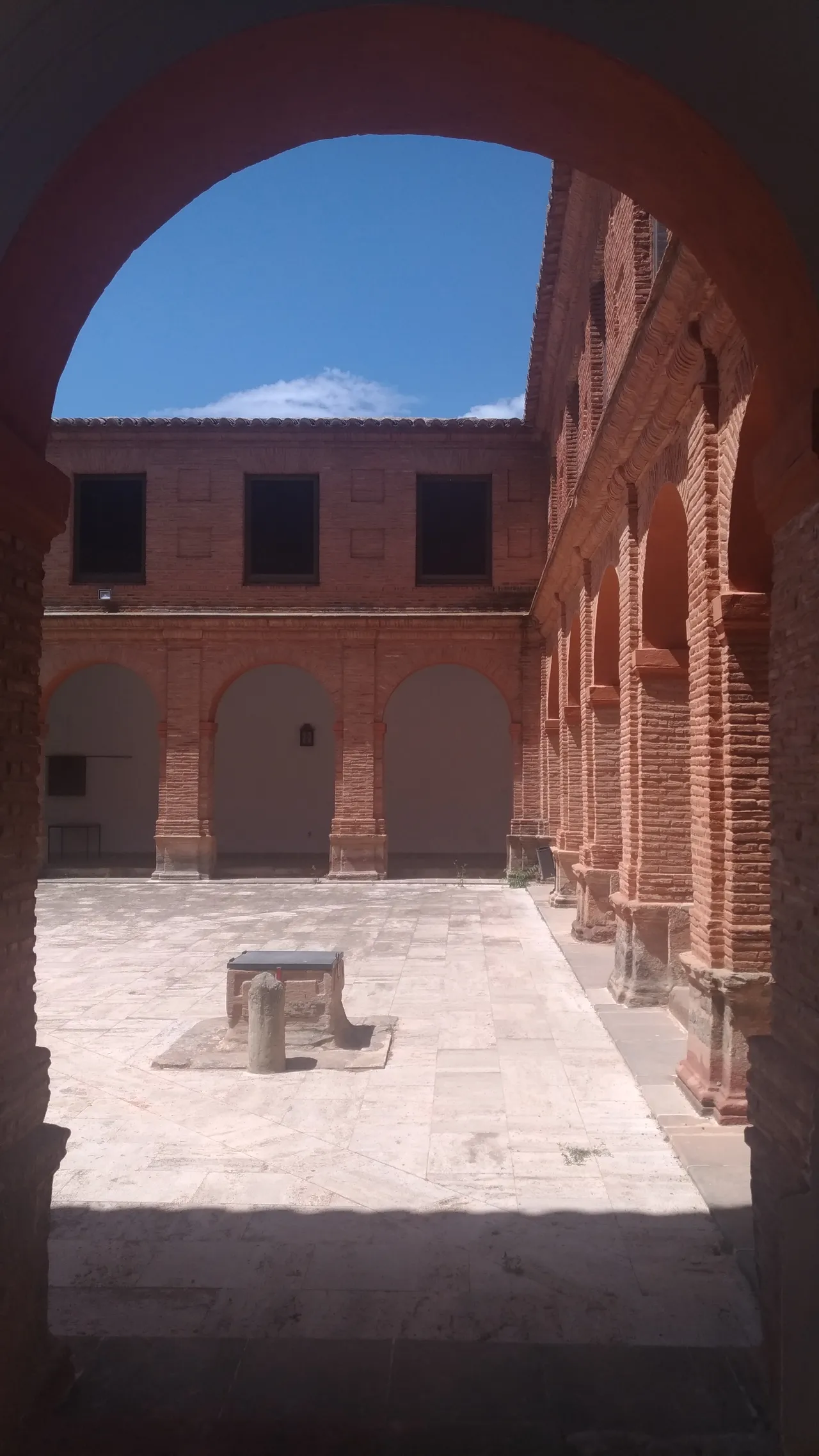
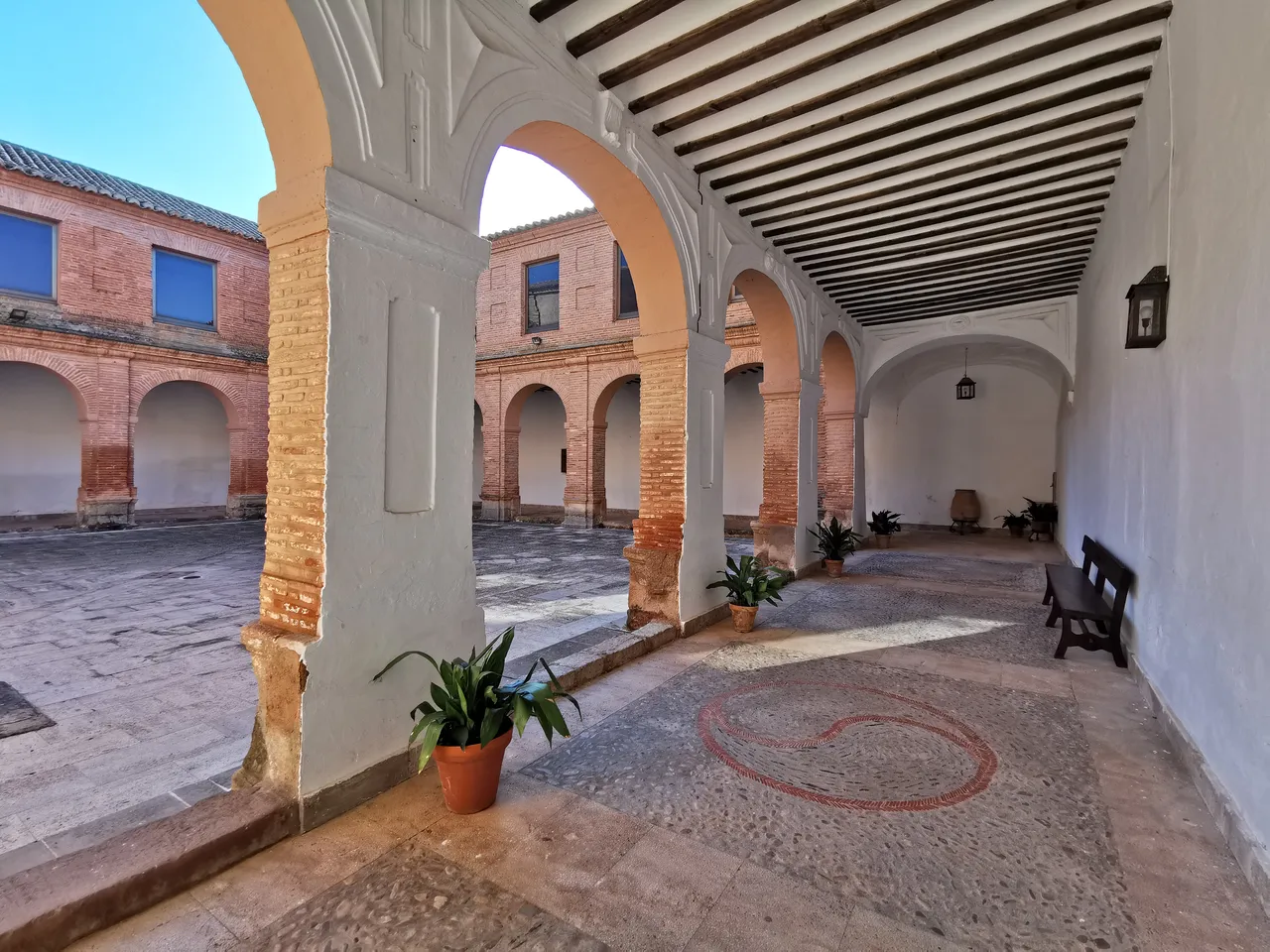
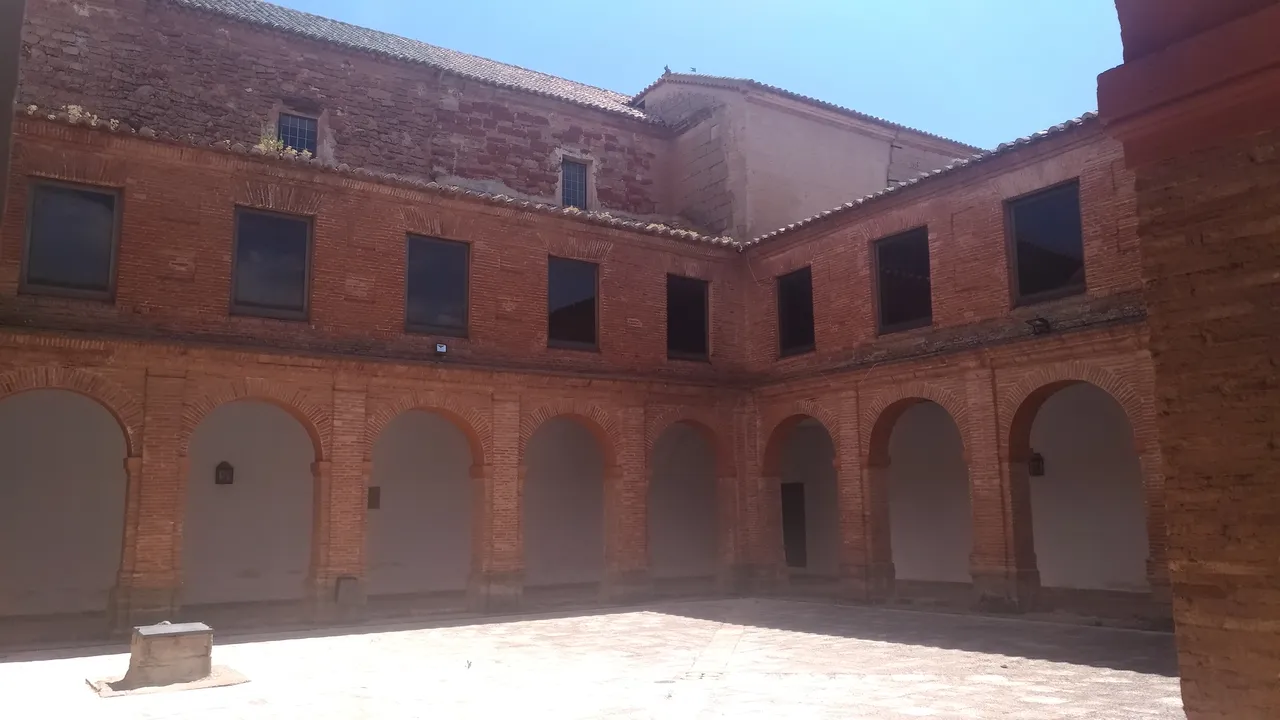
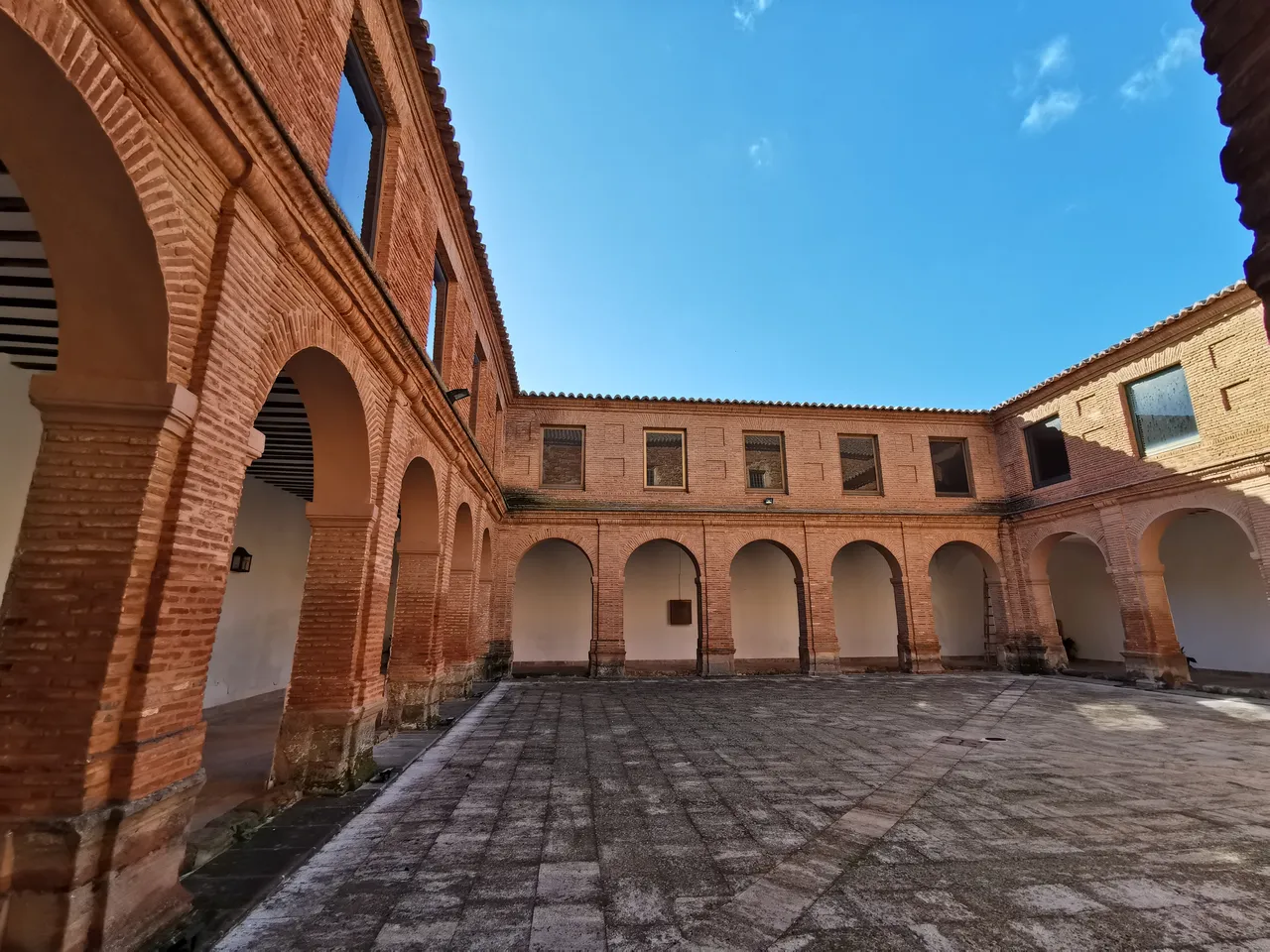
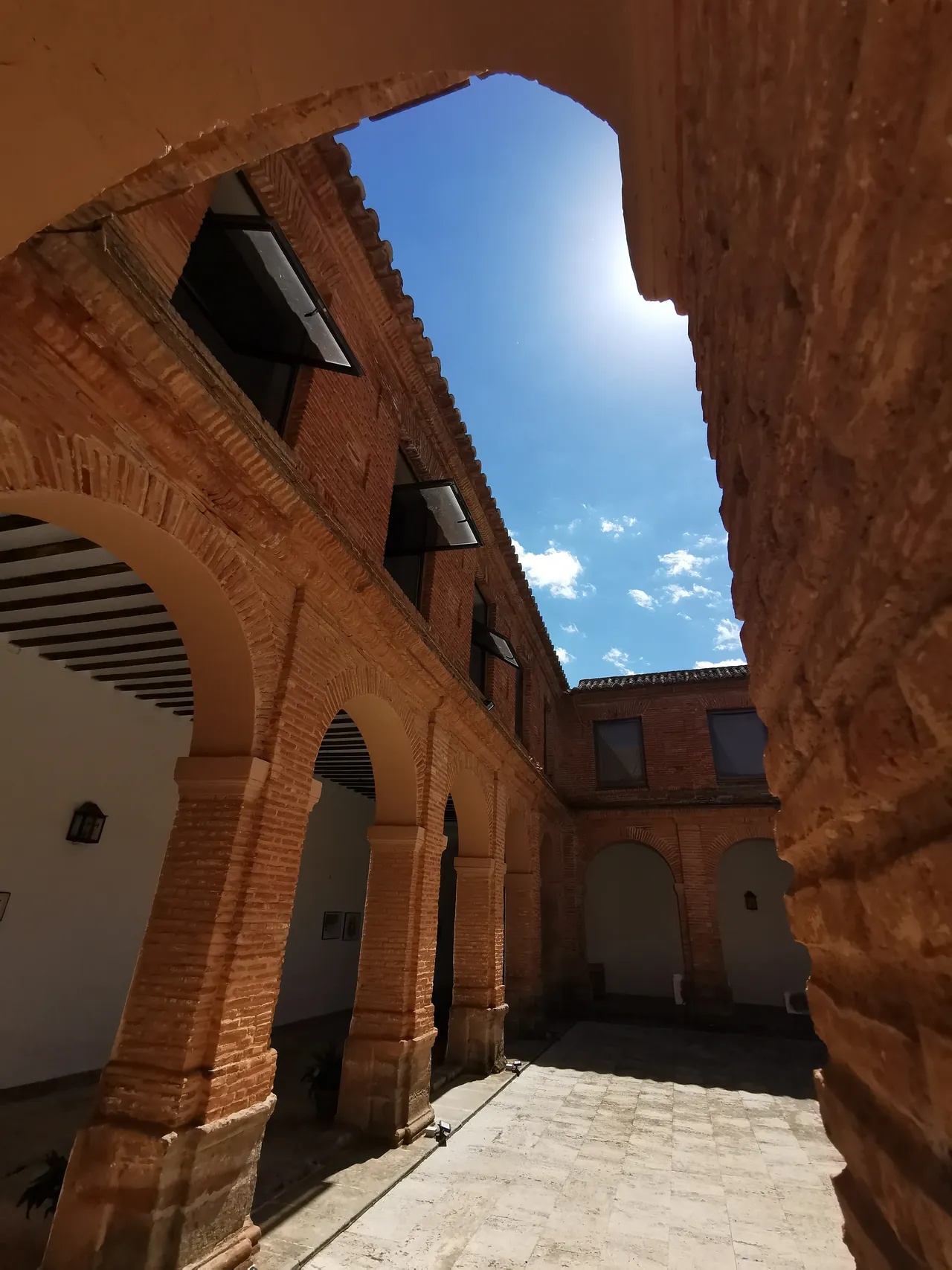
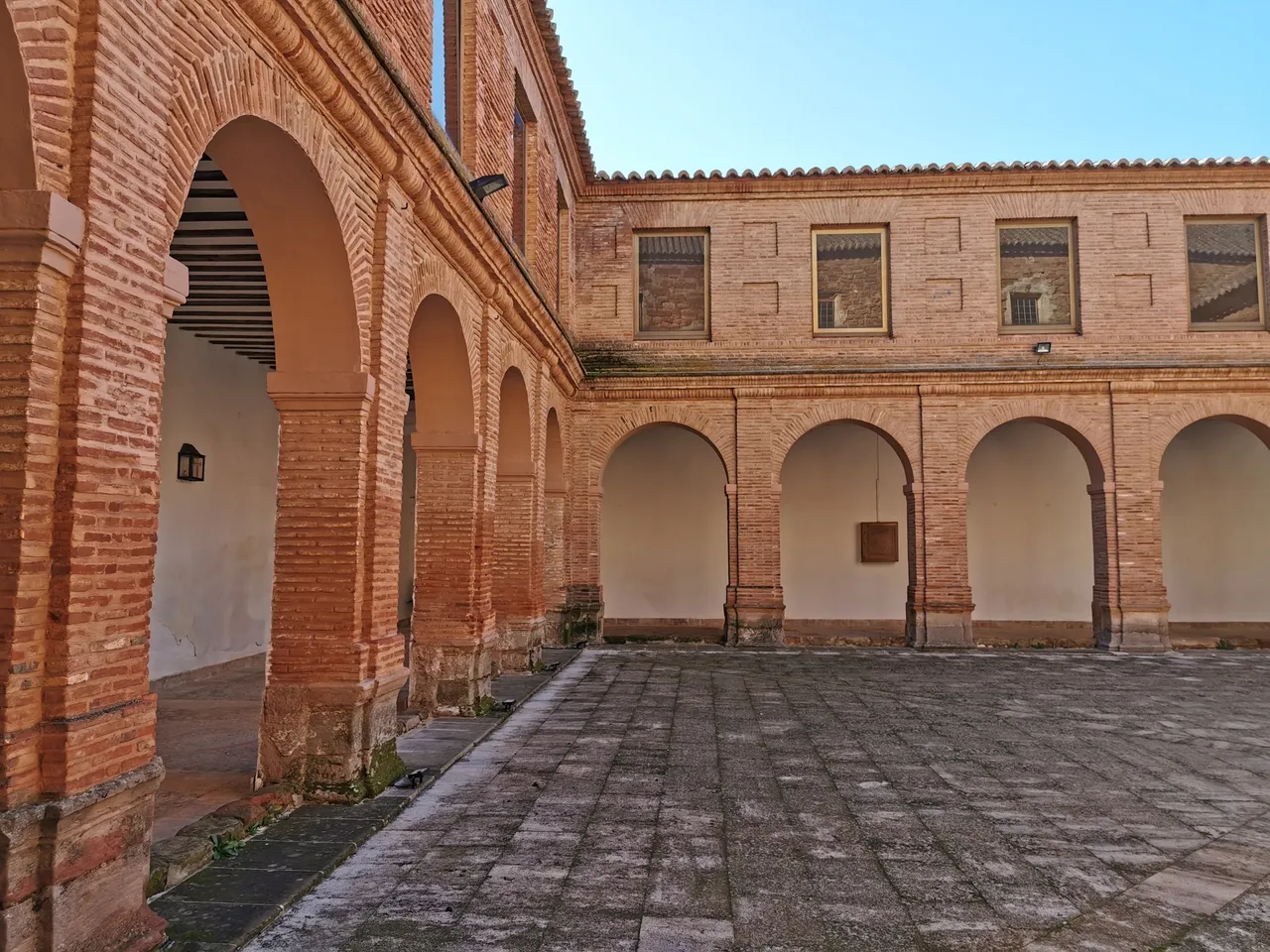
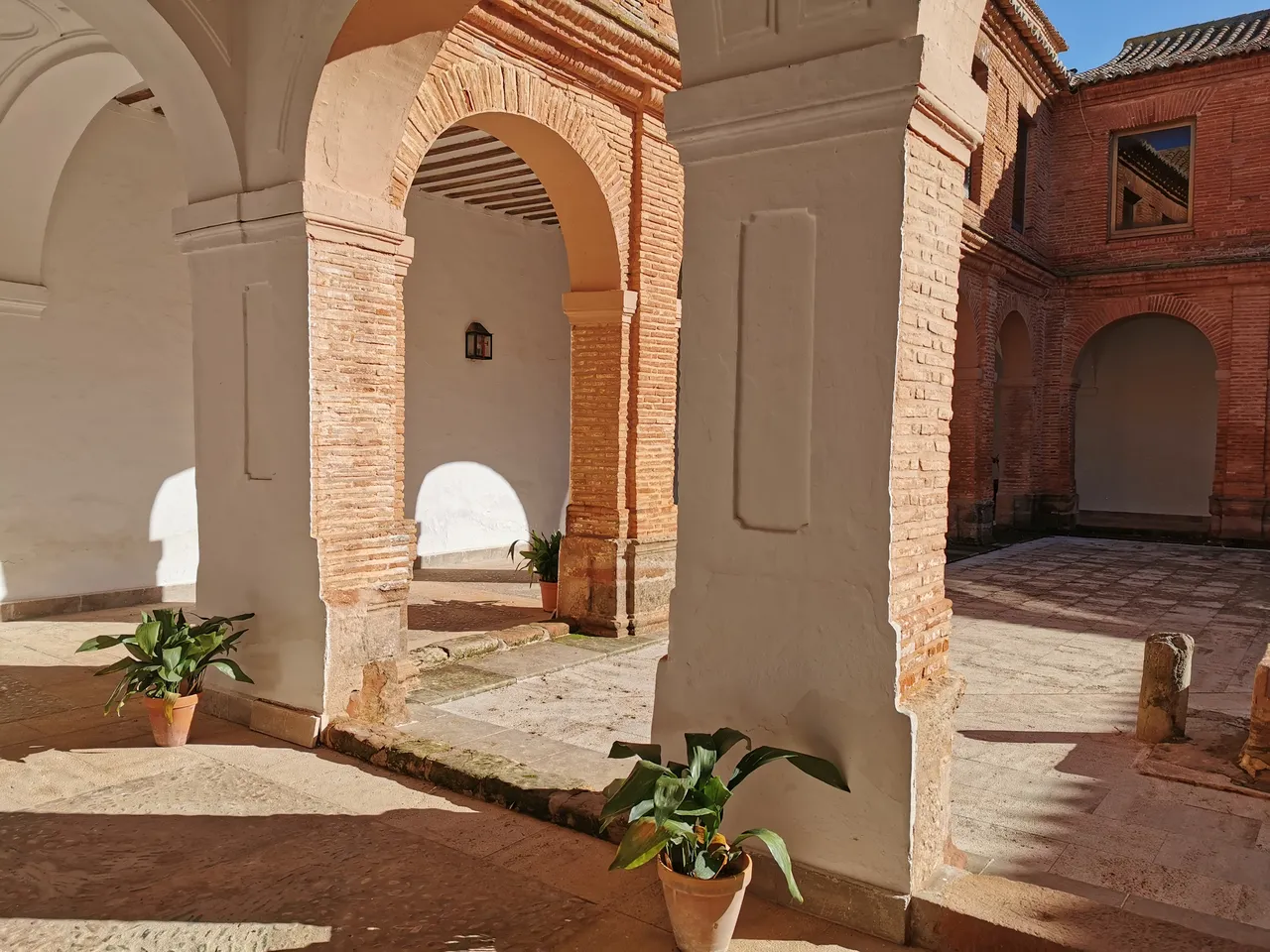
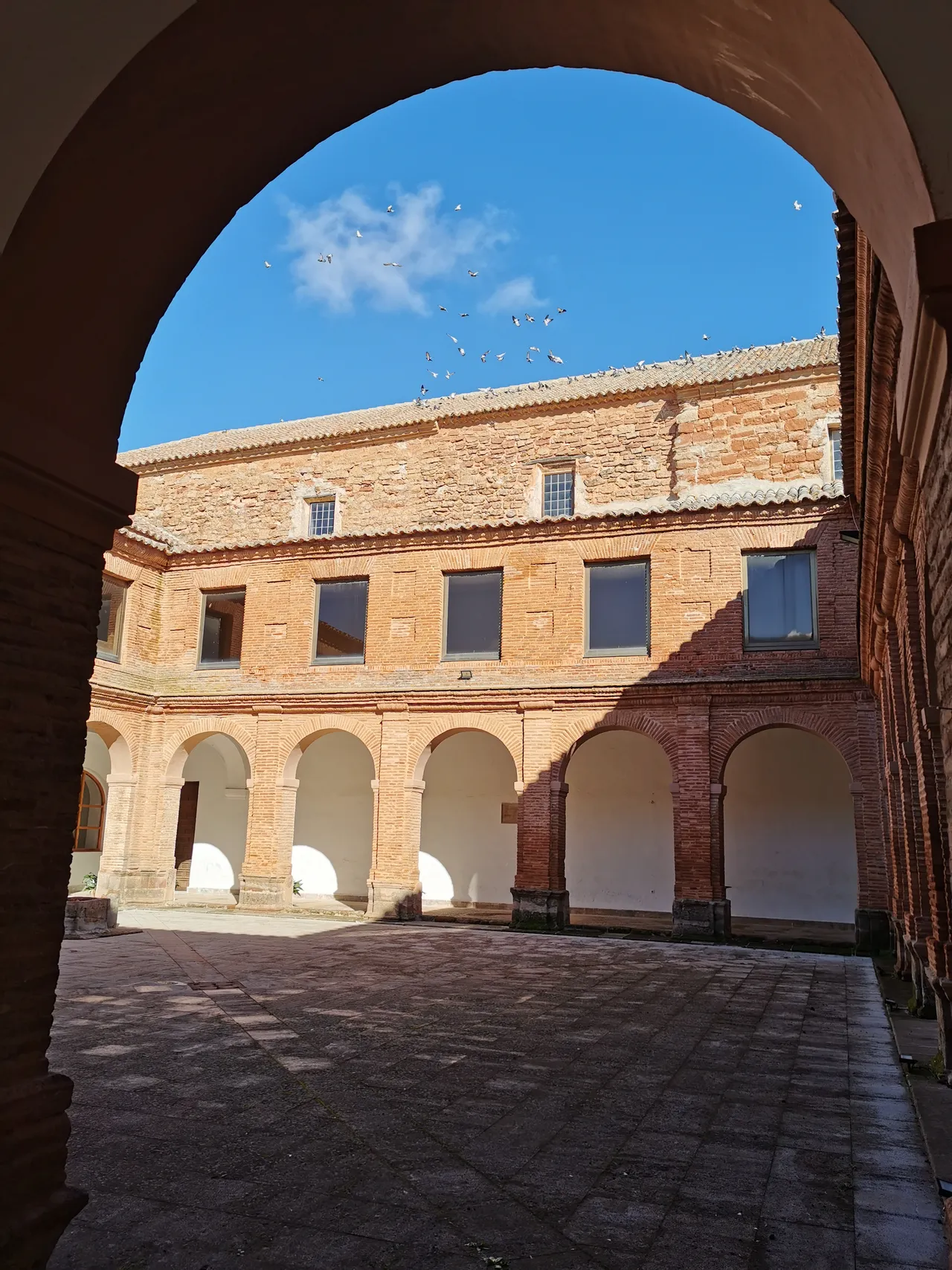
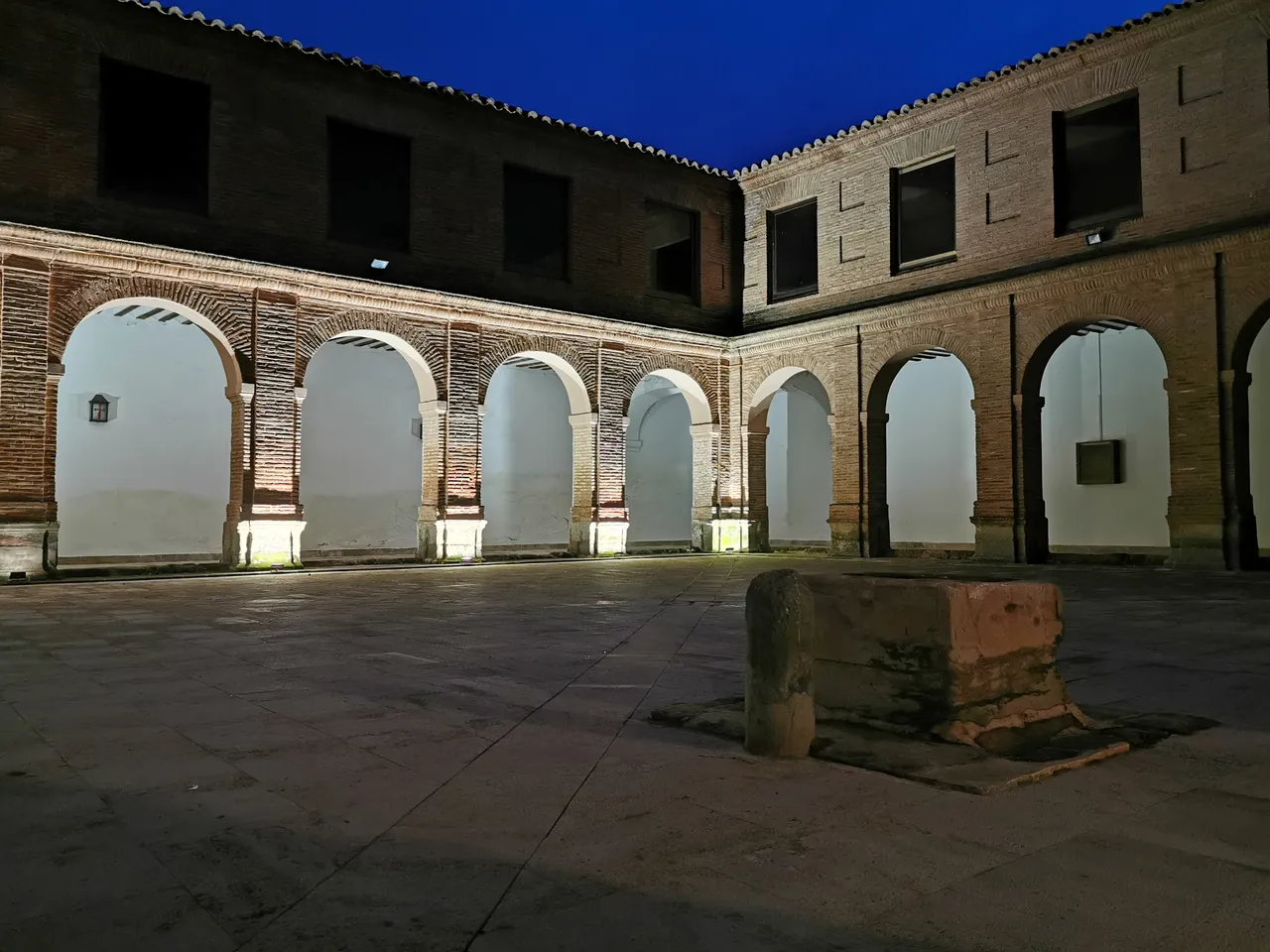
Among its most outstanding features is the brick cloister, articulated by means of semicircular arches on pillars, a very recognizable image of the building and one of its most suggestive spaces.
This area also retains a clear cultural vocation, as it continues to host activities and events, so that the complex maintains a lively presence within the cultural life of the town.
Added to all this is its close relationship with the last days of Quevedo, who died here on September 8, 1645 after arriving from Torre de Juan Abad in search of care.
The cell where he stayed can be visited and makes the convent an exceptional place of memory.
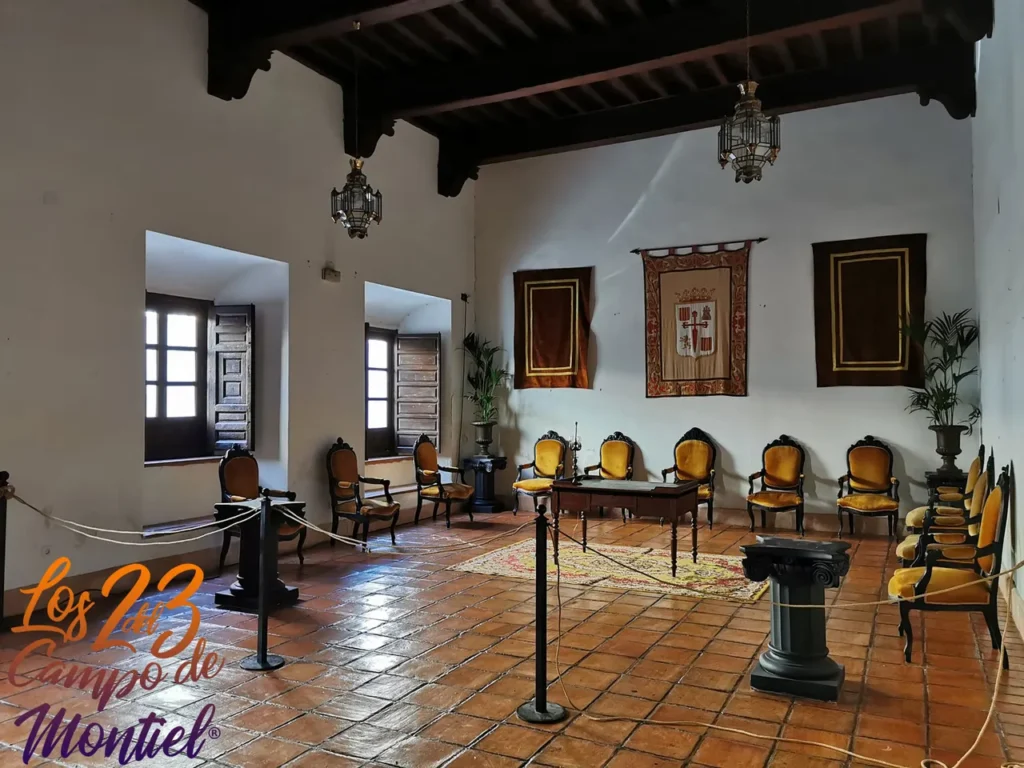
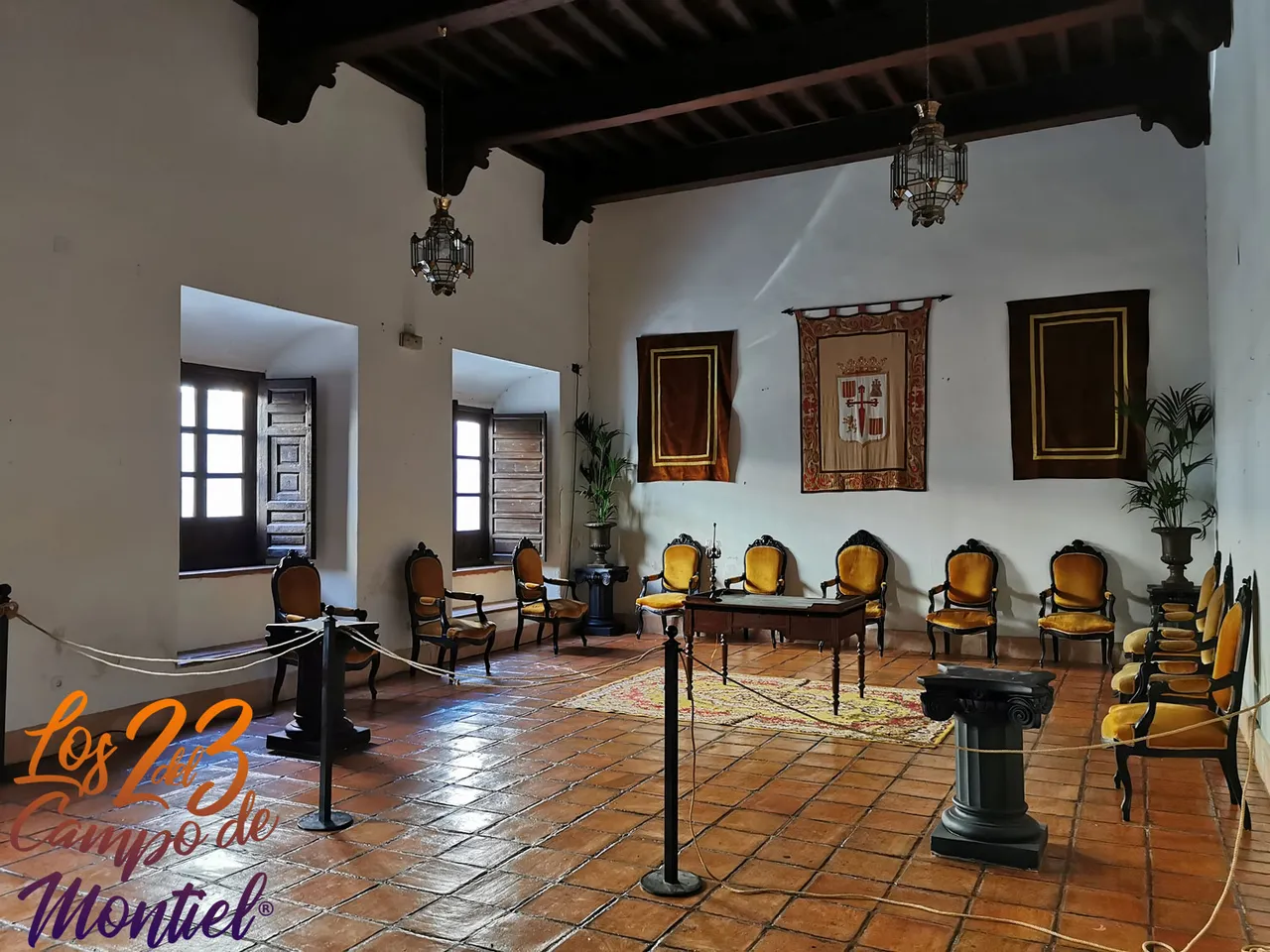
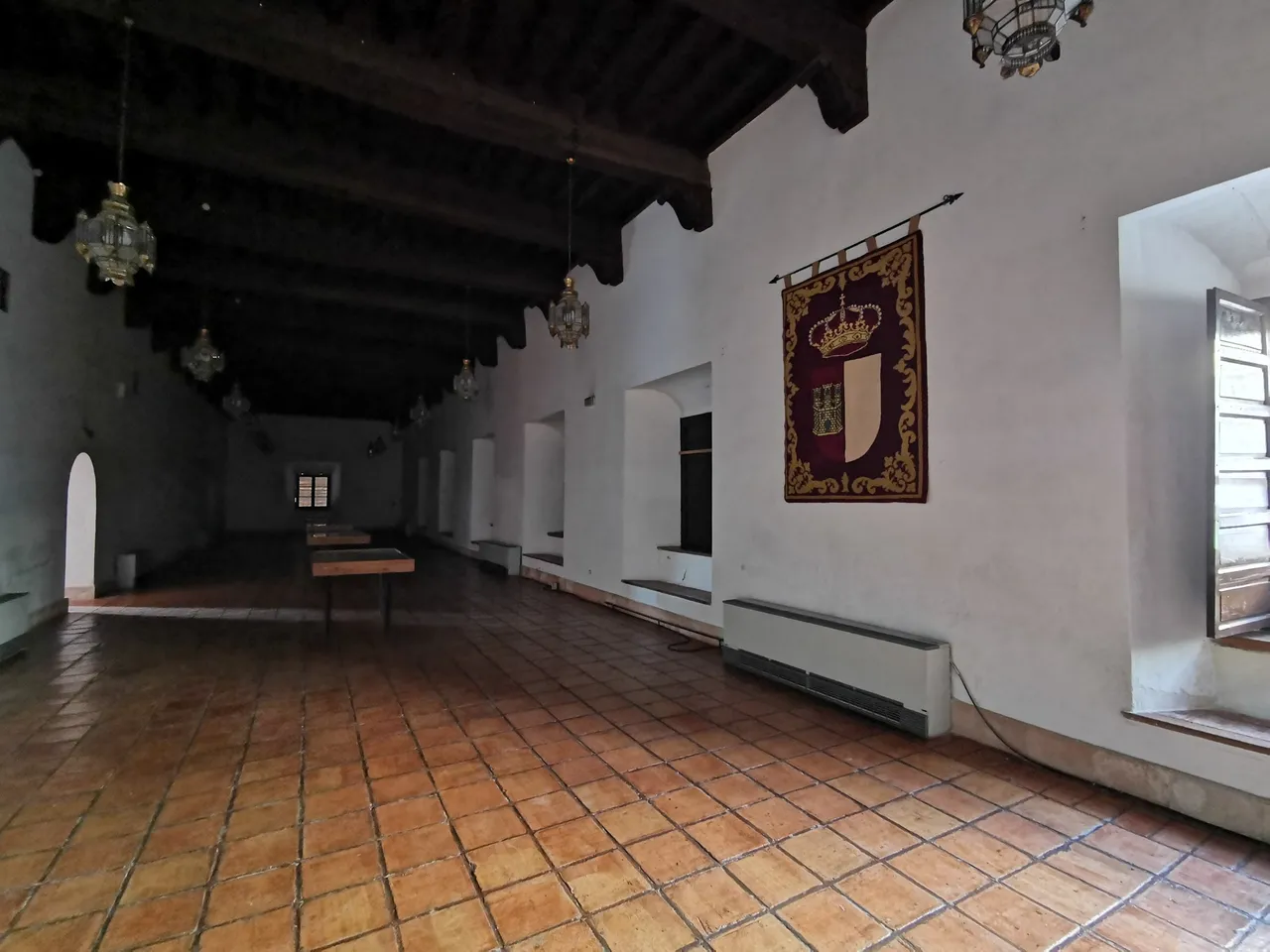
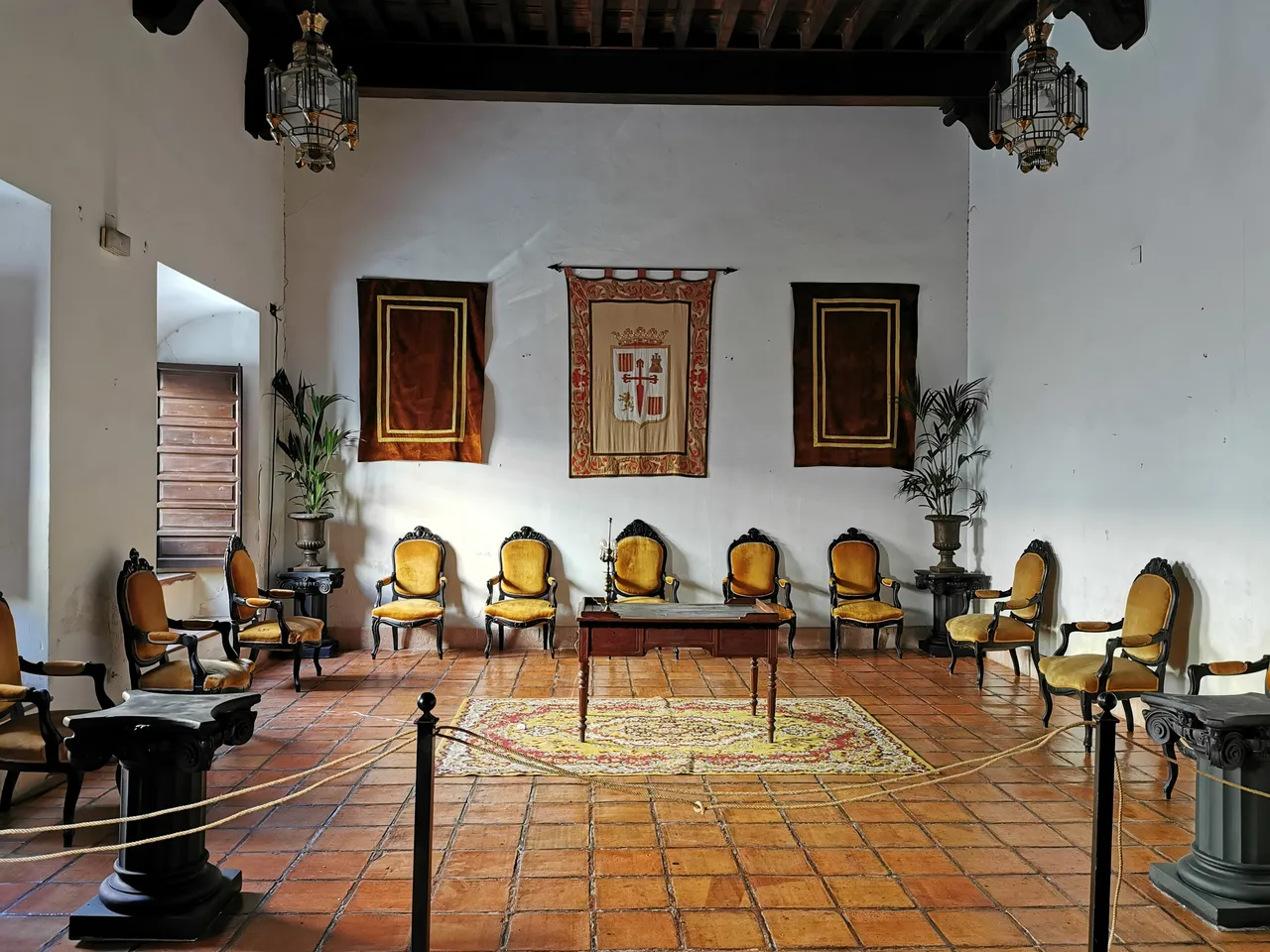
In addition, the museum housed in the building further enriches the experience by bringing together documentation, manuscripts, works of art, and other materials that allow for a better understanding of the writer's human and literary dimension.
Therefore, a visit to the Convent of Santo Domingo not only brings you closer to convent architecture, but also to one of the essential figures of the Golden Age.

Useful information and location map
Convent of Santo Domingo a bird's-eye view
Other resources in the same municipality
Discover more things to visit that are nearby
C. Santo Tomás, 27, Villanueva de los Infantes
C. Frailes, 1, Villanueva de los Infantes
C. Ramón y Cajal, 12, Villanueva de los Infantes
Order of Santiago Barracks, C. Cervantes, 11, Villanueva de los Infantes
C. Don Tomás the Doctor, 42, Villanueva de los Infantes
Villanueva de los Infantes
C. Ramón Herrera, 3, Villanueva de los Infantes
C. Cervantes, 26, Villanueva de los Infantes
C. Cervantes, 12, Villanueva de los Infantes
Villanueva de los Infantes
C. Don Tomás the Doctor, 42, Villanueva de los Infantes
Routes where this resource appears
Golden Age Literature
The Campo de Montiel region was the birthplace and refuge of the leading authors and figures of Spanish Golden Age literature. Therefore, we propose a route that includes the main locations where history continues to unfold even today.
Distance
43 km
Duration
2 days
Difficulty
Easy
Municipality
Several
Organ Route
The Campo de Montiel region boasts one of the most remarkable collections of historic organs in Castilla-La Mancha. Mostly built during the 18th century by first-rate organ builders, these instruments continue to resonate within the walls of some of the region's most beautiful churches, now considered emblems of its musical heritage.
Distance
80 km
Duration
1 day
Difficulty
Easy
Municipality
Several
Baroque Art Route
During the 17th and 18th centuries, the Campo de Montiel region was one of the areas of greatest artistic ferment in Castilla-La Mancha. The consolidation of a prosperous local nobility linked to the Order of Santiago and the influence of the Counter-Reformation spurred the construction of sumptuous portals, altarpieces with Solomonic columns, soaring bell towers, convents, hospitals, and civic palaces that still grace the urban landscape of the region today. This route, which...
Distance
110 km
Duration
2 days
Difficulty
Easy
Municipality
Several

© Campo de Montiel - 2026