Cozar

Discover the history, culture and traditions of this charming town in La Mancha

Location of the municipality

Cozar

How to get there

Contact information

Phone

926 365 101

Website

https://www.cozar.es

E-mail

aytocozar@cozar.es

Interesting facts

Population

899

Altitude

867 m

Demonym

Cozareño or Cozareña

Extension

65 km2

Welcome to

Cozar

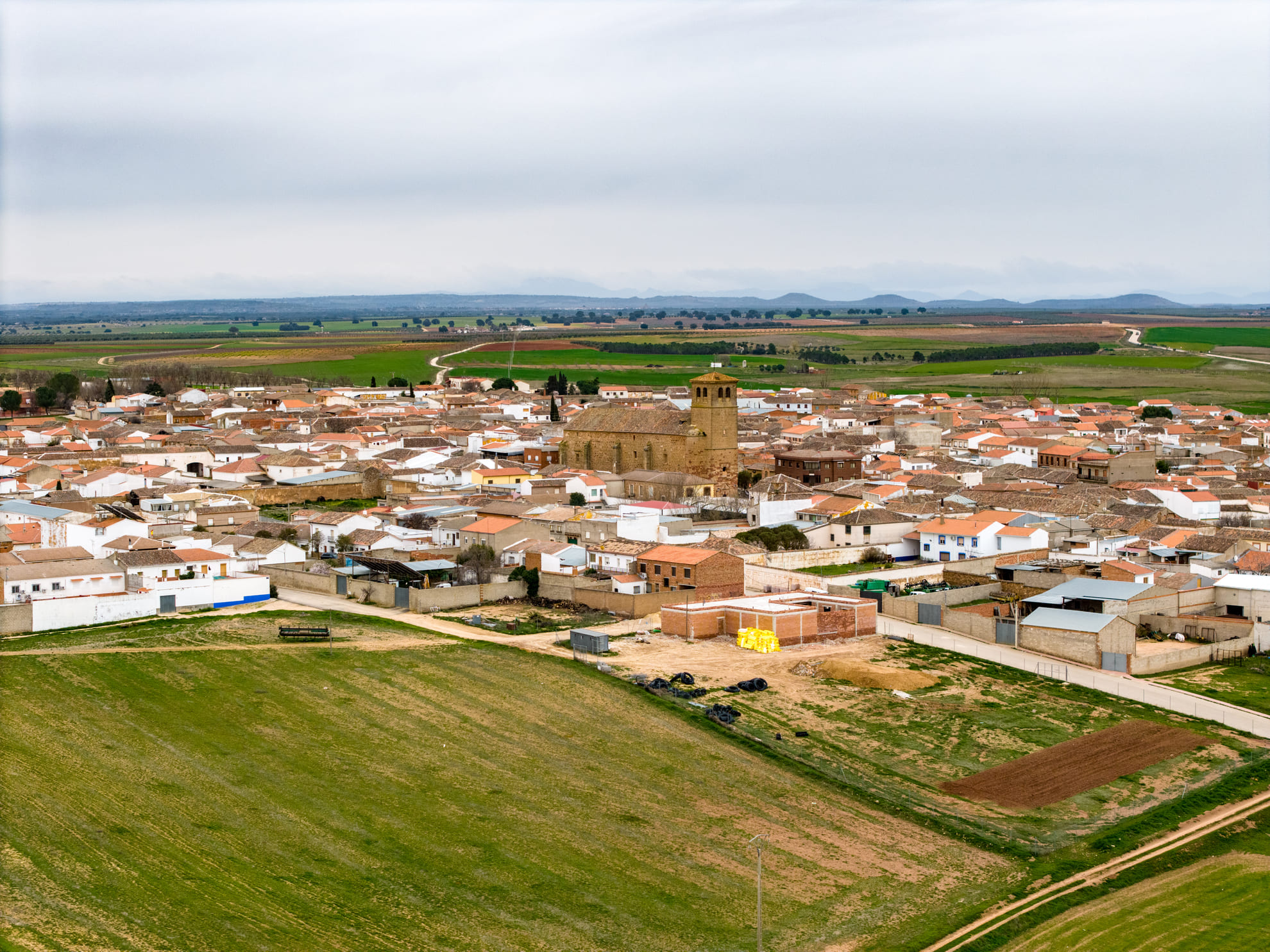
Cózar is located in the heart of Campo de Montiel, in a territory of gentle hills and wide horizons that connects this region with some of its most outstanding historical centers.

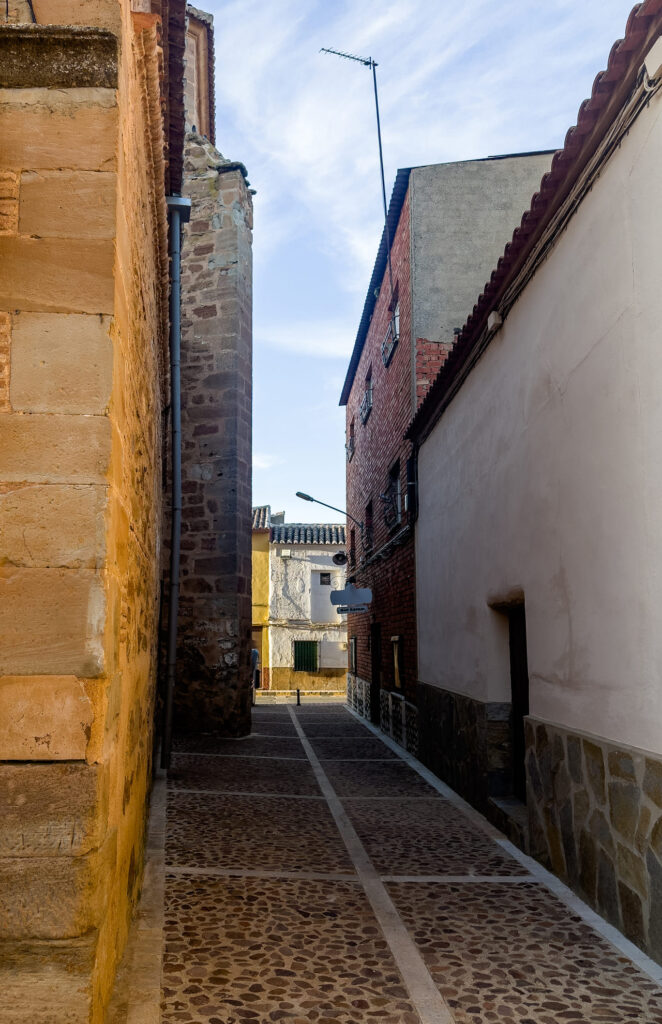
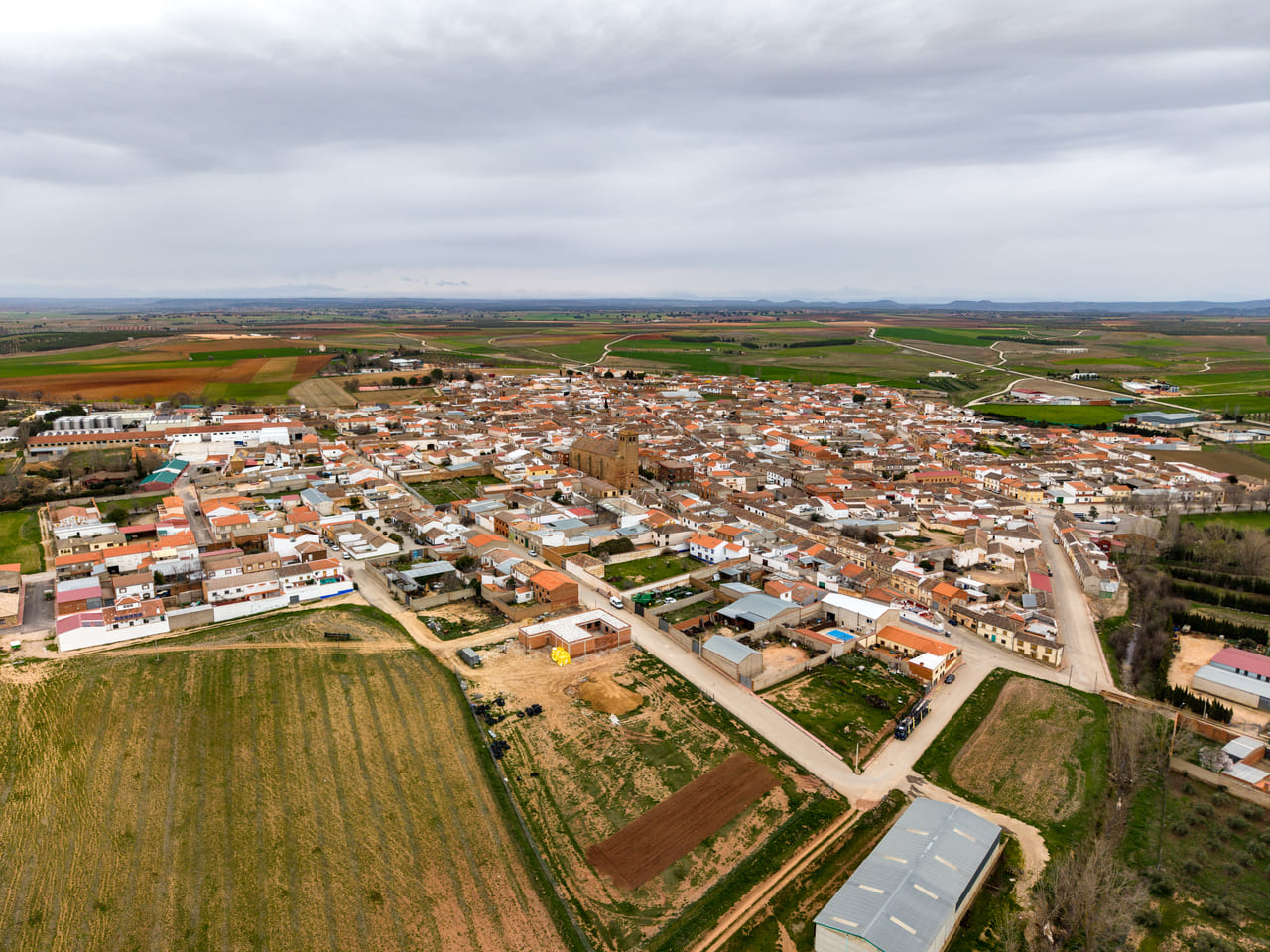
Its urban center retains the character of the traditional agricultural villages of La Mancha, with a profile clearly dominated by the Church of Saint Vincent Martyr, visible from a distance and become one of the most recognizable images of the town.

The temple's location in a small square where several roads converge also helps to understand the historical organization of the town and the central role that this space has played in community life.

Cozar a bird's-eye view

Deep roots

History of Cozar

The history of Cózar is linked to the repopulation and reorganization of the territory carried out by the Order of Santiago after the Christian conquest of Campo de Montiel.

Like other towns in the region, it was incorporated into the Santiago structure, which shaped the defense, settlement and agricultural exploitation of these lands for centuries.

This historical heritage is still evident in its patrimony and traditions, which retain a strong popular foundation. Among these, the devotion to the Holy Christ of the True Cross stands out, linked to one of the town's most famous festivals and to the unique game of Las Tacillas, a centuries-old custom that remains one of the most distinctive features of the local identity.

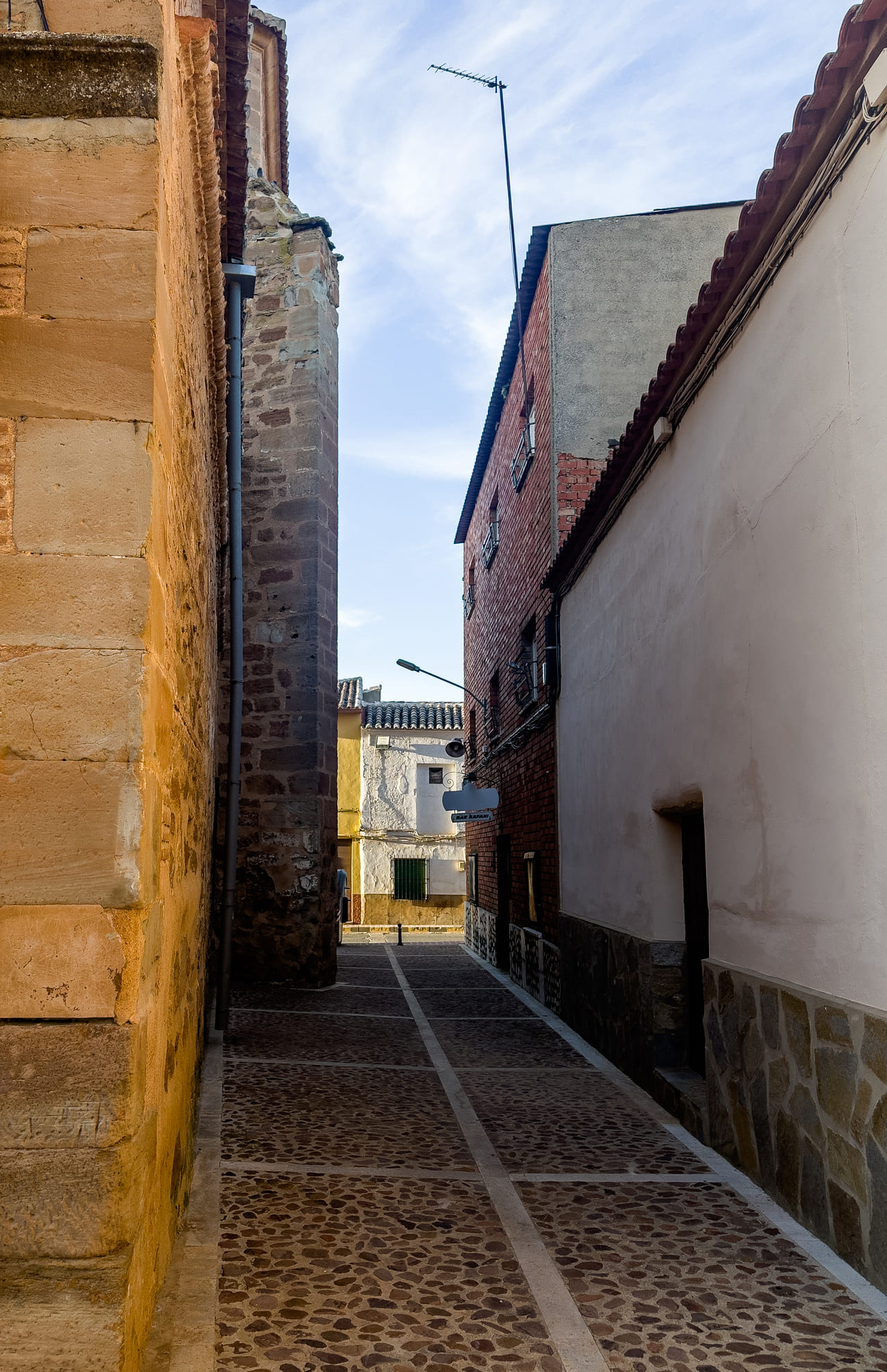
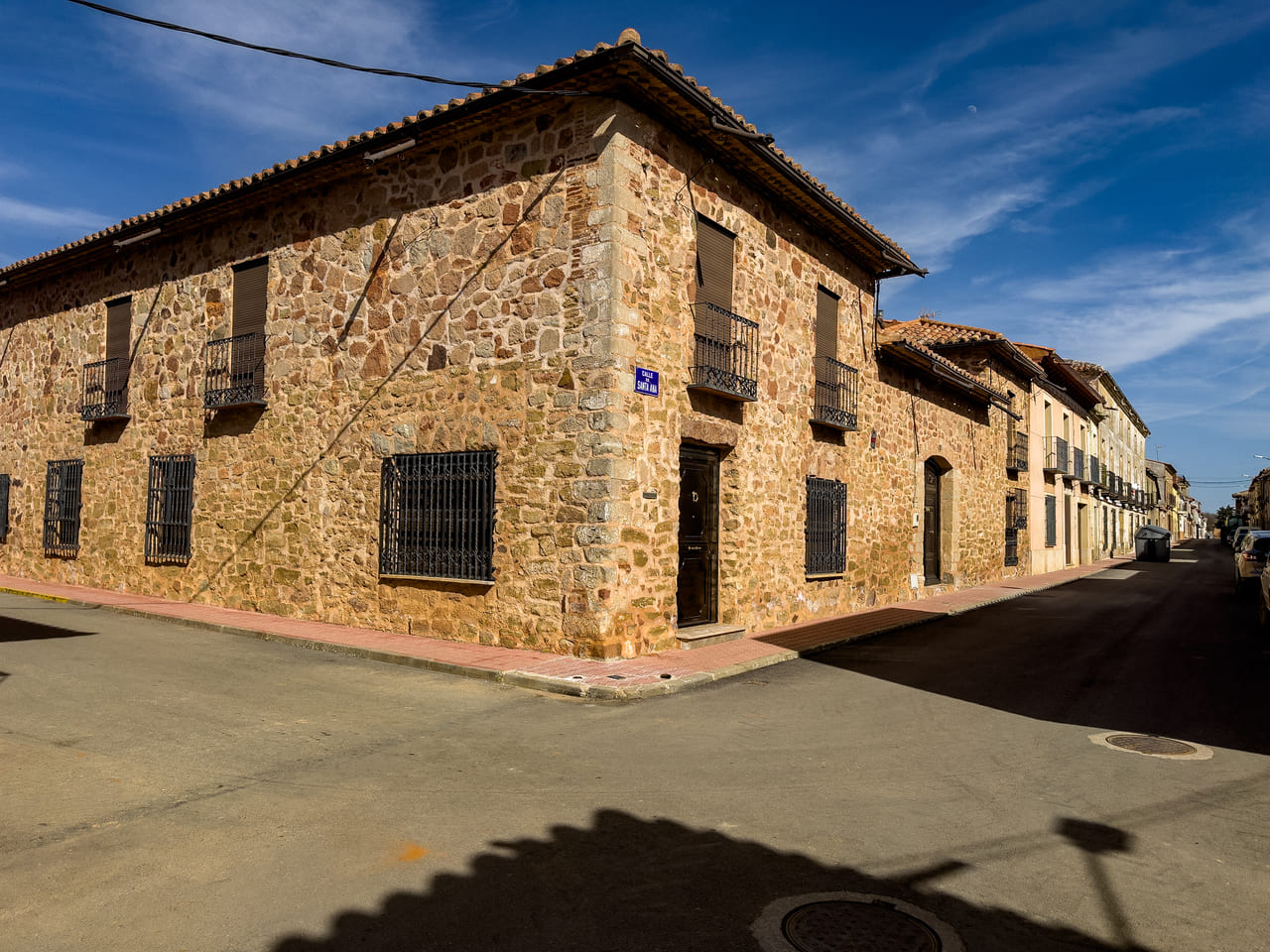
Typical image of Cozar

Images

Photo gallery

Discover the beauty of Cozar through these images

Living culture

Festivals and traditions

The celebrations that keep the spirit alive Cozar

It is worth noting that the most important festival is the one held in honor of Holy Christ of the True Cross. This holiday It begins in mid-September And these are dates when locals and visitors play at game of the cups. In fact, two small cups are preserved at the back of the Hermitage of Christ.

On the other hand, the April 25th is the feast day of St. Mark. and eat the traditional hornazo, a very typical sweet treat for this holiday.

Later, from The May celebrations take place from May 1st to 3rd., while the May 15th is the feast day of Saint Isidore..

Also noteworthy is the celebration of Corpus Christi in June, St. Christopher on July 10 and the Cultural Week and the August festivities, which are celebrated from August 10-15.

Deep roots

Monuments and Heritage

Discover the historical and architectural treasures that make up Cozar a unique destination

Pl. del Cristo, 1, Cózar

Hermitage of Christ of the True Cross

C. Soledad, 19, Cózar

Hermitage of Solitude

C. Maestro Lara, 2, Cózar

Church of Saint Vincent

Restaurants and accommodations

Establishments where you can quench your thirst and hunger and give your body a rest after a day of adventures and discoveries in this wonderful town

Country house

Sancho's Retreat

686235069 / 696697544

Country house

Maragata dwelling

Bar Restaurant

Municipal Track

603330041

no website

Bar Restaurant

Savandia

722343665

no website

Authentic flavors

Gastronomy

Events

Events that take place in Cozar

September

Mid

The Teacups

A centuries-old tradition in Cózar, celebrated in September, where locals and visitors participate in a unique game of chance linked to the Christ of Veracruz.

From 10:00 PM until the early hours of the following morning

Cozar

Gratuitous

Routes

Routes that pass through Cozar

Renaissance Art Route

The Campo de Montiel region boasts one of the most remarkable collections of Renaissance architecture and visual arts in Castilla-La Mancha. Throughout the 16th century, the economic prosperity fostered by the Order of Santiago and a flourishing local nobility financed churches, Plateresque portals, Mannerist altarpieces, and stately homes that still stand as the most visible testament to the region's splendor. It was also in this landscape that Fernando Yáñez de Almedina, a direct disciple of Leonardo da Vinci, was born.

Distance

75 km

Duration

1 day

Difficulty

Easy

Municipality

Several