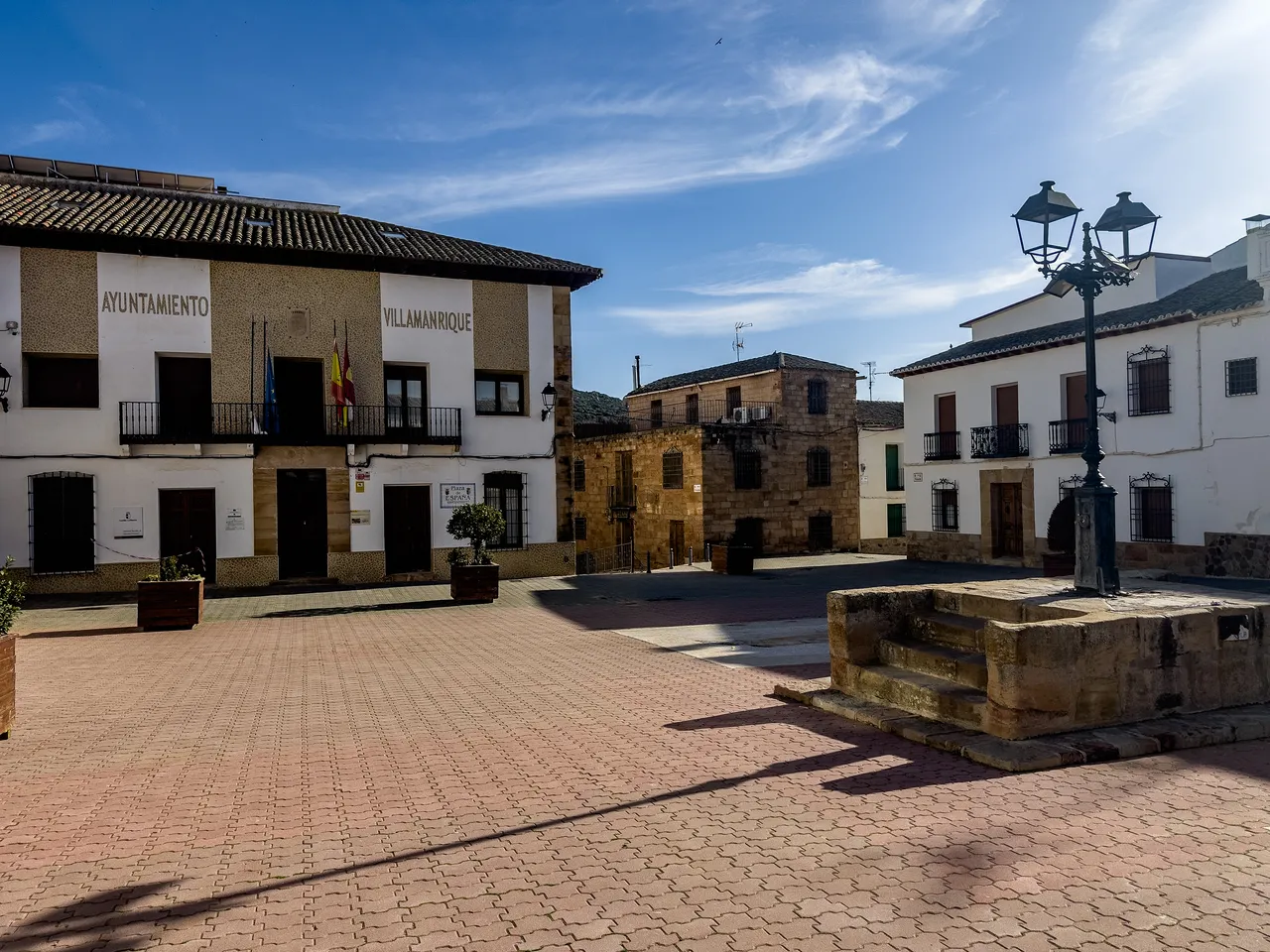


Discover the history, culture and traditions of this charming town in La Mancha
Villamanrique
Contact information
Phone
926 354 009
https://www.villamanrique.net
info@villamanrique.net
Interesting facts
Population
1080
Altitude
830 m
Demonym
Villamanriqueño/a
Extension
370 km²
Welcome to
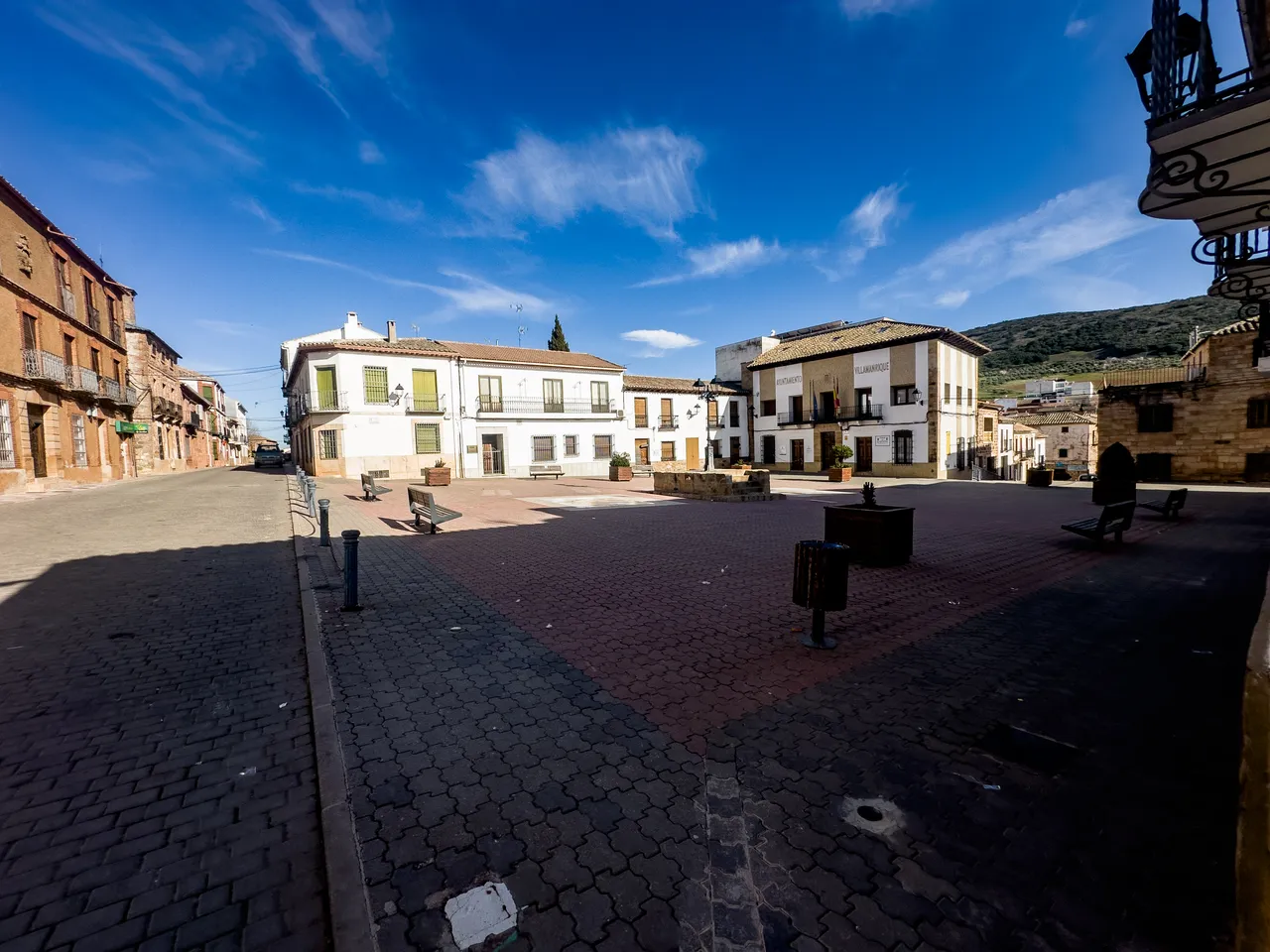
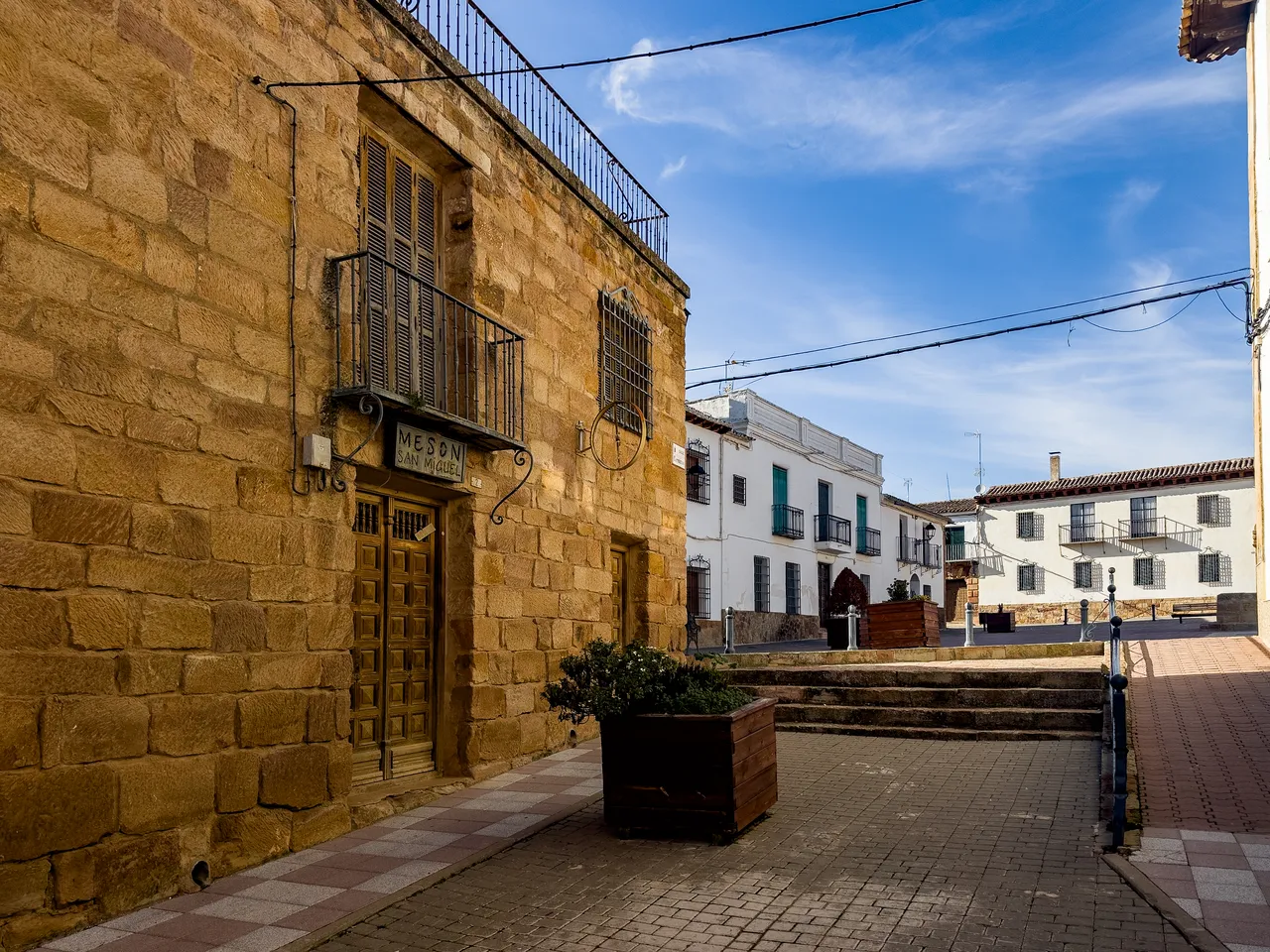
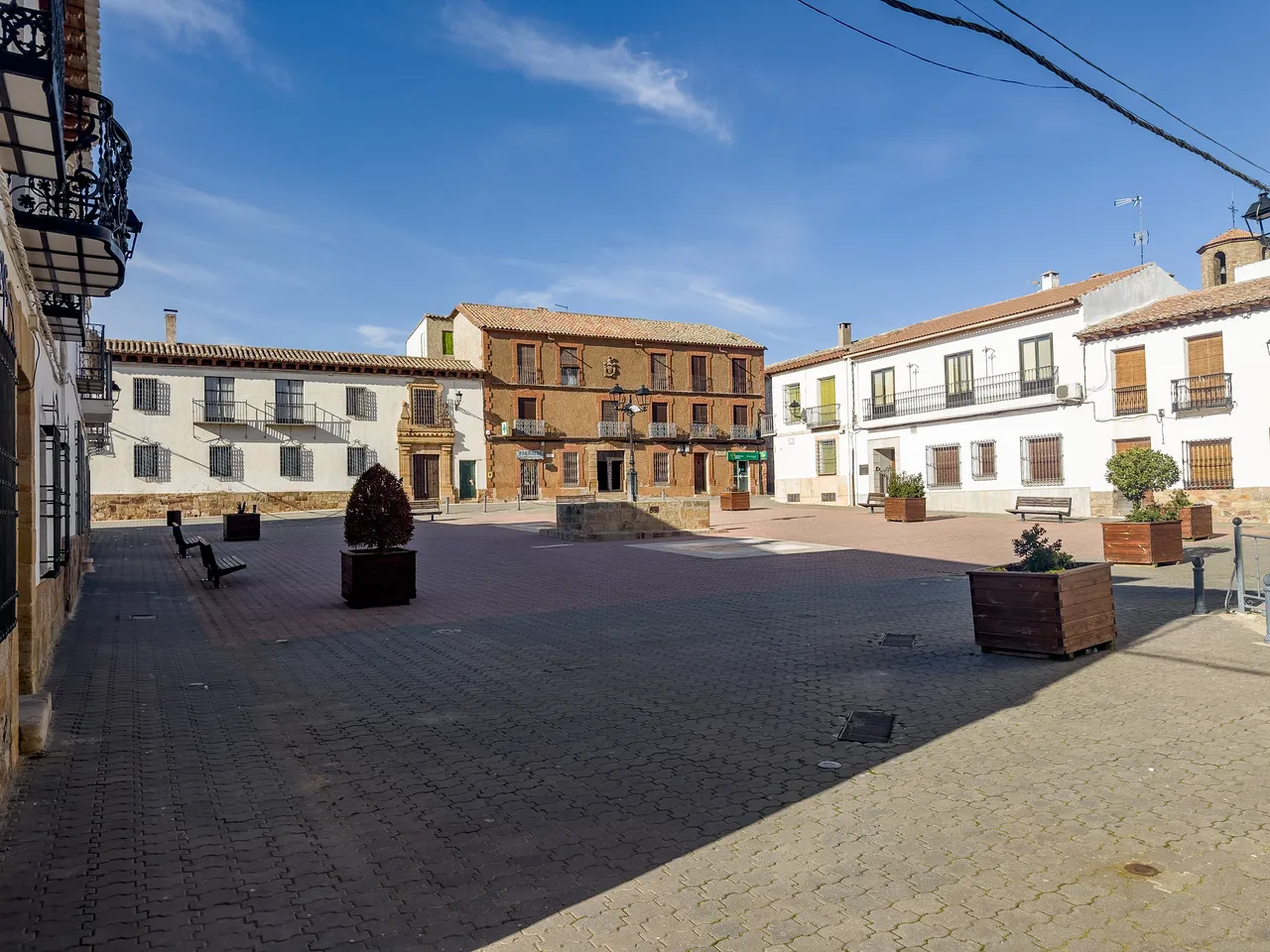
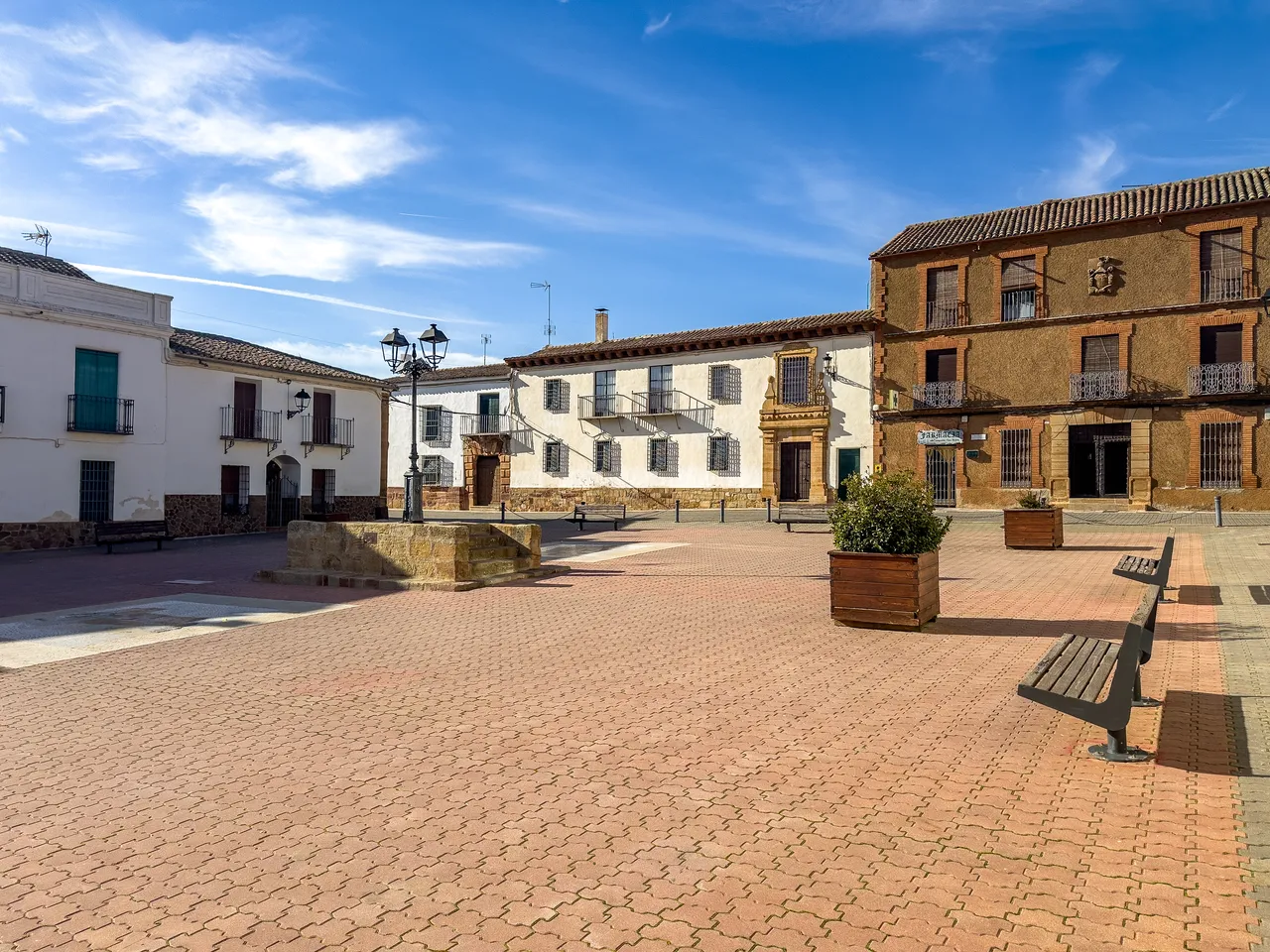
Villamanrique is located in the southern part of the Campo de Montiel region, in a transition zone towards Sierra Morena where the landscape becomes more rugged and mountainous than in other areas of the region.
Its term is organized around valleys, streams and elevations that reinforce the feeling of being in a land of passage and border, historically closely linked to the roads that connect La Mancha with Andalusia.
This position explains much of its appeal, both because of the richness of the natural environment and because of the presence of a historical heritage closely linked to the control of the territory.
Villamanrique a bird's-eye view
Deep roots
The history of Villamanrique is understood in relation to two great fortresses in its immediate surroundings, Montizón and Eznavexor, who for centuries organized this sector of Campo de Montiel.
Over time, and especially at the end of the Middle Ages and the beginning of the Modern Age, territorial prominence shifted from those fortified enclosures towards more dynamic population centers, including Villamanrique itself, which ended up consolidating itself as one of the main towns in this area of the southern region.
This evolution helps to understand the importance that they achieved here. Order of Santiago, the organization of the encomiendas and the articulation of a landscape where defense, settlement and agricultural exploitation were deeply united.
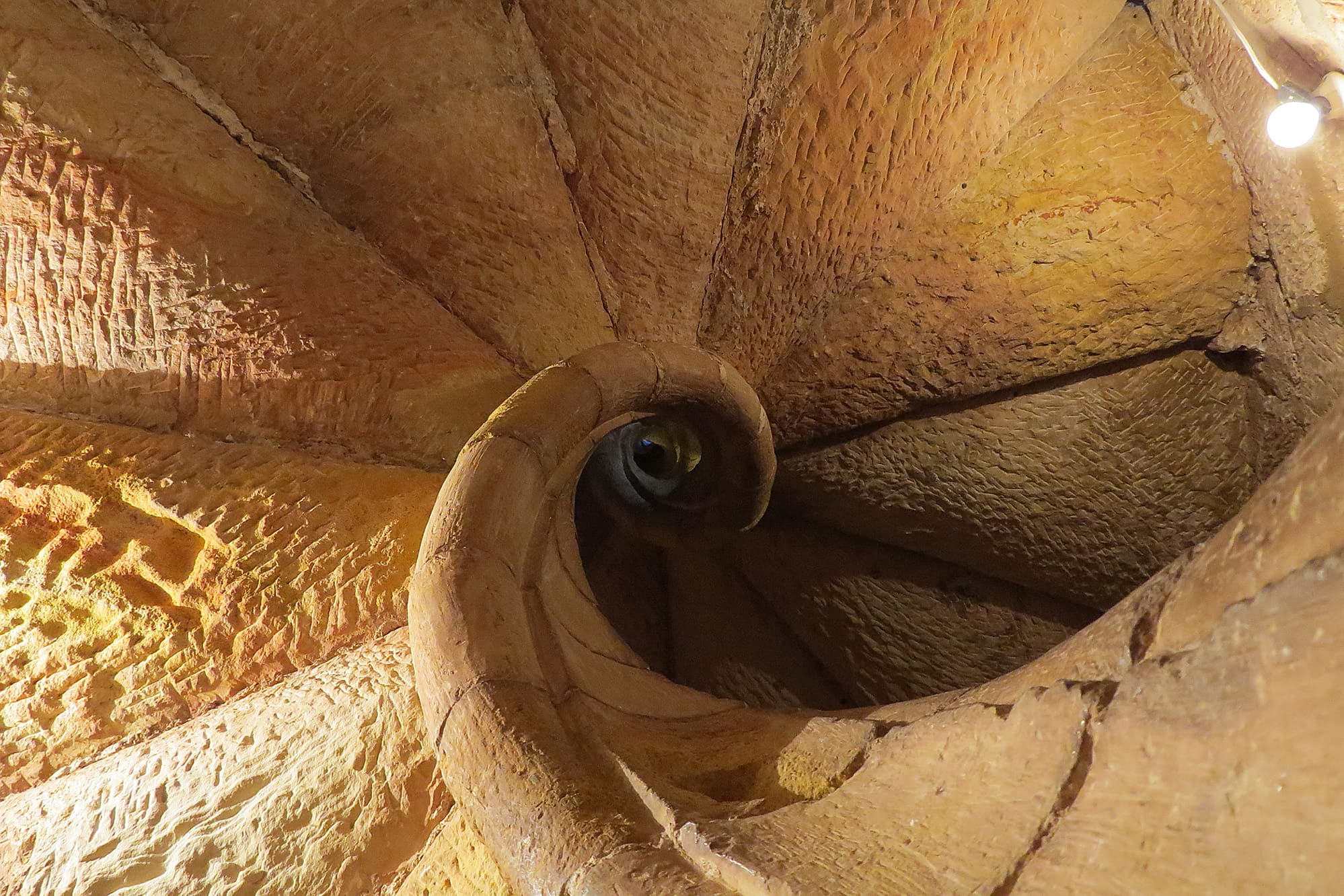
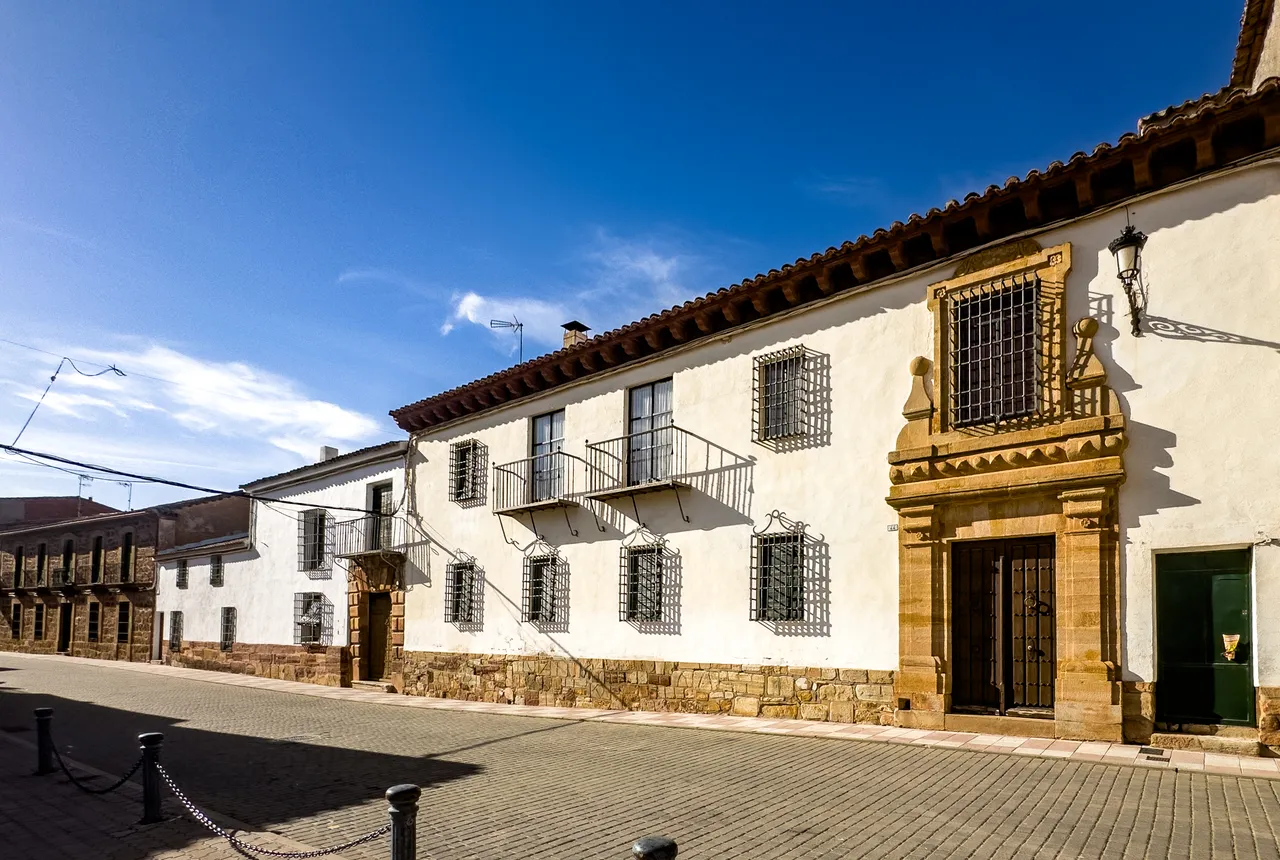
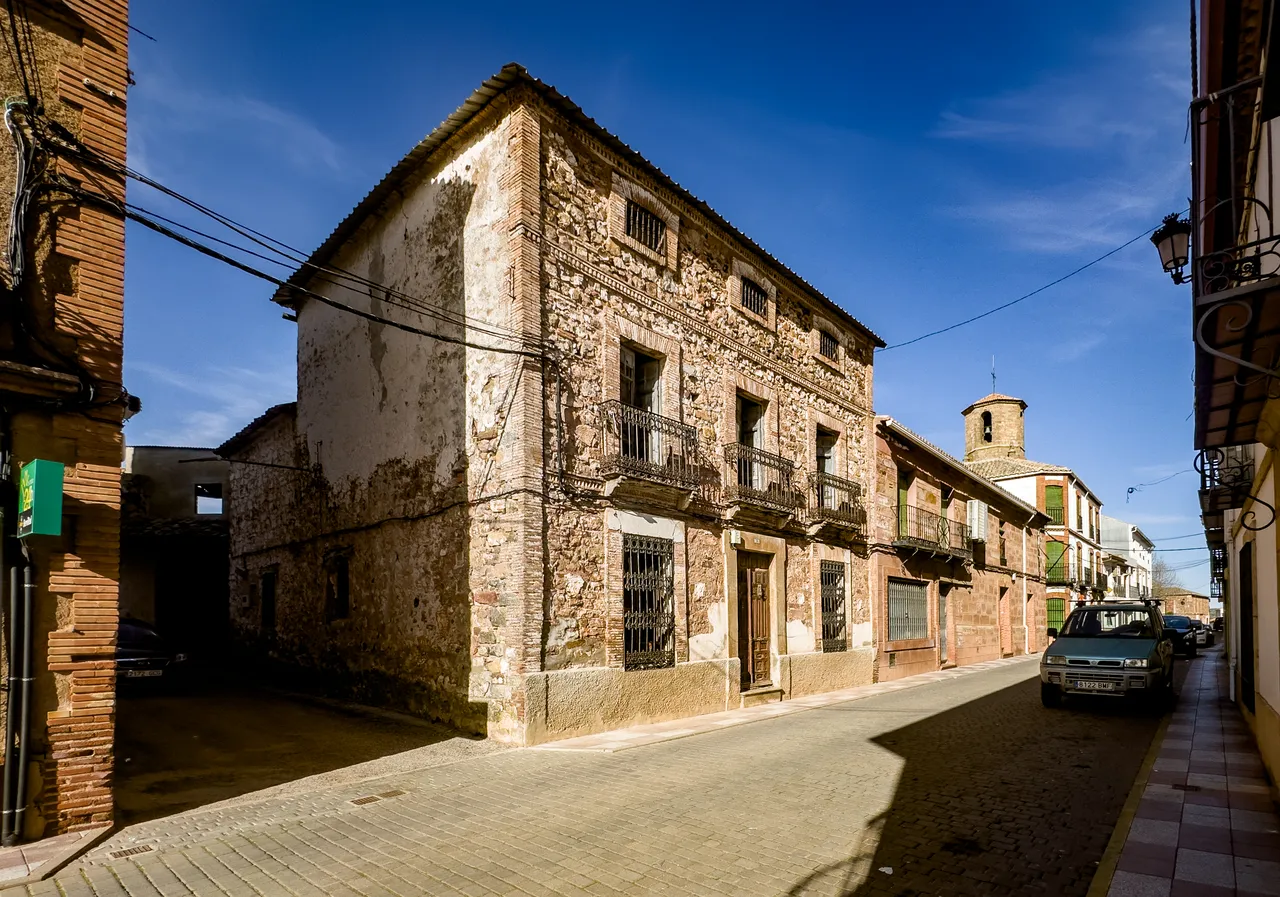
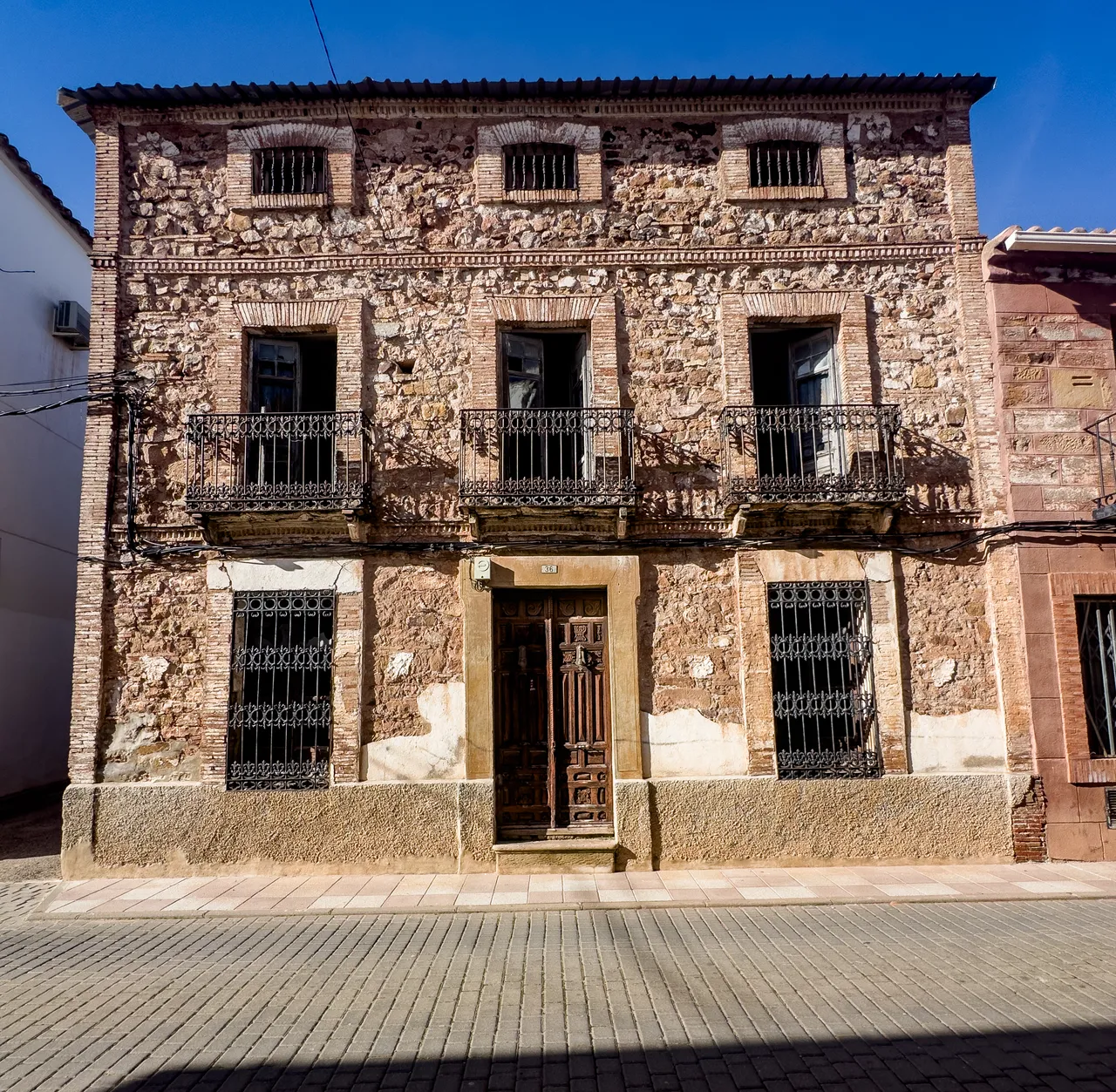
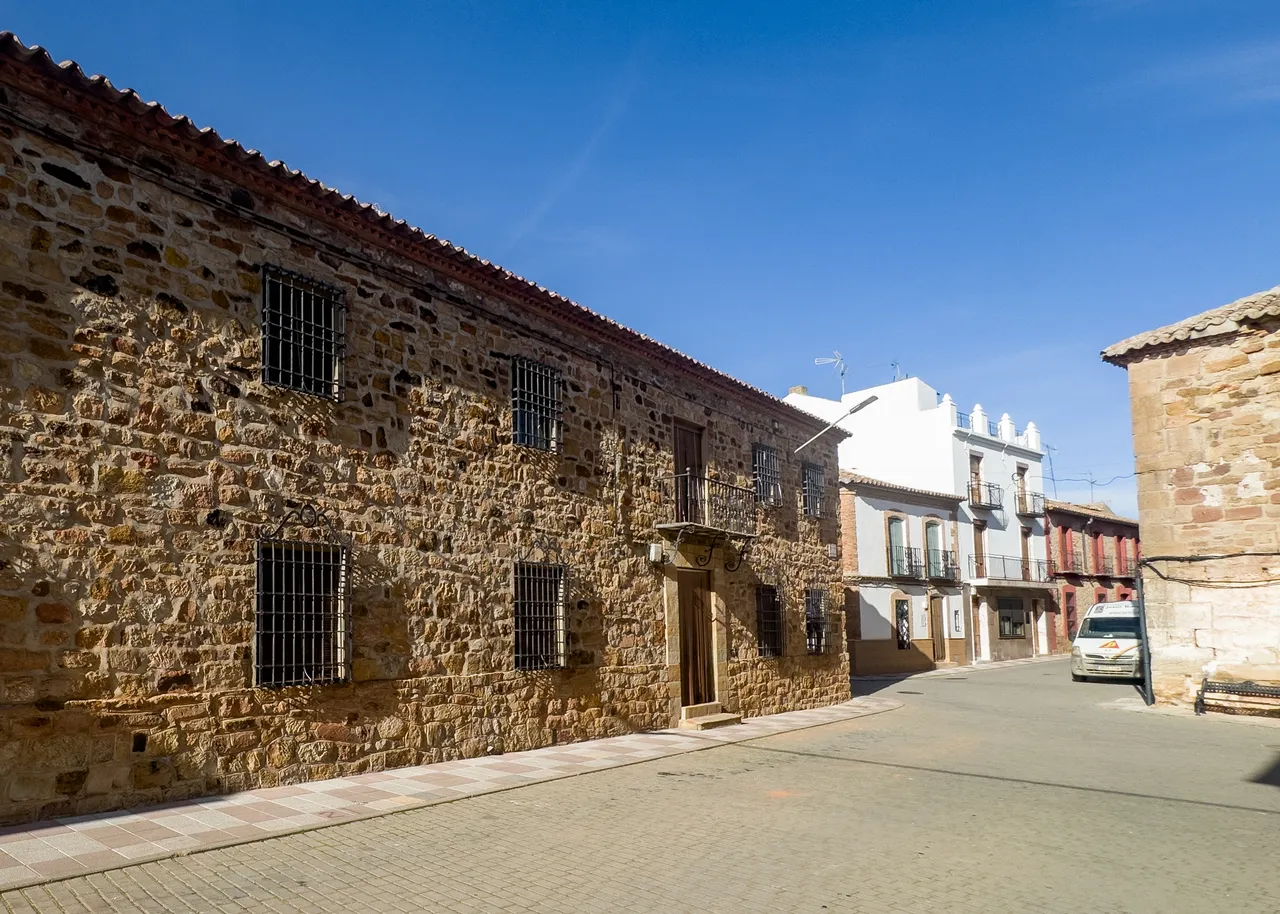
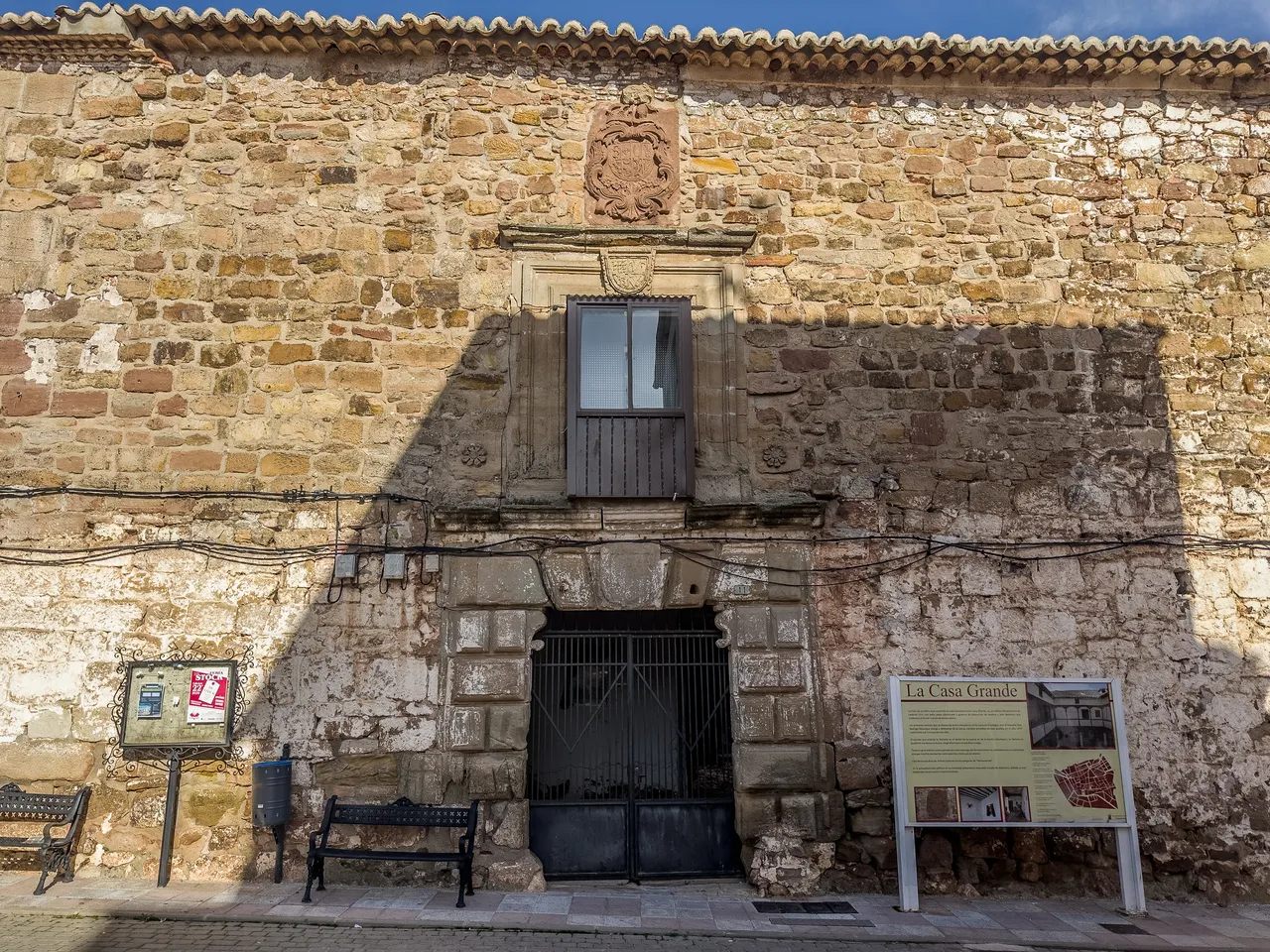
A visit to Villamanrique offers a unique blend of monumental heritage, historical significance, and stunning landscapes. The Church of San Andrés, the surrounding area of Montizón, the Andalusian fortress of Eznavexor, the Torre de la Higuera, and the shared tradition of the Virgen de Mairena form a rich tapestry that perfectly encapsulates the town's character. Added to this is a vibrant local atmosphere where traditional crafts and a deep connection to the land still thrive, making Villamanrique a particularly appealing destination for those seeking to understand the Campo de Montiel region from its most distinctive borderland, historical, and scenic perspectives.
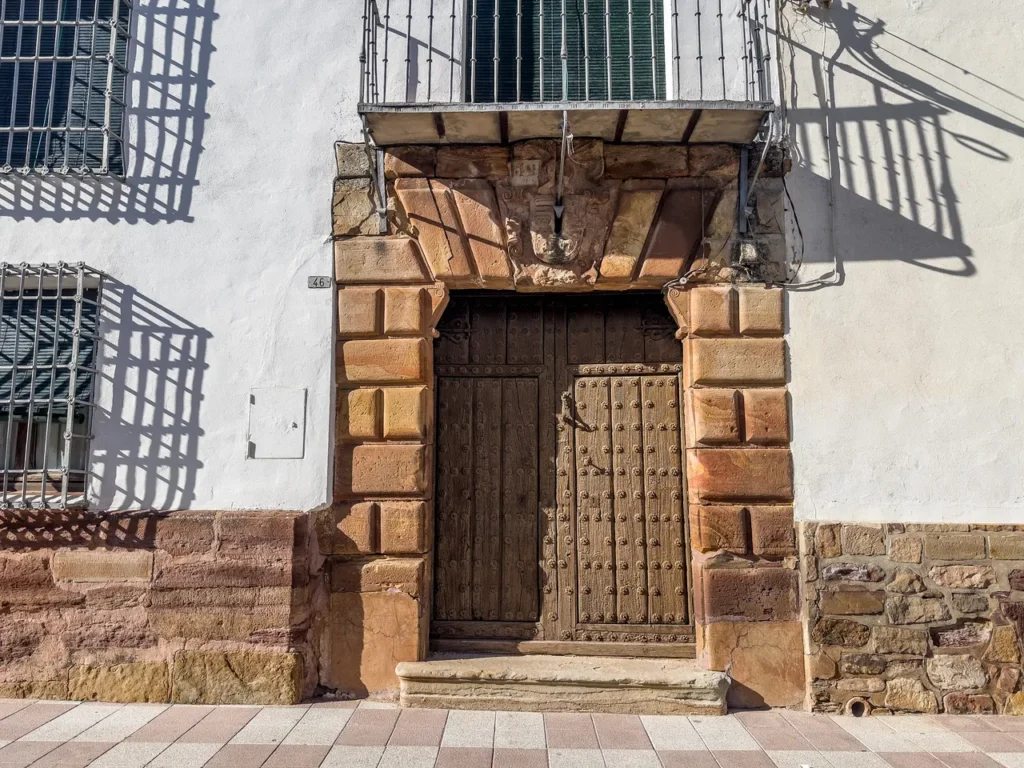
Living culture
The celebrations that keep the spirit alive Villamanrique
Deep roots
Discover the historical and architectural treasures that make up Villamanrique a unique destination
C. Cervantes, 11, Villamanrique
Villamanrique
Villamanrique
C. Jerónimo Frías, 23, Villamanrique
Villamanrique
Villamanrique
C. Cervantes, 11, Villamanrique
Villamanrique
Villamanrique
C. Jerónimo Frías, 23, Villamanrique
Villamanrique
Villamanrique
Establishments where you can quench your thirst and hunger and give your body a rest after a day of adventures and discoveries in this wonderful town
Events
Routes
Golden Age Literature
The Campo de Montiel region was the birthplace and refuge of the leading authors and figures of Spanish Golden Age literature. Therefore, we propose a route that includes the main locations where history continues to unfold even today.
Distance
43 km
Duration
2 days
Difficulty
Easy
Municipality
Several
Route of the castles of the Order of Santiago
Following the Christian victory at Las Navas de Tolosa (1212), the Order of Santiago was tasked with repopulating and defending the Campo de Montiel region against Almohad incursions from the south. To this end, they established a defensive system of over thirty fortresses scattered throughout the area, comprised of watchtowers and large castles such as the Castle of La Estrella de Montiel and Montizón Castle in Villamanrique. This two-day route explores the most significant military sites, following the same arc...
Distance
130 km
Duration
2 days
Difficulty
Moderate
Municipality
Several
Renaissance Art Route
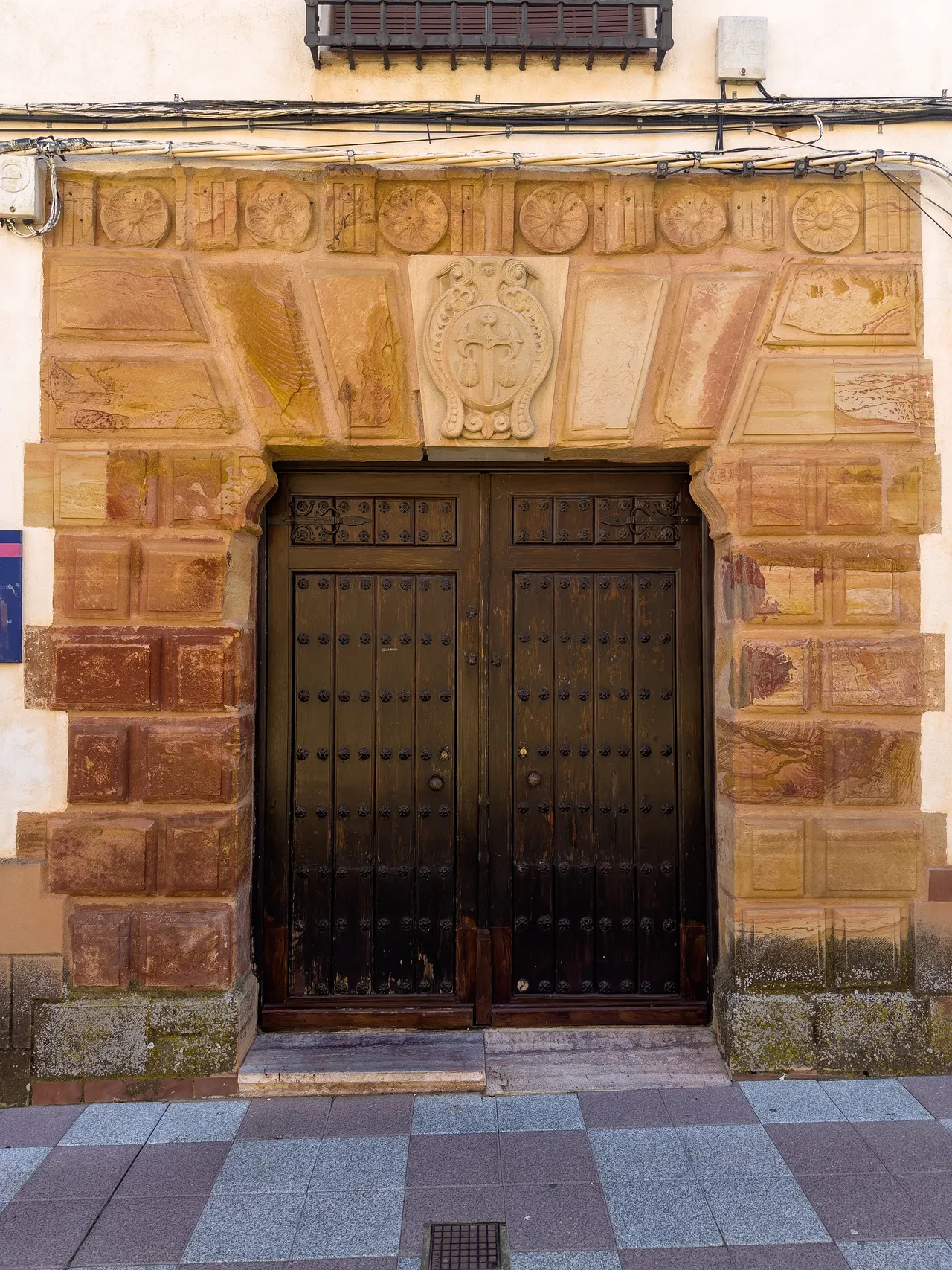
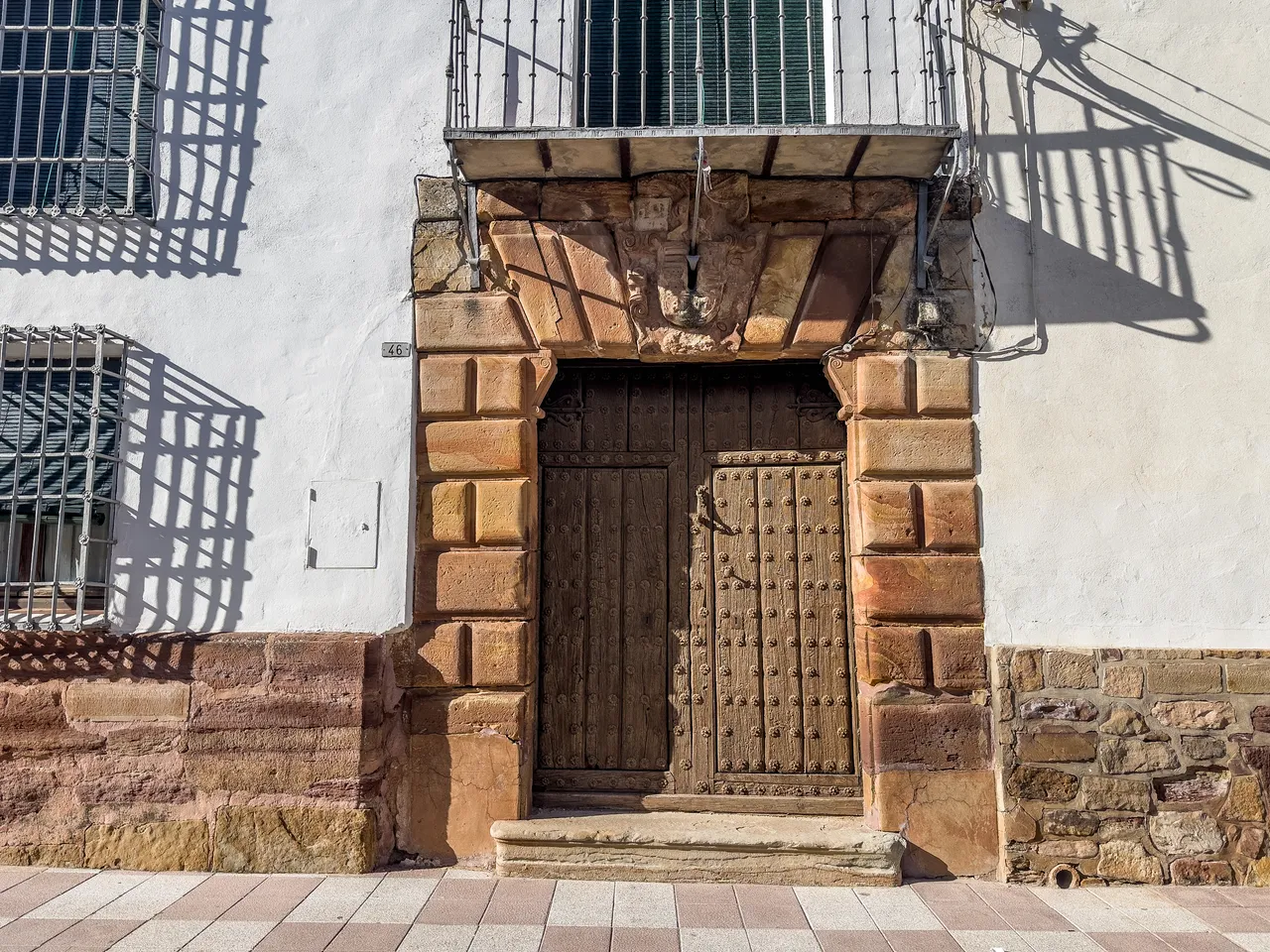
The Campo de Montiel region boasts one of the most remarkable collections of Renaissance architecture and visual arts in Castilla-La Mancha. Throughout the 16th century, the economic prosperity fostered by the Order of Santiago and a flourishing local nobility financed churches, Plateresque portals, Mannerist altarpieces, and stately homes that still stand as the most visible testament to the region's splendor. It was also in this landscape that Fernando Yáñez de Almedina, a direct disciple of Leonardo da Vinci, was born.
Distance
75 km
Duration
1 day
Difficulty
Easy
Municipality
Several
Gothic Route – Milky Way
Medieval Christian tradition identified the Milky Way with the Camino de Santiago: that path of stars crossing the night sky was the silent guide leading pilgrims to Compostela. We propose a metaphorical journey through stars sculpted in stone by the ribbed vaults, whose ribs intertwine like constellations to support the firmament of the churches that the Order of Santiago erected throughout the Campo de Montiel. No other territory in Castilla-La Mancha...
Distance
120 km
Duration
2 days
Difficulty
Easy
Municipality
Several
Golden Age Literature
The Campo de Montiel region was the birthplace and refuge of the leading authors and figures of Spanish Golden Age literature. Therefore, we propose a route that includes the main locations where history continues to unfold even today.
Distance
43 km
Duration
2 days
Difficulty
Easy
Municipality
Several
Route of the castles of the Order of Santiago
Following the Christian victory at Las Navas de Tolosa (1212), the Order of Santiago was tasked with repopulating and defending the Campo de Montiel region against Almohad incursions from the south. To this end, they established a defensive system of over thirty fortresses scattered throughout the area, comprised of watchtowers and large castles such as the Castle of La Estrella de Montiel and Montizón Castle in Villamanrique. This two-day route explores the most significant military sites, following the same arc...
Distance
130 km
Duration
2 days
Difficulty
Moderate
Municipality
Several
Renaissance Art Route
The Campo de Montiel region boasts one of the most remarkable collections of Renaissance architecture and visual arts in Castilla-La Mancha. Throughout the 16th century, the economic prosperity fostered by the Order of Santiago and a flourishing local nobility financed churches, Plateresque portals, Mannerist altarpieces, and stately homes that still stand as the most visible testament to the region's splendor. It was also in this landscape that Fernando Yáñez de Almedina, a direct disciple of Leonardo da Vinci, was born.
Distance
75 km
Duration
1 day
Difficulty
Easy
Municipality
Several
Gothic Route – Milky Way
Medieval Christian tradition identified the Milky Way with the Camino de Santiago: that path of stars crossing the night sky was the silent guide leading pilgrims to Compostela. We propose a metaphorical journey through stars sculpted in stone by the ribbed vaults, whose ribs intertwine like constellations to support the firmament of the churches that the Order of Santiago erected throughout the Campo de Montiel. No other territory in Castilla-La Mancha...
Distance
120 km
Duration
2 days
Difficulty
Easy
Municipality
Several


© Campo de Montiel - 2026