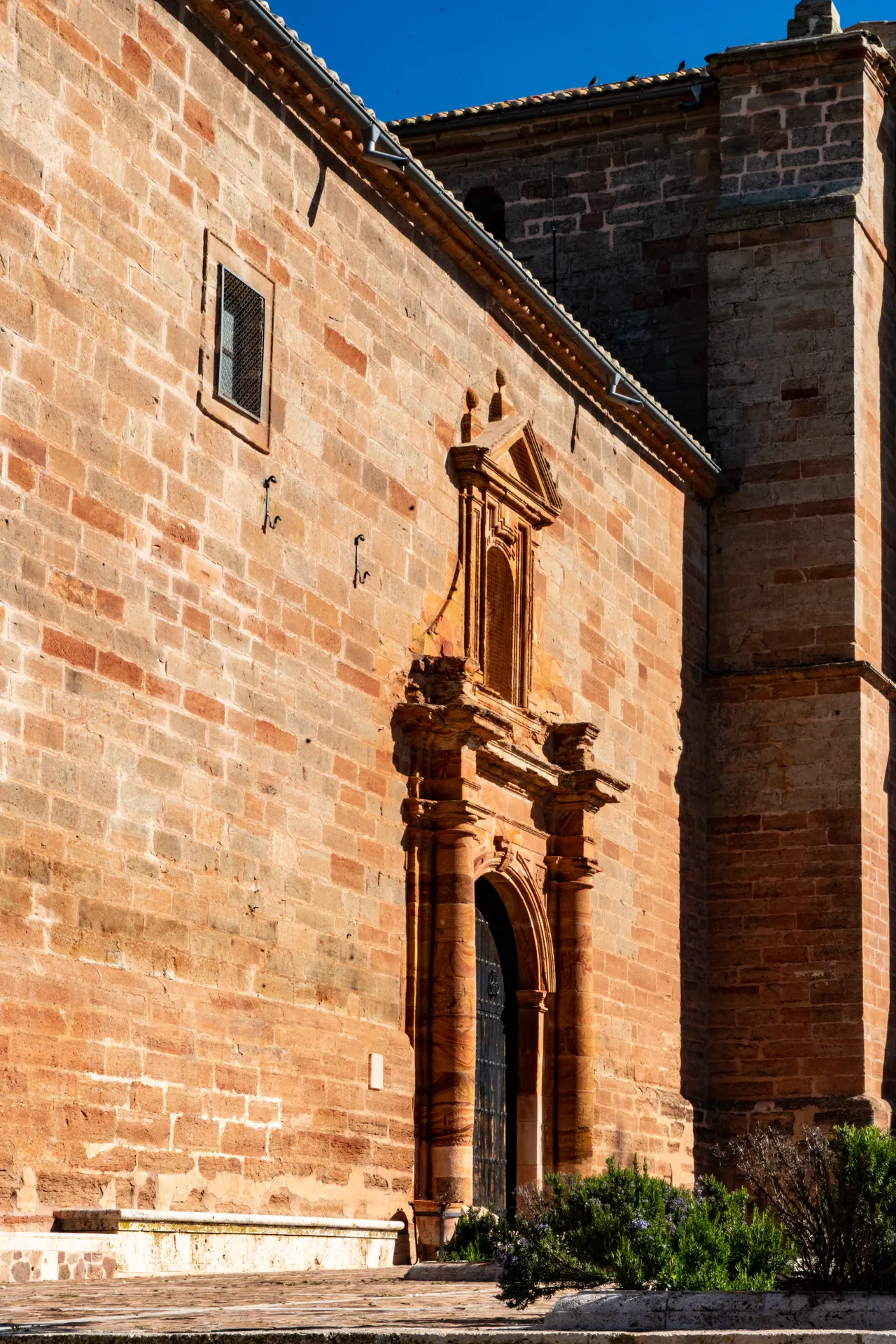
Church of Our Lady of the Elms

C. San Antón, 1, Torre de Juan Abad

About this place

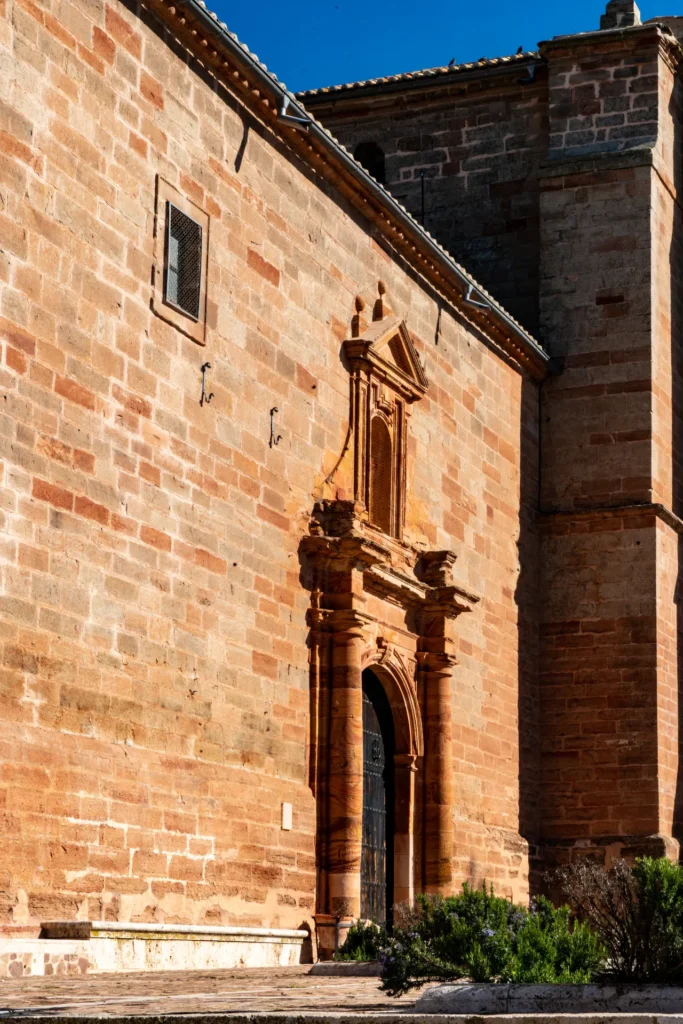
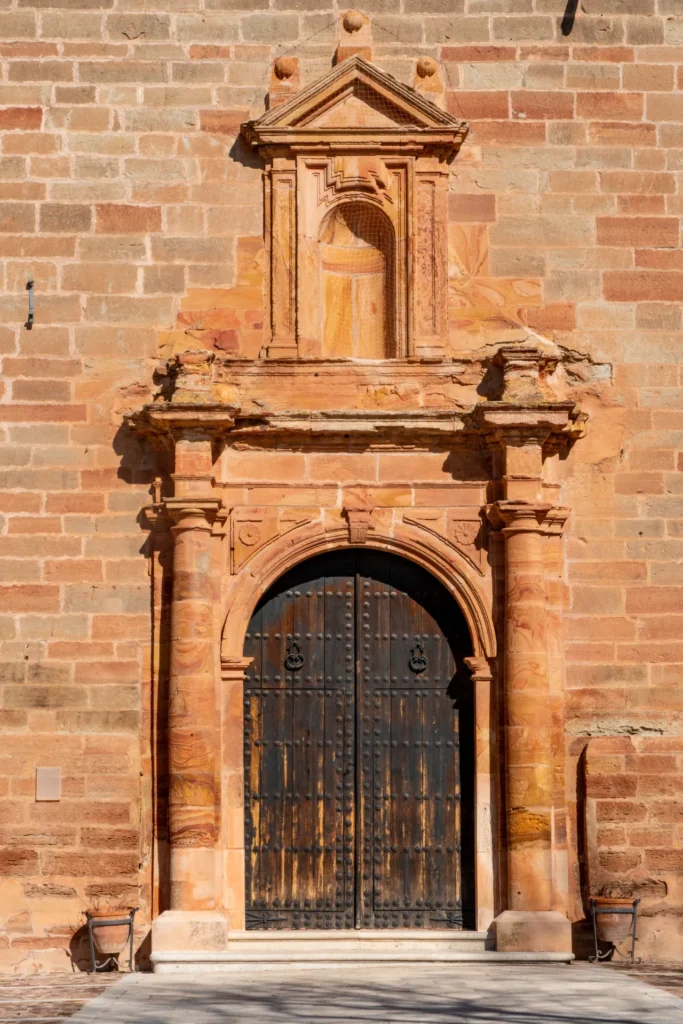
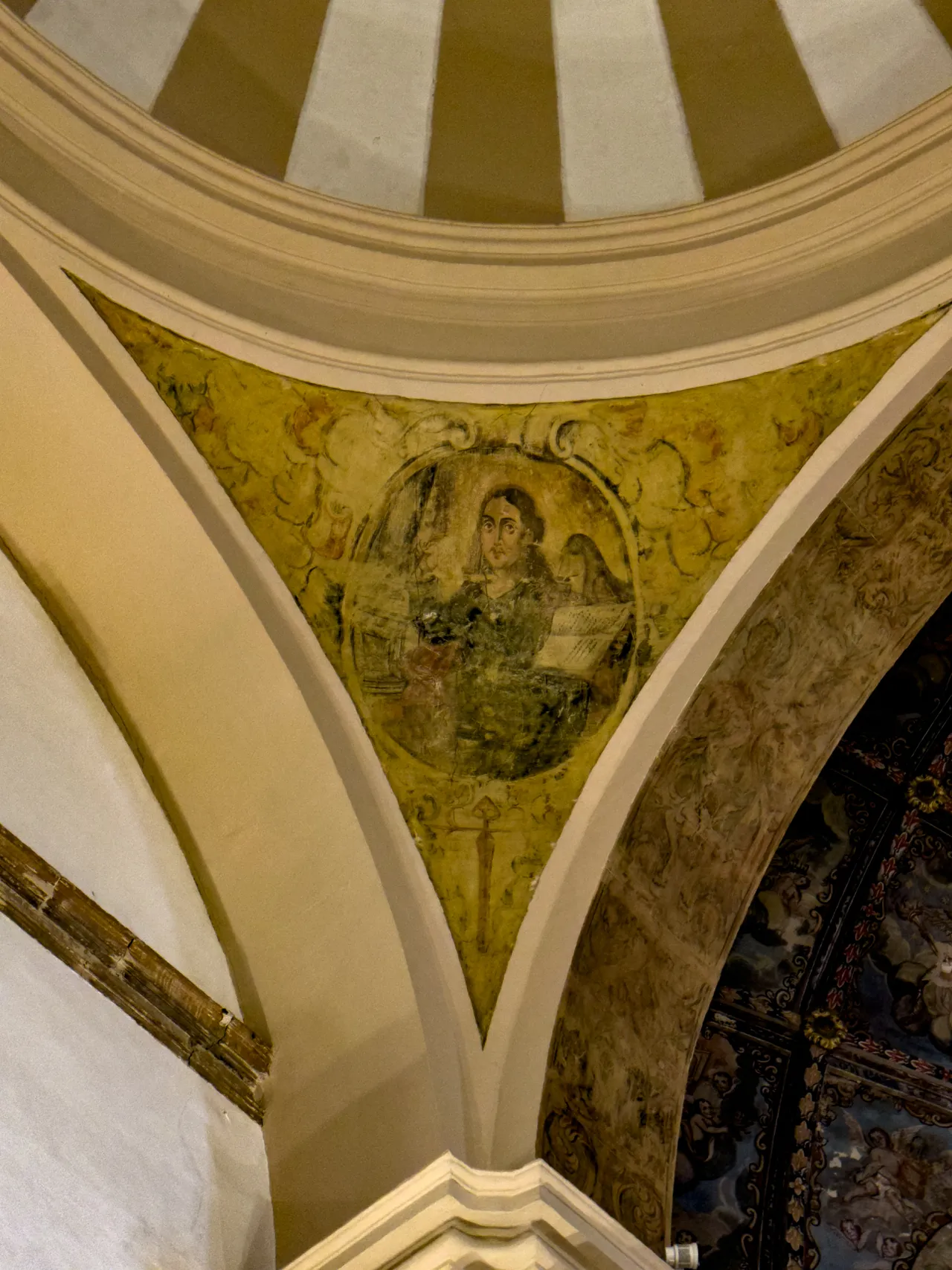
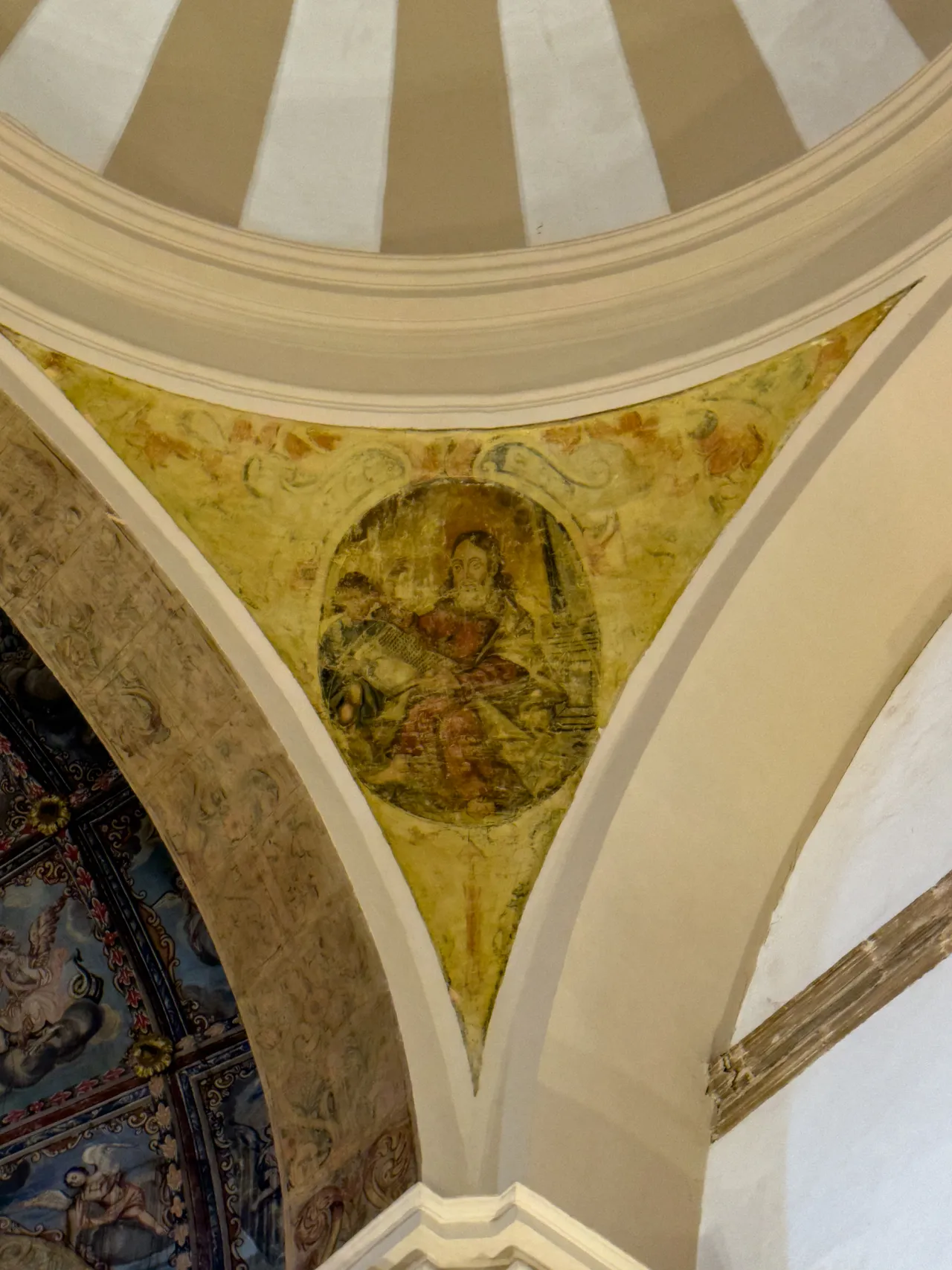
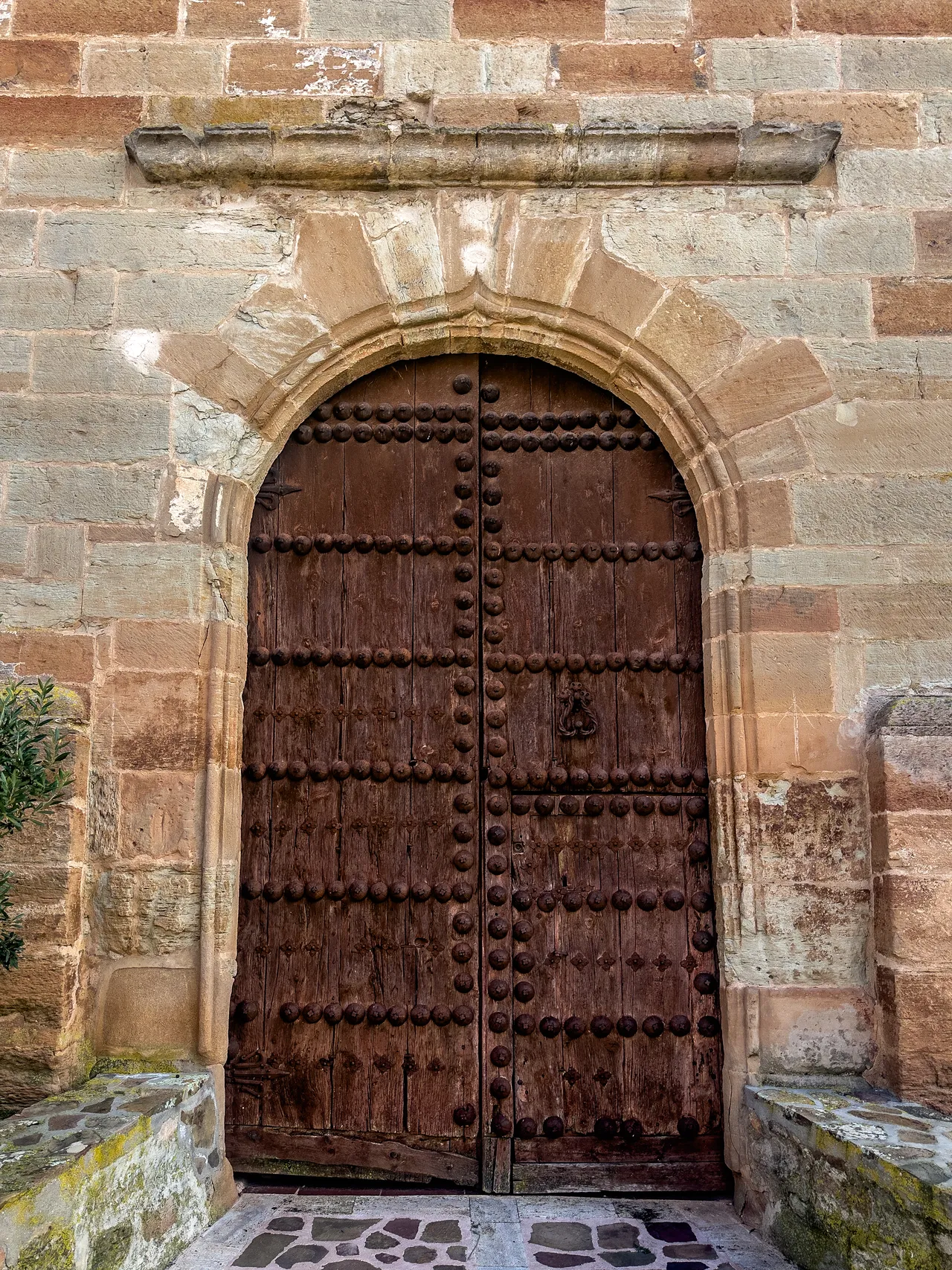
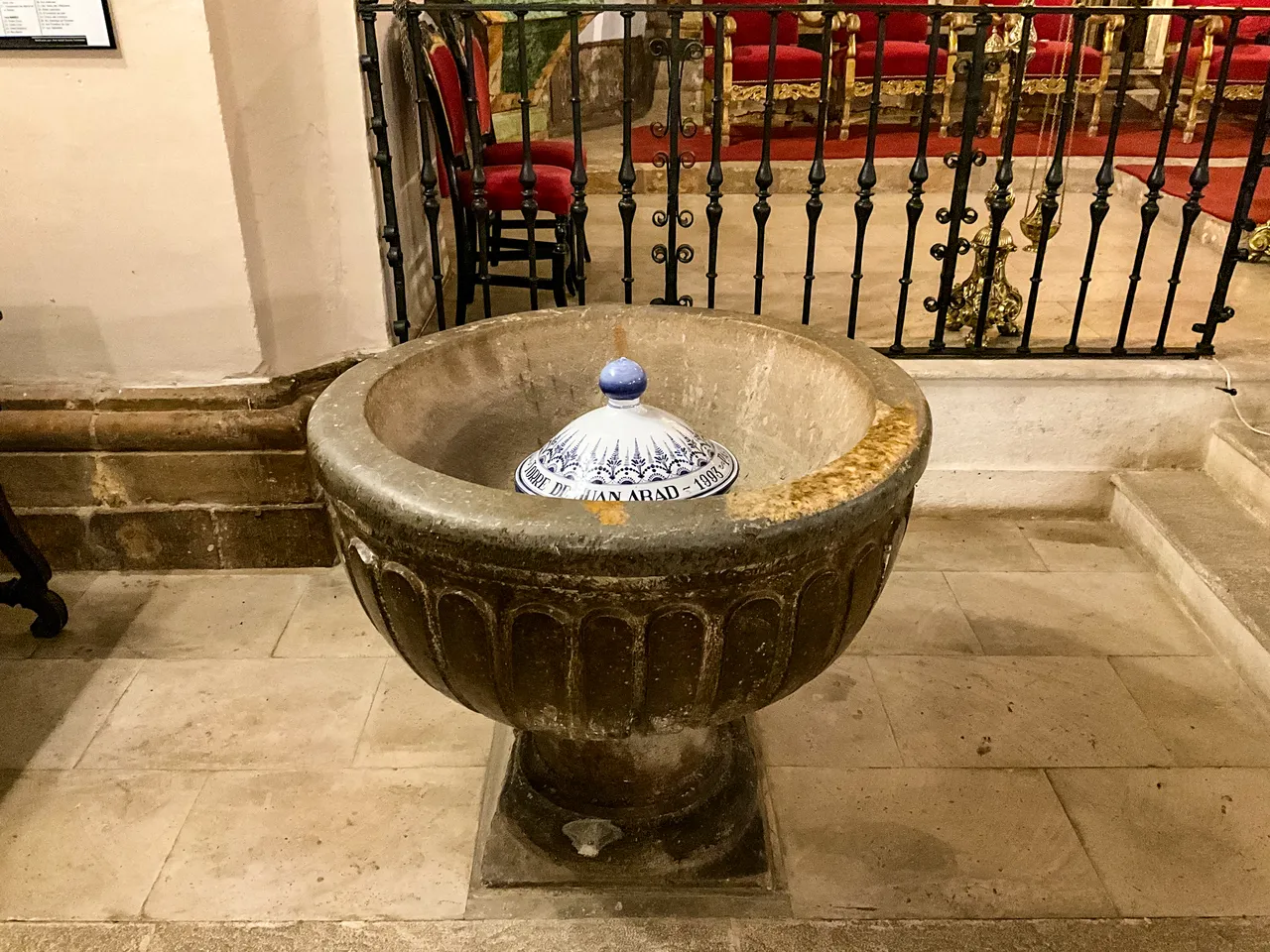
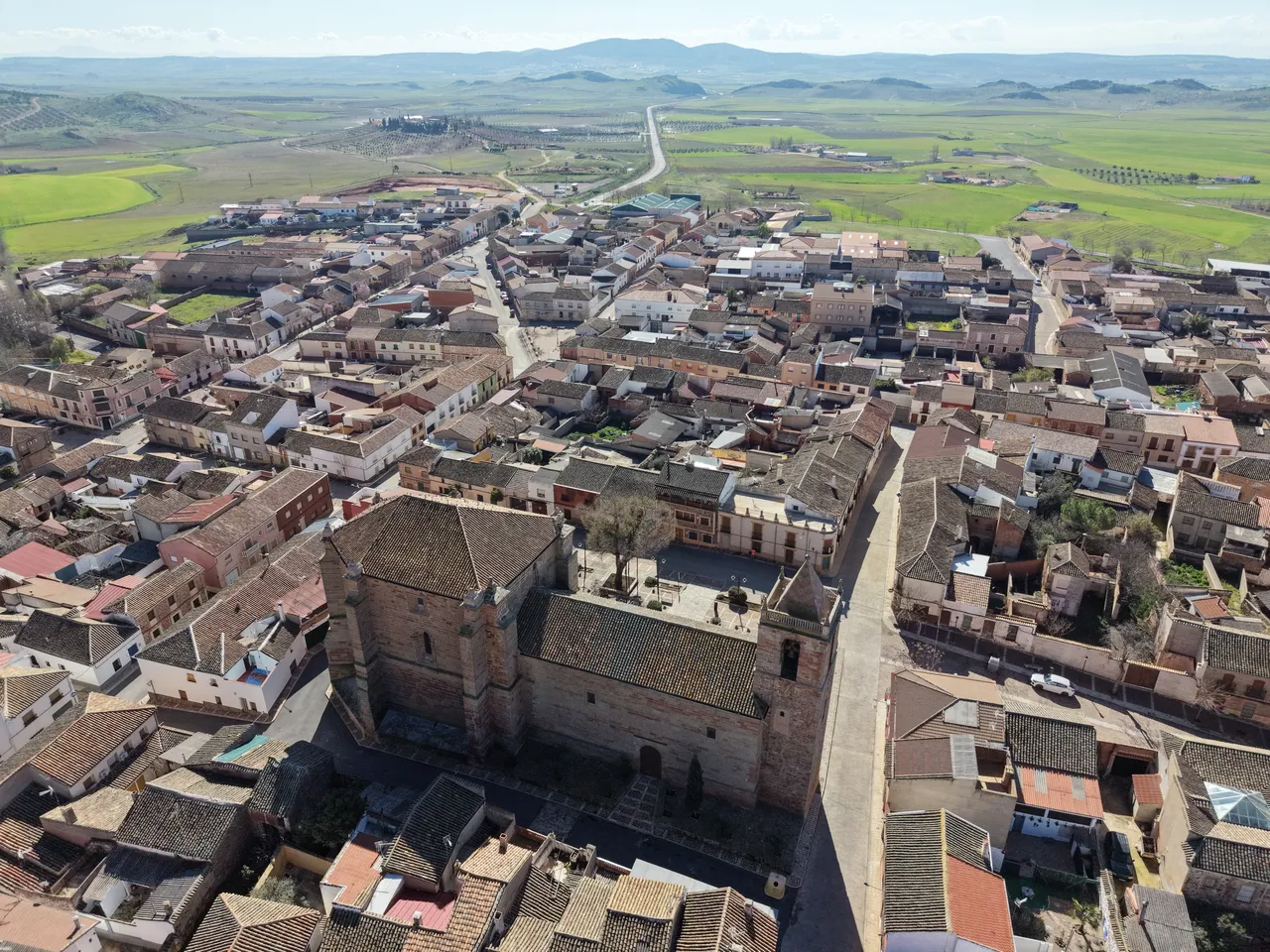
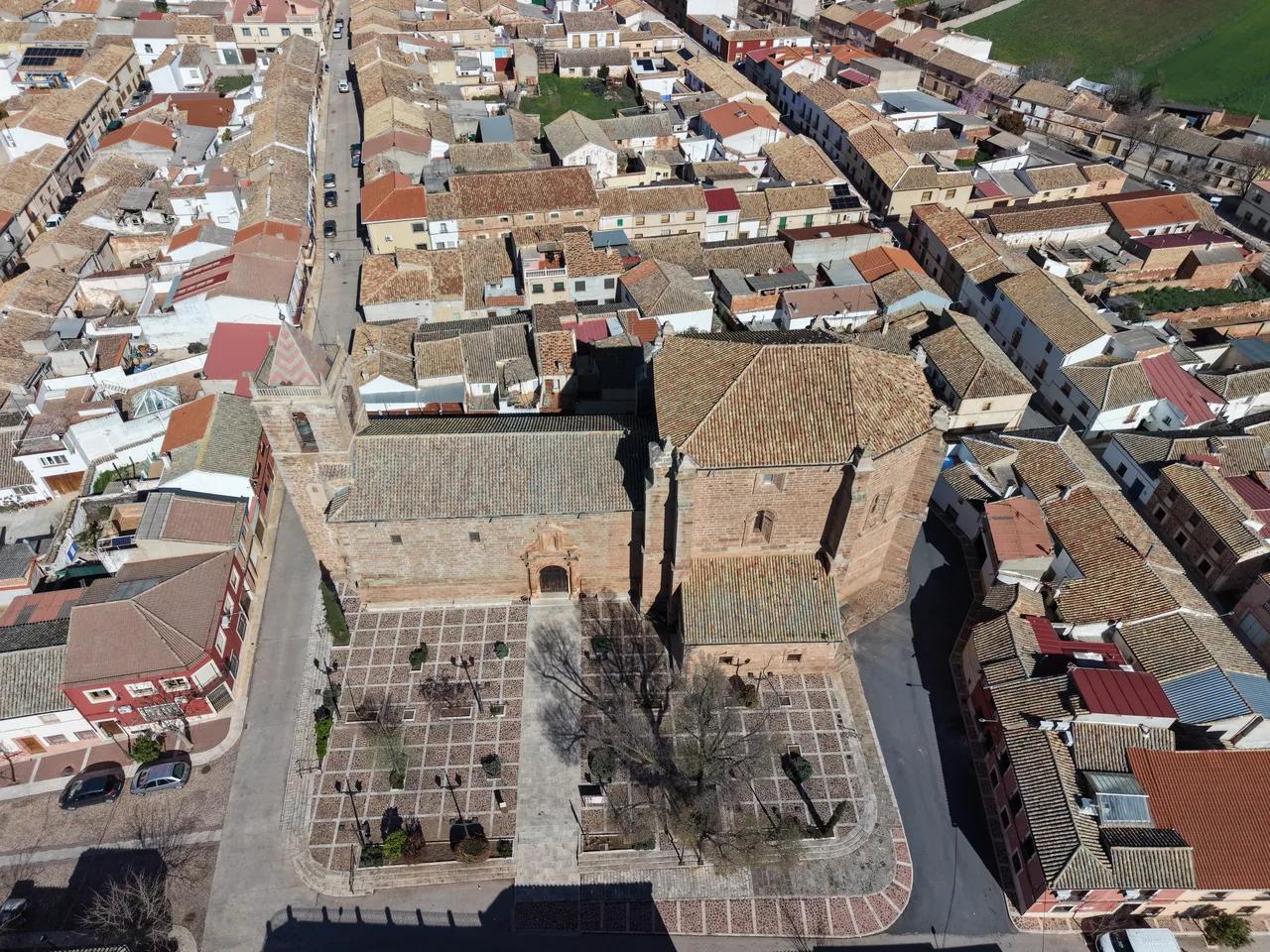
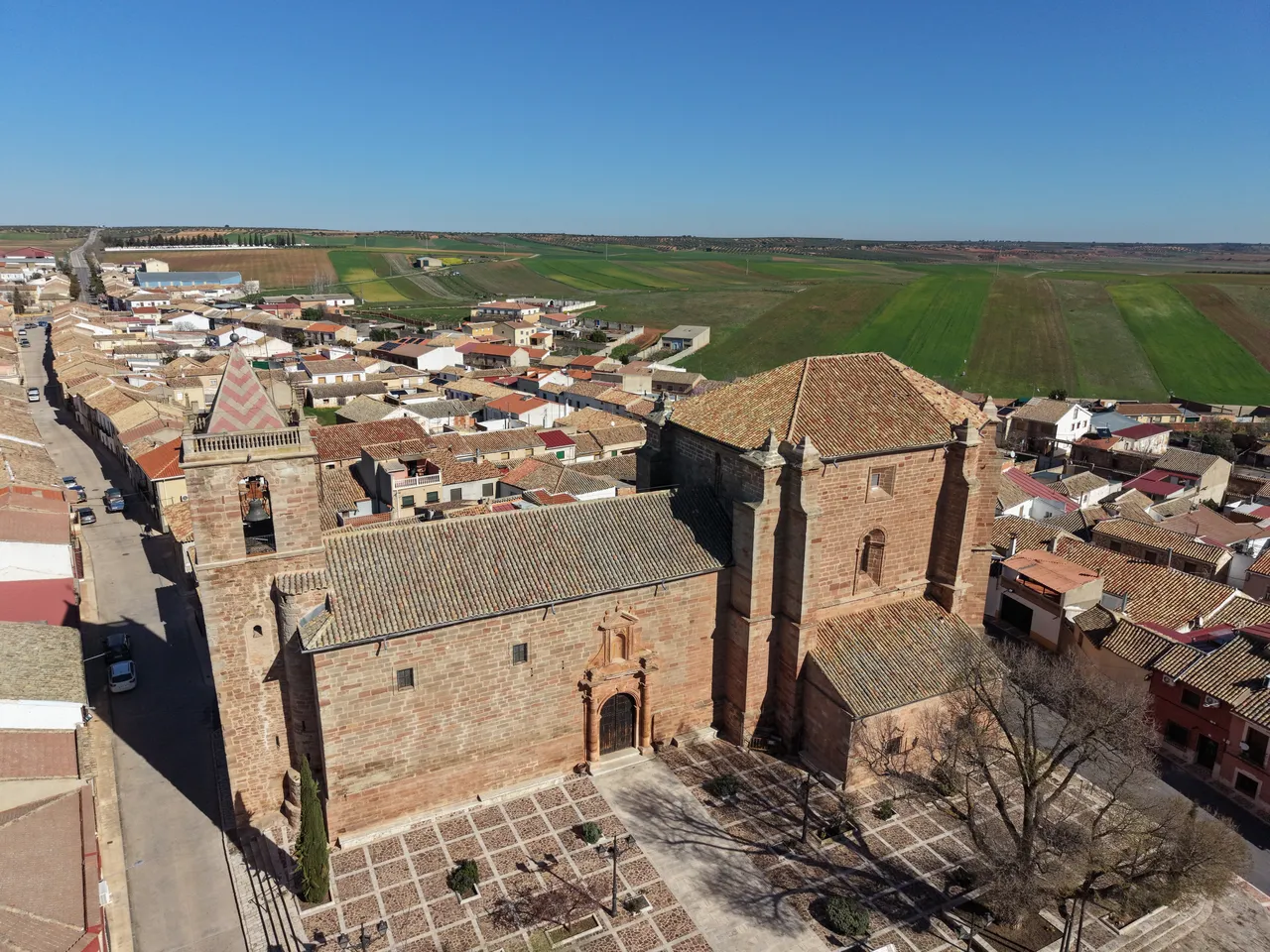
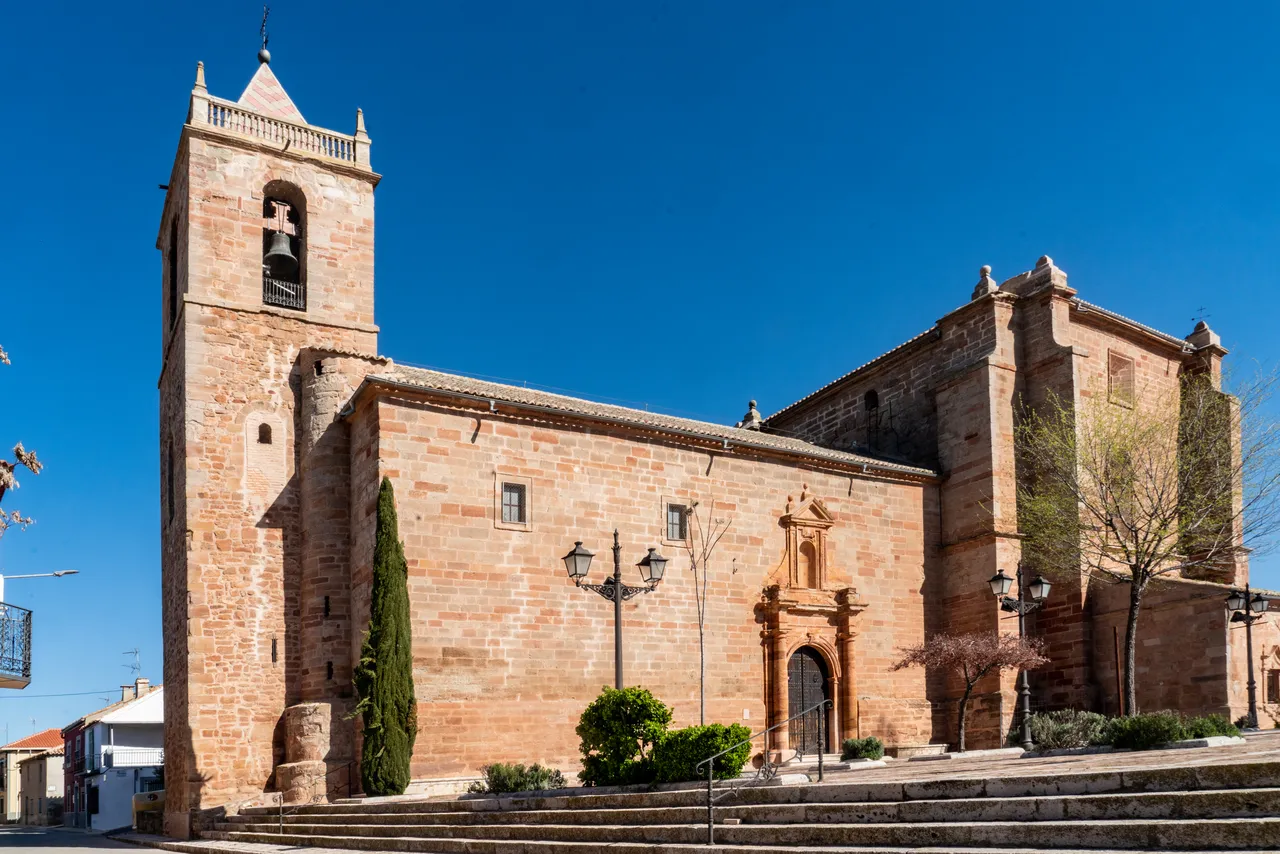
The church of Our Lady of the Elms is one of the most representative buildings of Torre de Juan Abad and one of the landmarks that best show the consolidation of the current nucleus of the population.

Its presence in the urban center helps to understand how the settlement ended up being structured around this space, once the previous enclave of Cerro de Santiago was abandoned.

It is, therefore, a key building to understand the historical evolution of the town within the territory of Santiago.

The importance of this temple must be considered in relation to the formation and development process of Torre de Juan Abad during the High and Late Middle Ages.

The village already had an open church by the middle of the 13th century, at a time when the prominence of Eznavexor Castle was declining and the settlement was beginning to reorganize itself around a new nucleus with better living conditions.

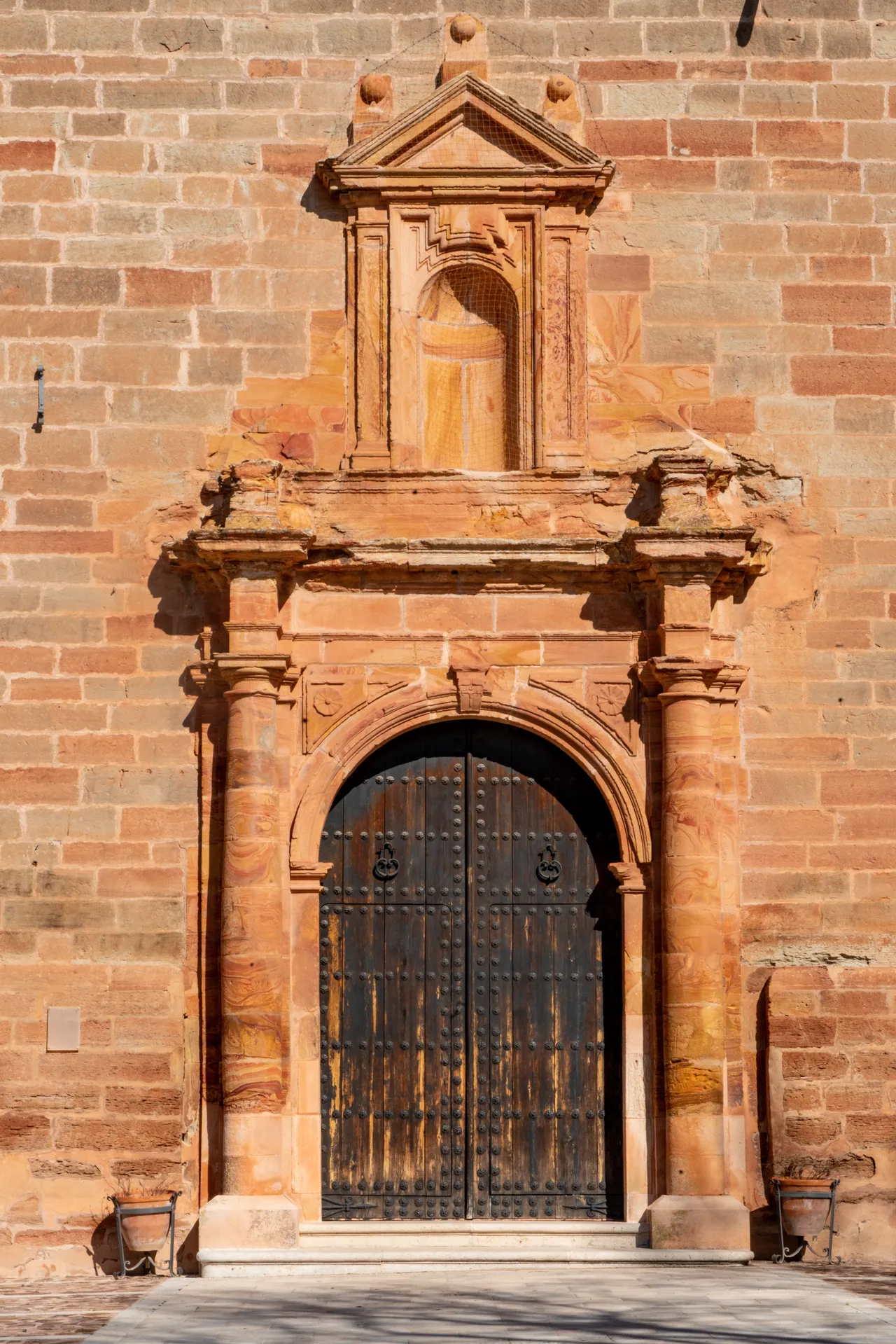
Based on that historical trajectory, the current factory of Nuestra Señora de los Olmos was finally defined between the end of the 15th century and the beginning of the 16th century.

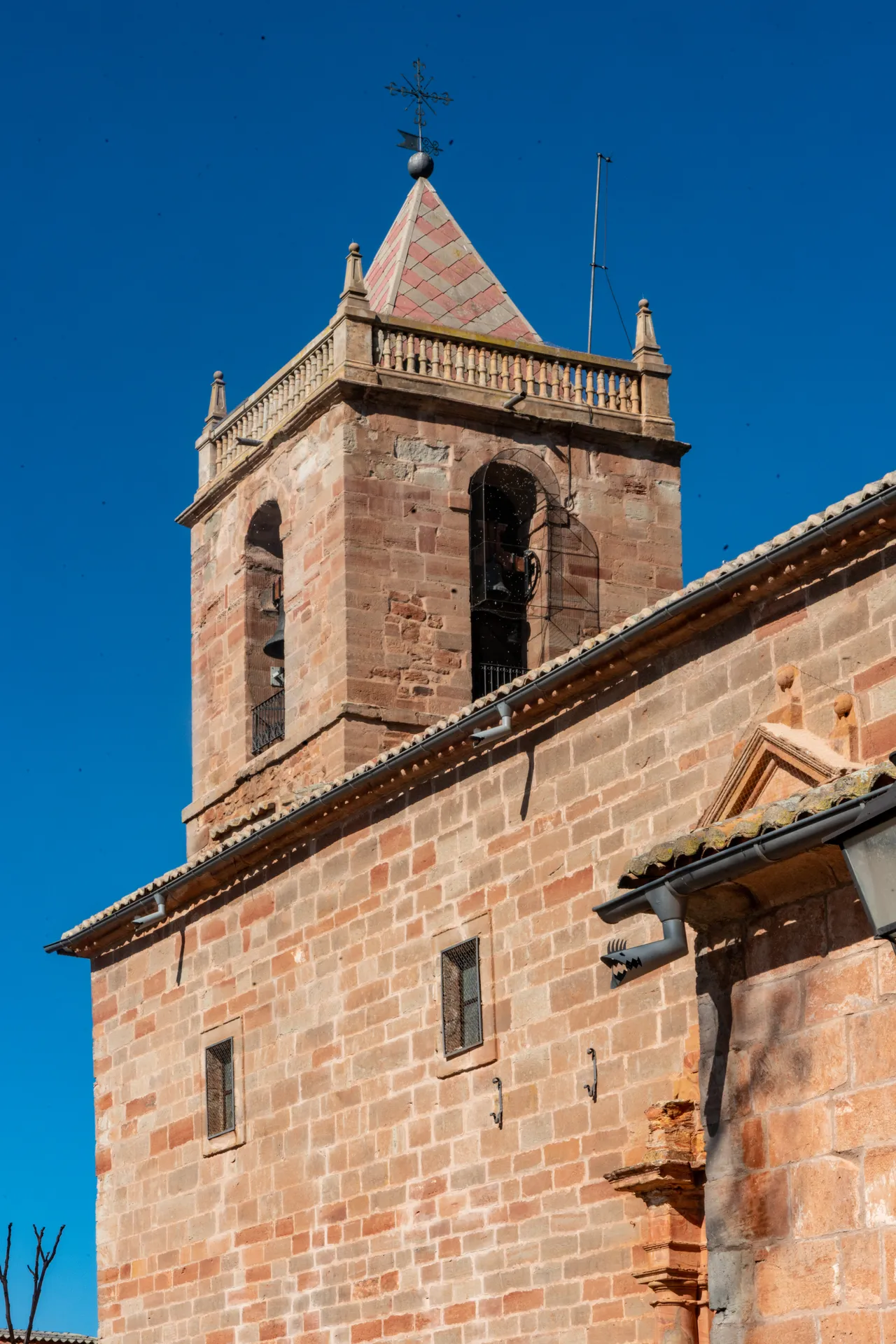
Today, a visit allows you to understand one of the essential aspects of Torre de Juan Abad's heritage. The current church was built between the late 15th and early 16th centuries on the site of an earlier, smaller temple, from which the first section of the bell tower was reused.

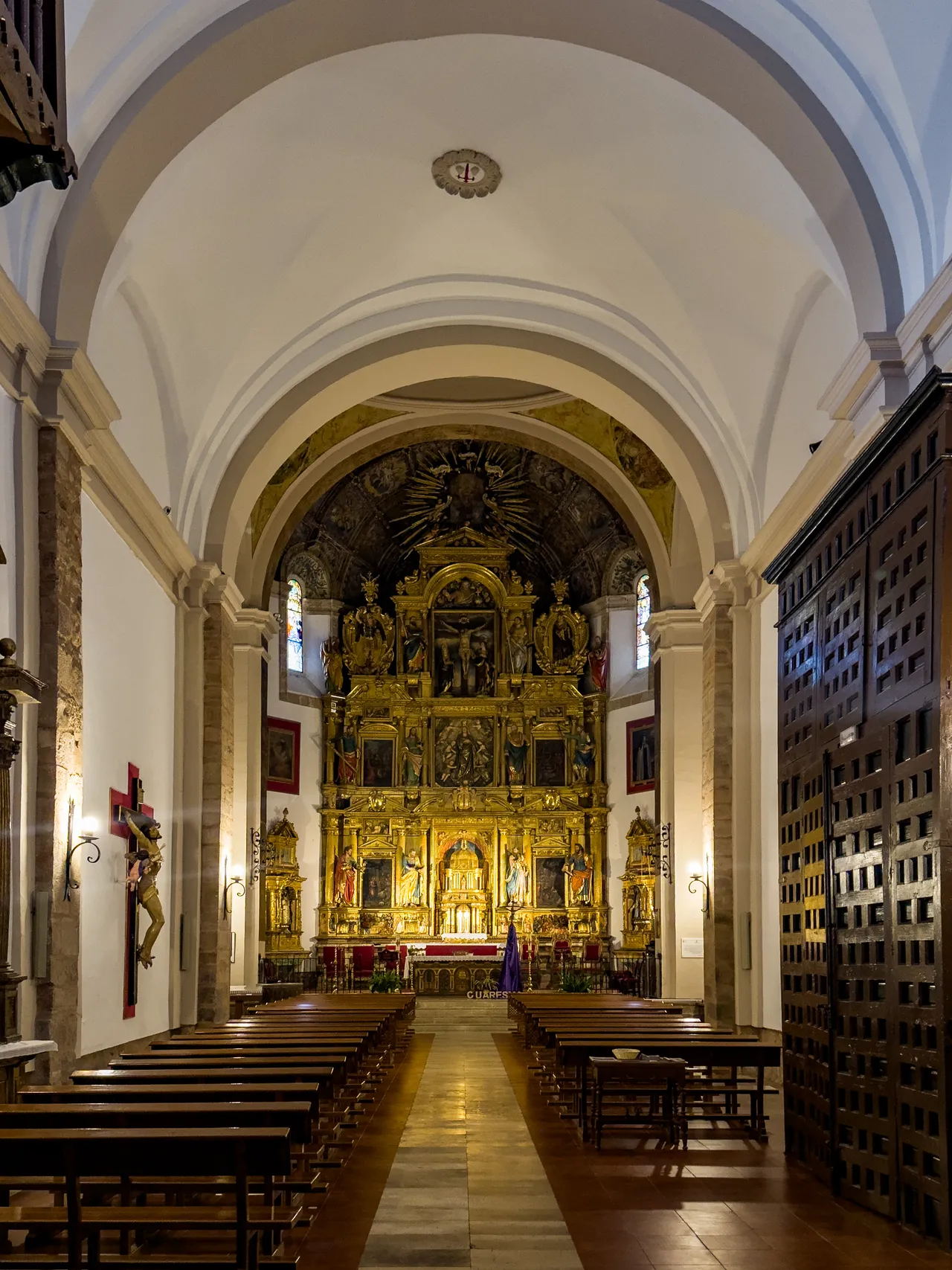
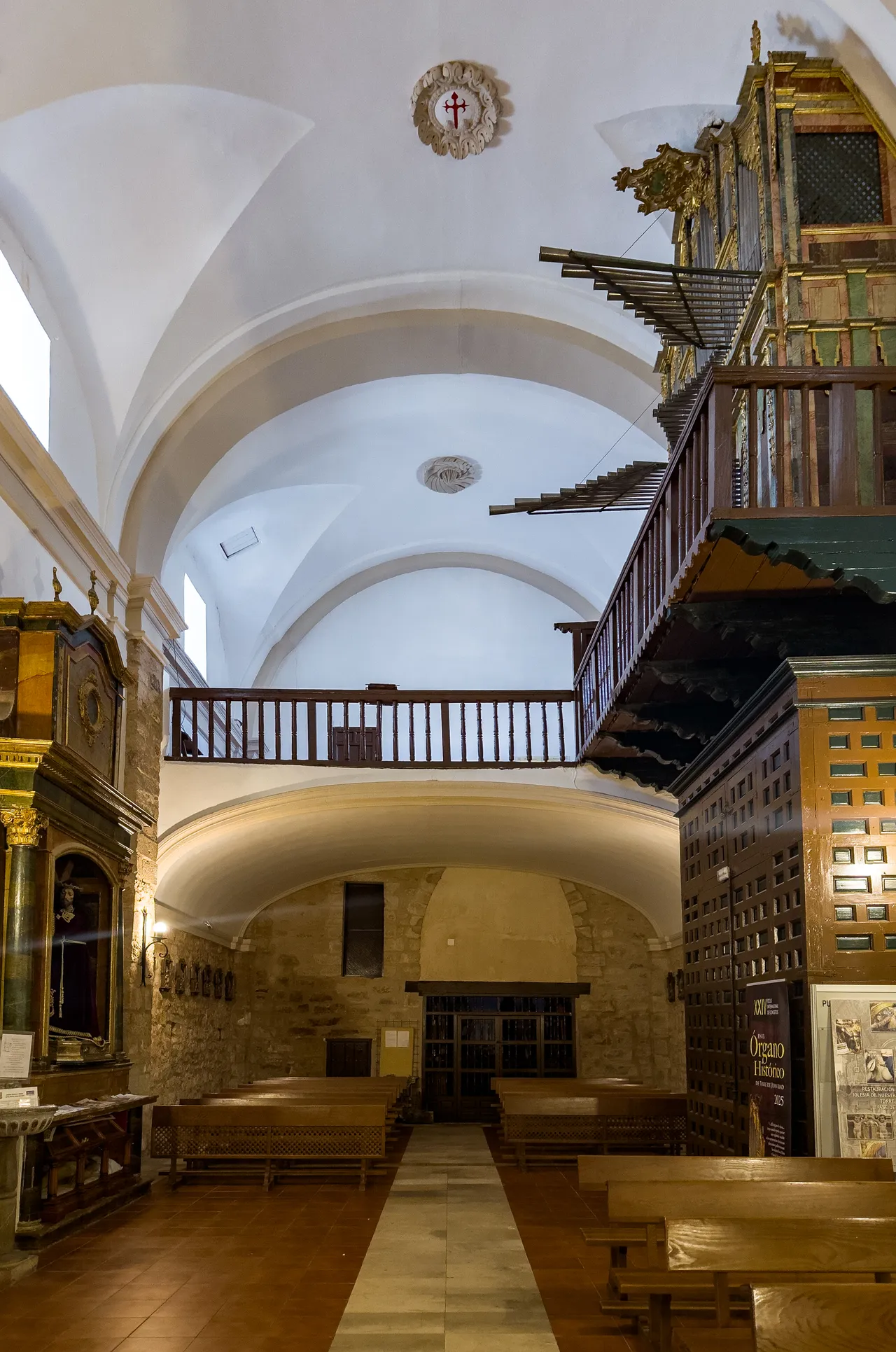
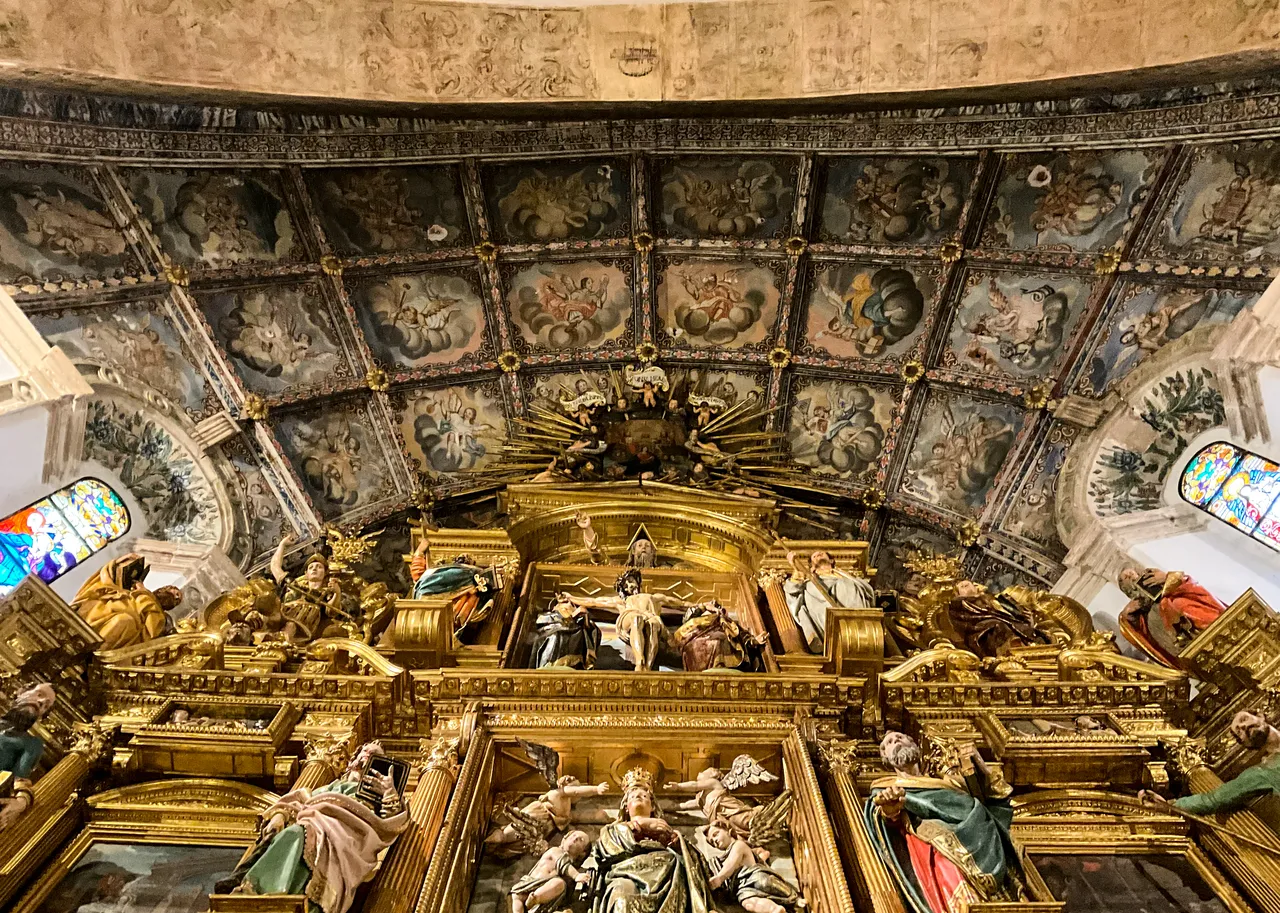
Its highlights include its baroque organ, especially recognized within the heritage of the town, and its baroque altarpiece, which reinforce the artistic value of a key building in the historical image of the town center.

Useful information and location map

  • Approaching the church as the main religious and historical reference point of the urban center.
  • Understanding its role within the consolidation process of Torre de Juan Abad after the abandonment of the previous settlement.
  • Integrate it into a walk through the town center, along with other heritage landmarks of the municipality.
  • Complete the route with the chapel of the Virgin of La Vega and the spaces linked to the historical and cultural memory of the town.

VISUAL GALLERY

Explore the resource

Discover every corner of this resource through our multimedia collection

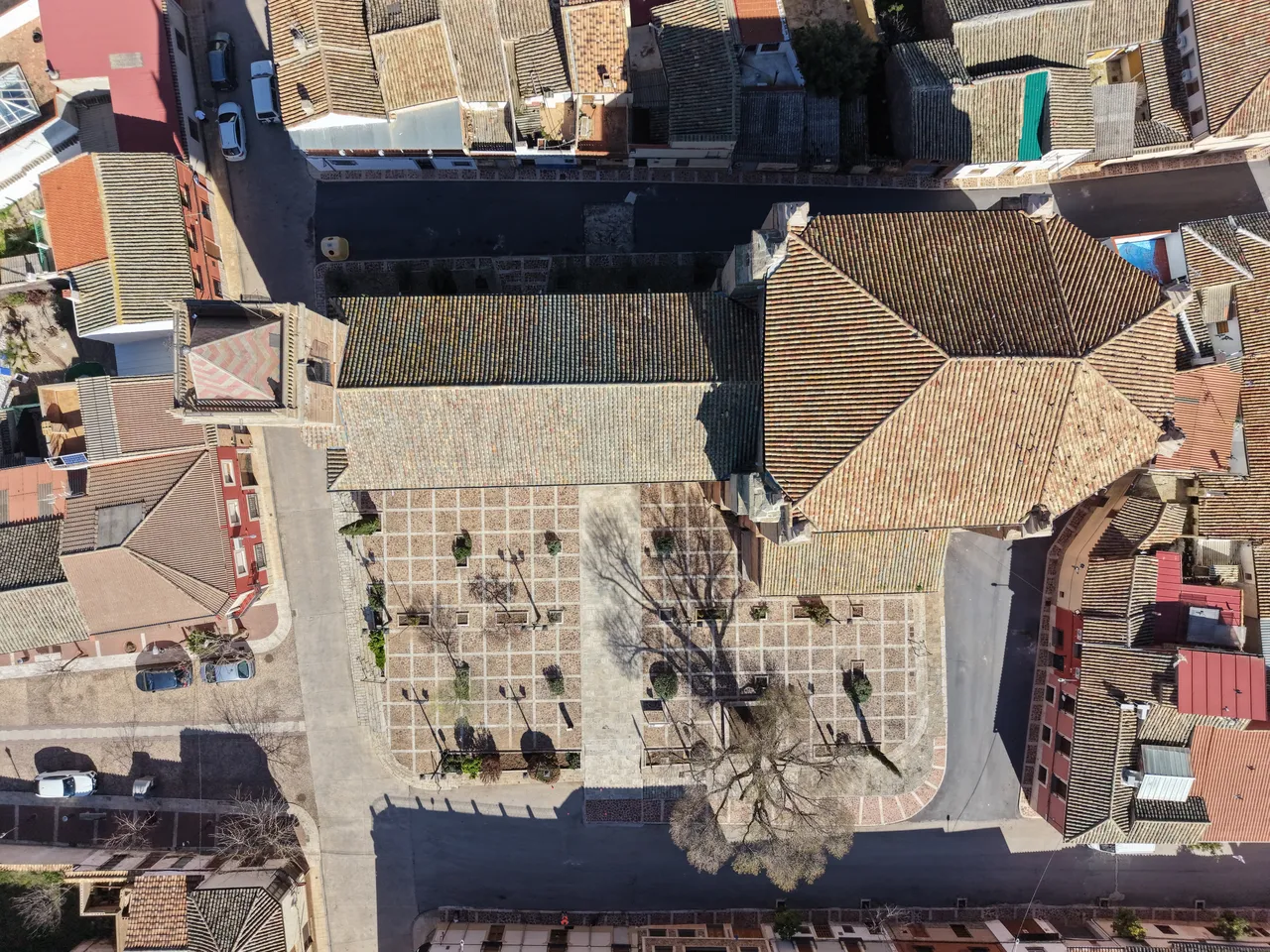
Church of Our Lady of the Elms a bird's-eye view

Other resources in the same municipality

Discover more things to visit that are nearby

Tower of John the Abbot

Casa de la Tercia

Tower of John the Abbot

Parador Square

C. San Antón, 1, Torre de Juan Abad

Main altarpiece and the historic organ

C. Quevedo, 36, Torre de Juan Abad

Quevedo House Museum

Tower of John the Abbot

Hermitage of the Virgin of La Vega

Routes where this resource appears

Organ Route

The Campo de Montiel region boasts one of the most remarkable collections of historic organs in Castilla-La Mancha. Mostly built during the 18th century by first-rate organ builders, these instruments continue to resonate within the walls of some of the region's most beautiful churches, now considered emblems of its musical heritage.

Distance

80 km

Duration

1 day

Difficulty

Easy

Municipality

Several

Baroque Art Route

During the 17th and 18th centuries, the Campo de Montiel region was one of the areas of greatest artistic ferment in Castilla-La Mancha. The consolidation of a prosperous local nobility linked to the Order of Santiago and the influence of the Counter-Reformation spurred the construction of sumptuous portals, altarpieces with Solomonic columns, soaring bell towers, convents, hospitals, and civic palaces that still grace the urban landscape of the region today. This route, which...

Distance

110 km

Duration

2 days

Difficulty

Easy

Municipality

Several

Renaissance Art Route

The Campo de Montiel region boasts one of the most remarkable collections of Renaissance architecture and visual arts in Castilla-La Mancha. Throughout the 16th century, the economic prosperity fostered by the Order of Santiago and a flourishing local nobility financed churches, Plateresque portals, Mannerist altarpieces, and stately homes that still stand as the most visible testament to the region's splendor. It was also in this landscape that Fernando Yáñez de Almedina, a direct disciple of Leonardo da Vinci, was born.

Distance

75 km

Duration

1 day

Difficulty

Easy

Municipality

Several