Church of Saint Andrew

C. Jerónimo Frías, 23, Villamanrique

About this place

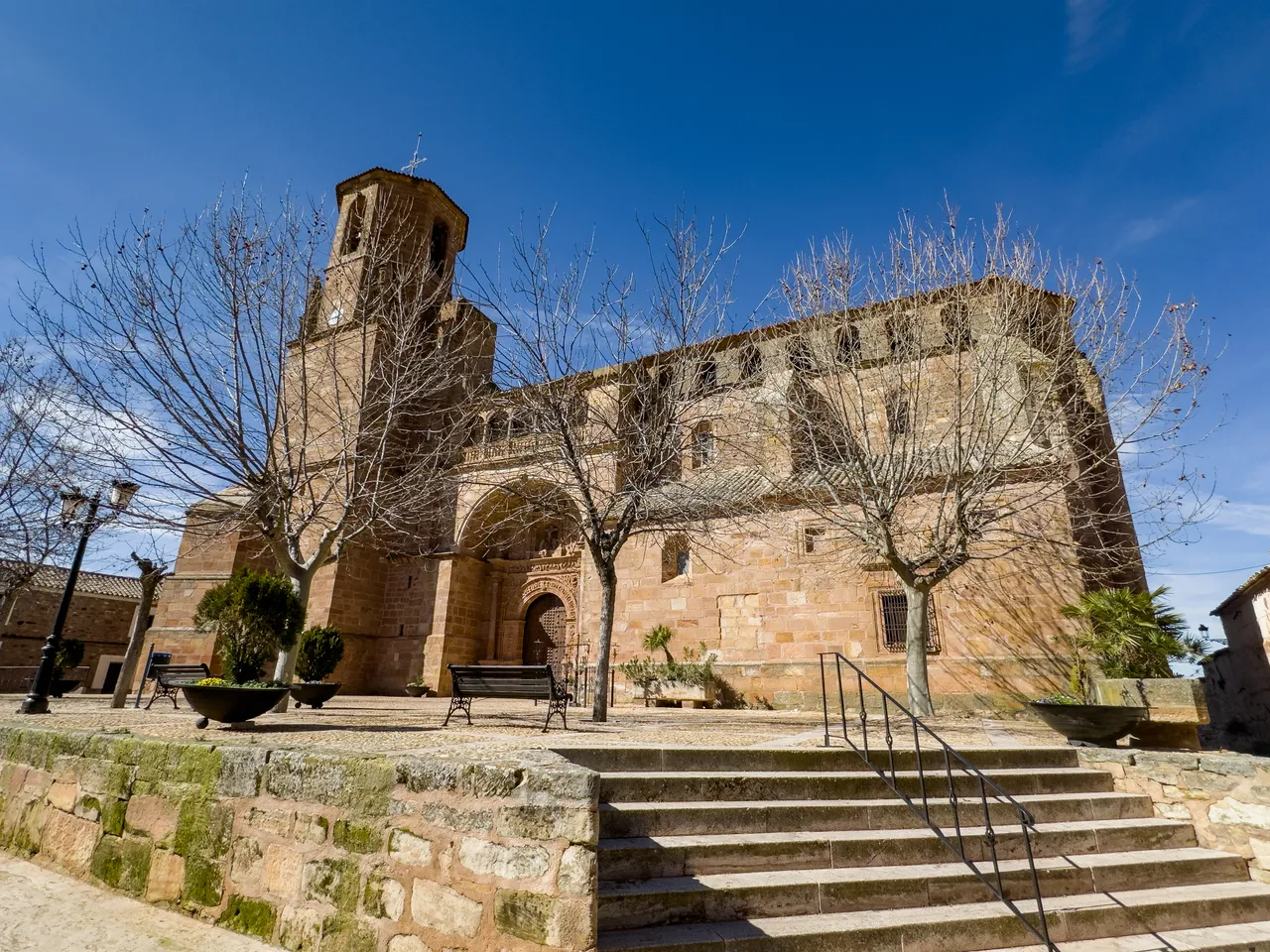
The church of San Andrés is one of the most representative buildings of Villamanrique and one of the great heritage landmarks of the south of Campo de Montiel.

Its presence within the town center sums up the historical importance of the town, linked during centuries to the Order of Santiago and to the control of a territory marked by roads, fortresses and border areas.

It is a temple of remarkable monumental stature, capable of concentrating in a single building a good part of the historical and artistic identity of the municipality.

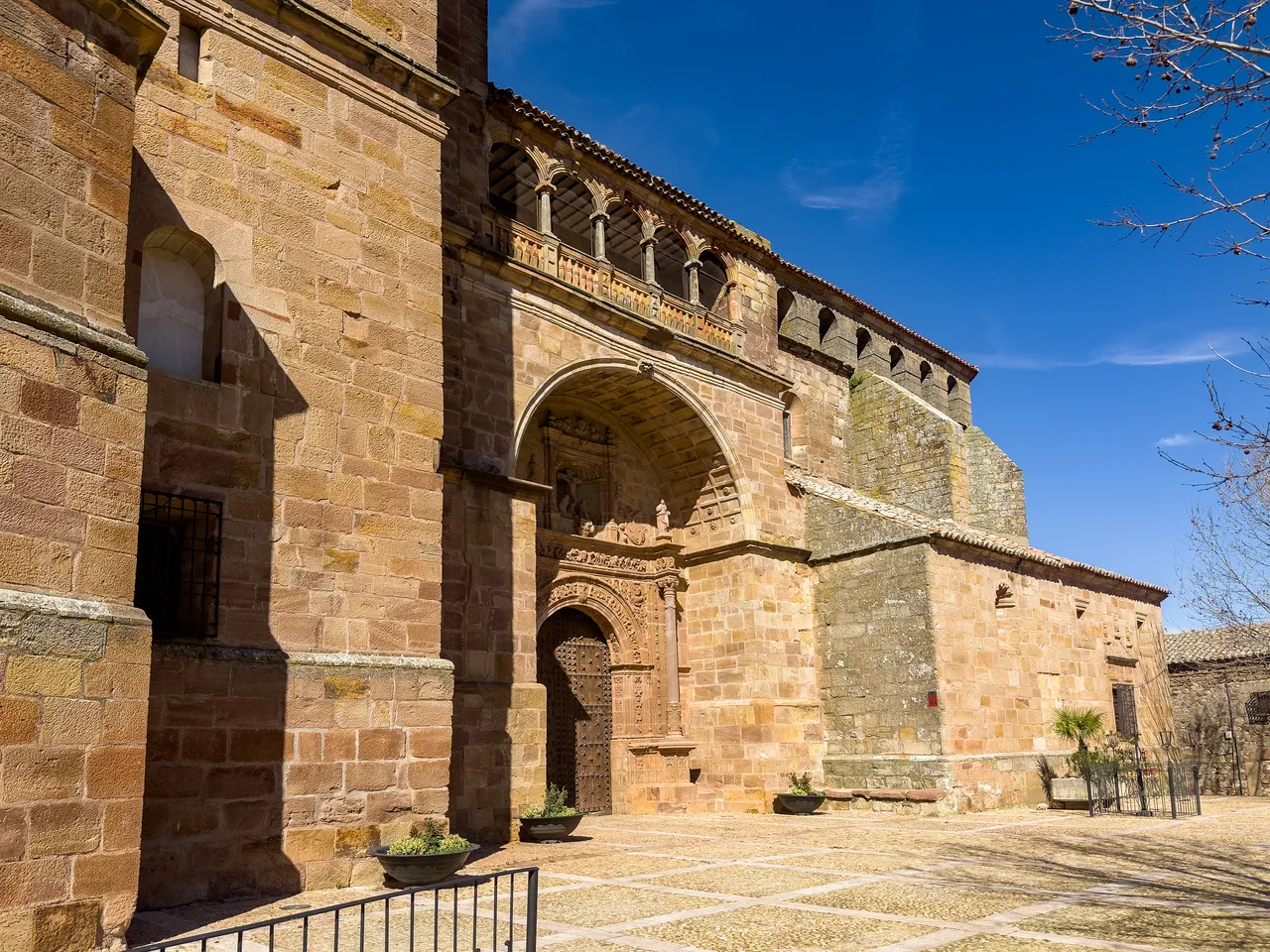
Raised through the initiative of the Order of Santiago in the 15th century, The church is an excellent example of transition between the late Gothic and the Renaissance.

This character is evident in the overall design of the building, but also in some of its most prominent features.

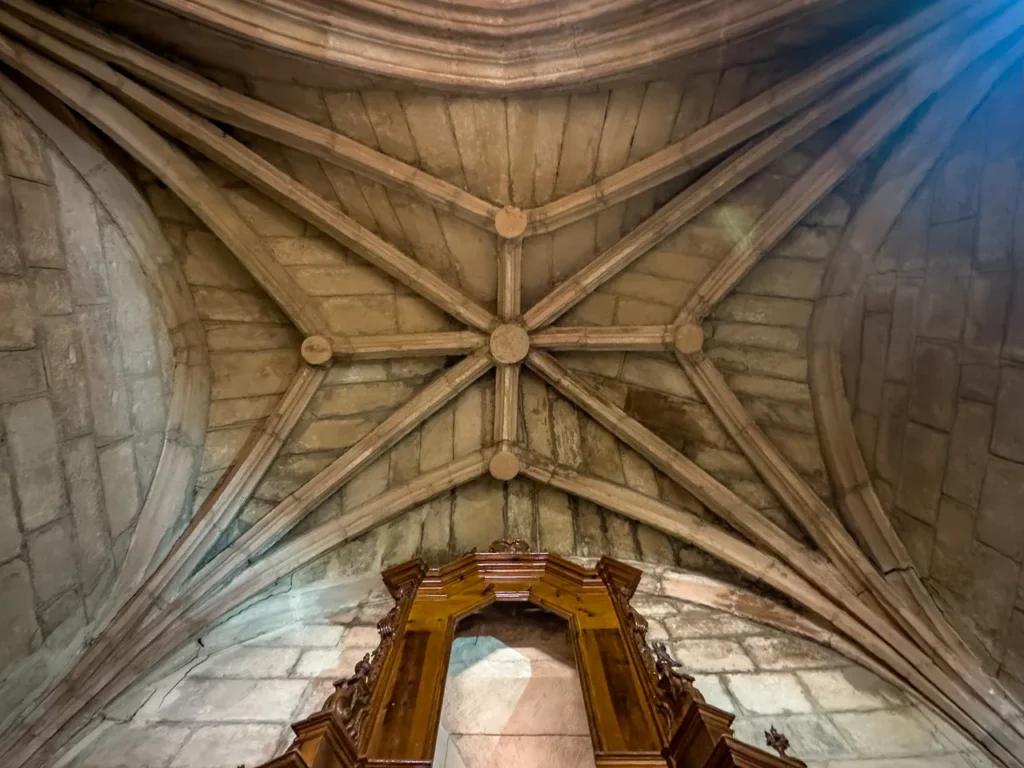
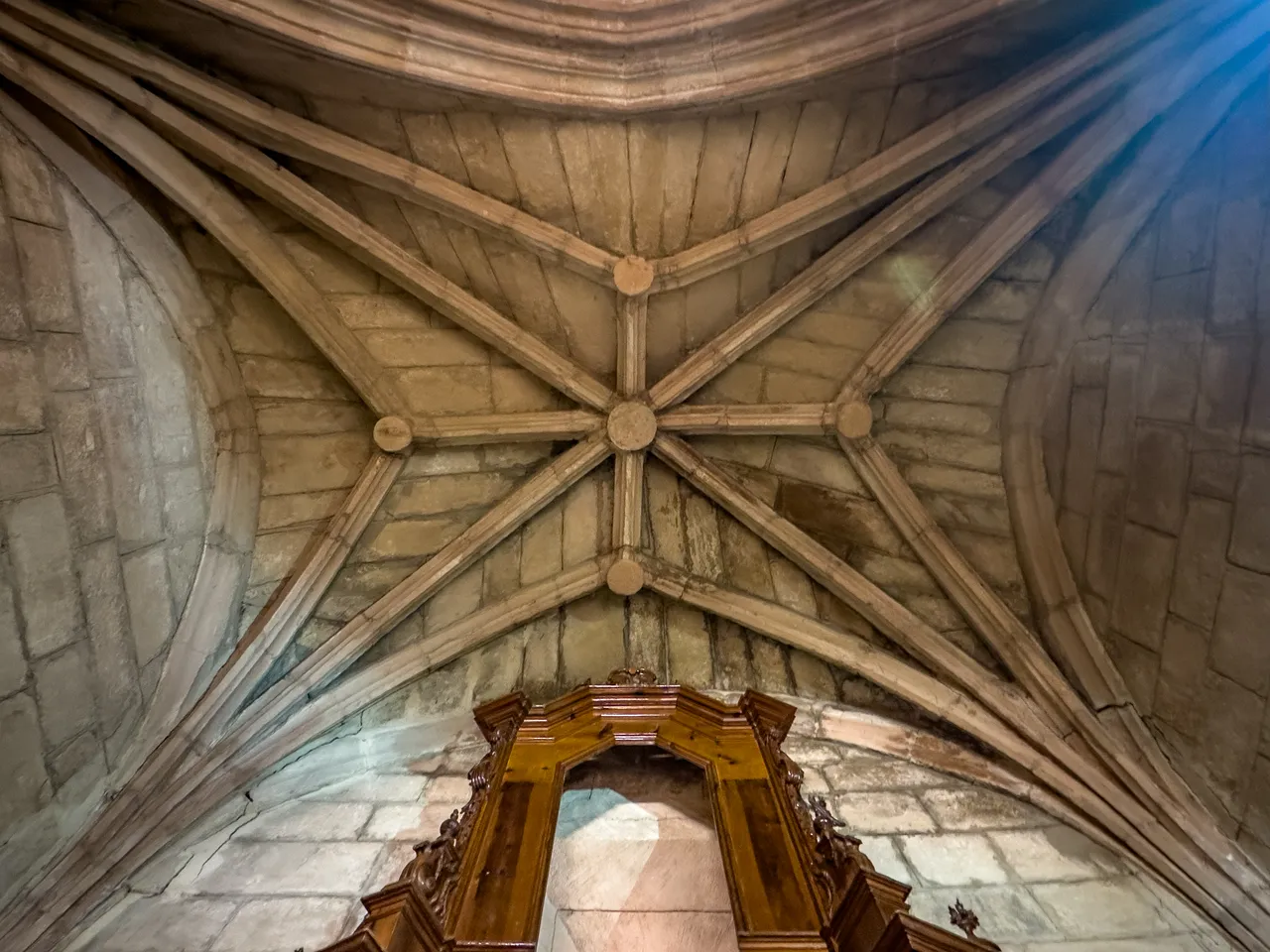
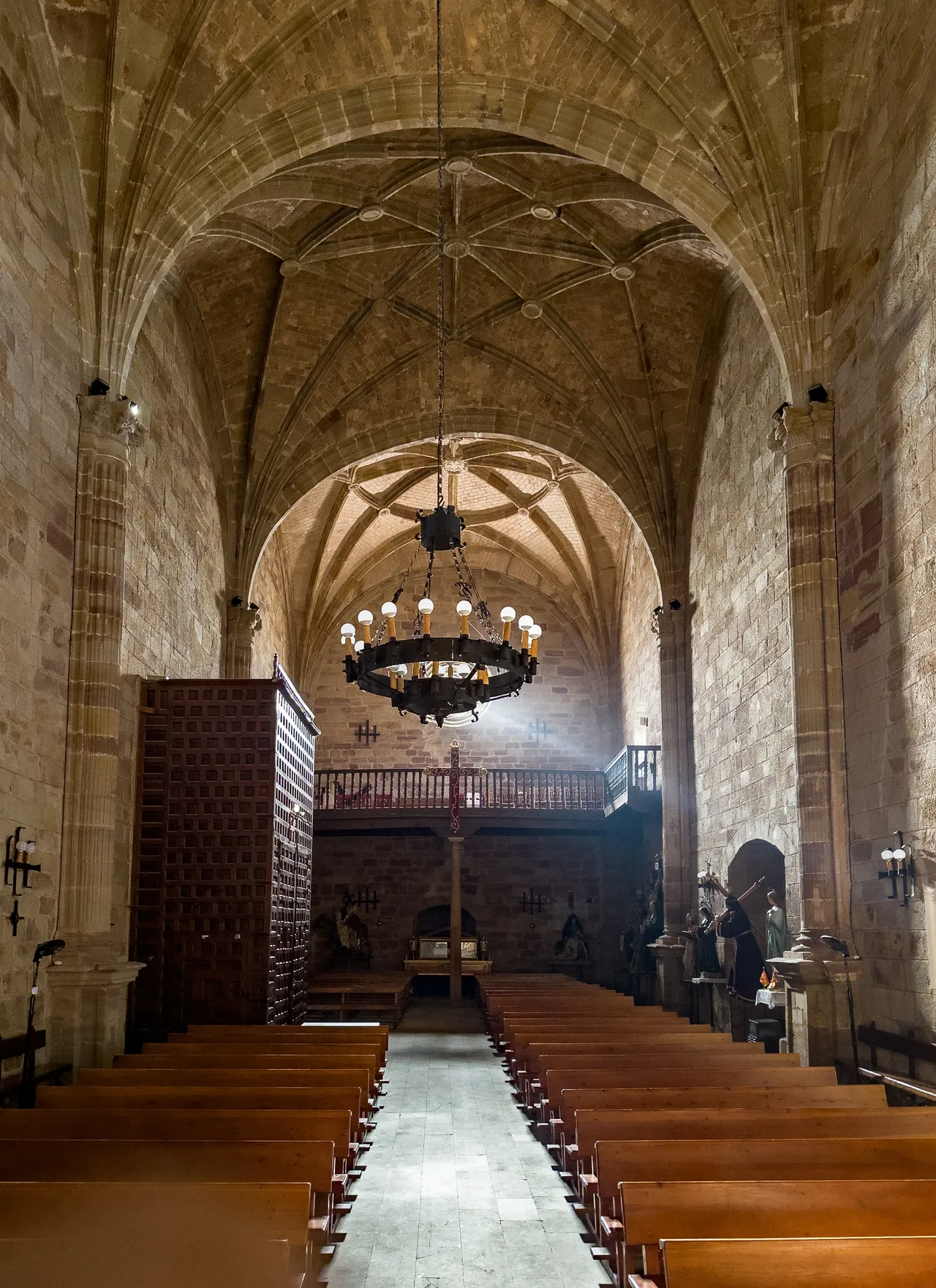
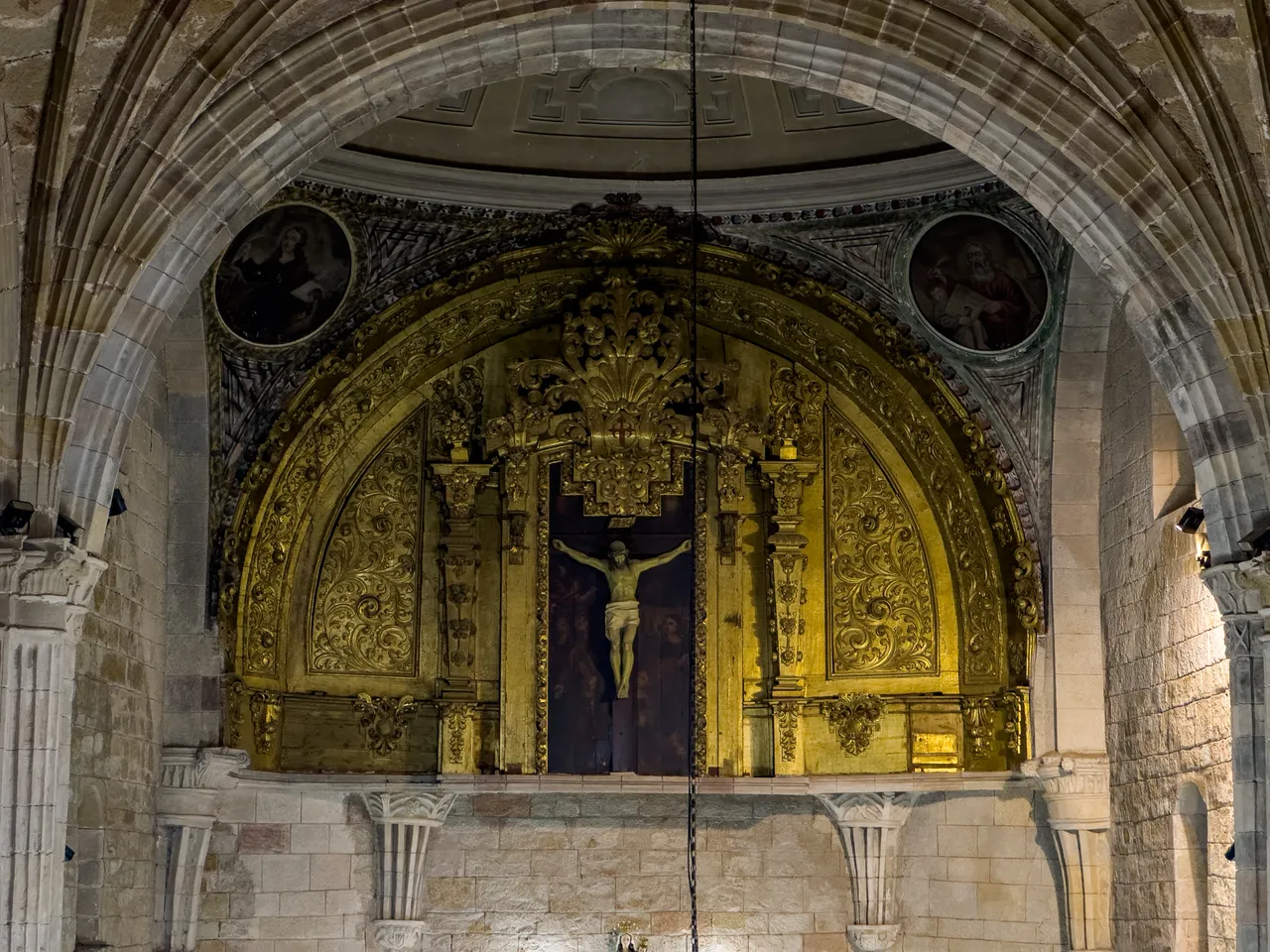
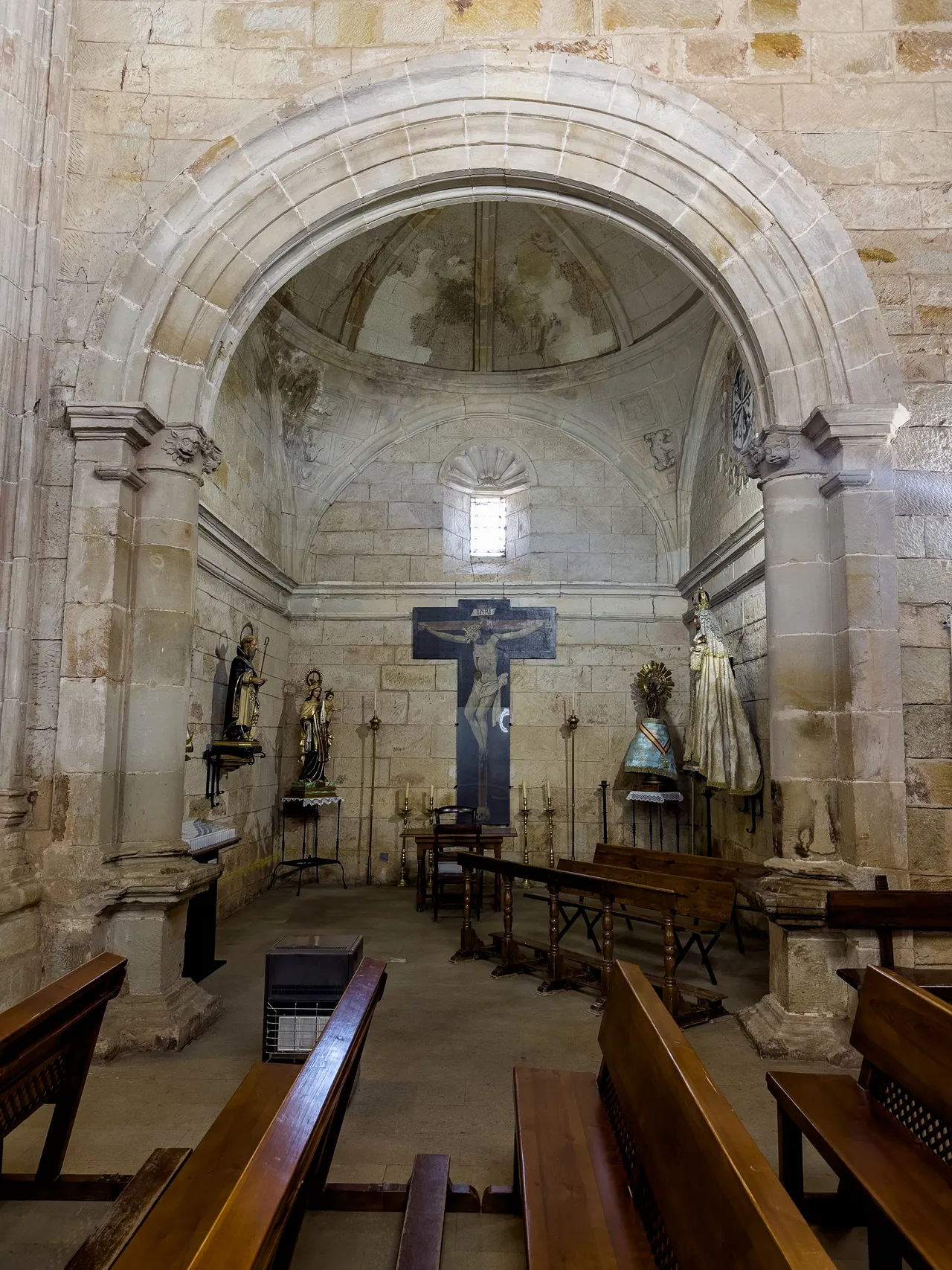
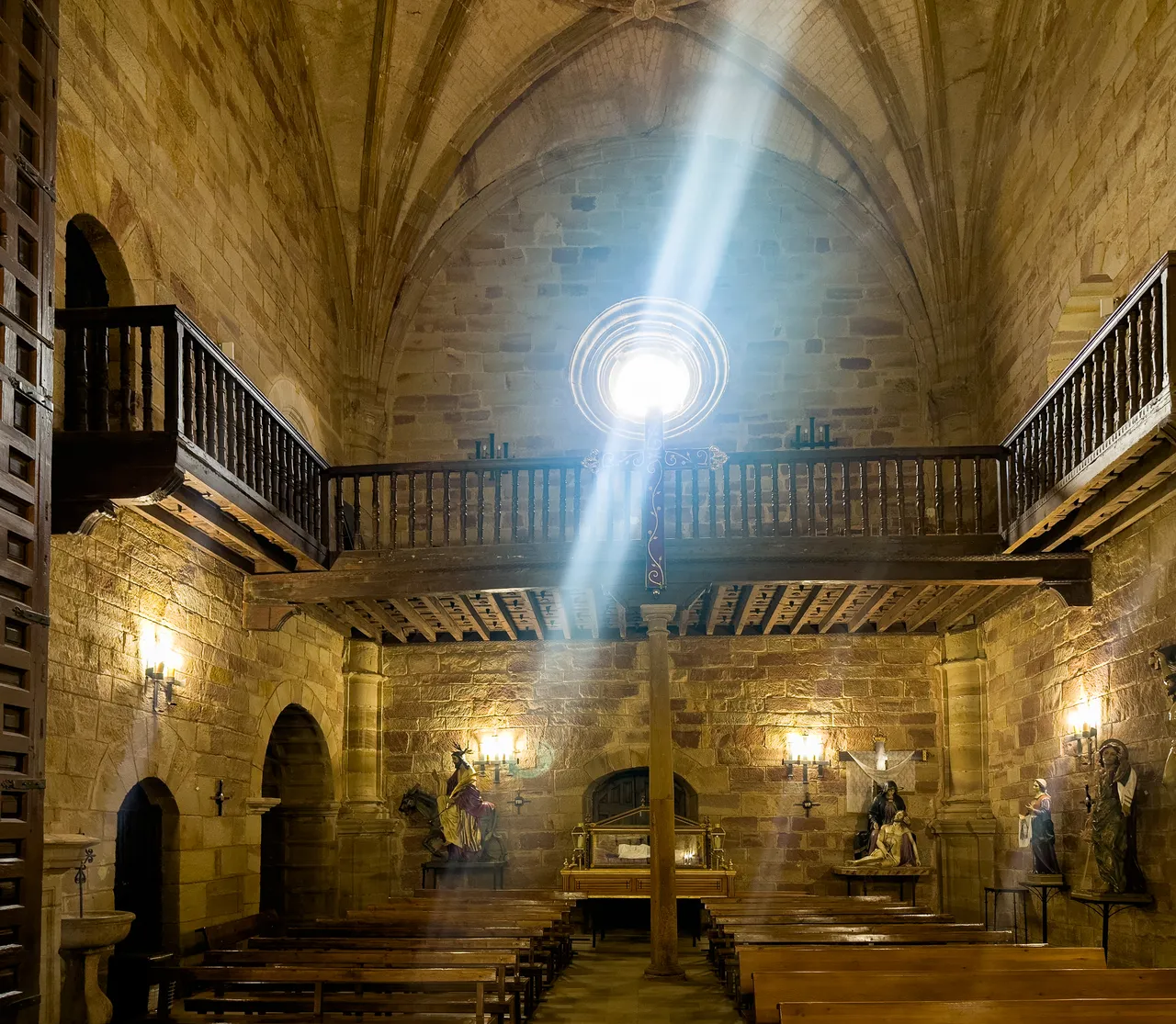
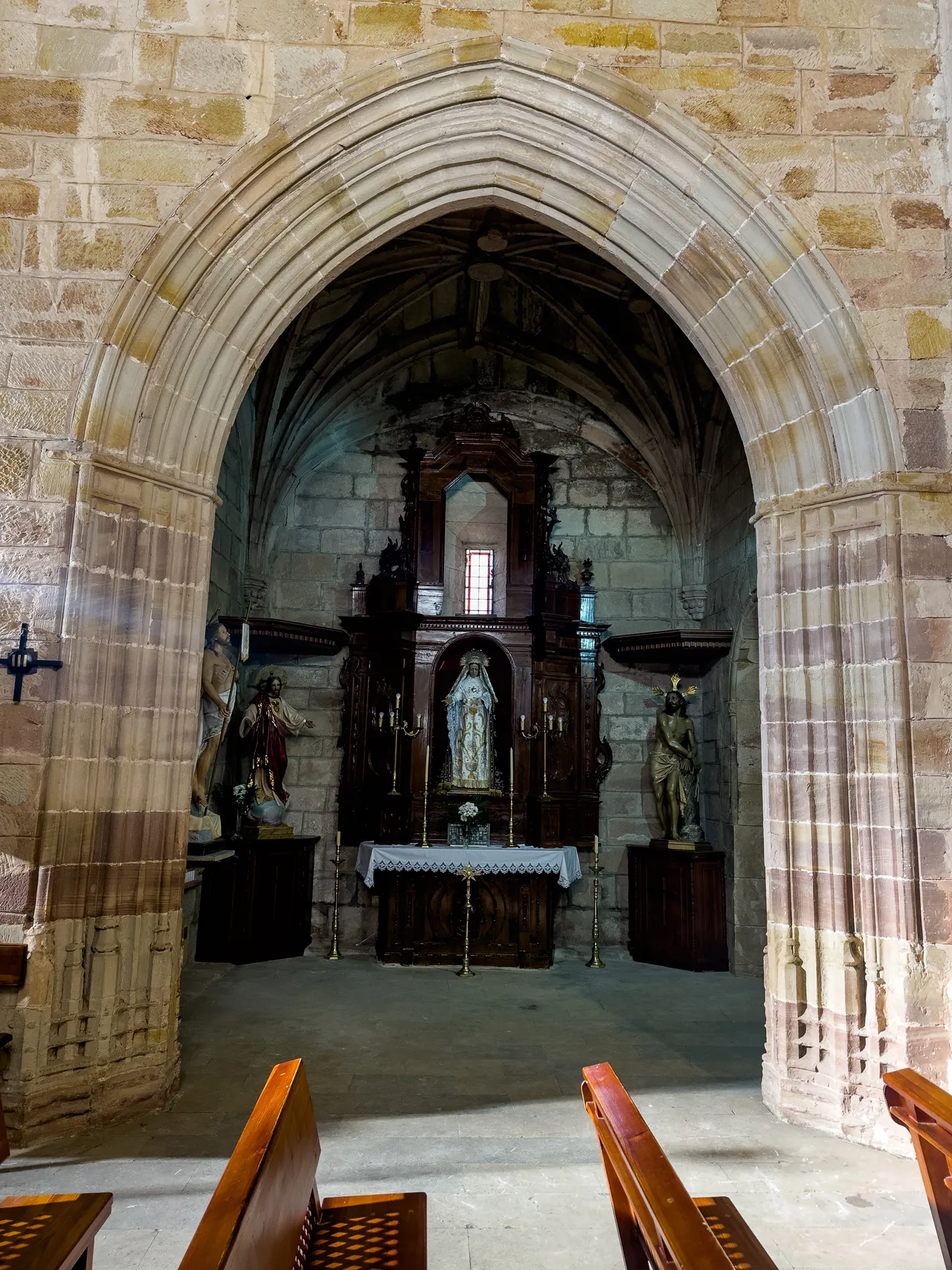
Access is through a portico that leads to a nave with side chapels, creating an interior of great solidity and balance.

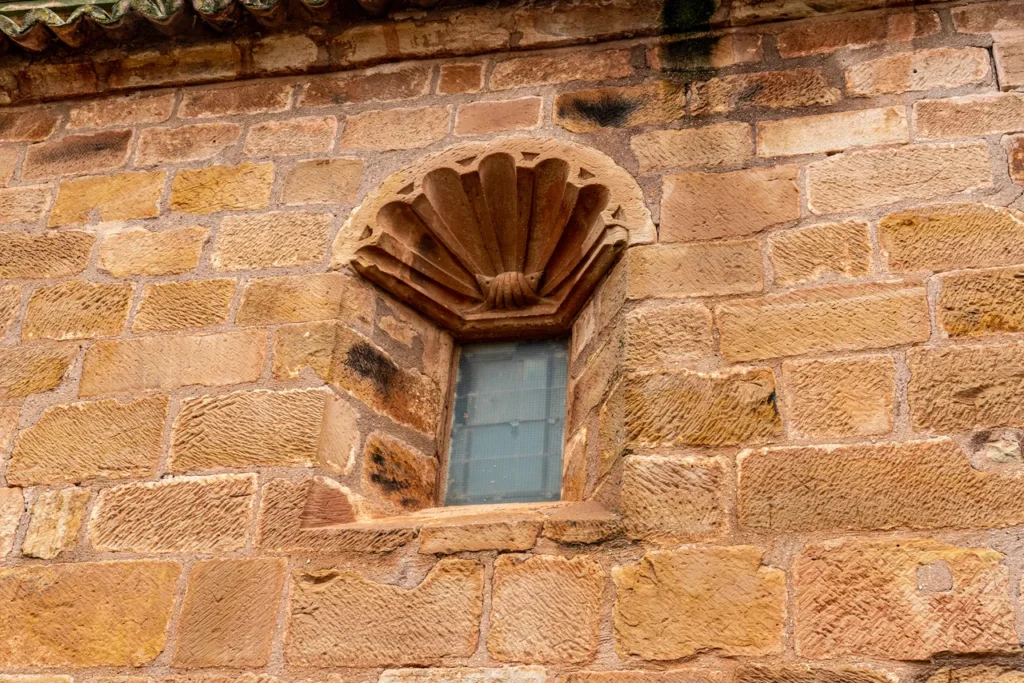
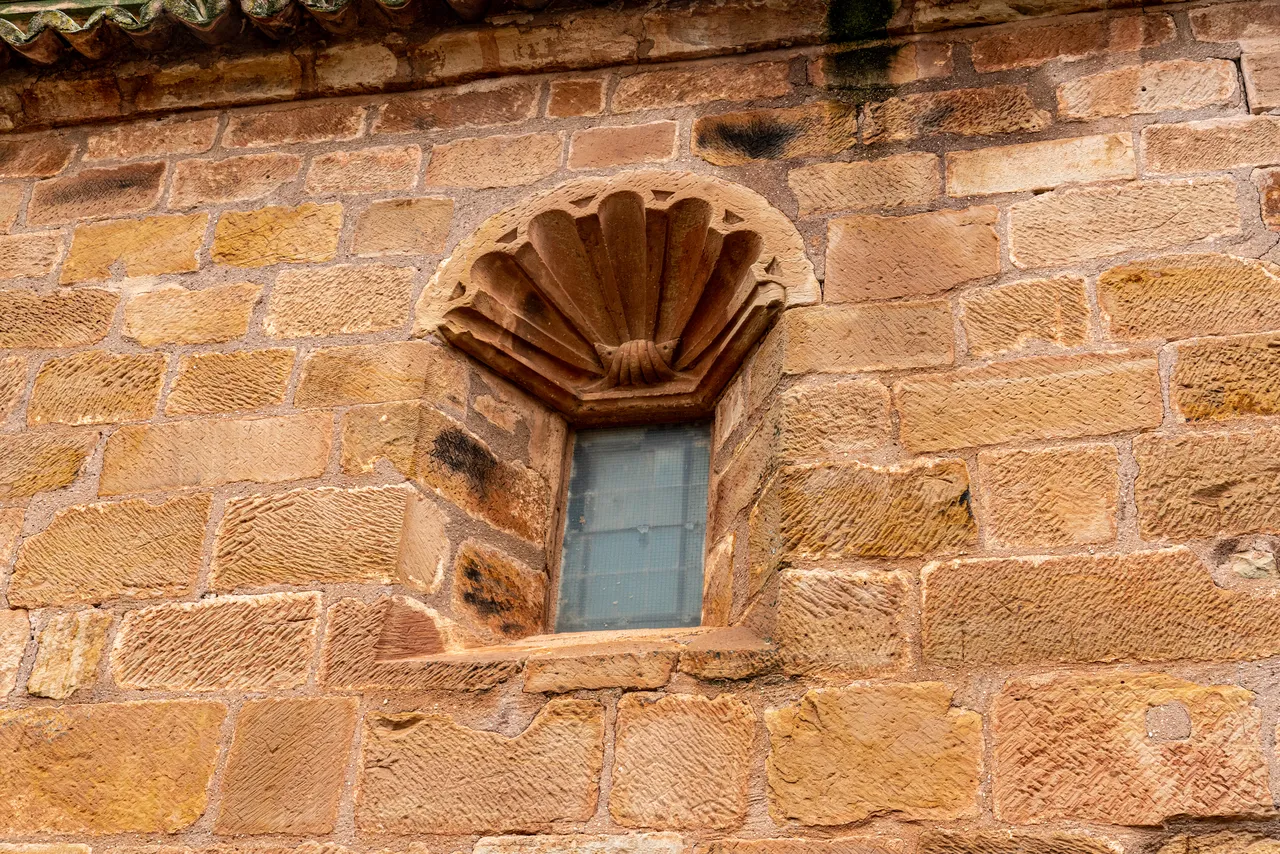
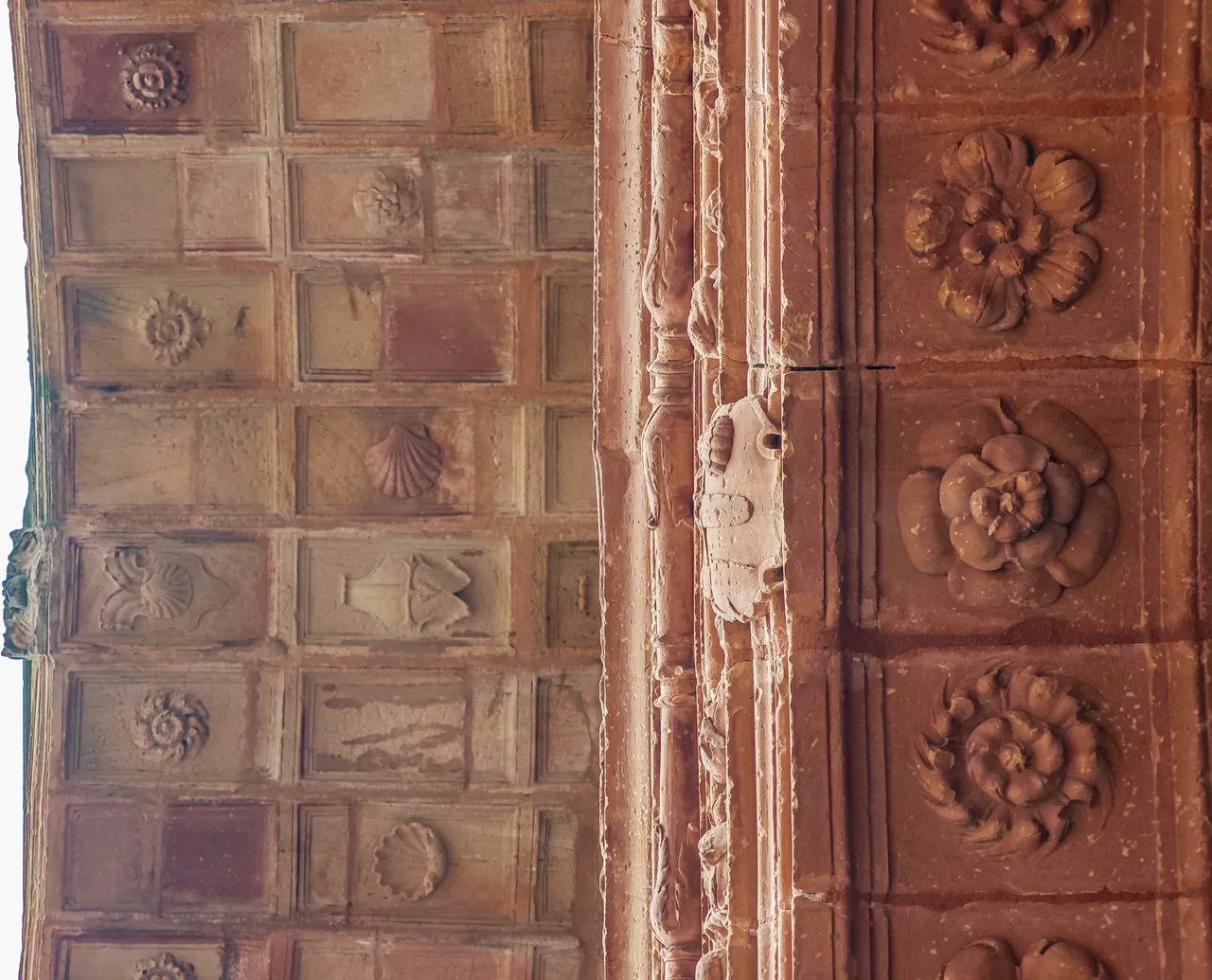
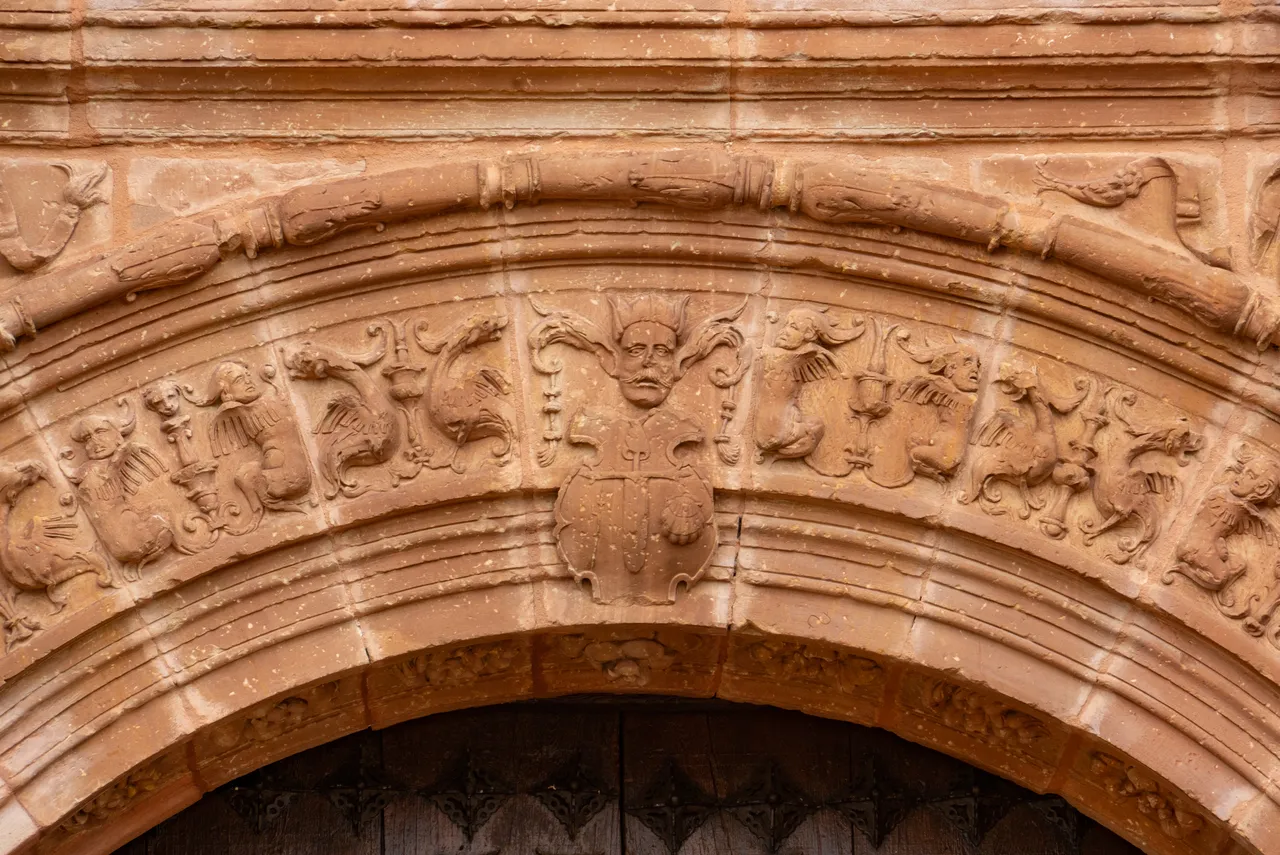
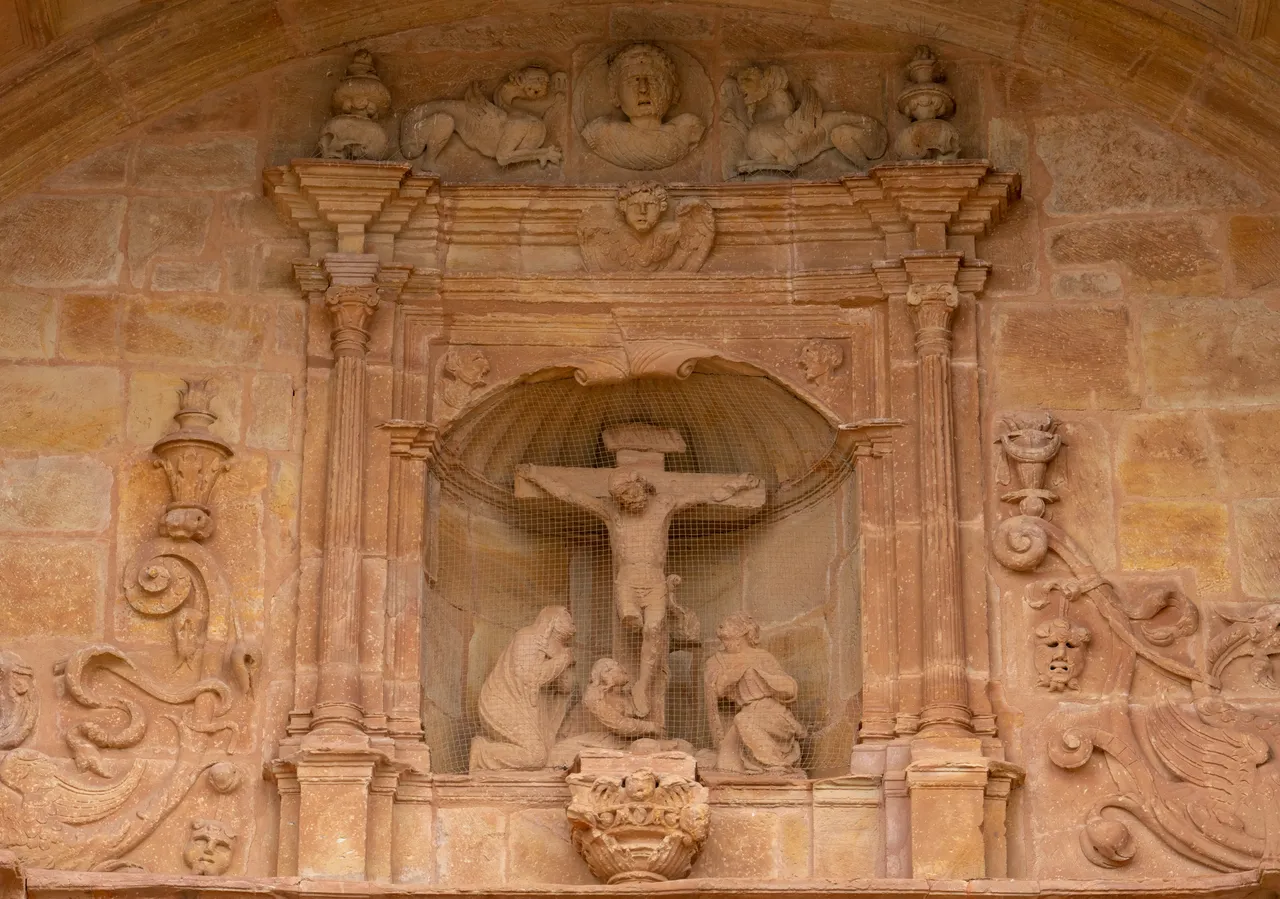
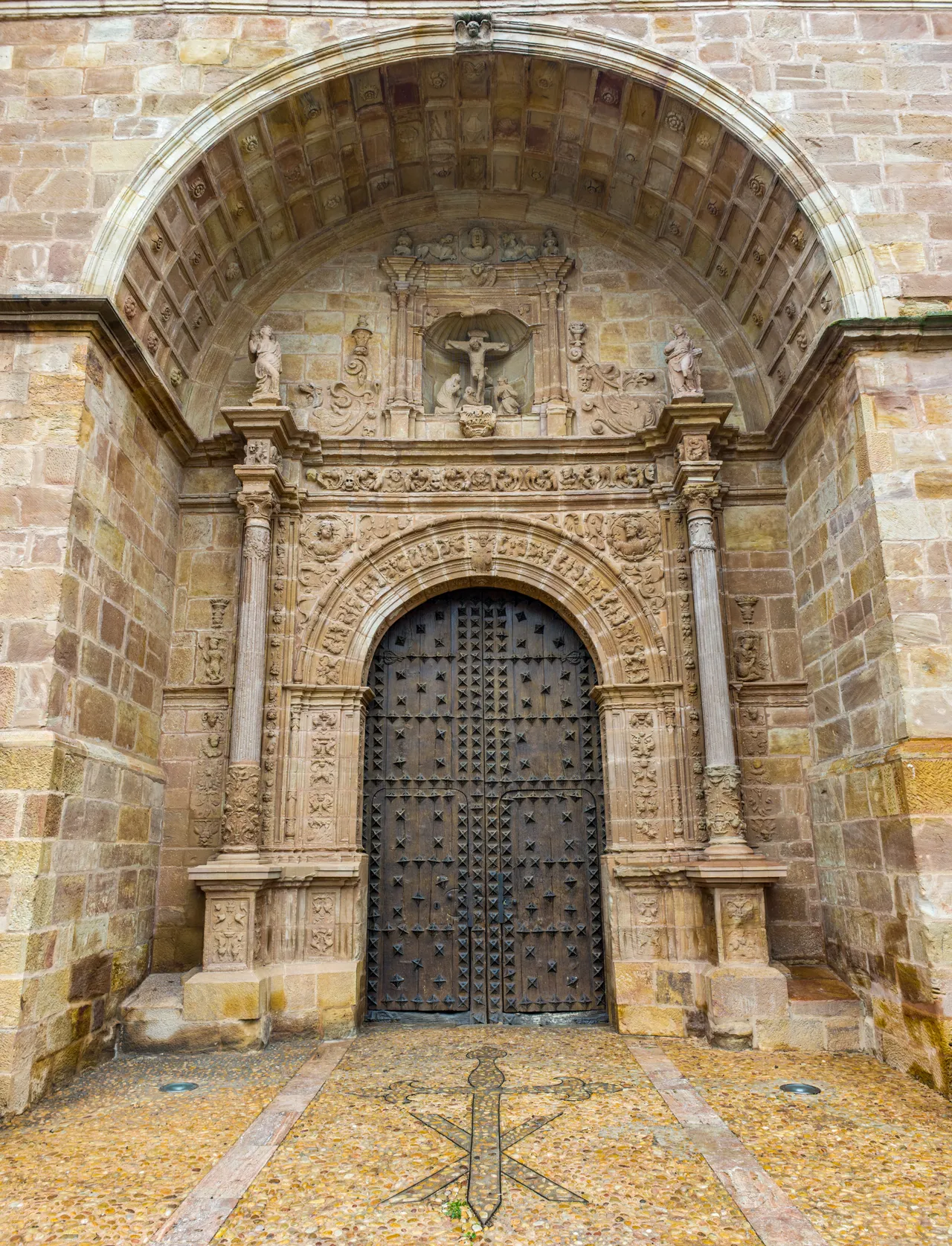
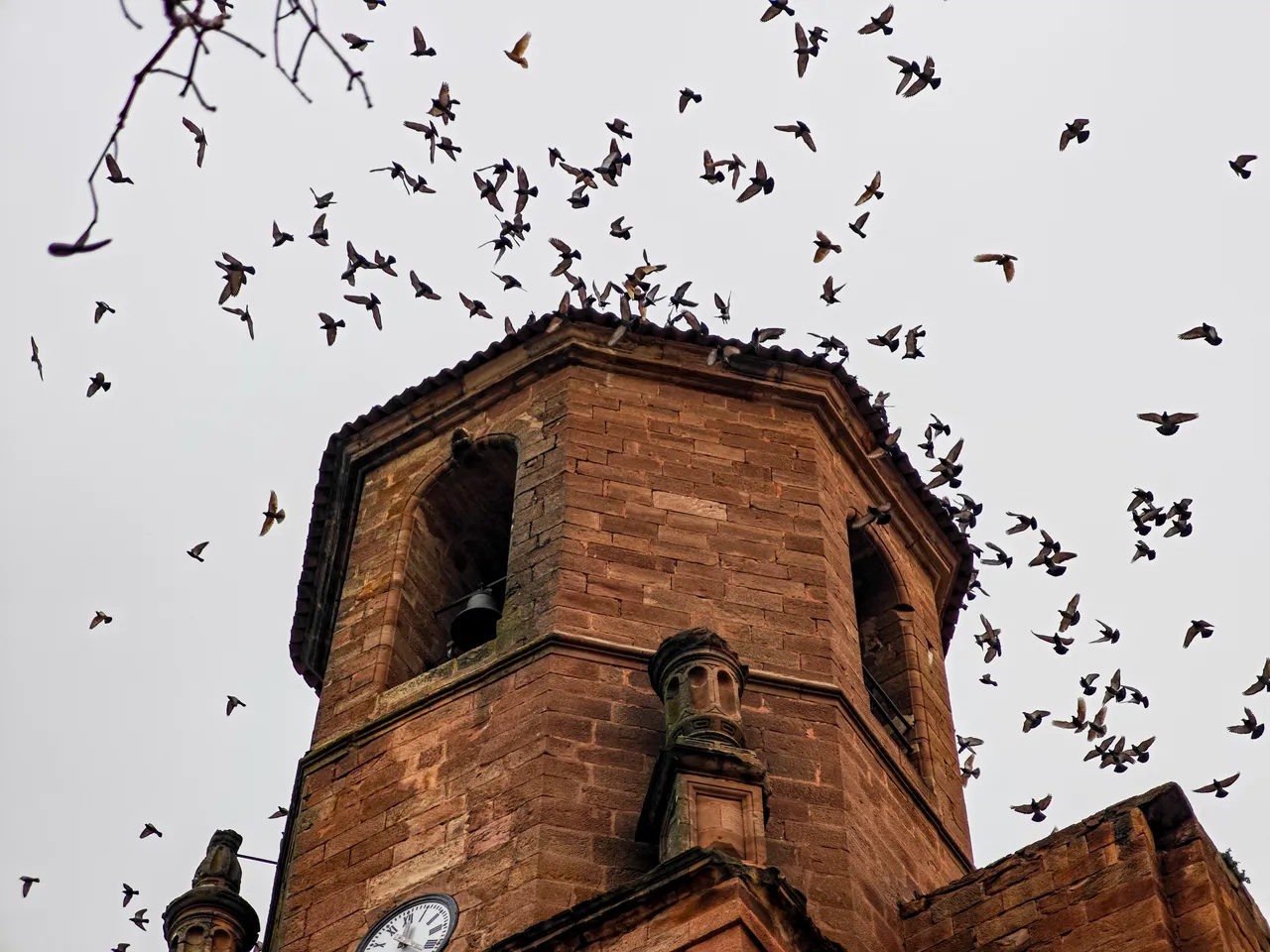
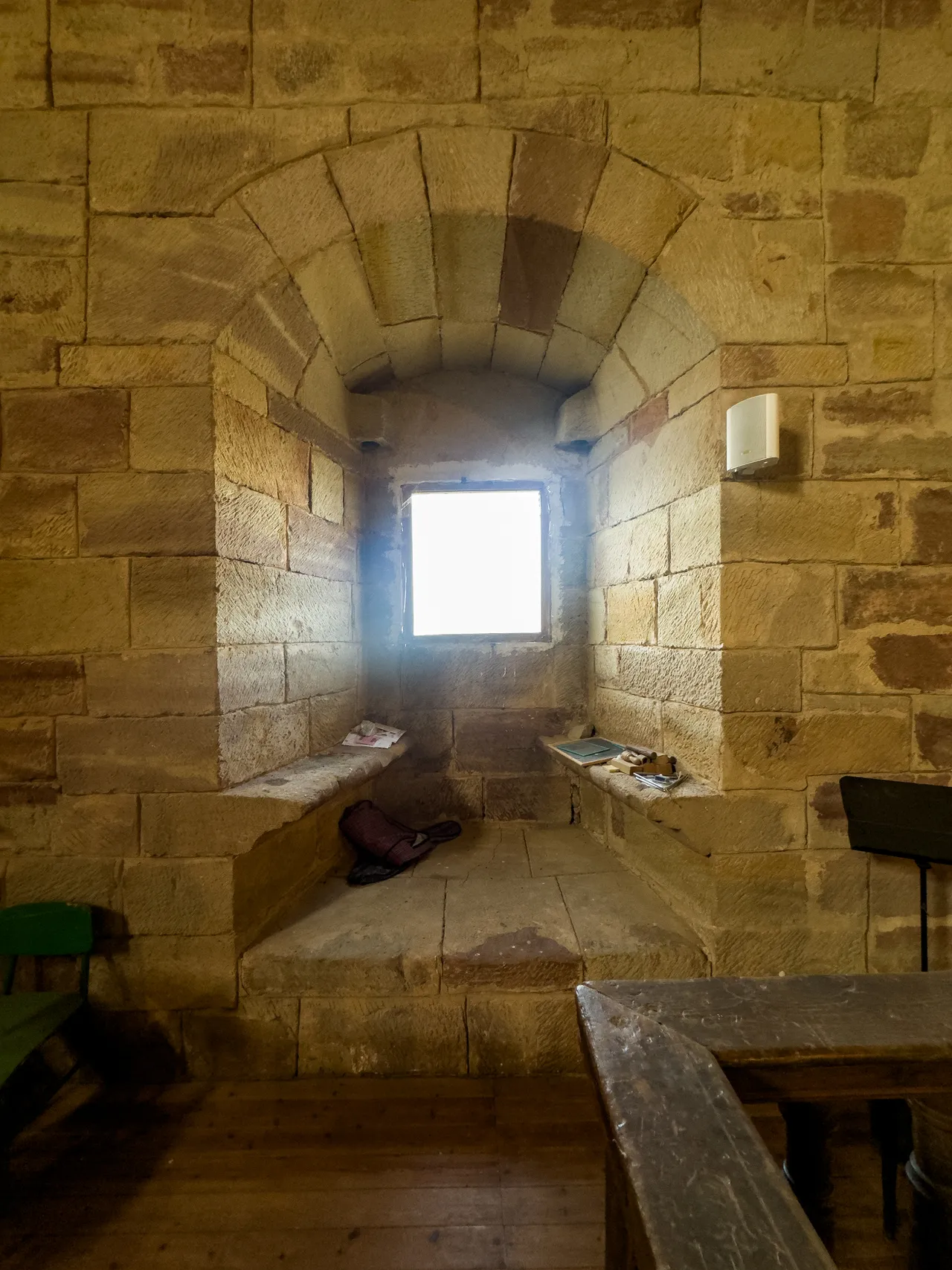
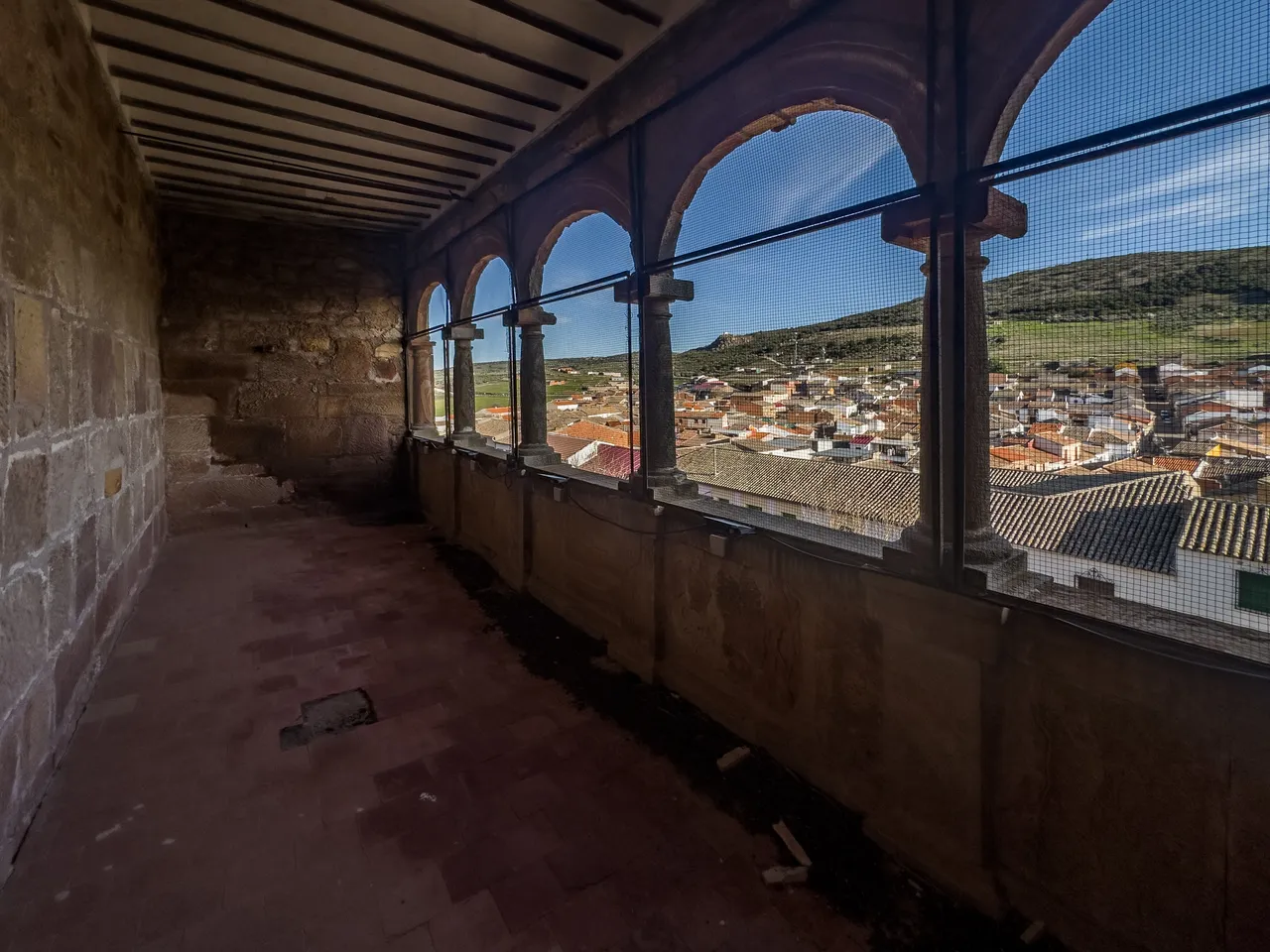
From the outside, the tower stands out, which is accessed by a stone spiral staircase, while inside they attract attention the choir balustrade and the wooden doors, which add interest to the whole. Its façade is also one of its most unique features, with grotesque decoration that underscores that moment of transition between Gothic tradition and Renaissance style.

The visit allows one to appreciate precisely that combination of structural sobriety, decorative richness, and historical weight.

The church not only fulfills a religious function, but also becomes an essential reference for understanding the evolution of Villamanrique between the Late Middle Ages and the Modern Age.

Its contemplation becomes even more meaningful when integrated into a tour of the town and its surroundings, in dialogue with the house of Jorge Manrique, Montizón Castle, and the mountain landscape that surrounds the town. In this way, San Andrés emerges as a key building for discovering the artistic, historical, and territorial dimensions of Villamanrique.

Useful information and location map

  • Observe its status as a large parish church and its strong presence within the urban area.
  • Let us look at the transition between Gothic and Renaissance, visible in the conception of the building.
  • Let us pause to admire the facade decorated with grotesques, one of the most unique elements of the complex.
  •  Appreciate the interior, with its side chapels, the wood of the choir and the spiral staircase of the tower.

VISUAL GALLERY

Explore the resource

Discover every corner of this resource through our multimedia collection

Church of Saint Andrew a bird's-eye view

Other resources in the same municipality

Discover more things to visit that are nearby

Villamanrique

Montizón Castle

C. Cervantes, 11, Villamanrique

Casa Grande or House of Jorge Manrique

Villamanrique

New Sale

Villamanrique

Fig Tree Tower

Villamanrique

Eznavexor

Routes where this resource appears

Renaissance Art Route

The Campo de Montiel region boasts one of the most remarkable collections of Renaissance architecture and visual arts in Castilla-La Mancha. Throughout the 16th century, the economic prosperity fostered by the Order of Santiago and a flourishing local nobility financed churches, Plateresque portals, Mannerist altarpieces, and stately homes that still stand as the most visible testament to the region's splendor. It was also in this landscape that Fernando Yáñez de Almedina, a direct disciple of Leonardo da Vinci, was born.

Distance

75 km

Duration

1 day

Difficulty

Easy

Municipality

Several

Gothic Route – Milky Way

Medieval Christian tradition identified the Milky Way with the Camino de Santiago: that path of stars crossing the night sky was the silent guide leading pilgrims to Compostela. We propose a metaphorical journey through stars sculpted in stone by the ribbed vaults, whose ribs intertwine like constellations to support the firmament of the churches that the Order of Santiago erected throughout the Campo de Montiel. No other territory in Castilla-La Mancha...

Distance

120 km

Duration

2 days

Difficulty

Easy

Municipality

Several