
Discover the history, culture and traditions of this charming town in La Mancha
Tower of John the Abbot
Contact information
Phone
926 383 001
https://torredejuanabad.es/
administracion@torredejuanabad.es
Interesting facts
Population
900
Altitude
814
Demonym
Torreño, -a
Extension
400 km2
Welcome to
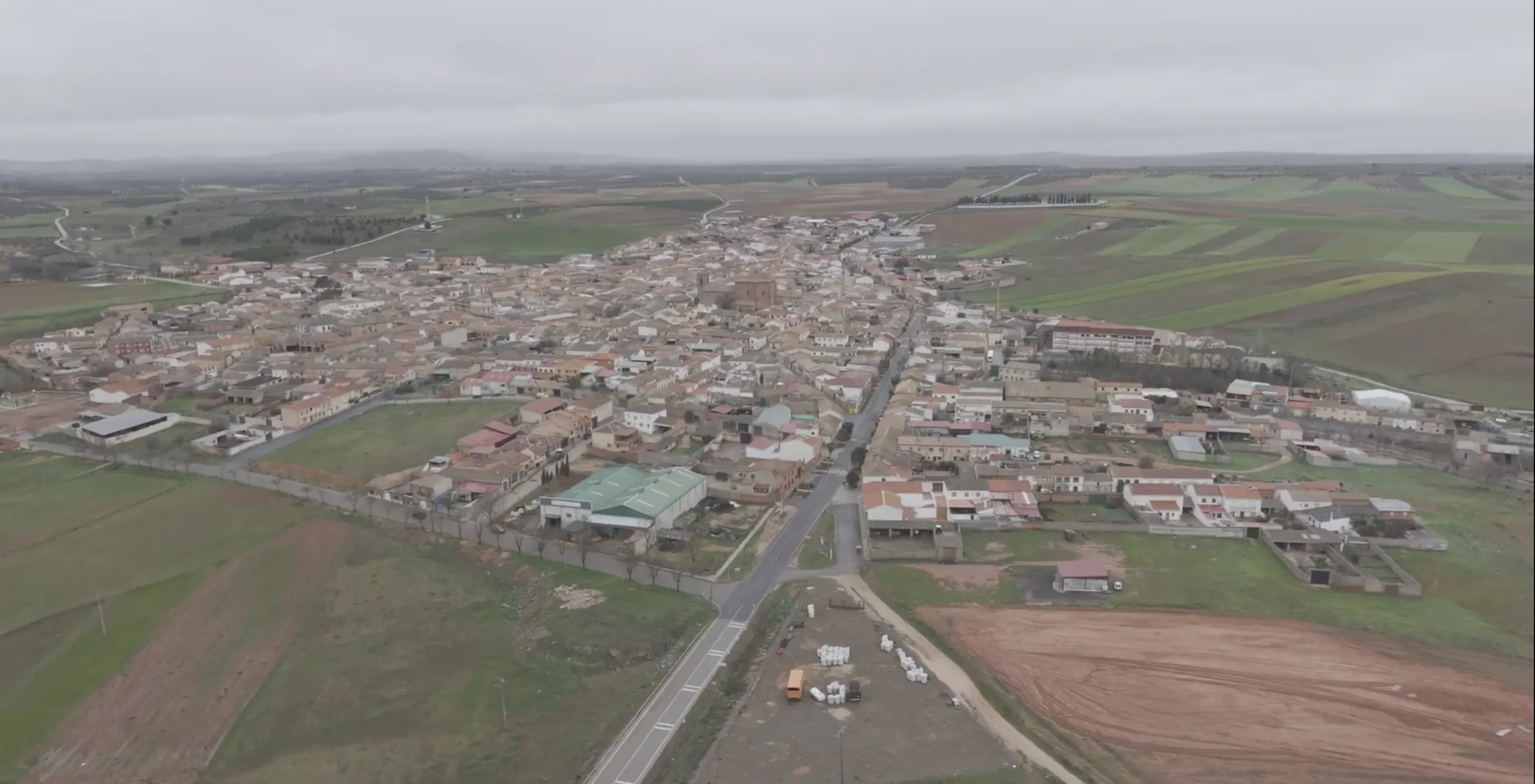
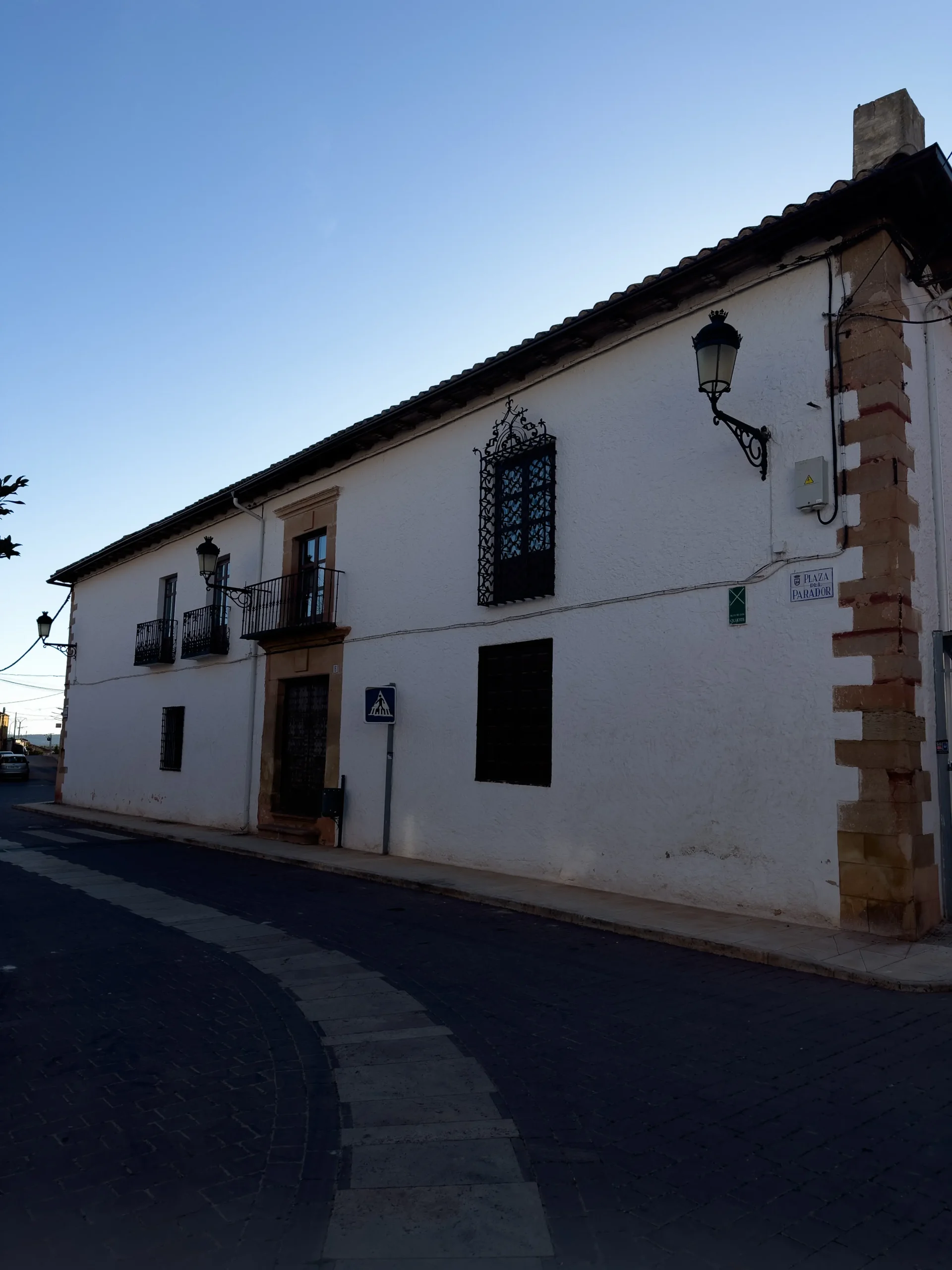
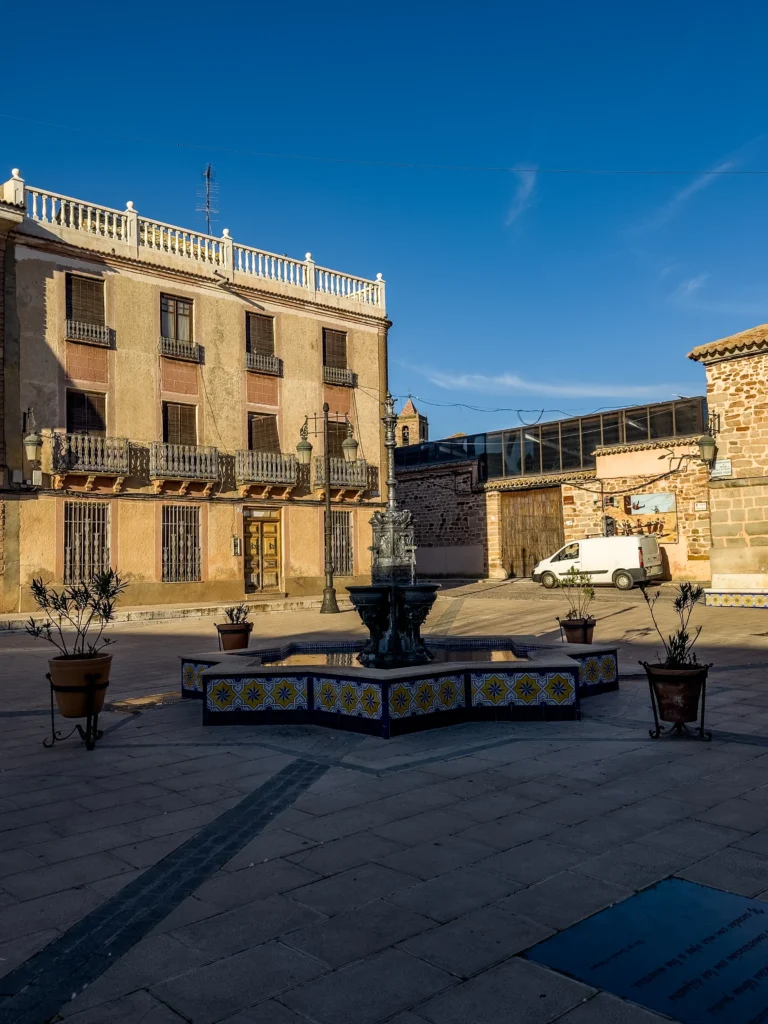
The current town of Torre de Juan Abad brings together several of the most recognizable features of the Campo de Montiel: a medieval origin linked to the Order of Santiago, a landscape of meadows and historic roads, and an urban center where religious architecture, civil buildings of interest, and a strong literary imprint associated with Francisco de Quevedo coexist.
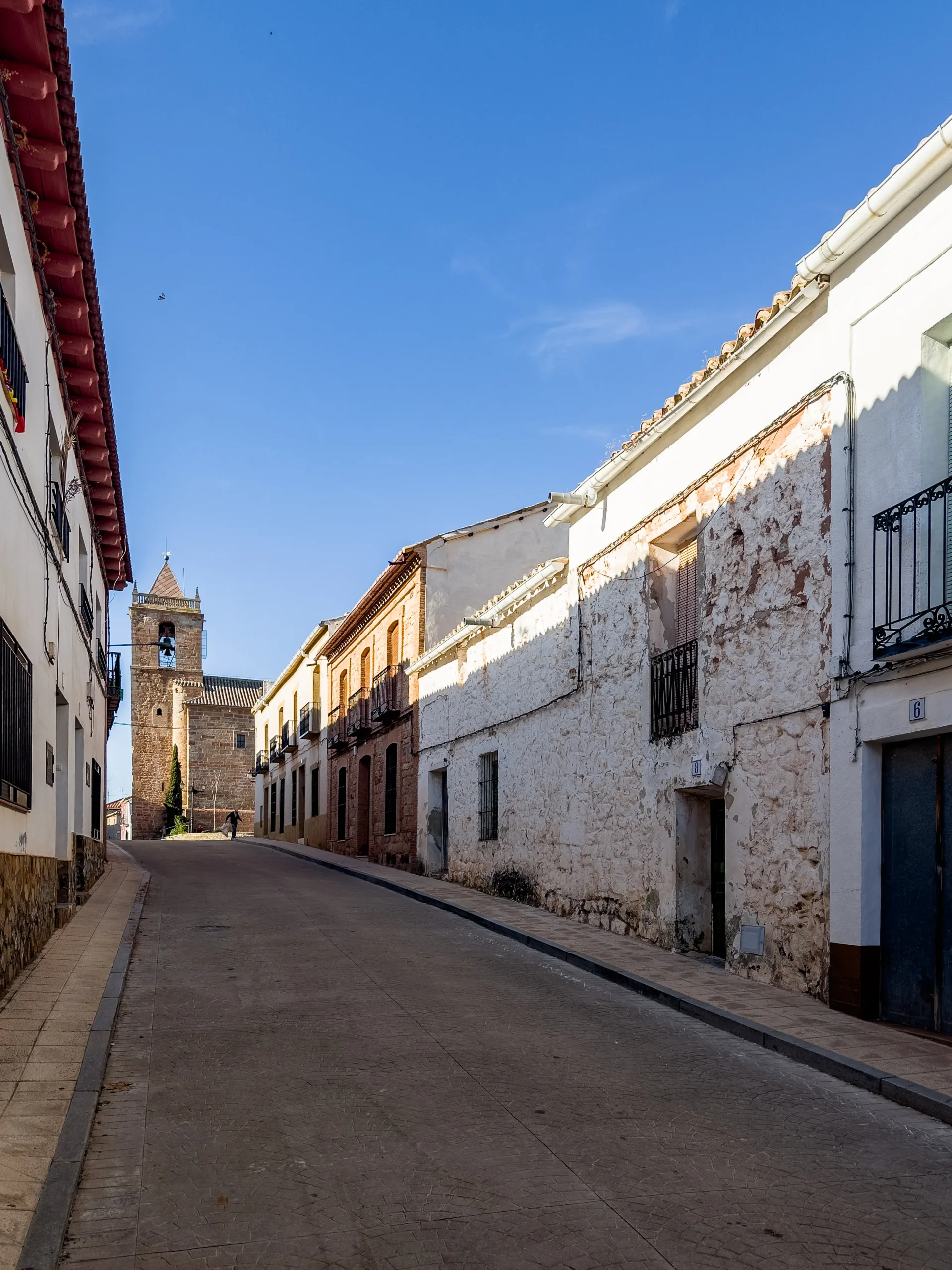
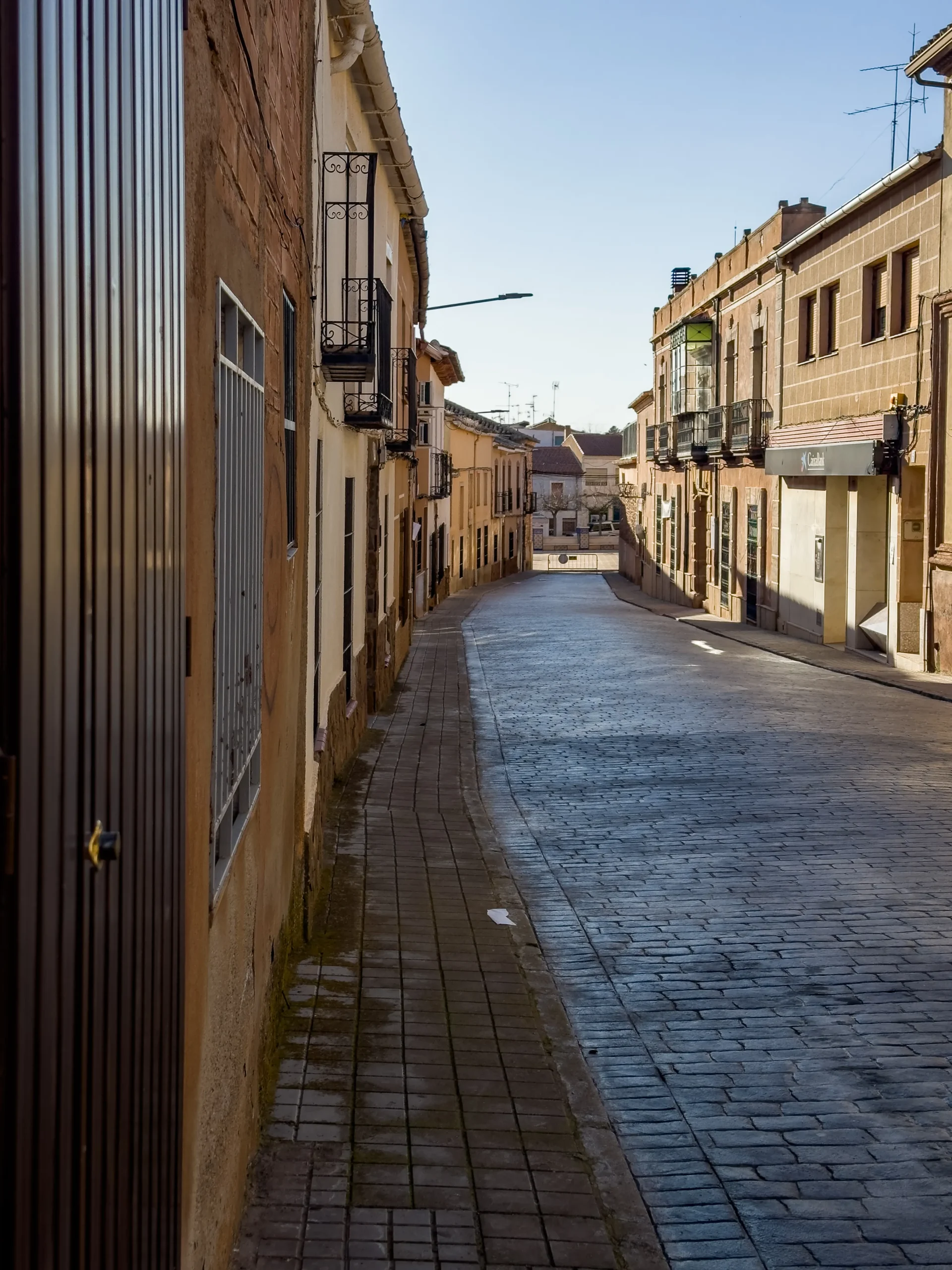
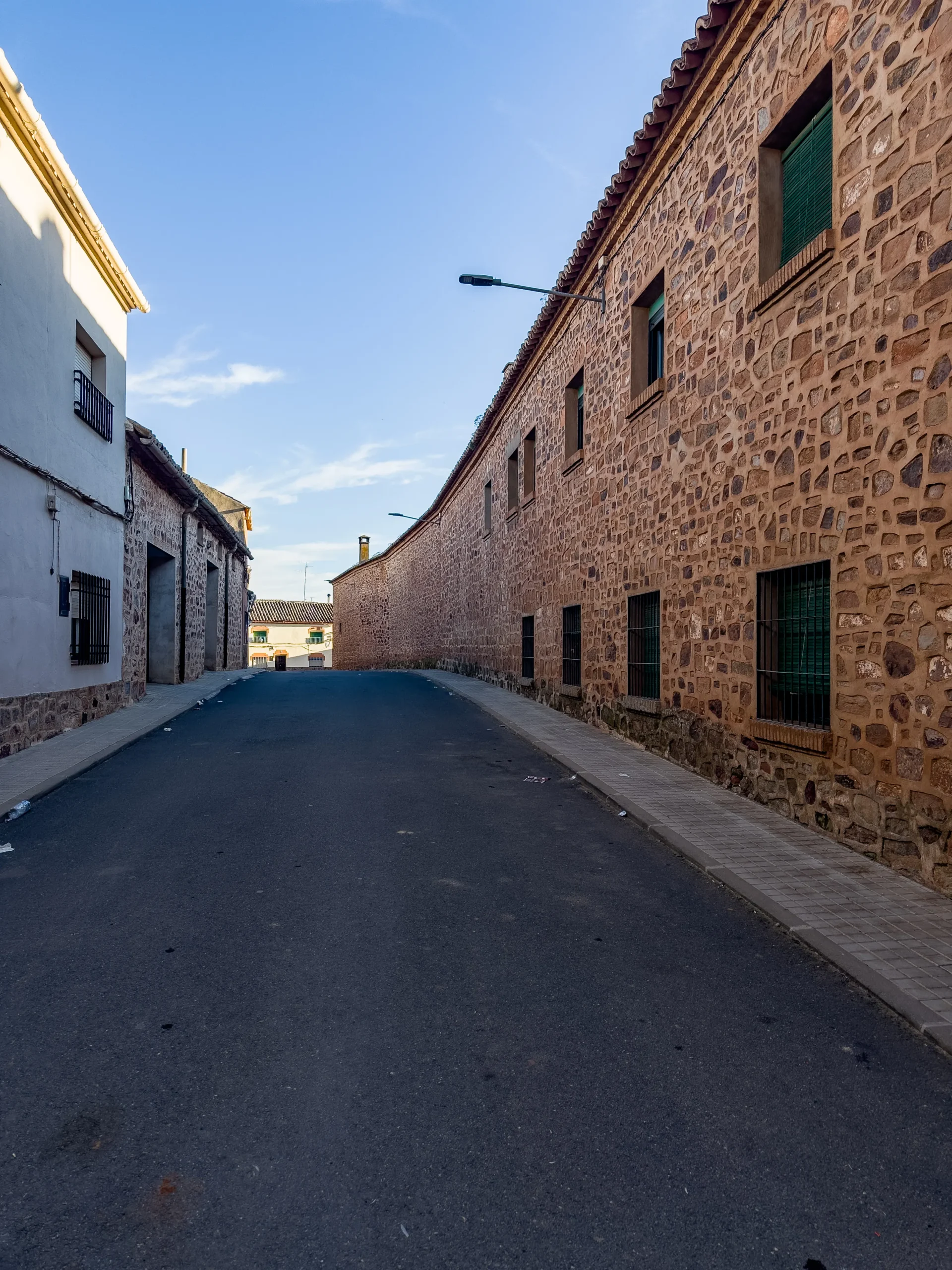
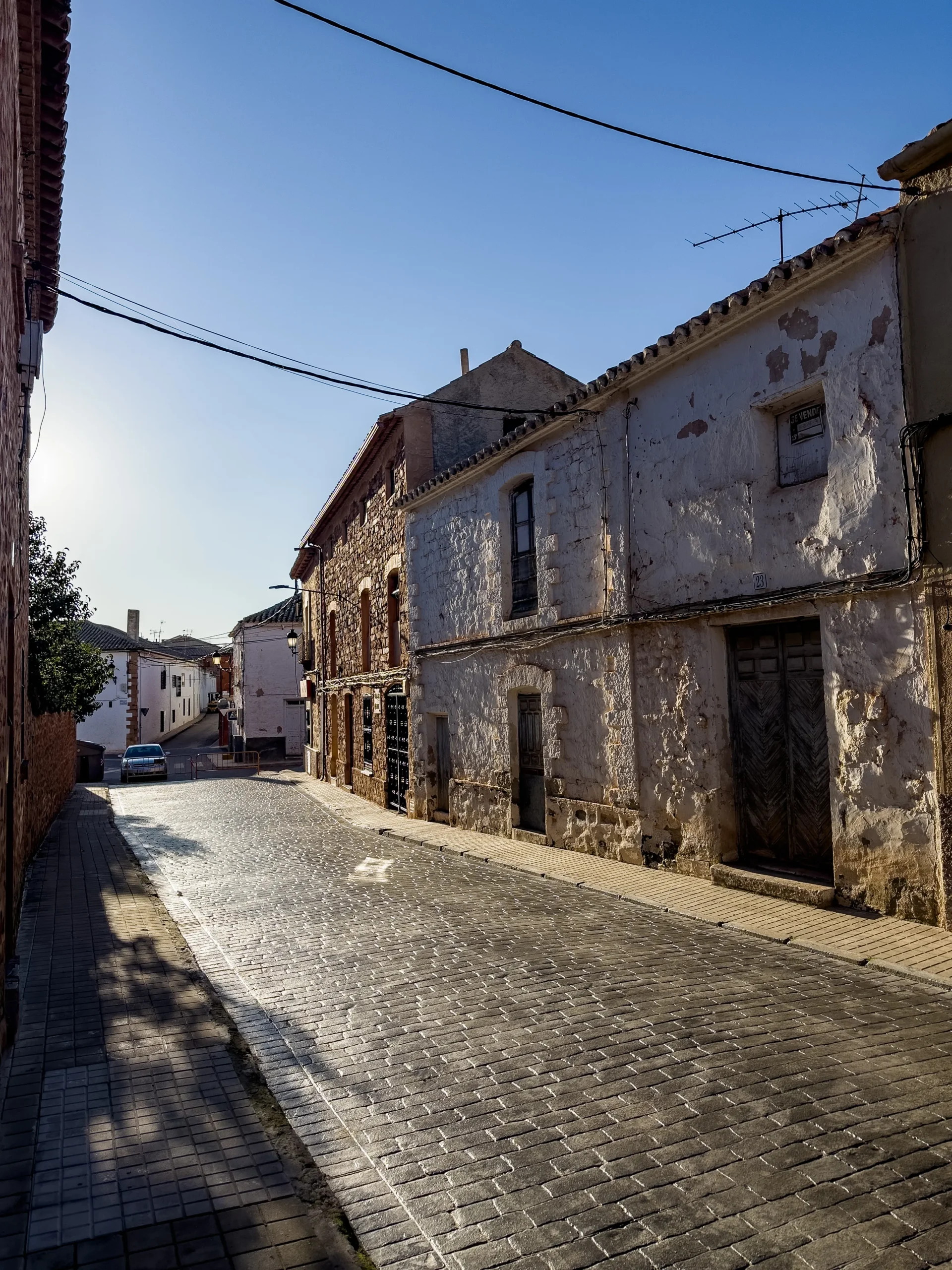
Strolling through its streets allows you to discover a town of friendly scale, marked by its border history and its subsequent consolidation as one of the most unique centers in the southwestern part of the region.
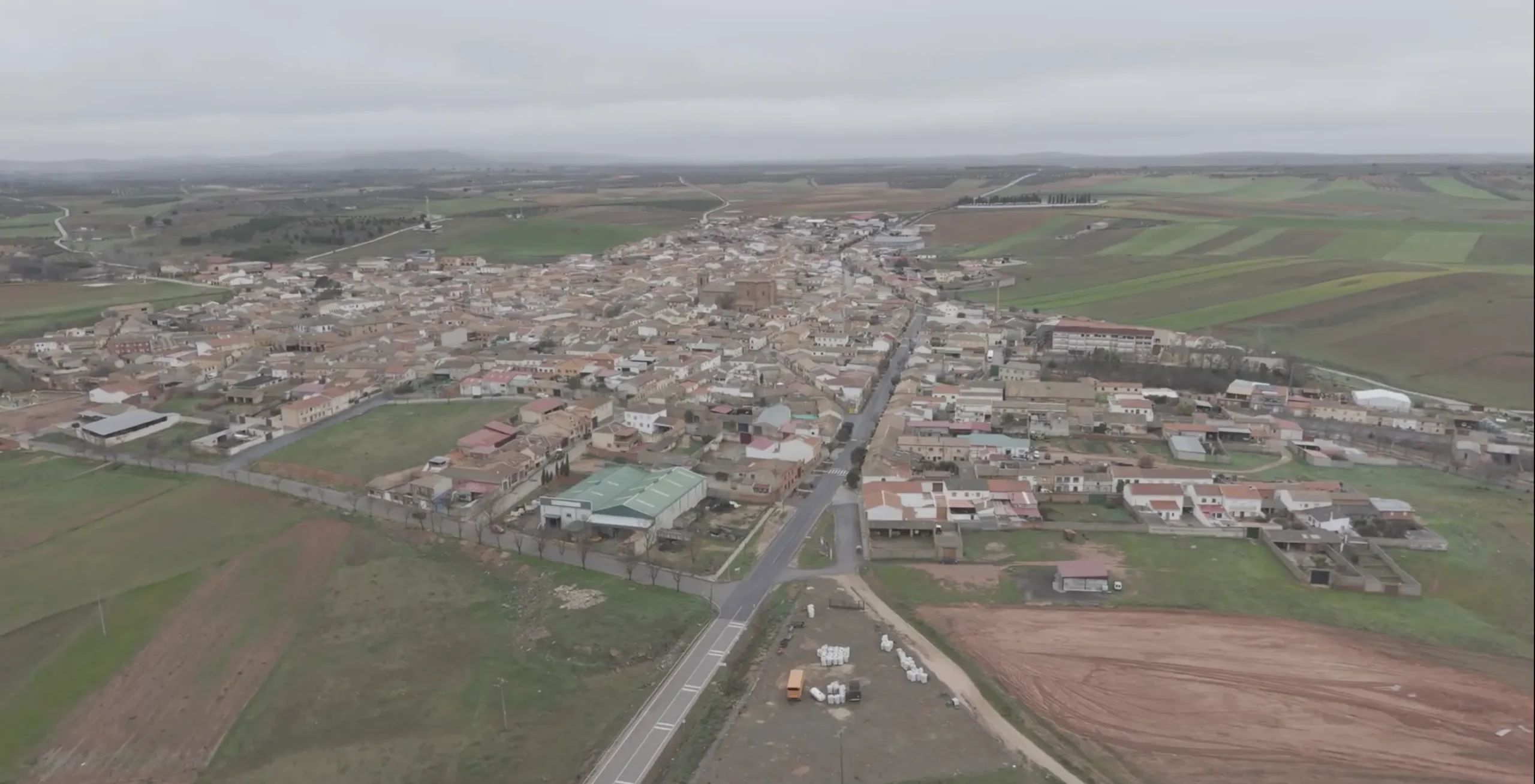
Tower of John the Abbot a bird's-eye view
Deep roots
Its origins date back to an earlier medieval settlement located in the vicinity of the hill of Santiago, where a sequence of occupation has been documented that begins in Islamic times, with an Umayyad farmhouse of the 9th and 10th centuries, and continues with the Christian village linked to the repopulation of Santiago between the 13th and 15th centuries.
Historical sources link this place to the tower that gave the town its name and to a small group of buildings and defenses, while the current nucleus ended up developing around the church of Our Lady of the Elms, which became the main organizing center of the town from the Late Middle Ages.
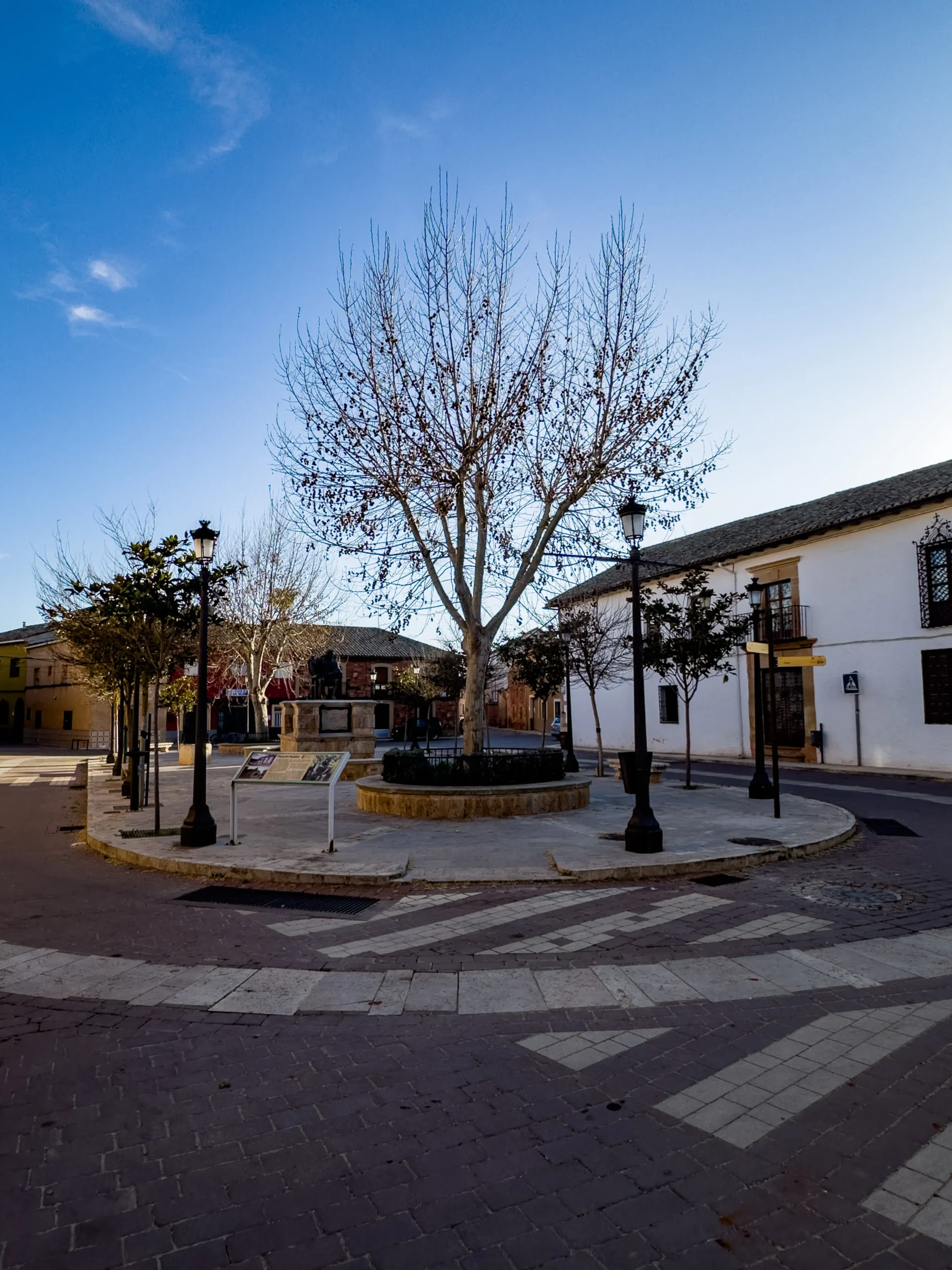
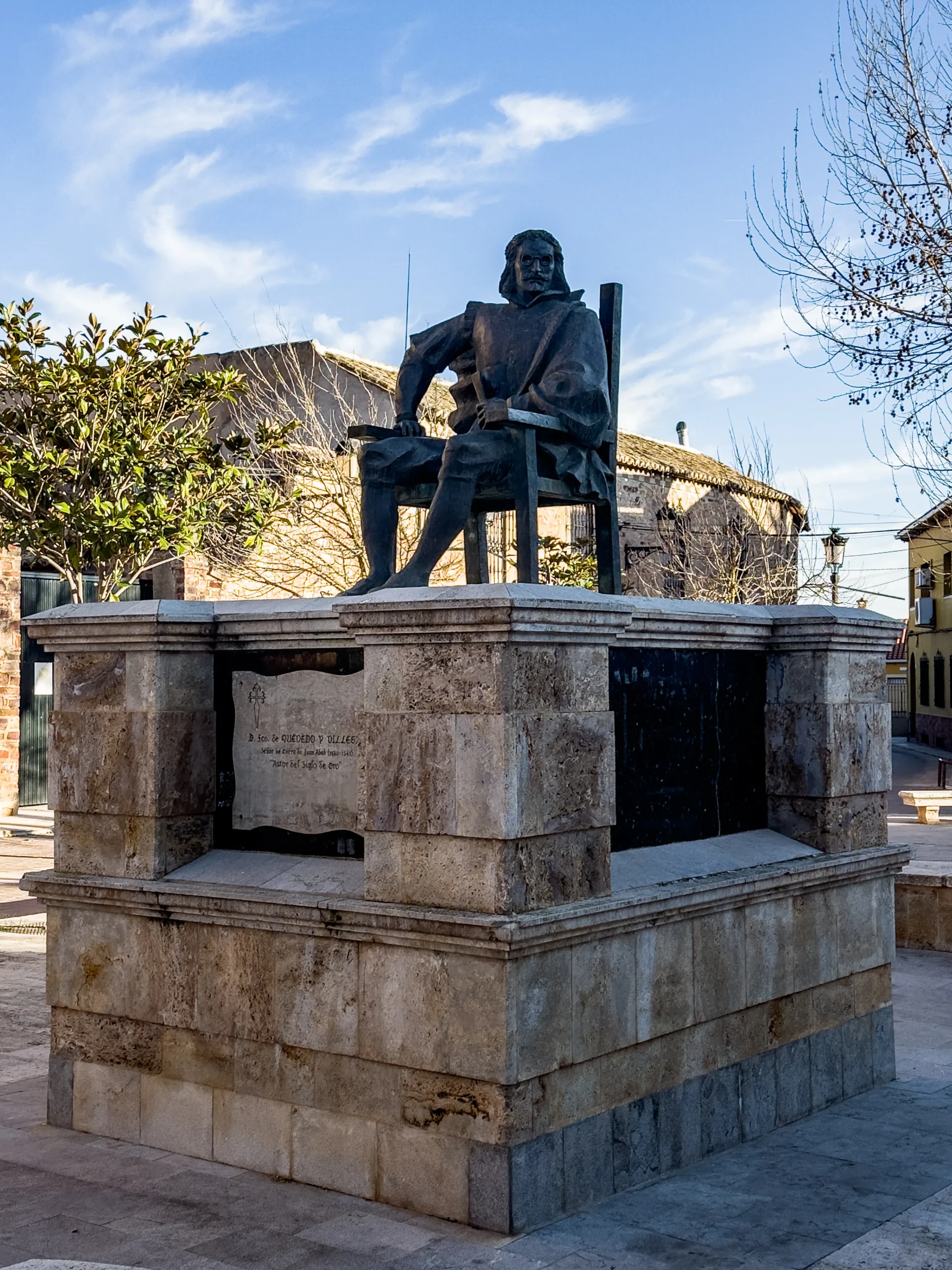
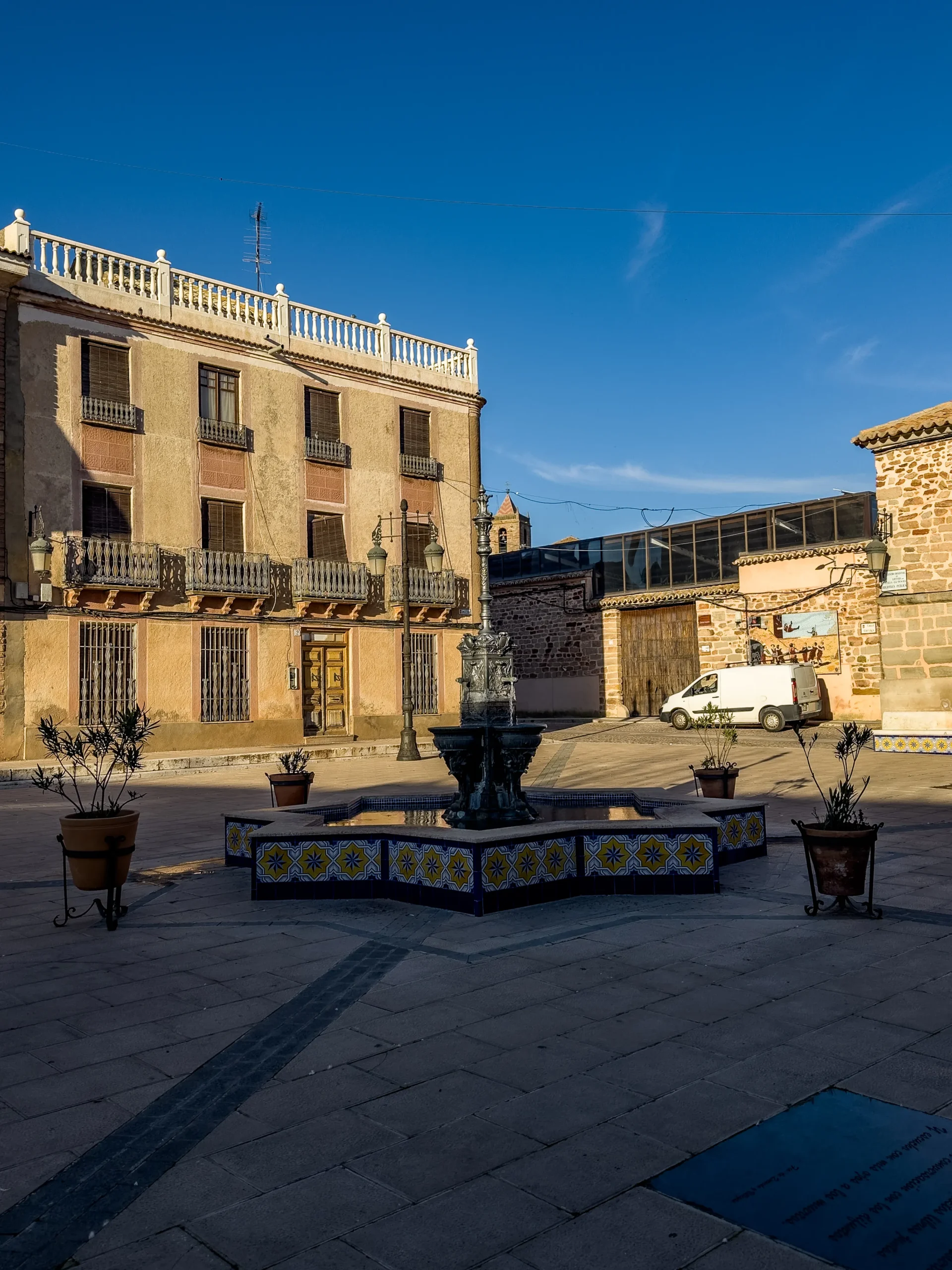
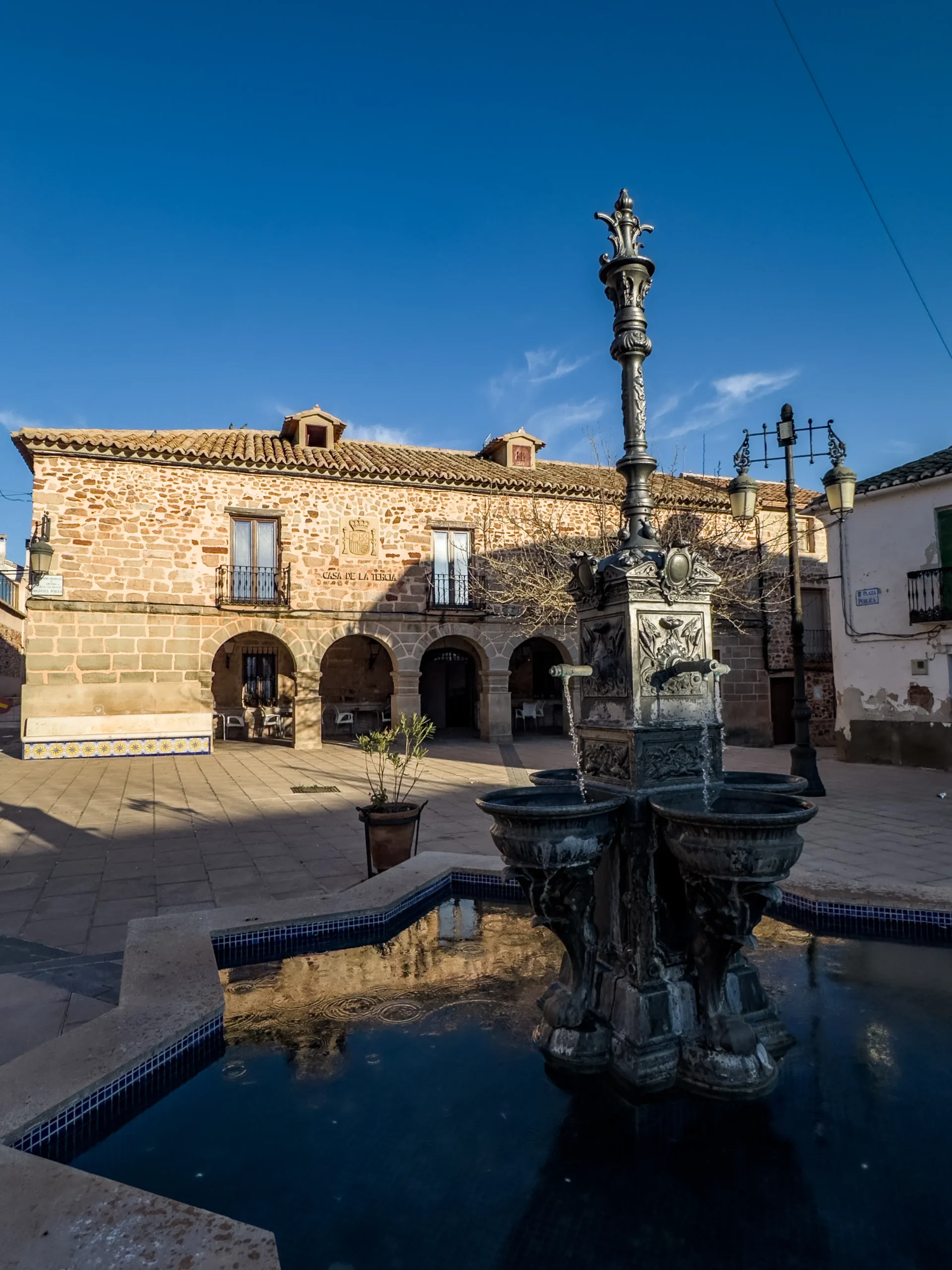
Today, Torre de Juan Abad offers a particularly attractive visit thanks to its combination of heritage, tranquil atmosphere, and cultural character. In addition to the impressive church and the Casa de la Tercia, the presence of the Quevedo House Museum gives the town a unique profile within the Campo de Montiel heritage route. Furthermore, the prestige of its historic organ and the concerts held throughout the year make a visit an experience that extends beyond historical monuments, incorporating music, literature, and the vibrant character of the town square and its most emblematic spaces.
Living culture
The celebrations that keep the spirit alive Tower of John the Abbot
Deep roots
Discover the historical and architectural treasures that make up Tower of John the Abbot a unique destination
Tower of John the Abbot
C. Quevedo, 36, Torre de Juan Abad
Tower of John the Abbot
C. San Antón, 1, Torre de Juan Abad
Tower of John the Abbot
C. San Antón, 1, Torre de Juan Abad
Tower of John the Abbot
C. Quevedo, 36, Torre de Juan Abad
Tower of John the Abbot
C. San Antón, 1, Torre de Juan Abad
Tower of John the Abbot
C. San Antón, 1, Torre de Juan Abad
Establishments where you can quench your thirst and hunger and give your body a rest after a day of adventures and discoveries in this wonderful town

Events
Routes
Golden Age Literature
The Campo de Montiel region was the birthplace and refuge of the leading authors and figures of Spanish Golden Age literature. Therefore, we propose a route that includes the main locations where history continues to unfold even today.
Distance
43 km
Duration
2 days
Difficulty
Easy
Municipality
Several
Organ Route
The Campo de Montiel region boasts one of the most remarkable collections of historic organs in Castilla-La Mancha. Mostly built during the 18th century by first-rate organ builders, these instruments continue to resonate within the walls of some of the region's most beautiful churches, now considered emblems of its musical heritage.
Distance
80 km
Duration
1 day
Difficulty
Easy
Municipality
Several
Baroque Art Route
During the 17th and 18th centuries, the Campo de Montiel region was one of the areas of greatest artistic ferment in Castilla-La Mancha. The consolidation of a prosperous local nobility linked to the Order of Santiago and the influence of the Counter-Reformation spurred the construction of sumptuous portals, altarpieces with Solomonic columns, soaring bell towers, convents, hospitals, and civic palaces that still grace the urban landscape of the region today. This route, which...
Distance
110 km
Duration
2 days
Difficulty
Easy
Municipality
Several
Renaissance Art Route
The Campo de Montiel region boasts one of the most remarkable collections of Renaissance architecture and visual arts in Castilla-La Mancha. Throughout the 16th century, the economic prosperity fostered by the Order of Santiago and a flourishing local nobility financed churches, Plateresque portals, Mannerist altarpieces, and stately homes that still stand as the most visible testament to the region's splendor. It was also in this landscape that Fernando Yáñez de Almedina, a direct disciple of Leonardo da Vinci, was born.
Distance
75 km
Duration
1 day
Difficulty
Easy
Municipality
Several
Golden Age Literature
The Campo de Montiel region was the birthplace and refuge of the leading authors and figures of Spanish Golden Age literature. Therefore, we propose a route that includes the main locations where history continues to unfold even today.
Distance
43 km
Duration
2 days
Difficulty
Easy
Municipality
Several
Organ Route
The Campo de Montiel region boasts one of the most remarkable collections of historic organs in Castilla-La Mancha. Mostly built during the 18th century by first-rate organ builders, these instruments continue to resonate within the walls of some of the region's most beautiful churches, now considered emblems of its musical heritage.
Distance
80 km
Duration
1 day
Difficulty
Easy
Municipality
Several
Baroque Art Route
During the 17th and 18th centuries, the Campo de Montiel region was one of the areas of greatest artistic ferment in Castilla-La Mancha. The consolidation of a prosperous local nobility linked to the Order of Santiago and the influence of the Counter-Reformation spurred the construction of sumptuous portals, altarpieces with Solomonic columns, soaring bell towers, convents, hospitals, and civic palaces that still grace the urban landscape of the region today. This route, which...
Distance
110 km
Duration
2 days
Difficulty
Easy
Municipality
Several
Renaissance Art Route
The Campo de Montiel region boasts one of the most remarkable collections of Renaissance architecture and visual arts in Castilla-La Mancha. Throughout the 16th century, the economic prosperity fostered by the Order of Santiago and a flourishing local nobility financed churches, Plateresque portals, Mannerist altarpieces, and stately homes that still stand as the most visible testament to the region's splendor. It was also in this landscape that Fernando Yáñez de Almedina, a direct disciple of Leonardo da Vinci, was born.
Distance
75 km
Duration
1 day
Difficulty
Easy
Municipality
Several

© Campo de Montiel - 2026