About this place
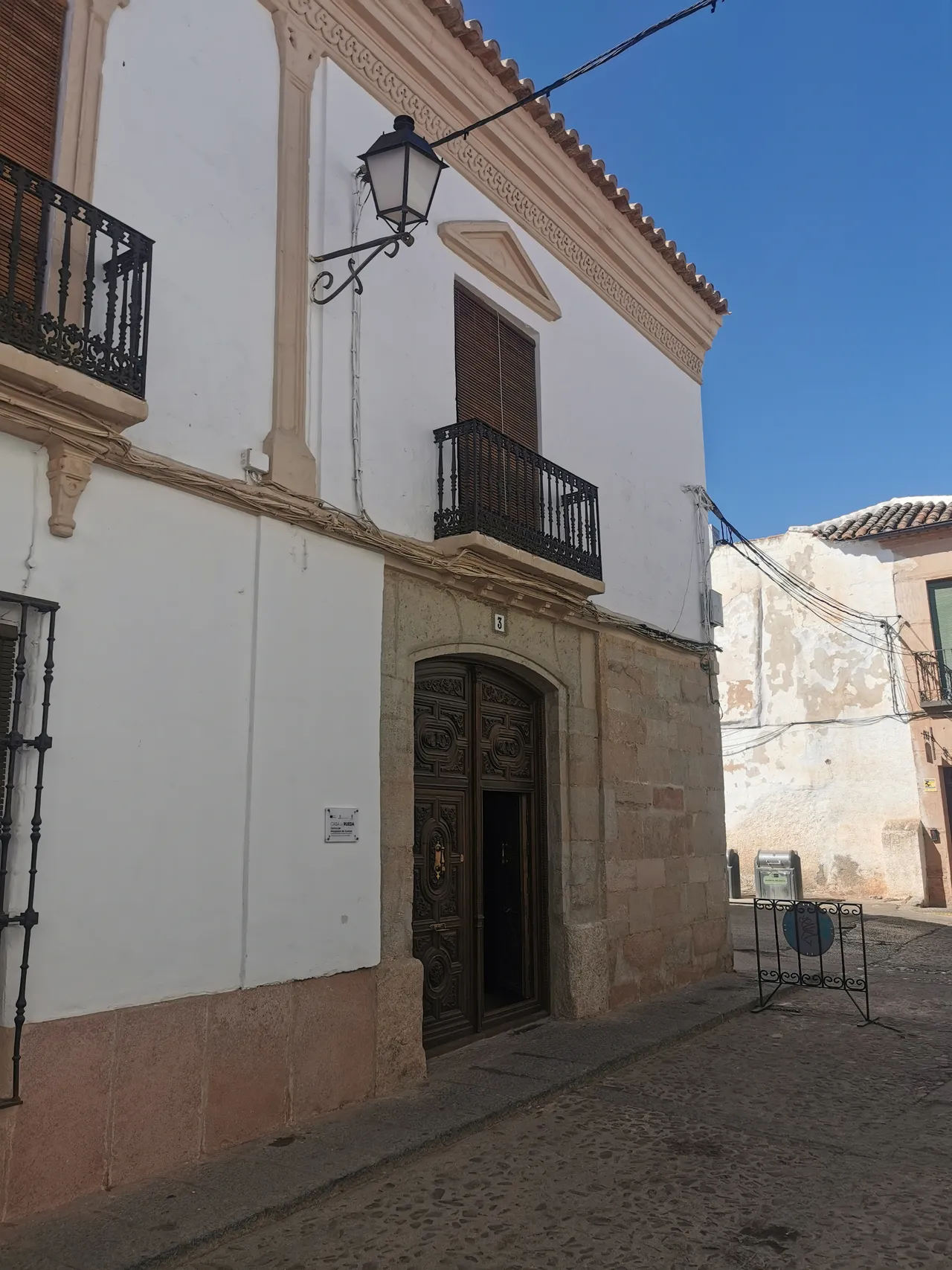
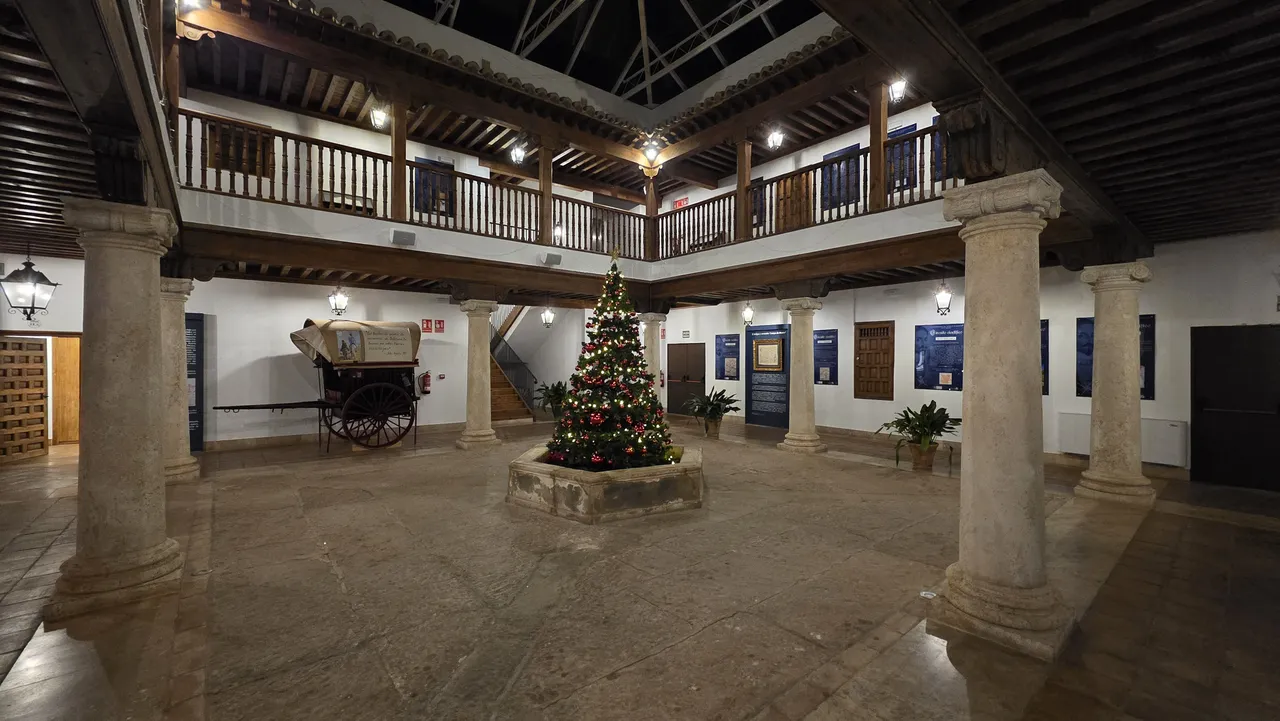
The Casa de Rueda in Villanueva de los Infantes is one of the civil buildings that best complete the monumental reading of the historic center.
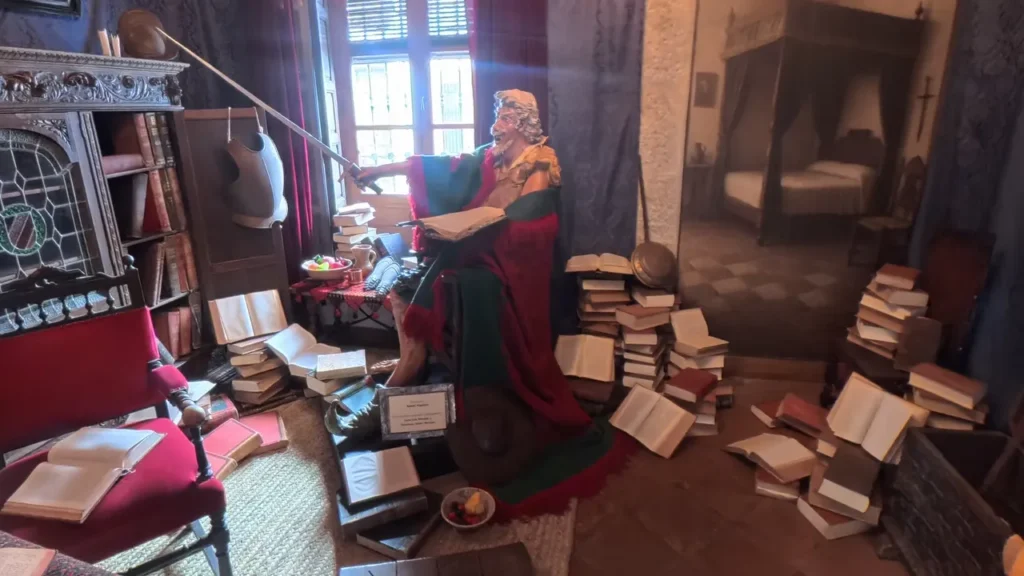
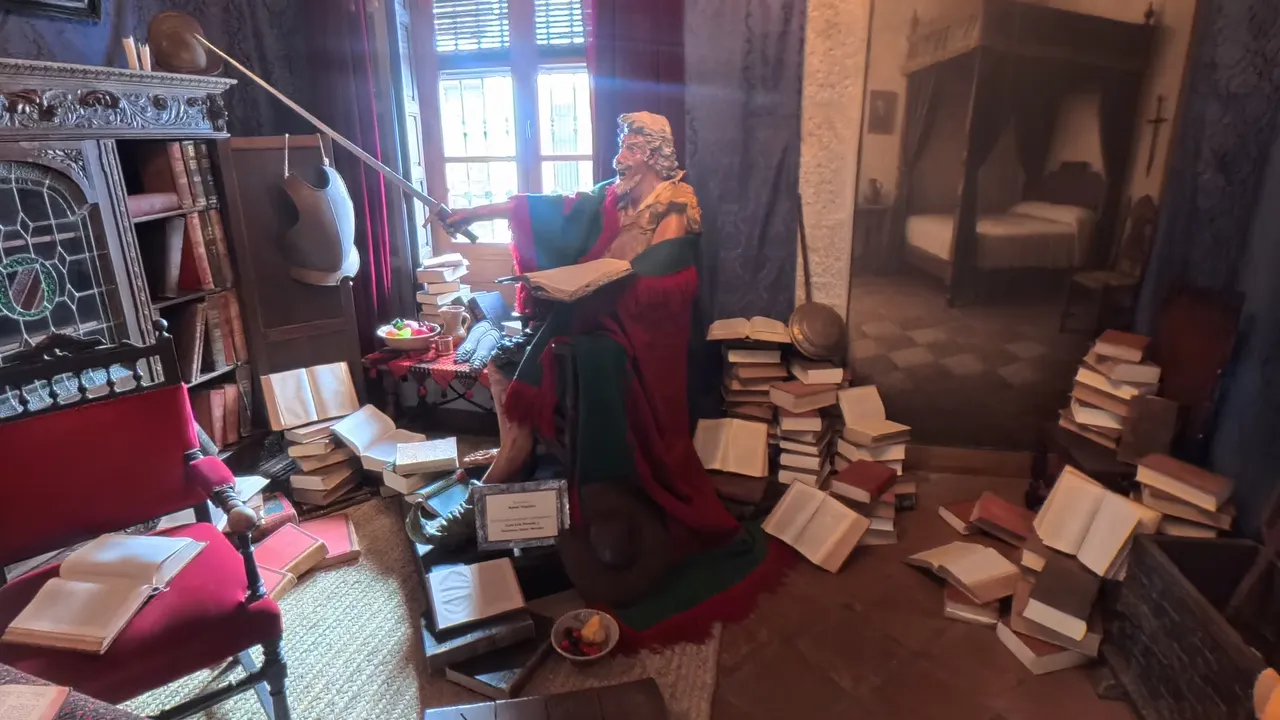
The project documentation identifies it as an outstanding heritage resource and It also links it to the Quixote Library It is already a space for cultural interpretation, which reinforces its interest within a village where domestic architecture, literary memory and cultural life intertwine with special intensity.
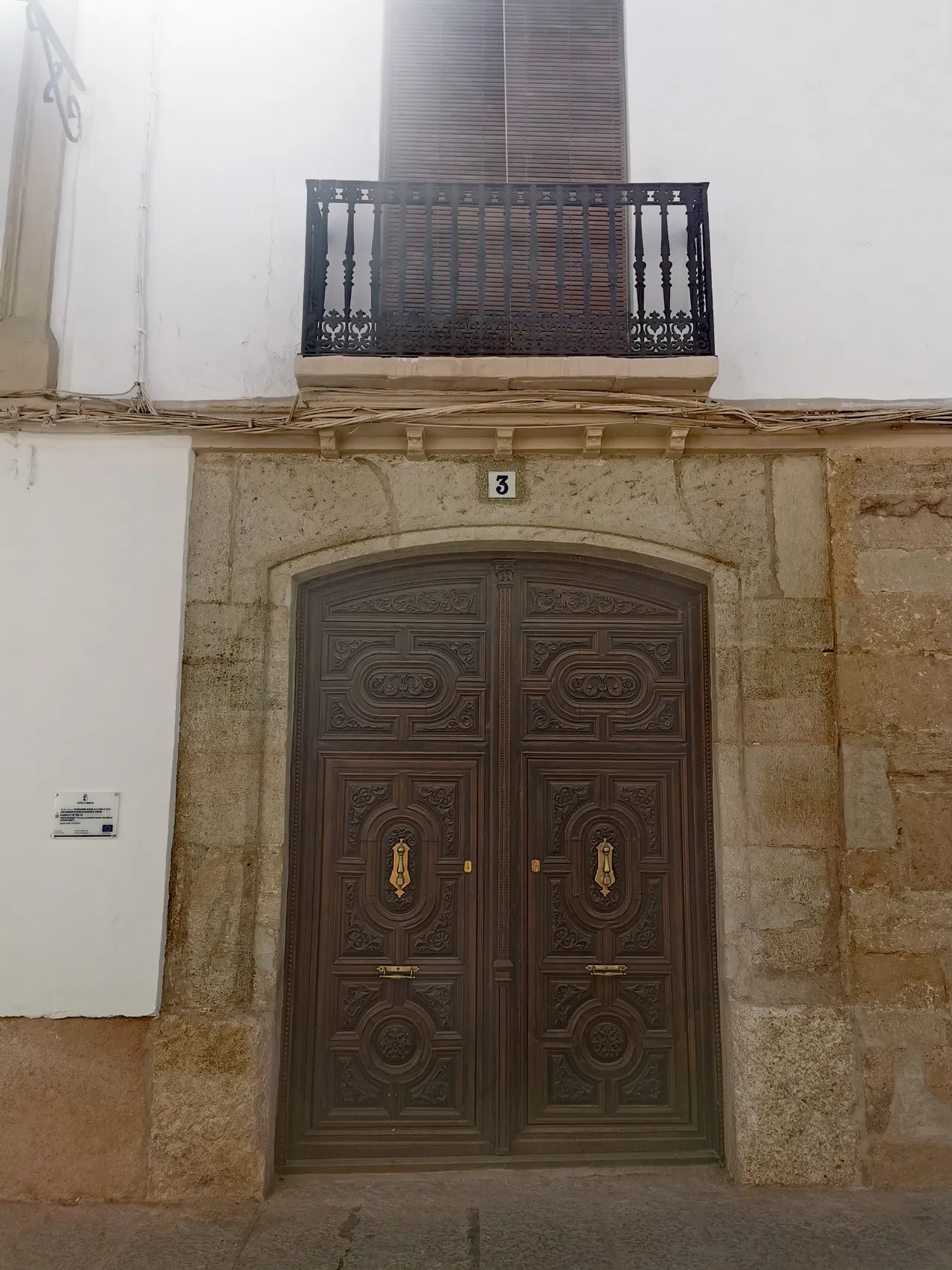
From an architectural point of view, it preserves a 19th-century facade of historicist character, enhanced with remarkable wrought ironwork on the balconies.
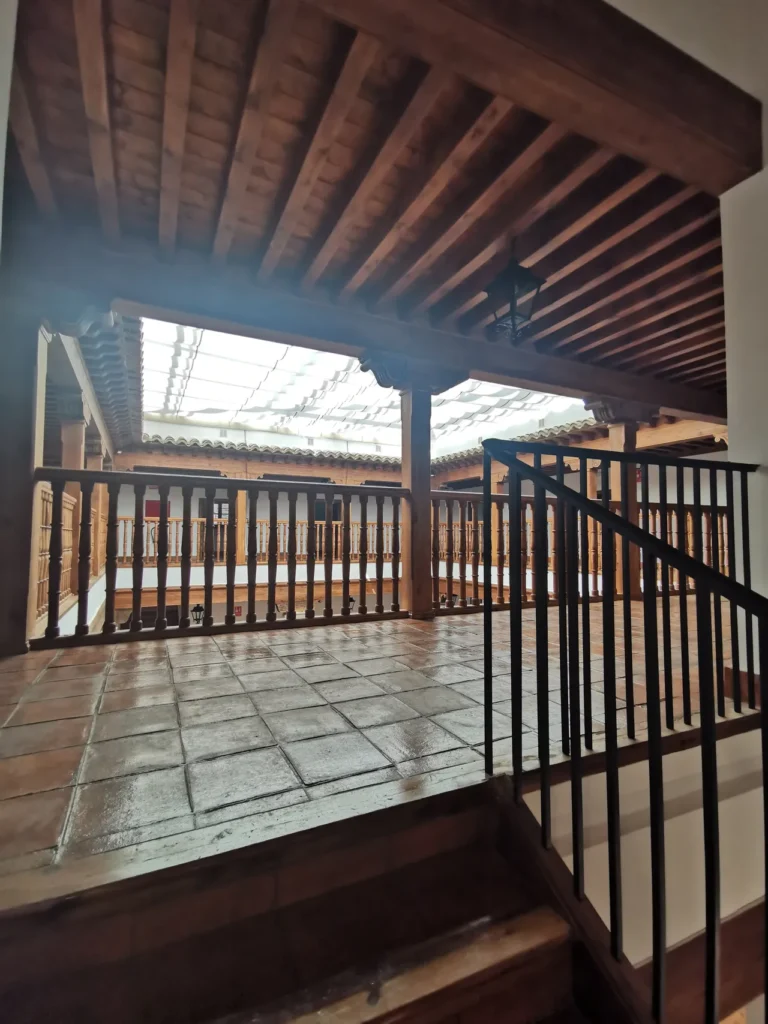
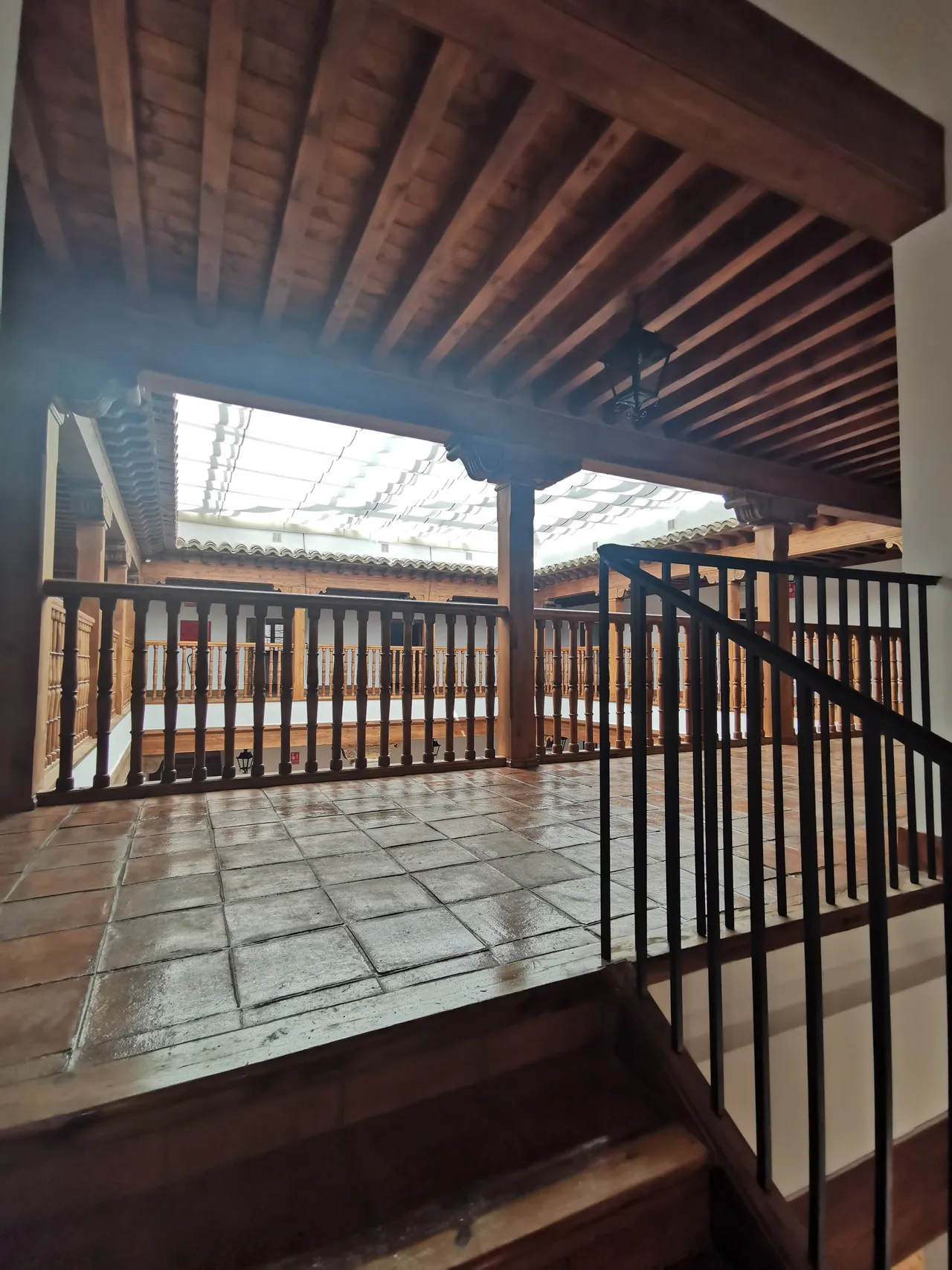
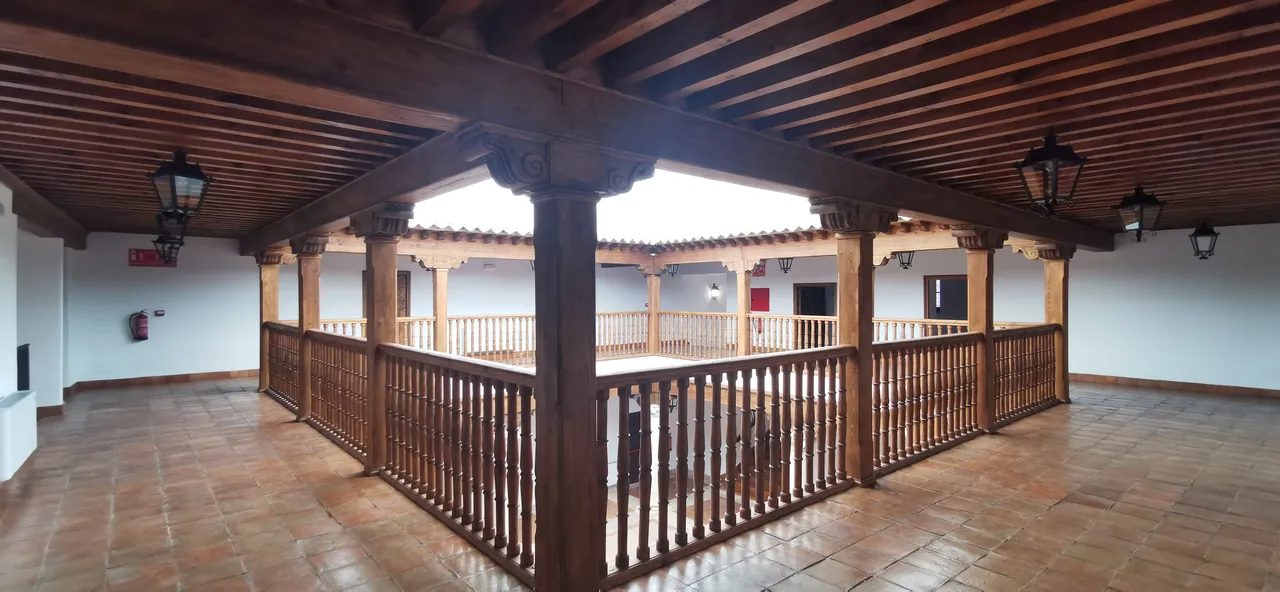
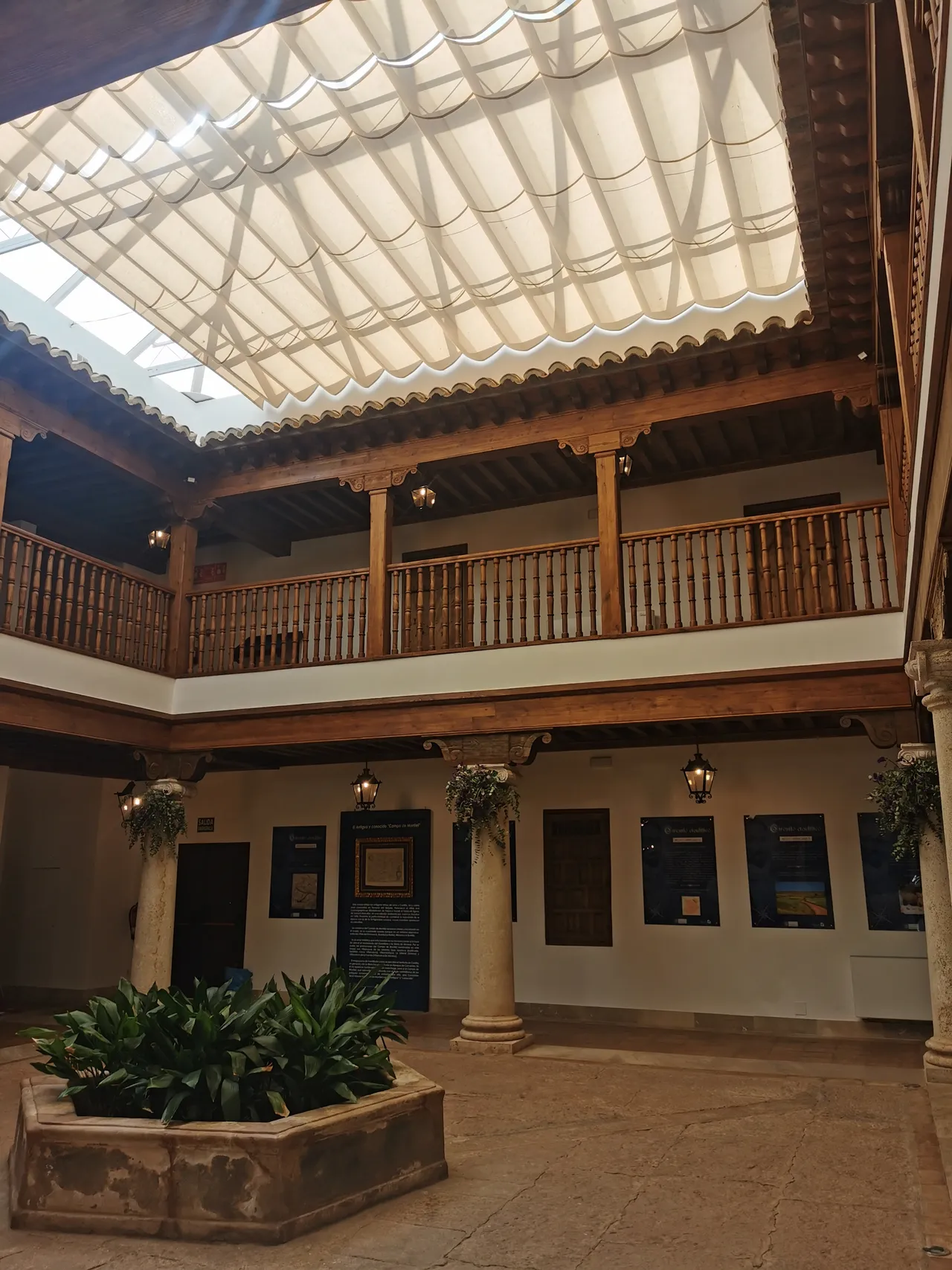
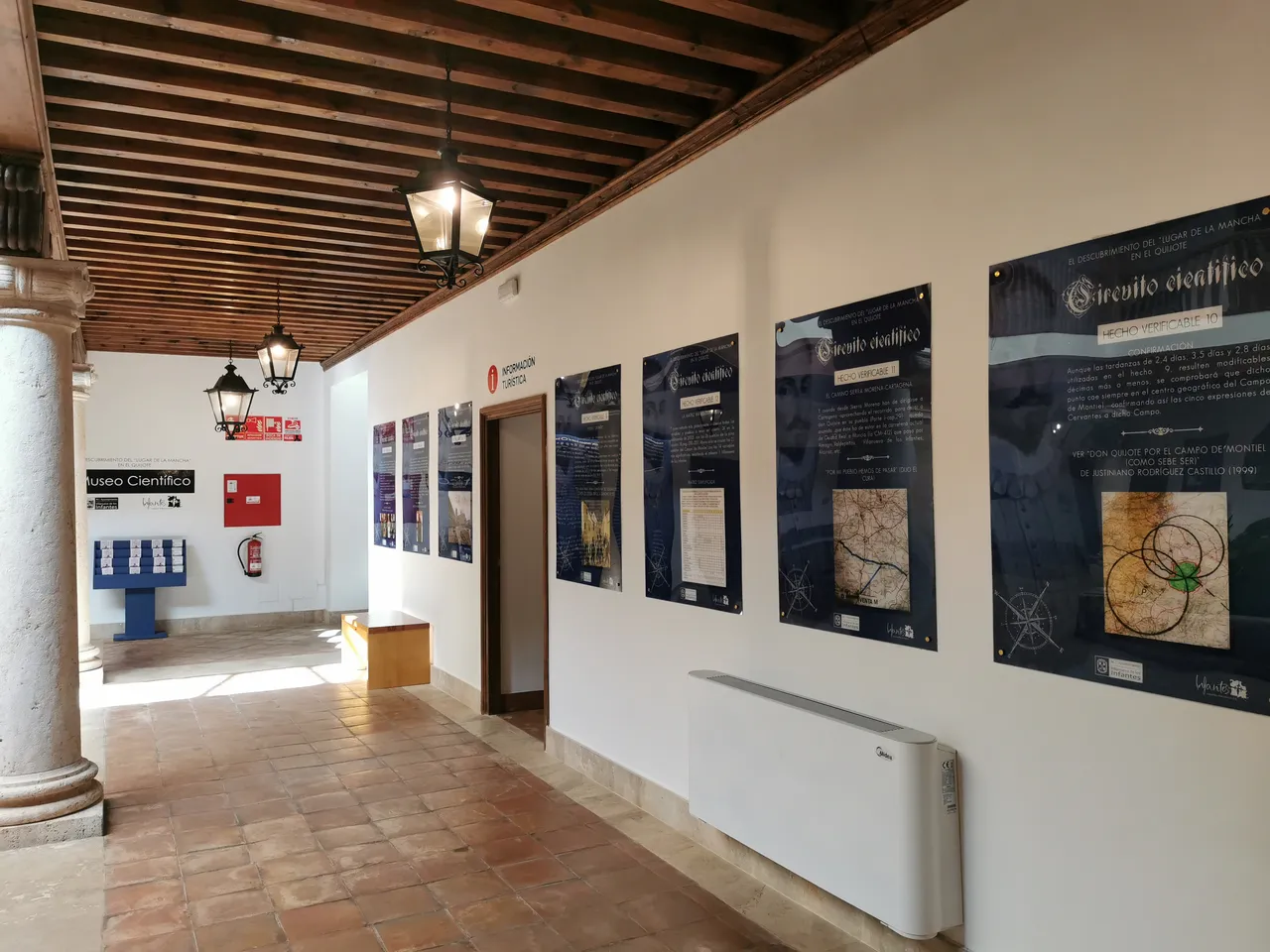
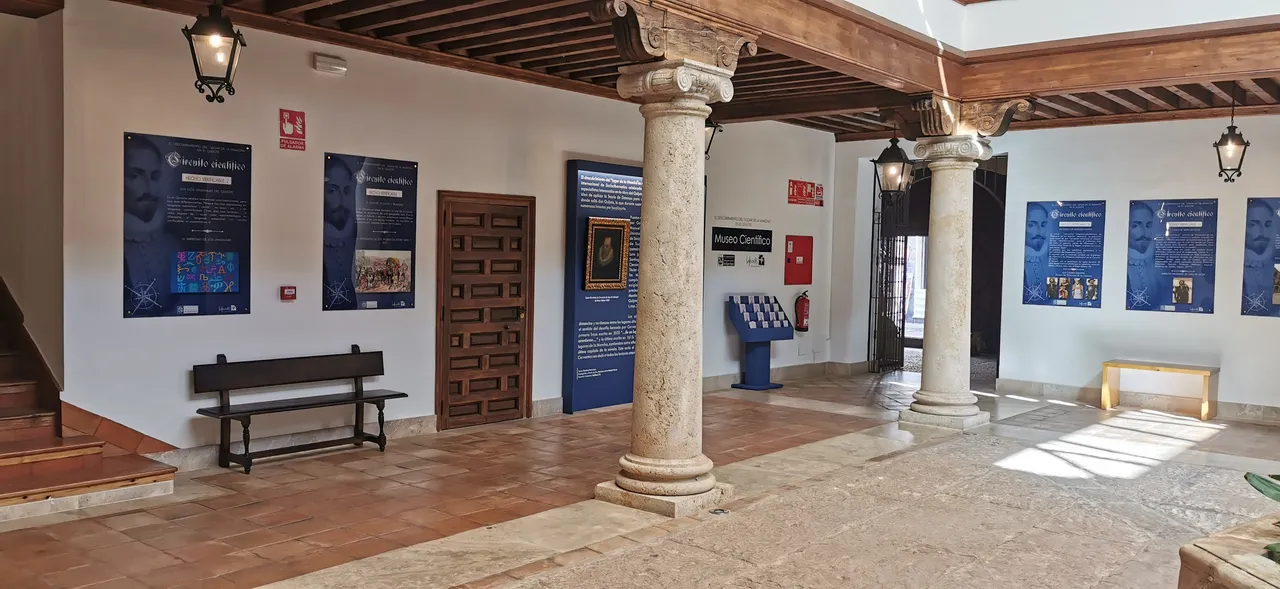
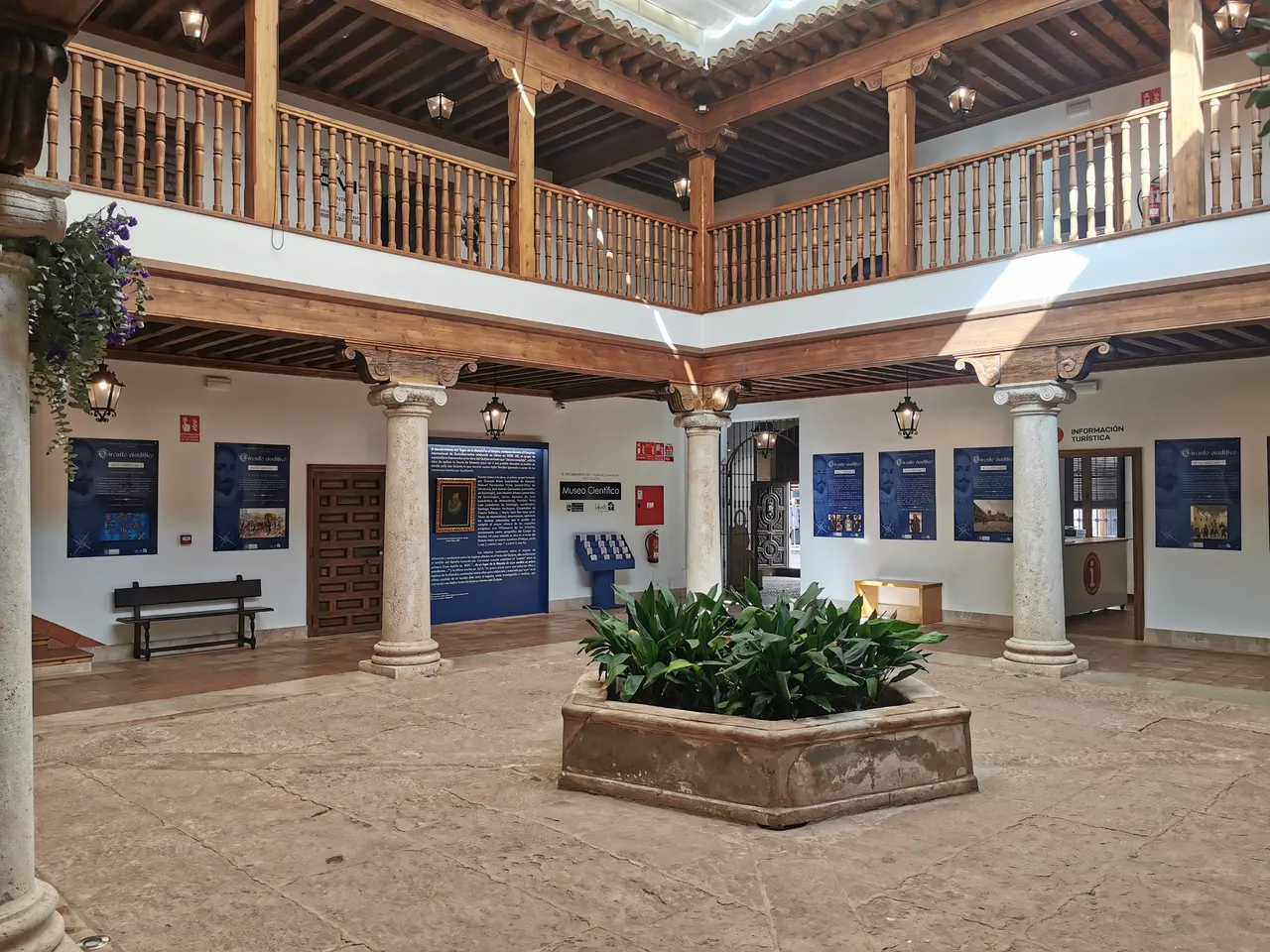
Although its exterior is elegant and understated, the building's greatest appeal lies in its interior courtyard, designed following Castilian models and organized with Ionic columns, trefoil frieze, scrolls in the form of balusters and galleries covered with alfarjes.
One of its columns also features the date 1863, a detail that helps to contextualize its current configuration.
The visit is especially well understood within the tour of the main houses of Villanueva de los Infantes.
Rather than as an isolated building, the Casa de Rueda should be viewed as part of that group of historic residences that shape the stately image of the town.
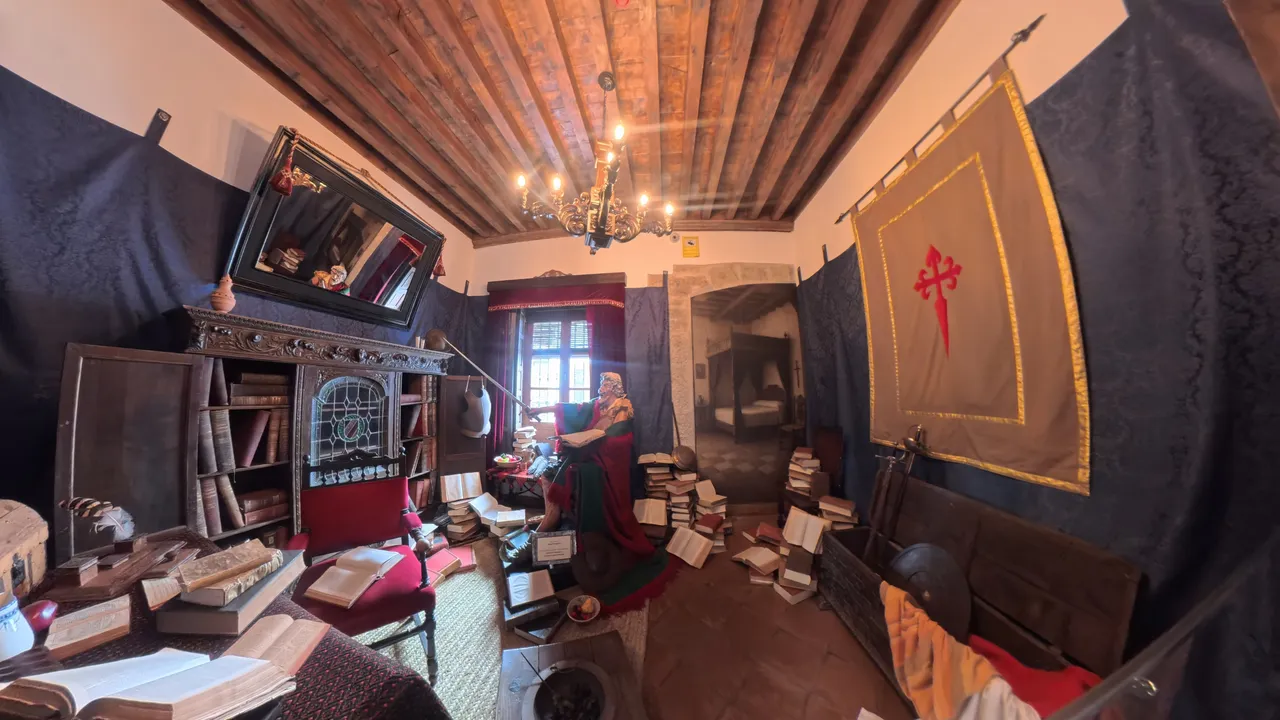
Its connection with the Cervantes universe and with the Quixote Library adds a unique value, uniting architectural heritage, cultural history and visitor experience in the same space.
Useful information and location map
Wheelhouse a bird's-eye view
Other resources in the same municipality
Discover more things to visit that are nearby
Dr. Alberdi Square, Villanueva de los Infantes
Villanueva de los Infantes
C. Ramón Herrera, 3, Villanueva de los Infantes
Villanueva de los Infantes
C. Cervantes, 12, Villanueva de los Infantes
C. Santo Tomás, 39, Villanueva de los Infantes
Plaza Mayor, 1, Villanueva de los Infantes
Villanueva de los Infantes
C. Cervantes, 14, Villanueva de los Infantes
Villanueva de los Infantes
Routes where this resource appears
Baroque Art Route
During the 17th and 18th centuries, the Campo de Montiel region was one of the areas of greatest artistic ferment in Castilla-La Mancha. The consolidation of a prosperous local nobility linked to the Order of Santiago and the influence of the Counter-Reformation spurred the construction of sumptuous portals, altarpieces with Solomonic columns, soaring bell towers, convents, hospitals, and civic palaces that still grace the urban landscape of the region today. This route, which...
Distance
110 km
Duration
2 days
Difficulty
Easy
Municipality
Several
Renaissance Art Route
The Campo de Montiel region boasts one of the most remarkable collections of Renaissance architecture and visual arts in Castilla-La Mancha. Throughout the 16th century, the economic prosperity fostered by the Order of Santiago and a flourishing local nobility financed churches, Plateresque portals, Mannerist altarpieces, and stately homes that still stand as the most visible testament to the region's splendor. It was also in this landscape that Fernando Yáñez de Almedina, a direct disciple of Leonardo da Vinci, was born.
Distance
75 km
Duration
1 day
Difficulty
Easy
Municipality
Several

© Campo de Montiel - 2026