About this place
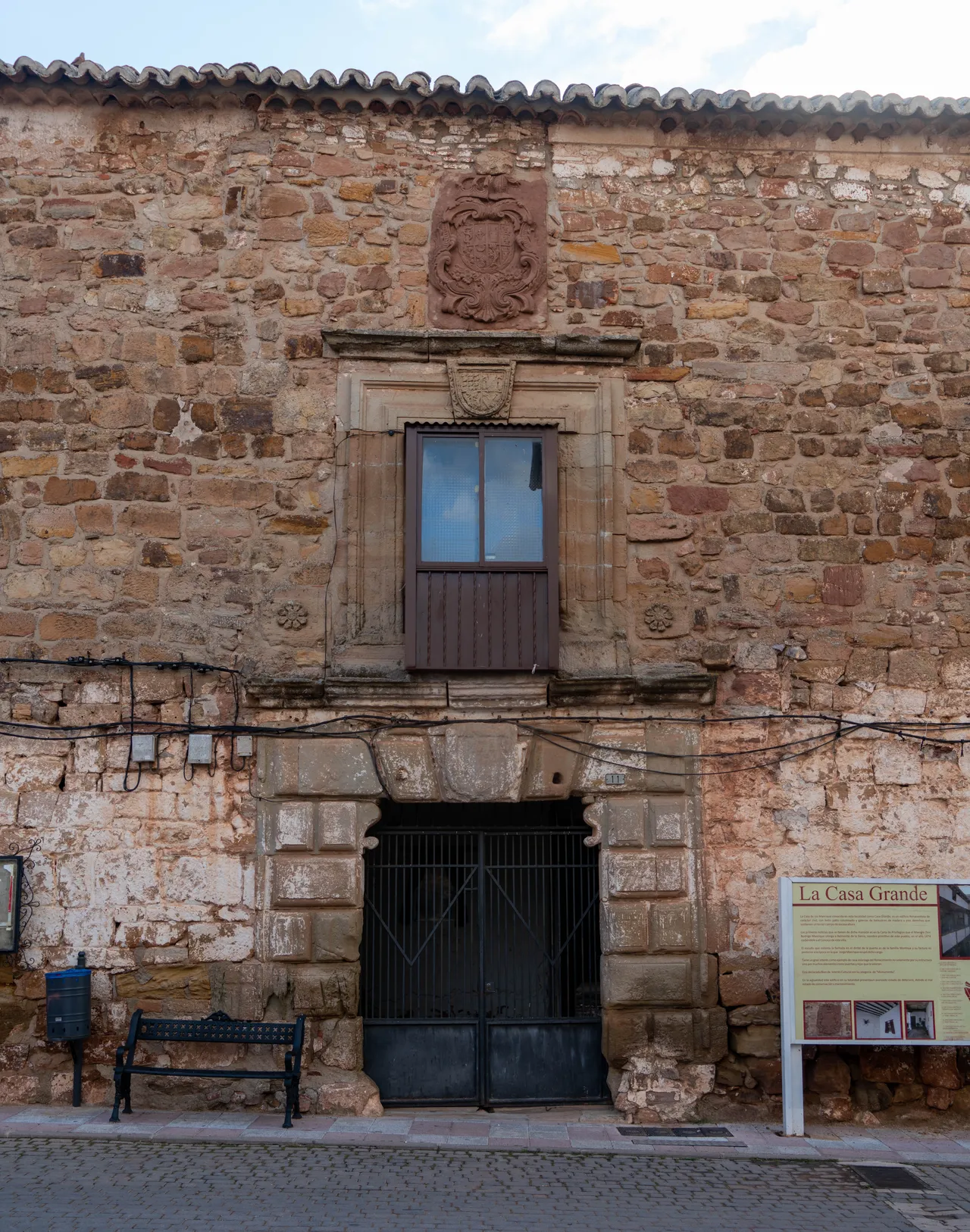
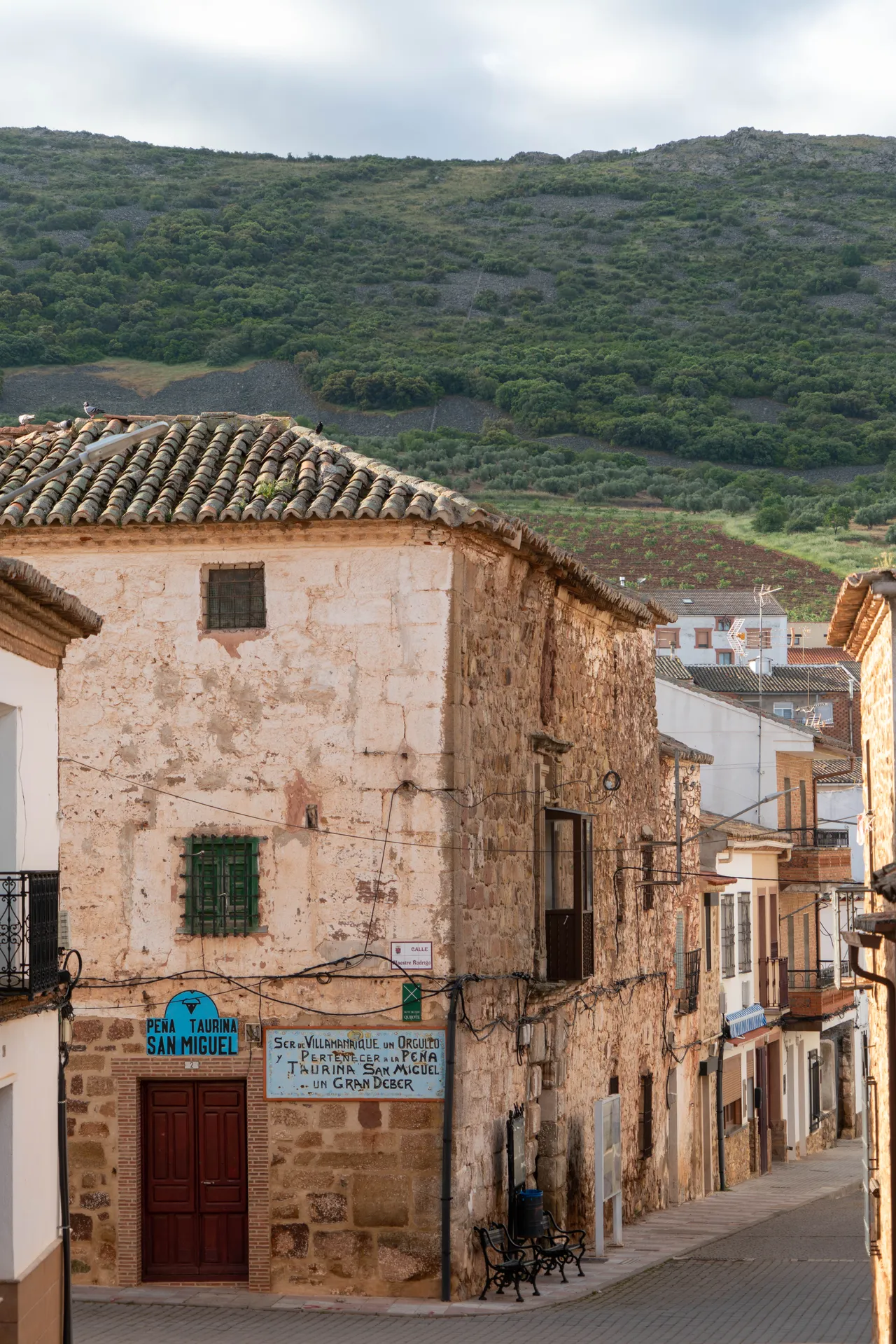
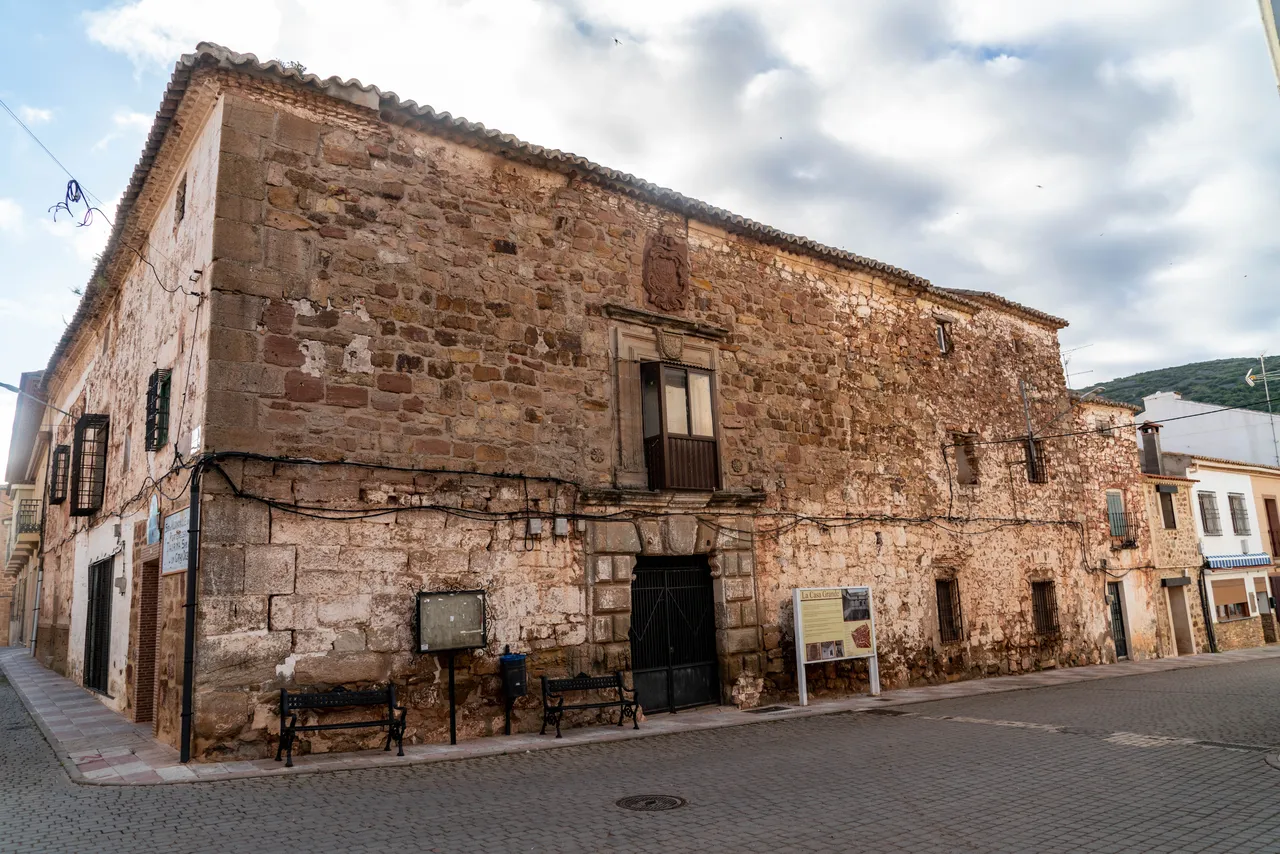
The Casa Grande is located in the town center of Villamanrique, on Cervantes Street, within the historical route that connects the Church of San Andrés, the stately homes, and other remnants of the town's noble past. Its presence helps to understand the importance this area attained in the late Middle Ages and early Modern period, when the memory of the Manrique family became closely intertwined with the local identity.
The building is traditionally linked to the Manrique family, a fundamental lineage in the town's history. In 1474, Rodrigo Manrique granted Belmonte de la Sierra the status of a town, and from then on, the place reinforced its symbolic connection with this lineage, eventually adopting the name Villamanrique. The house retains this historical and literary value associated with Jorge Manrique, one of the essential figures of 15th-century Castilian poetry.
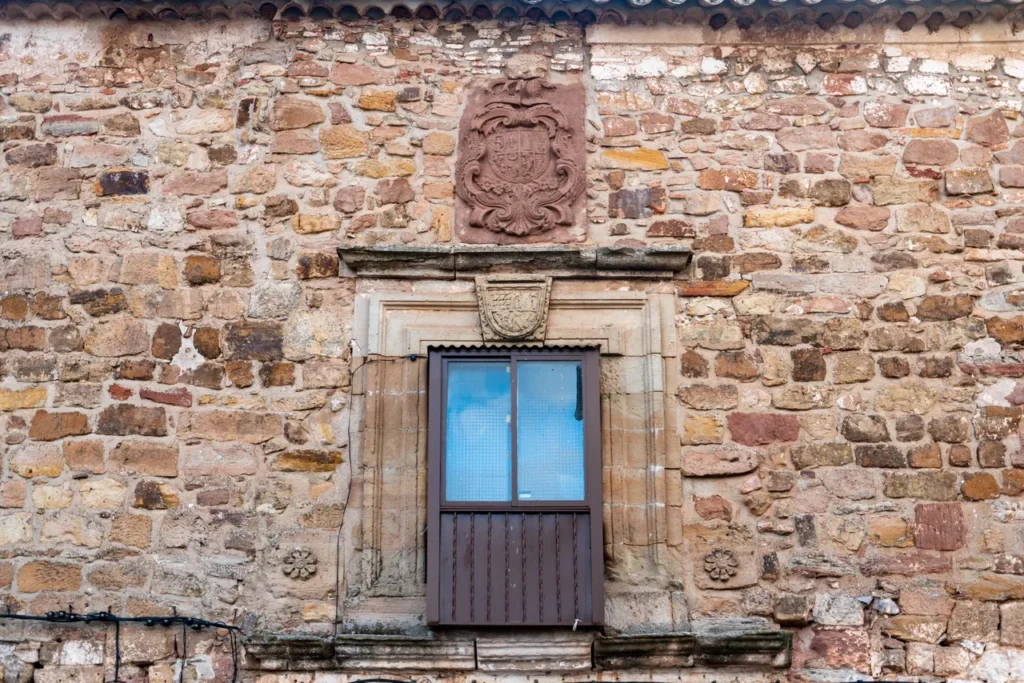
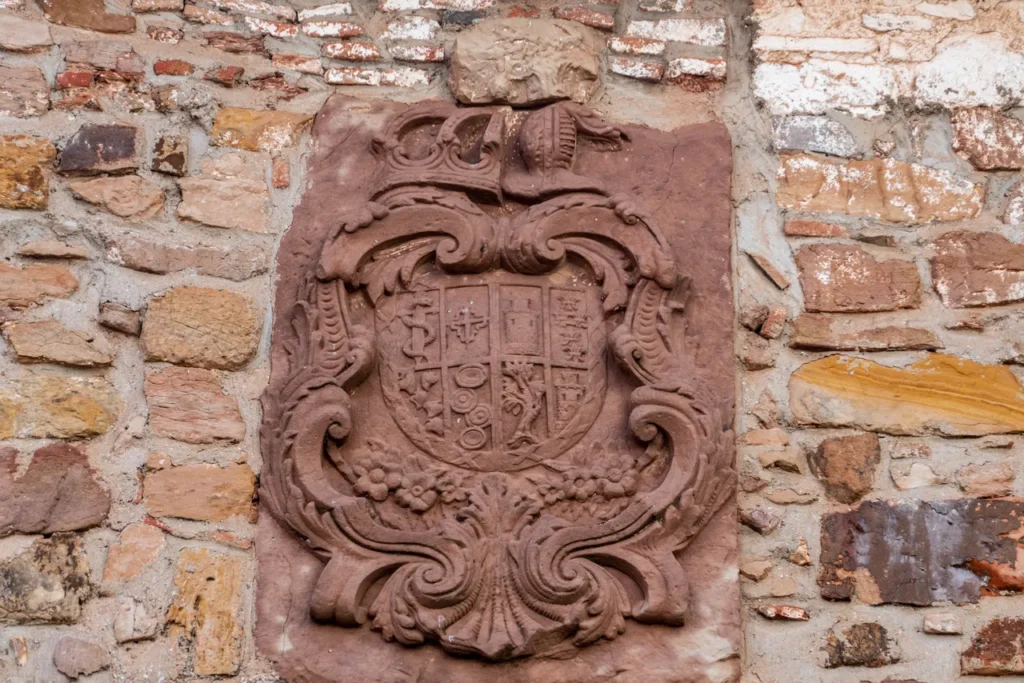
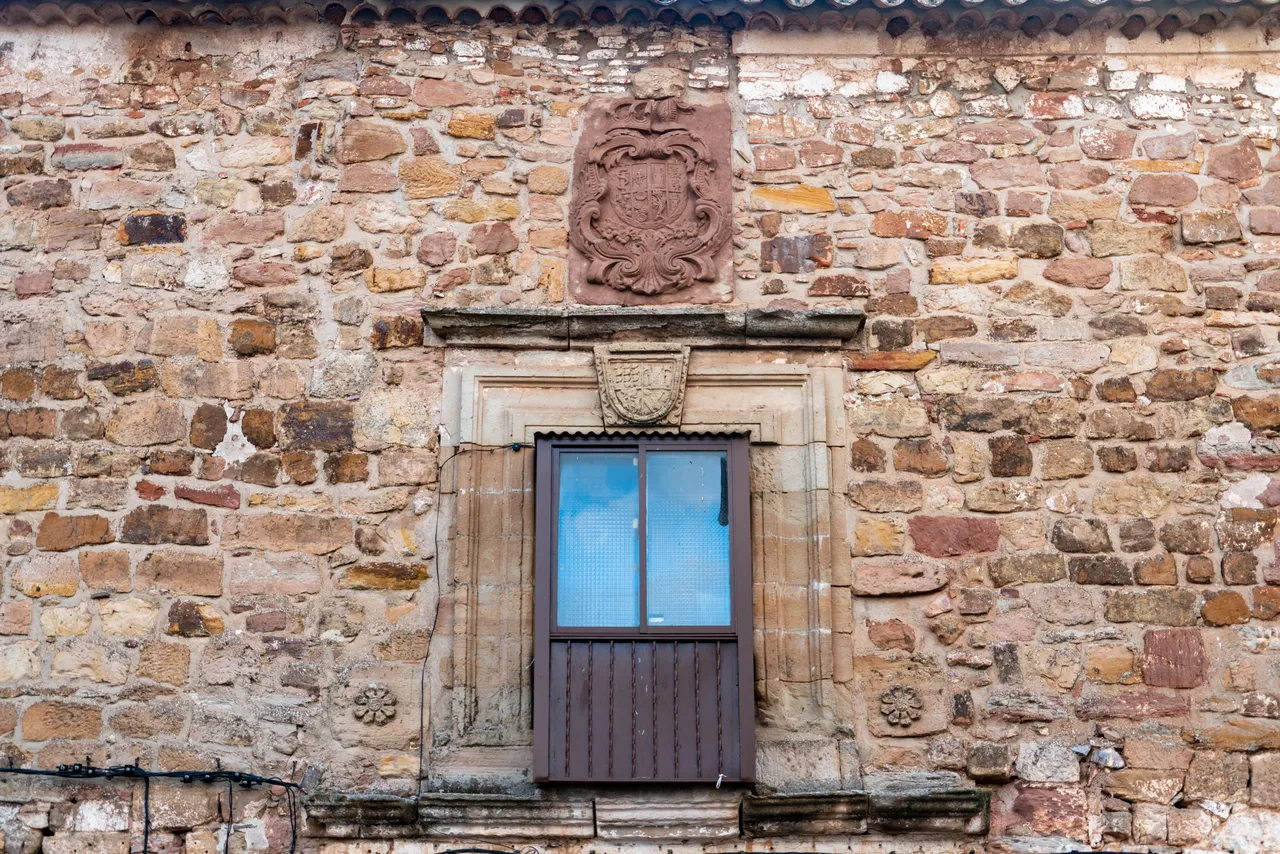
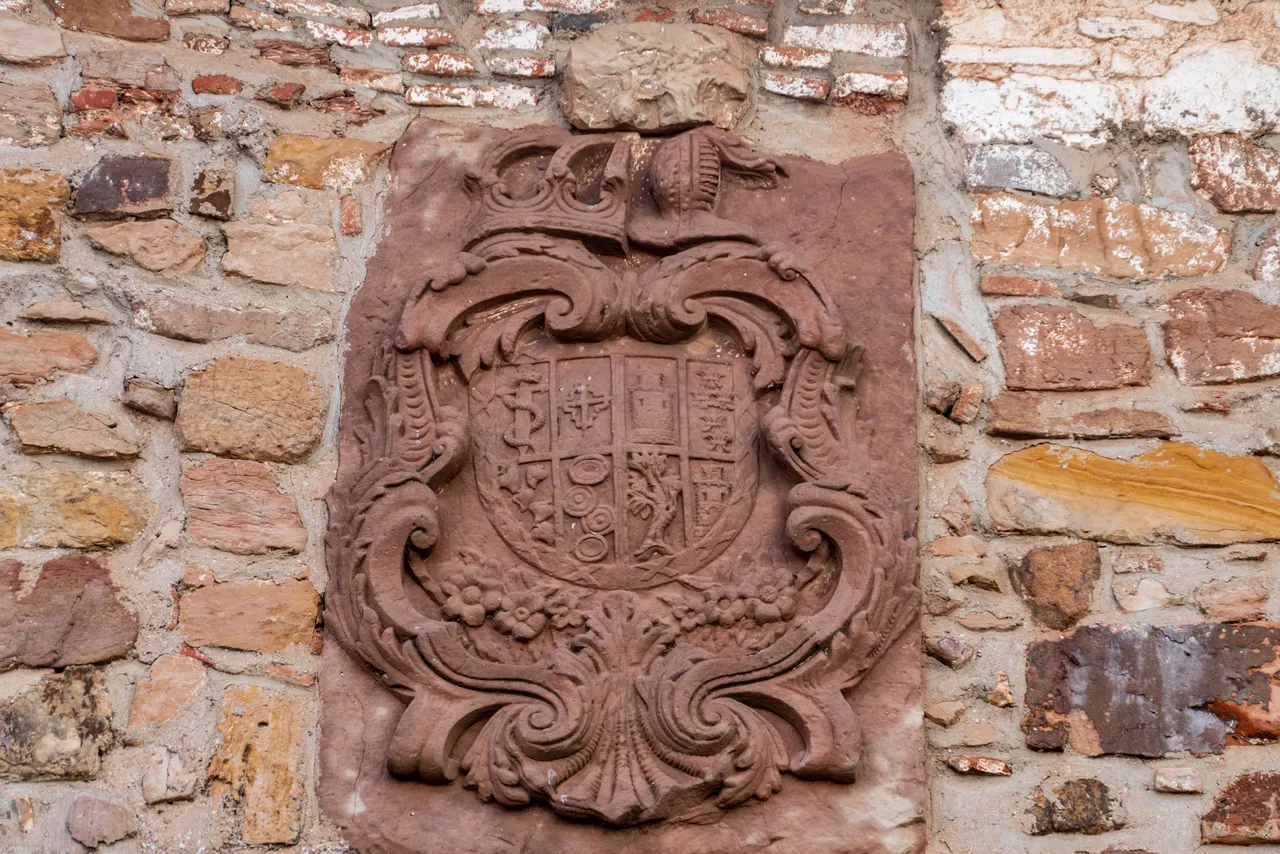
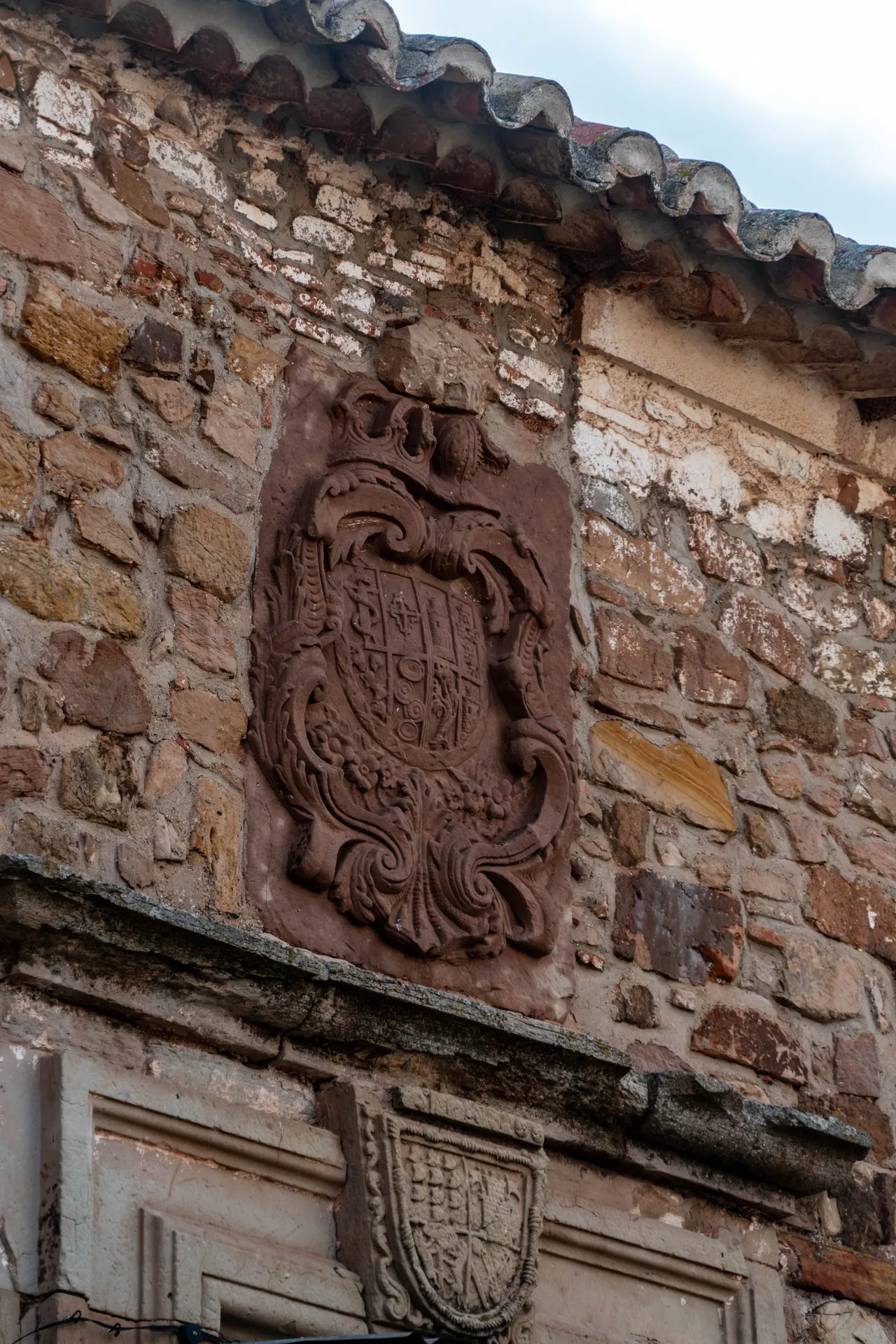
This is a Renaissance-style manor house, declared a Site of Cultural Interest with the category of Monument. Its main points of interest lie in its civil architecture: the entrance hall, the square courtyard, the Tuscan columns, the wooden corbels, the balustraded galleries, and the upper floor used for storage. Due to its state of preservation, visits should be planned with caution, and it is advisable to consult the tourist office beforehand to gain access to the interior.

Useful information and location map
Casa Grande or House of Jorge Manrique a bird's-eye view
Other resources in the same municipality
Discover more things to visit that are nearby
Villamanrique
Villamanrique
Villamanrique
C. Jerónimo Frías, 23, Villamanrique
Villamanrique
C. Jerónimo Frías, 23, Villamanrique
Villamanrique
Villamanrique
Villamanrique
Villamanrique
Routes where this resource appears
Golden Age Literature
The Campo de Montiel region was the birthplace and refuge of the leading authors and figures of Spanish Golden Age literature. Therefore, we propose a route that includes the main locations where history continues to unfold even today.
Distance
43 km
Duration
2 days
Difficulty
Easy
Municipality
Several
Organ Route
The Campo de Montiel region boasts one of the most remarkable collections of historic organs in Castilla-La Mancha. Mostly built during the 18th century by first-rate organ builders, these instruments continue to resonate within the walls of some of the region's most beautiful churches, now considered emblems of its musical heritage.
Distance
80 km
Duration
1 day
Difficulty
Easy
Municipality
Several
Renaissance Art Route
The Campo de Montiel region boasts one of the most remarkable collections of Renaissance architecture and visual arts in Castilla-La Mancha. Throughout the 16th century, the economic prosperity fostered by the Order of Santiago and a flourishing local nobility financed churches, Plateresque portals, Mannerist altarpieces, and stately homes that still stand as the most visible testament to the region's splendor. It was also in this landscape that Fernando Yáñez de Almedina, a direct disciple of Leonardo da Vinci, was born.
Distance
75 km
Duration
1 day
Difficulty
Easy
Municipality
Several

© Campo de Montiel - 2026