About this place
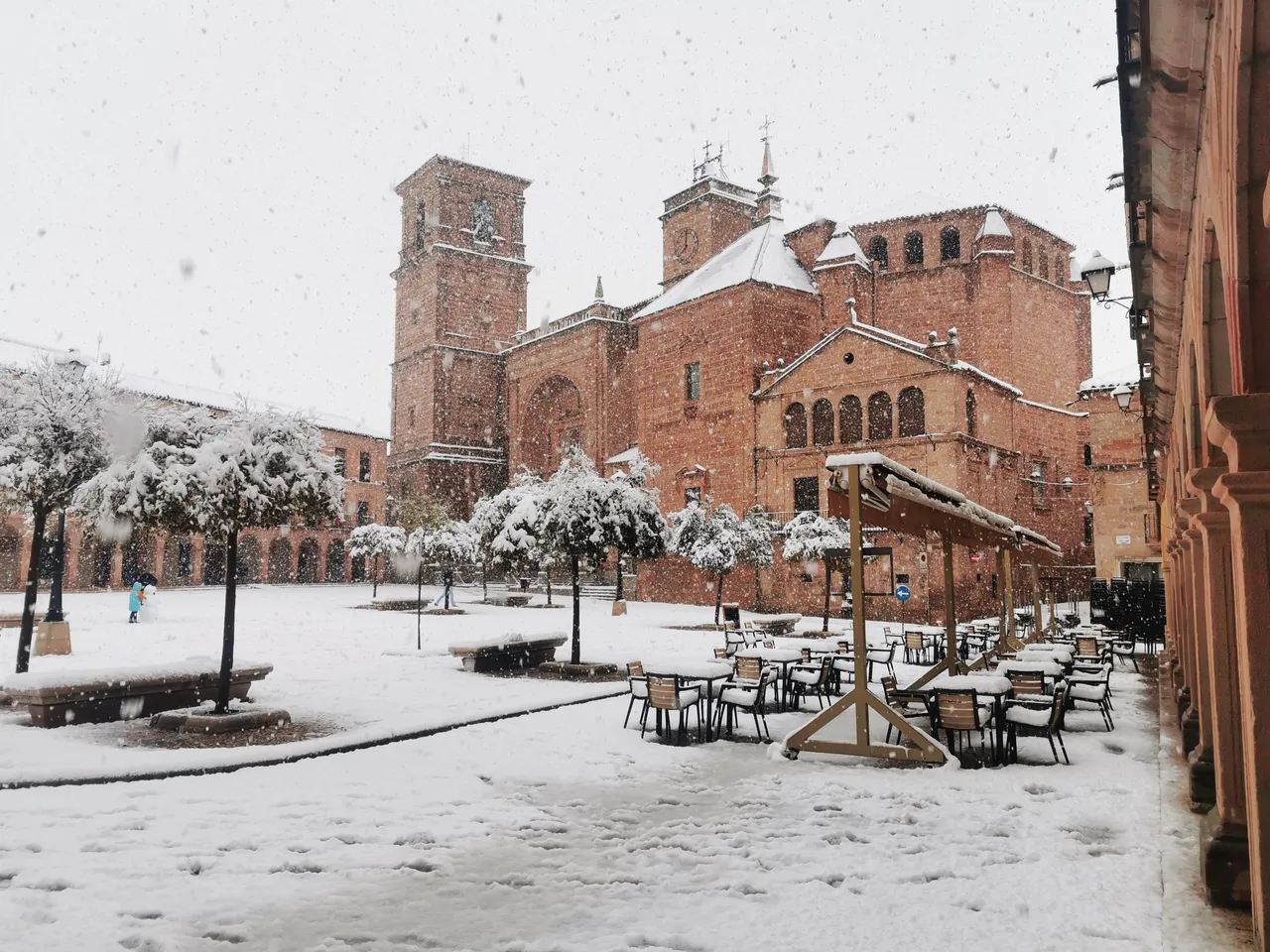
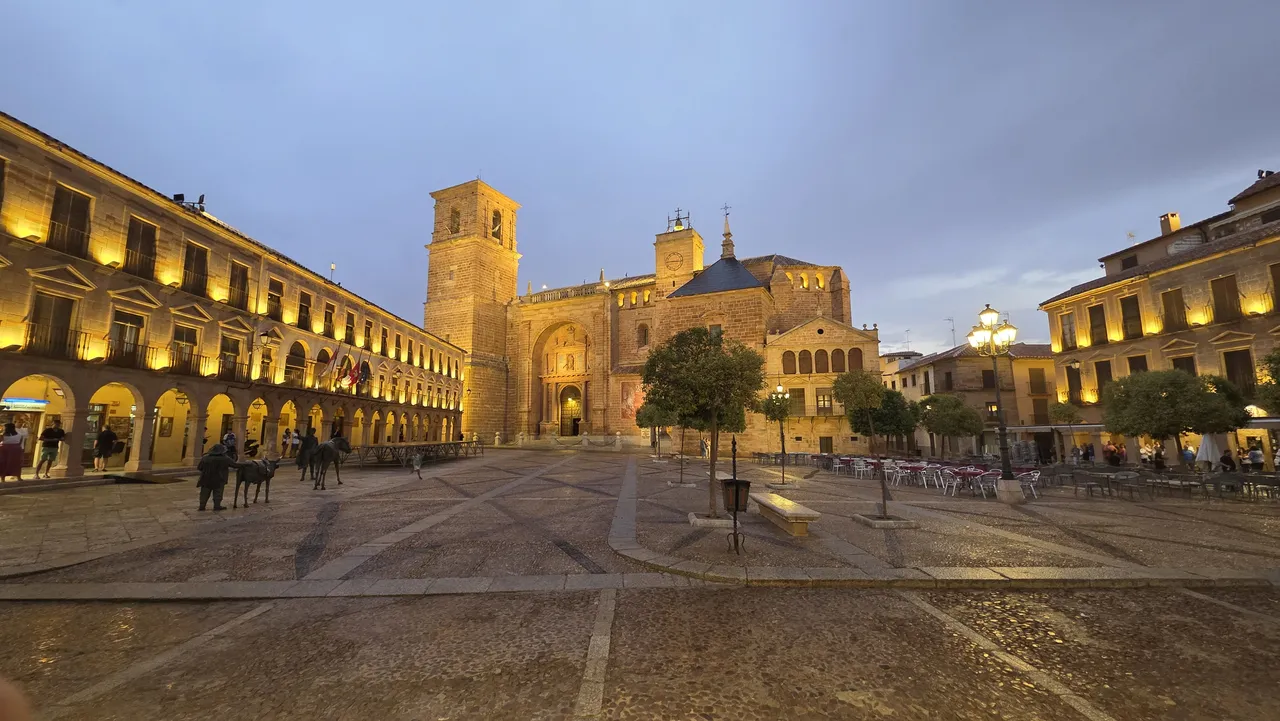
The church of San Andrés Apóstol is one of the great heritage landmarks of Villanueva de los Infantes and one of the buildings that best define the monumental image of its Plaza Mayor.
His presence, next to the Town Hall and the Rectory, This reinforces the importance of this space as the historical center of the town, where civil and religious power are very visibly present.
Therefore, a visit to this temple is one of the essential experiences for understanding the historical, artistic and urban character of the town.
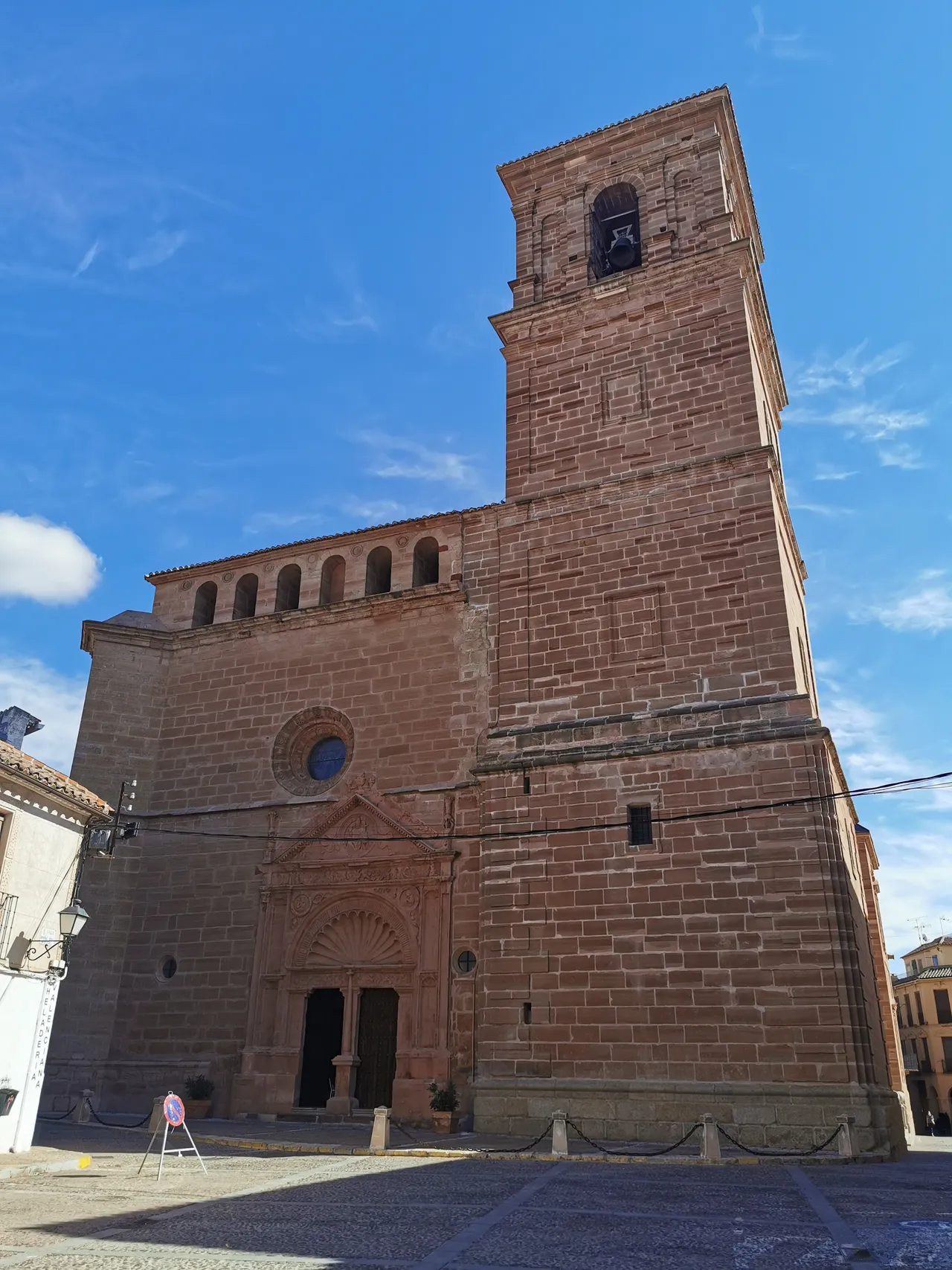
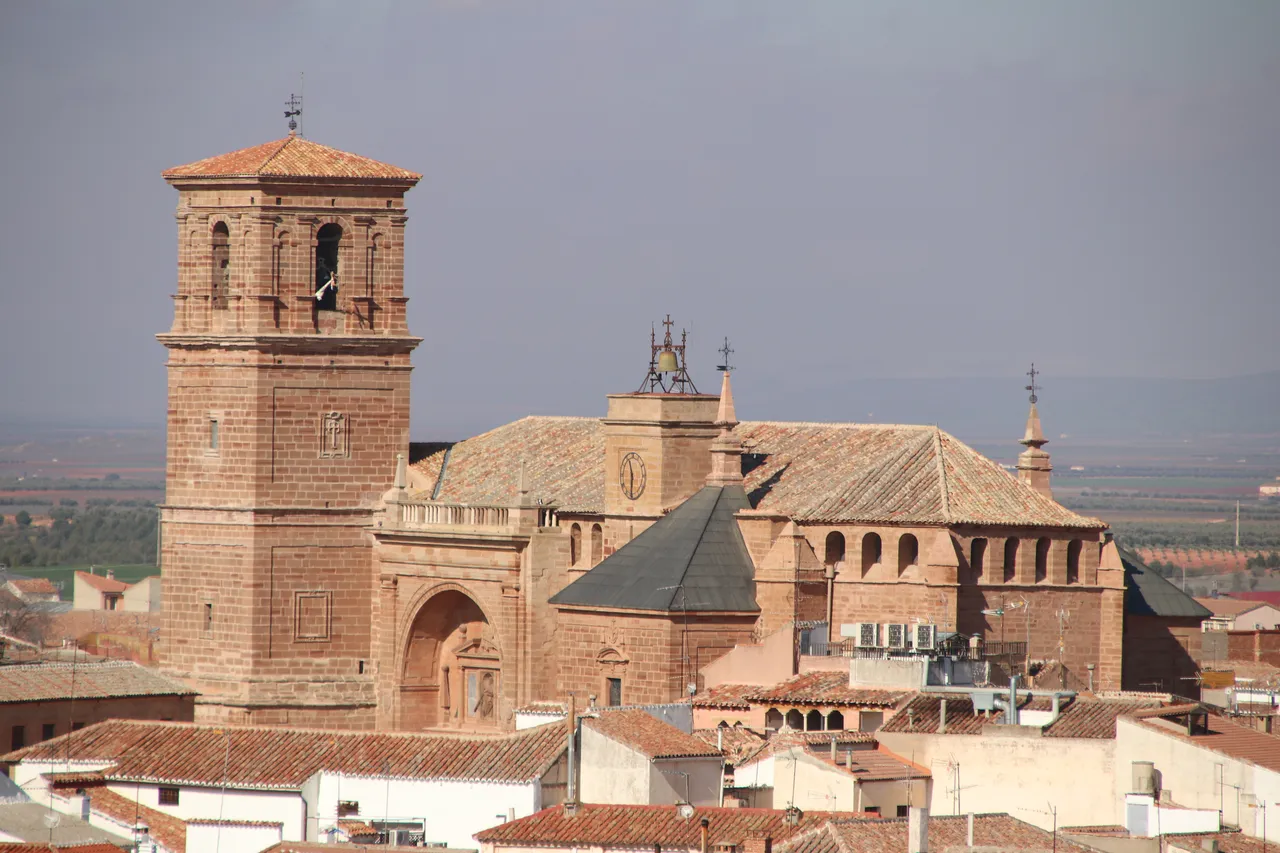
From the outside, it stands out especially... facade which opens onto the plaza, described in the project documentation as a Classicist style cover presided over by a large semicircular arch and by the image of Saint Andrew.
The building is also presented as a characteristic fortified church of the Campo de Montiel, a feature that links to the historical personality of many temples in the region.
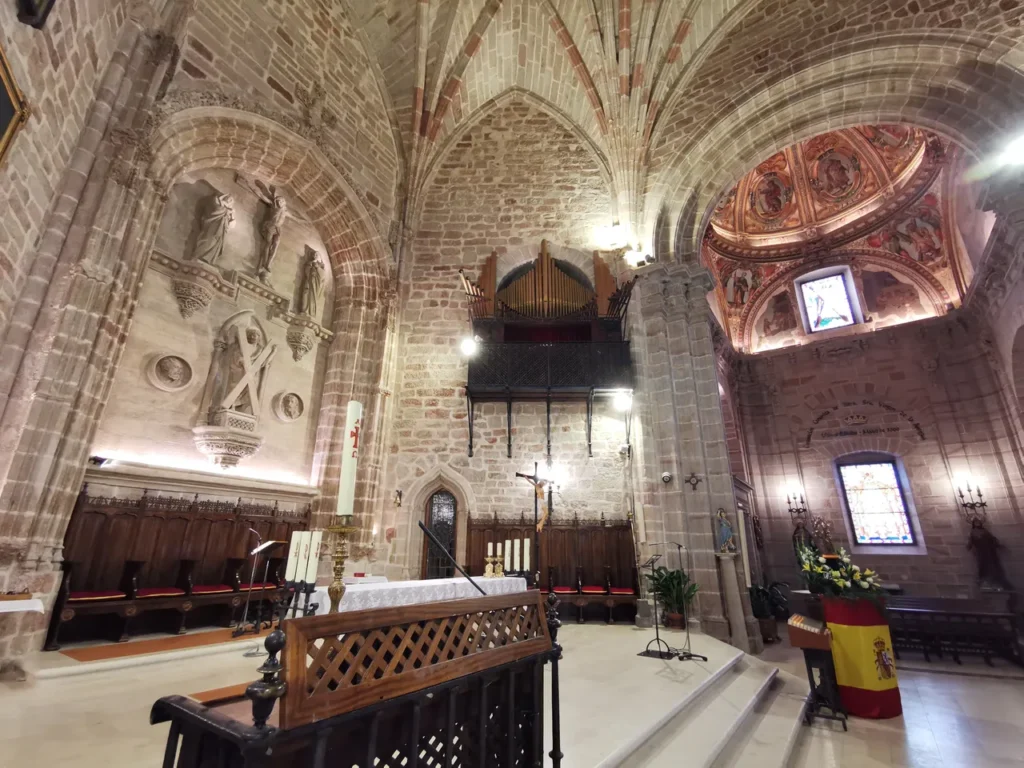
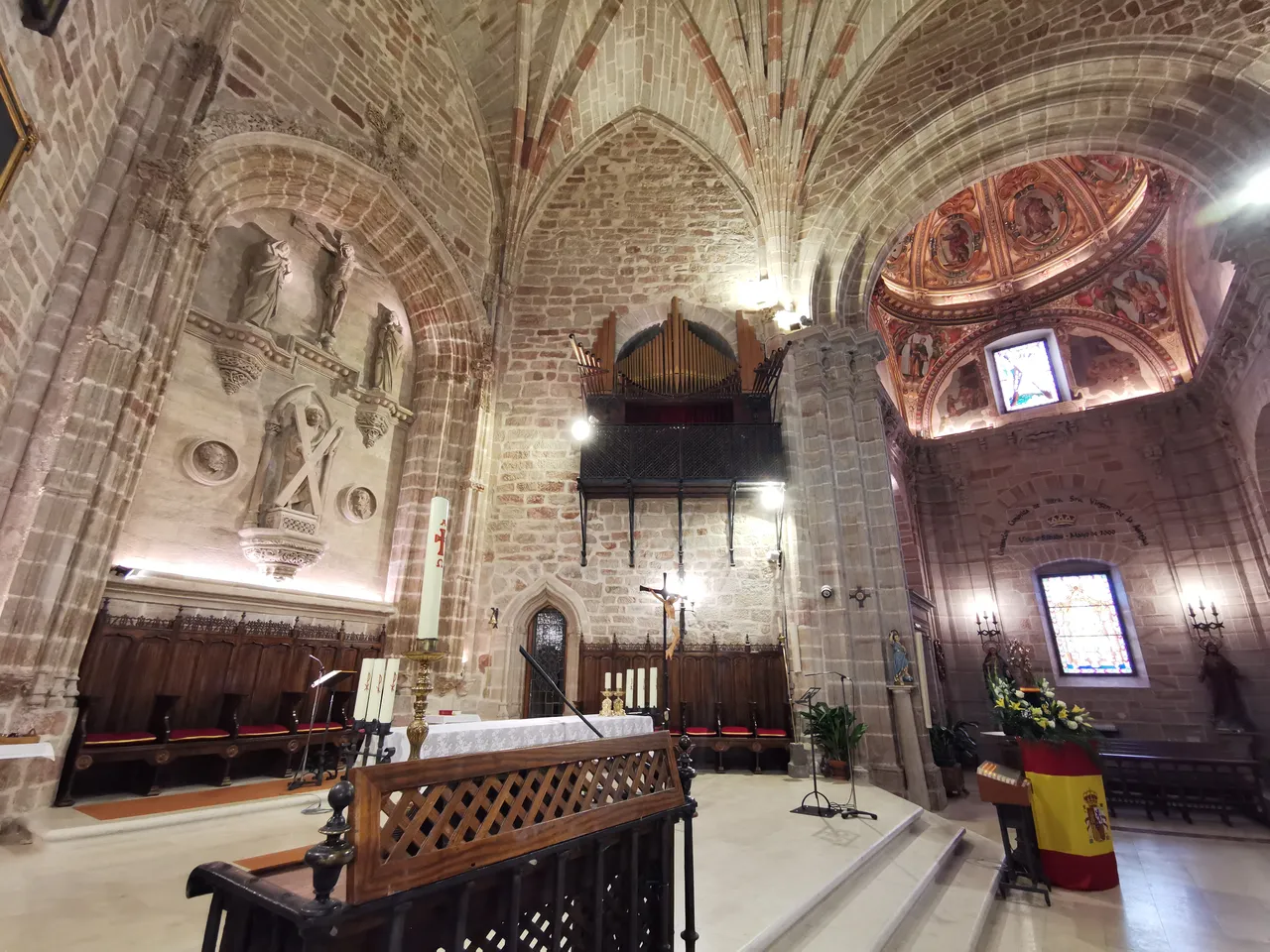
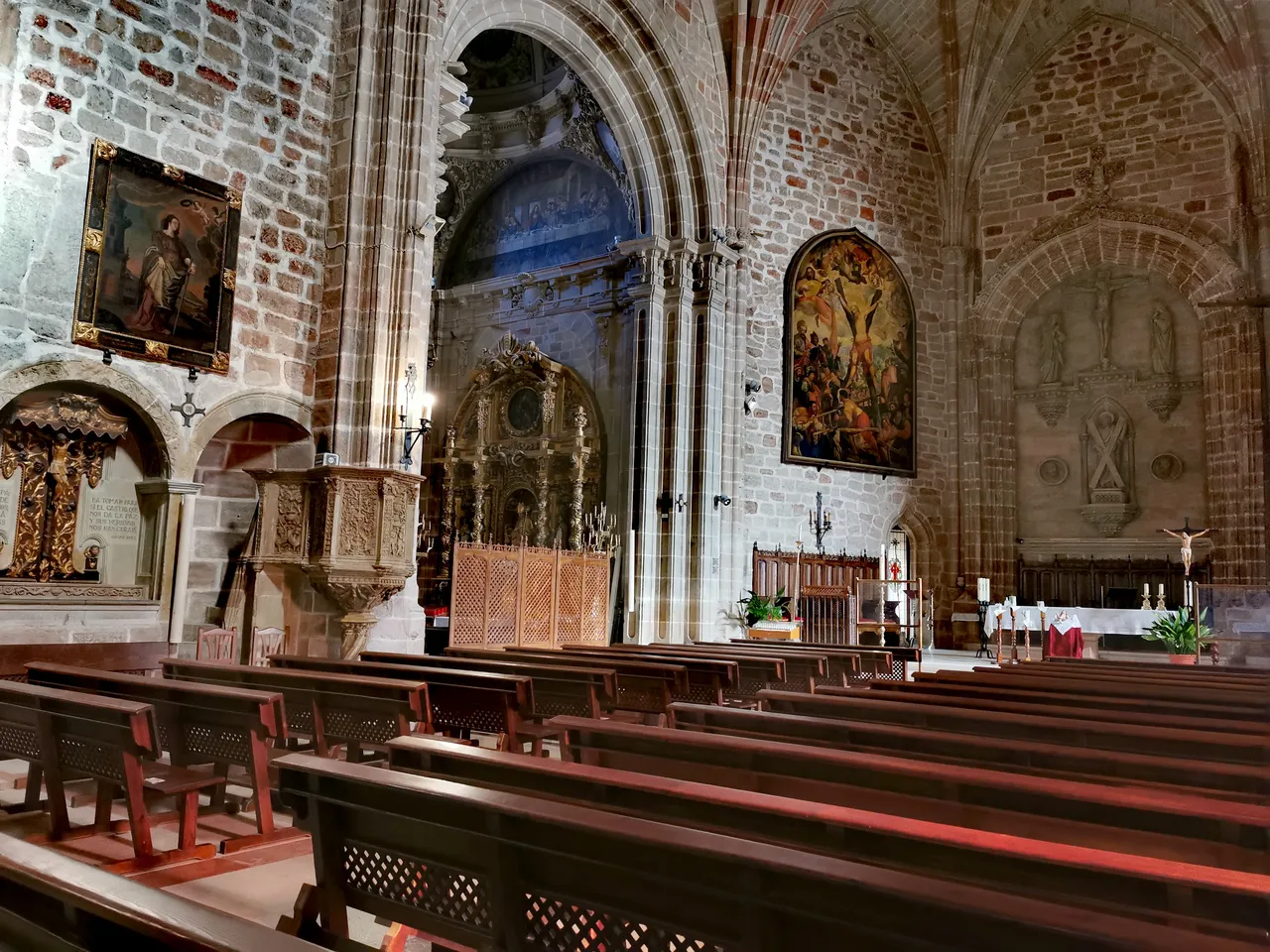
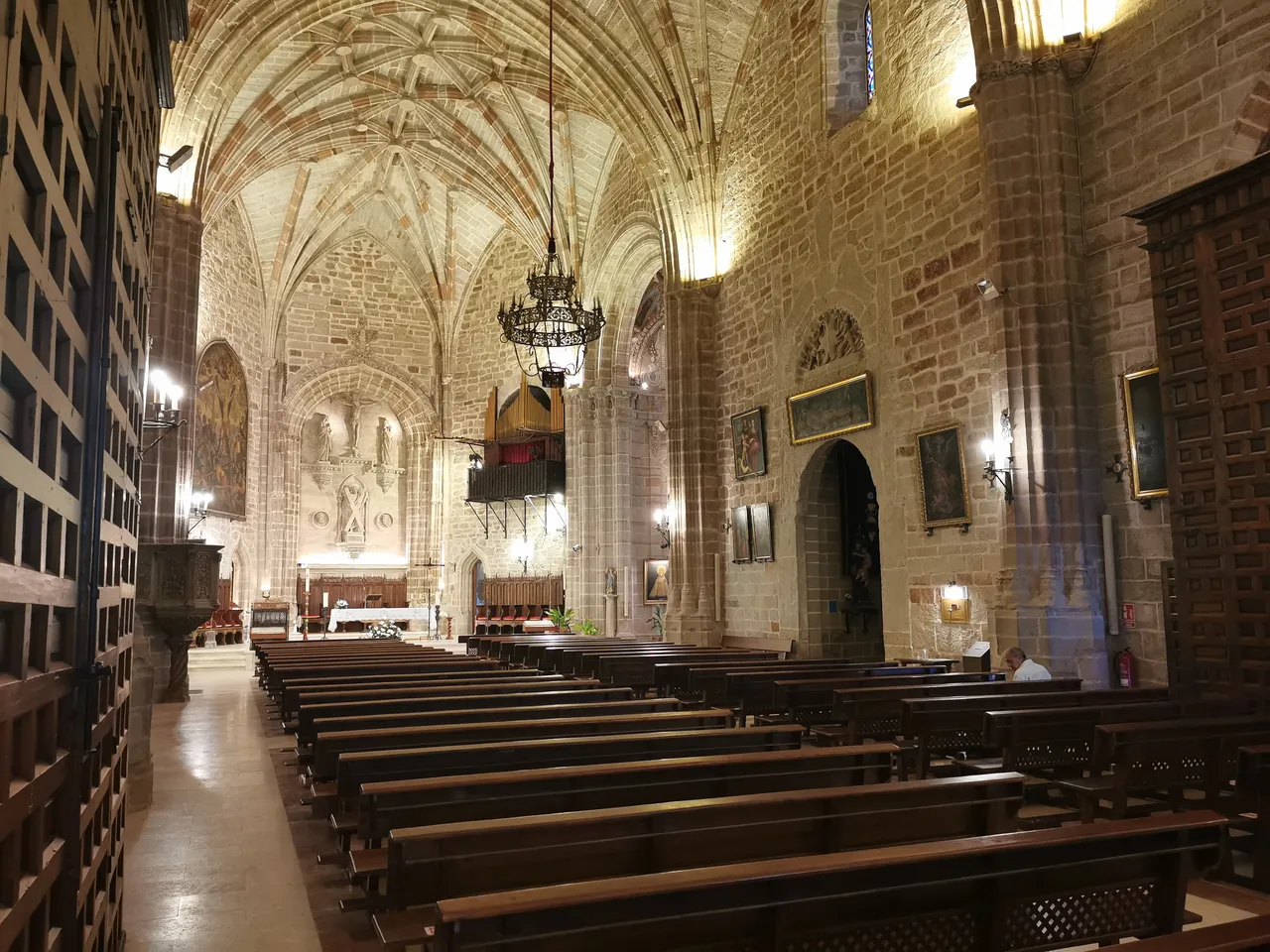
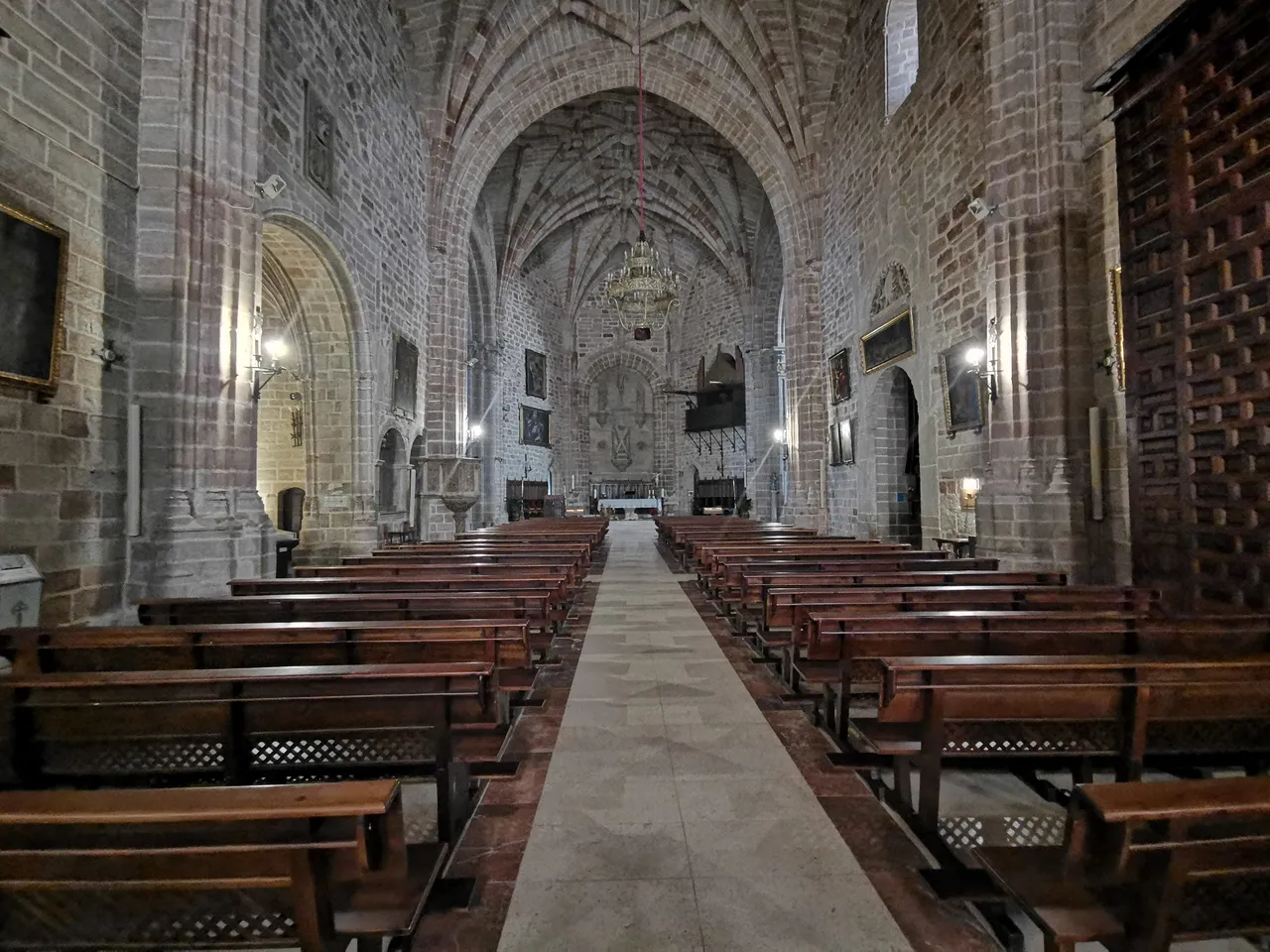
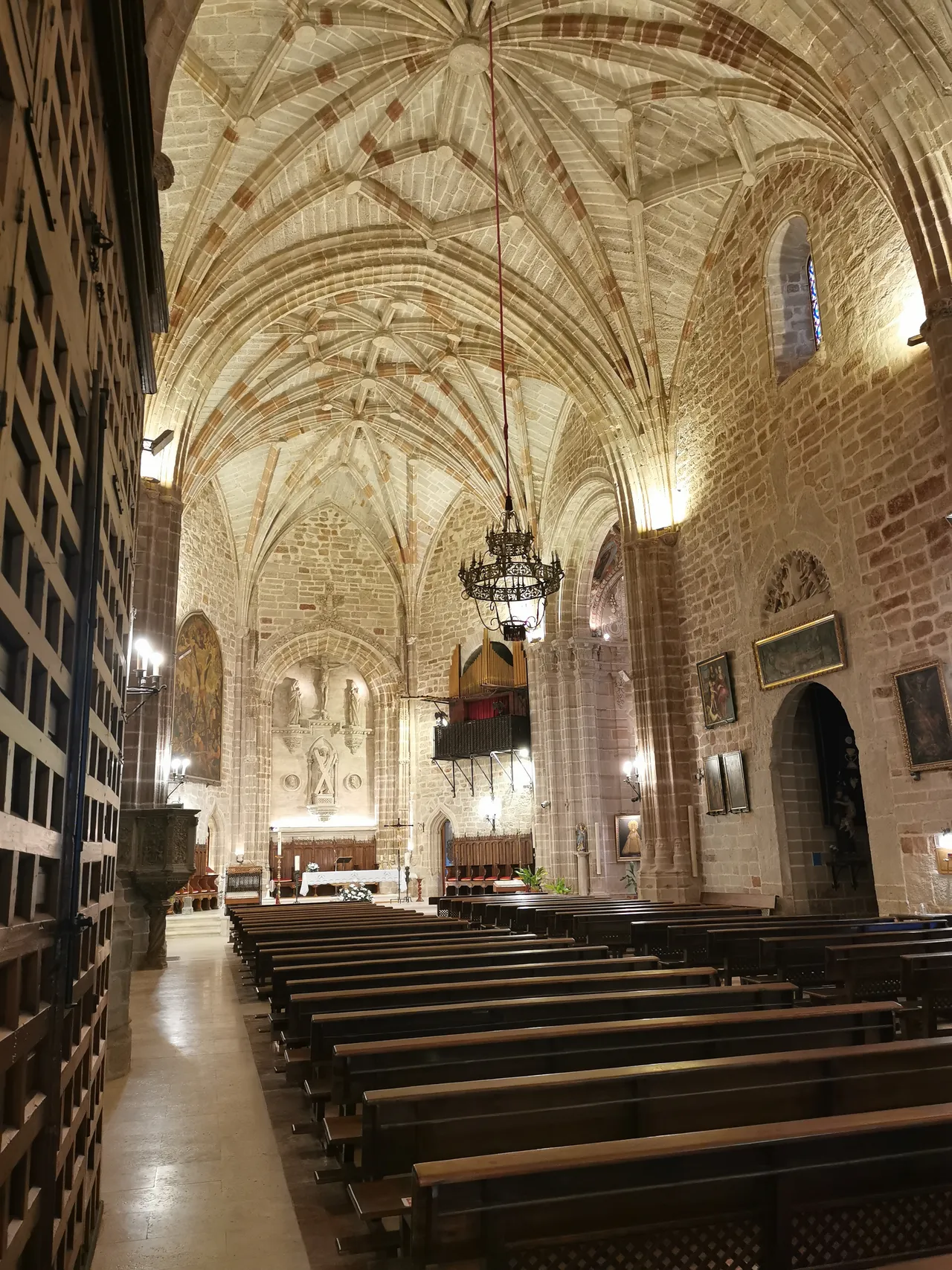
Inside, the spaciousness of its single ship, covered by ribbed vault, as well as the 16th-century pulpit, elements that provide the visitor with a clear and highly representative architectural reading of the temple.
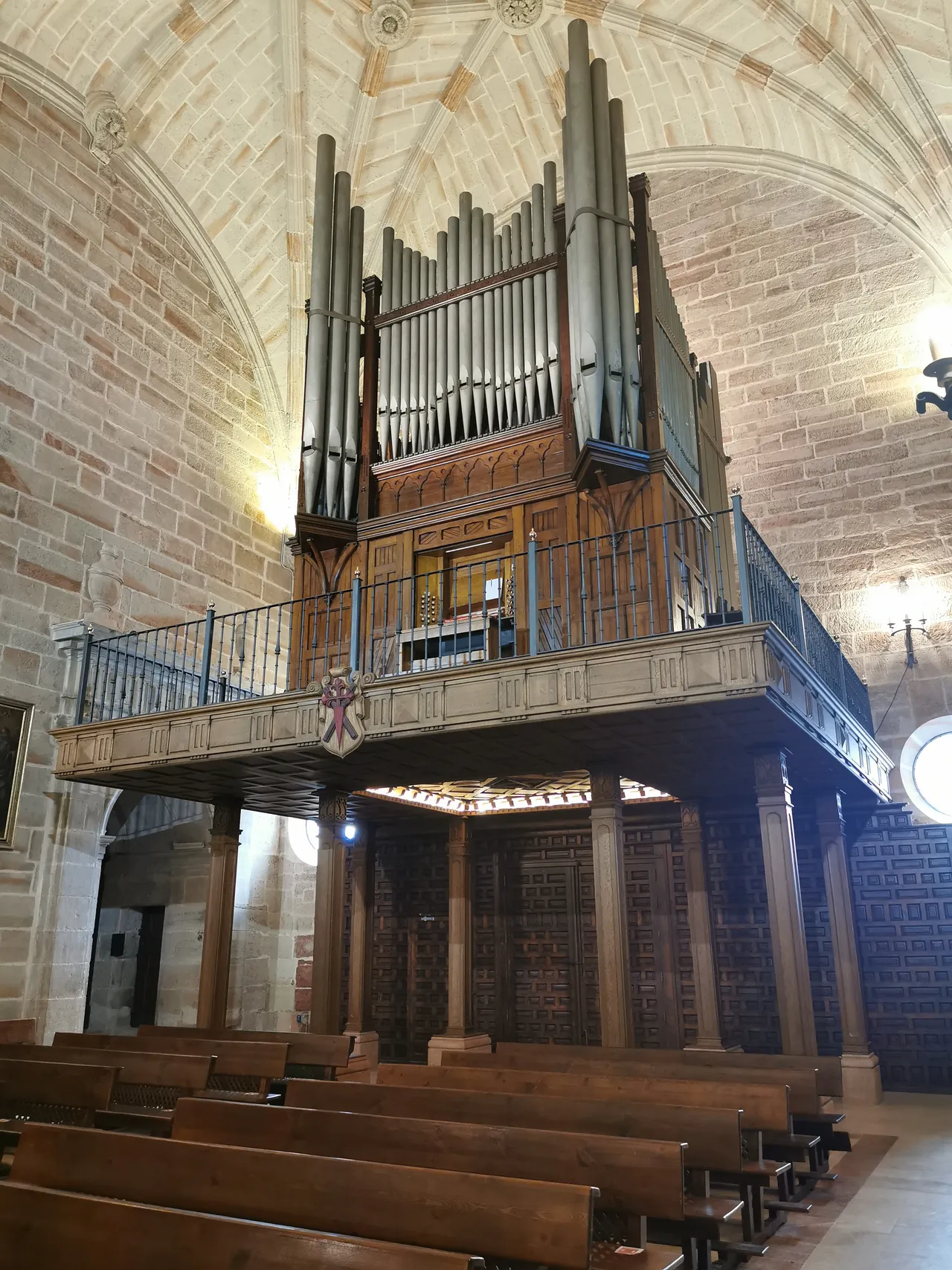
The church is also of considerable interest due to the unique elements it preserves within. At the foot of the nave stands a colossal Romantic Victorian-era organ, designed by Henry Speechly, An exceptional and unique piece in Spain according to the documentation handled.
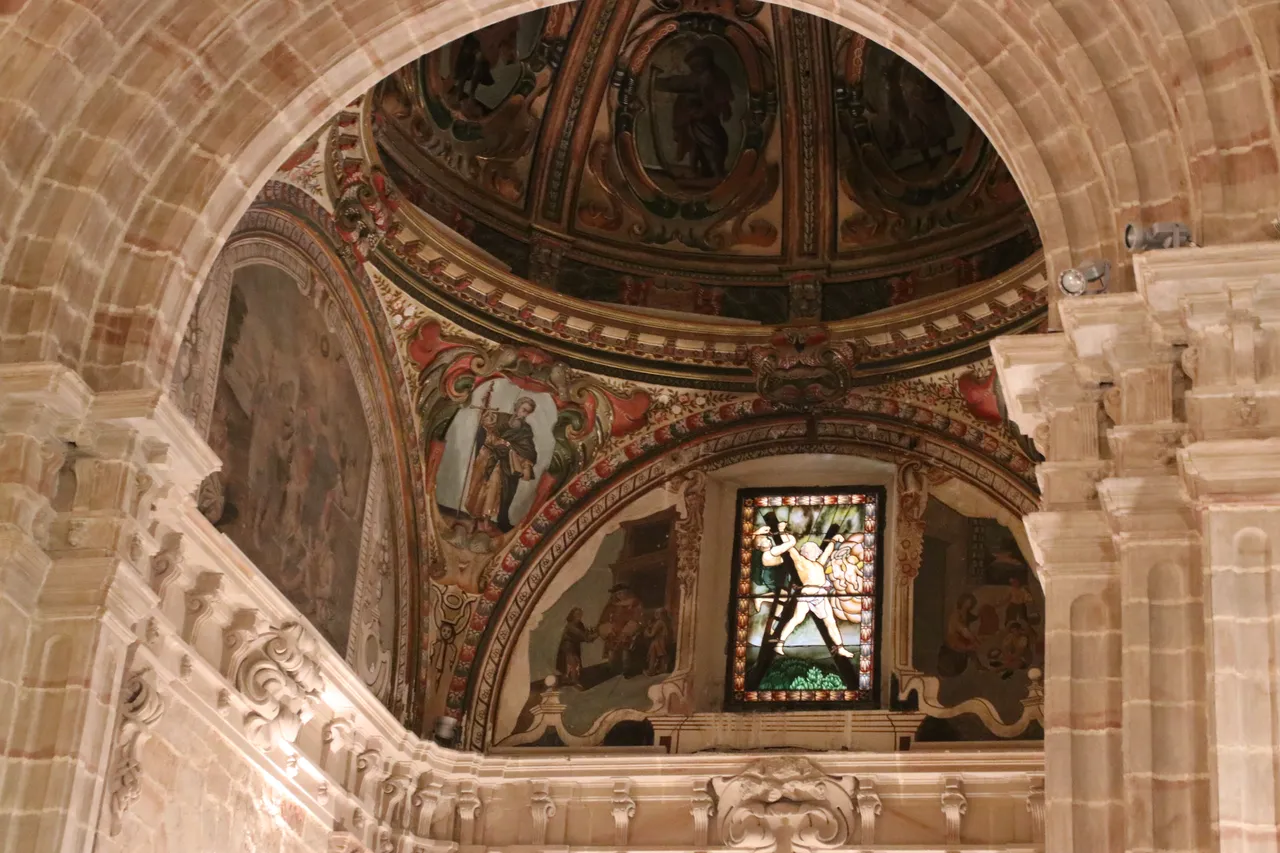
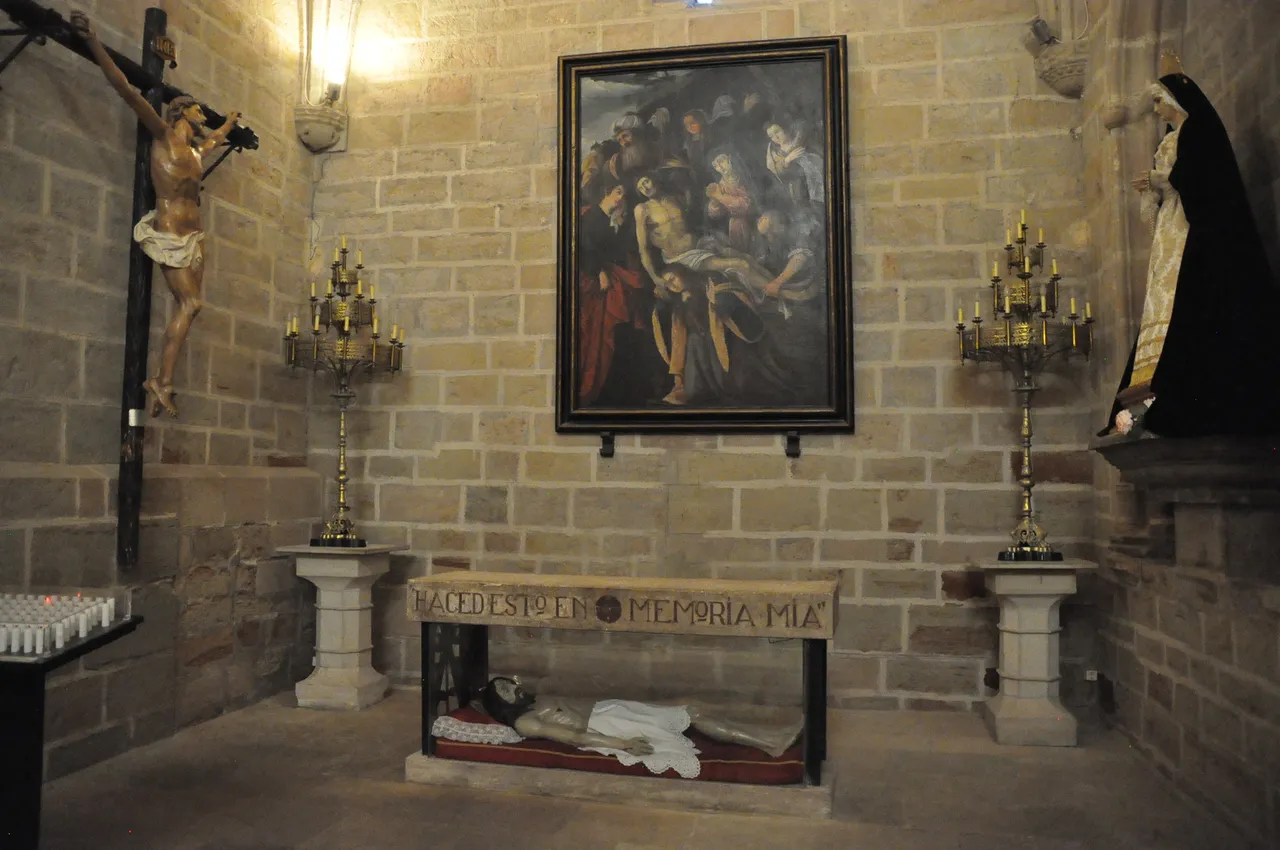
In addition to this crypt of the Bustos chapel, linked to burial of Francisco de Quevedo, as well as the parish museum spaces and the crypt of Santo Tomás.
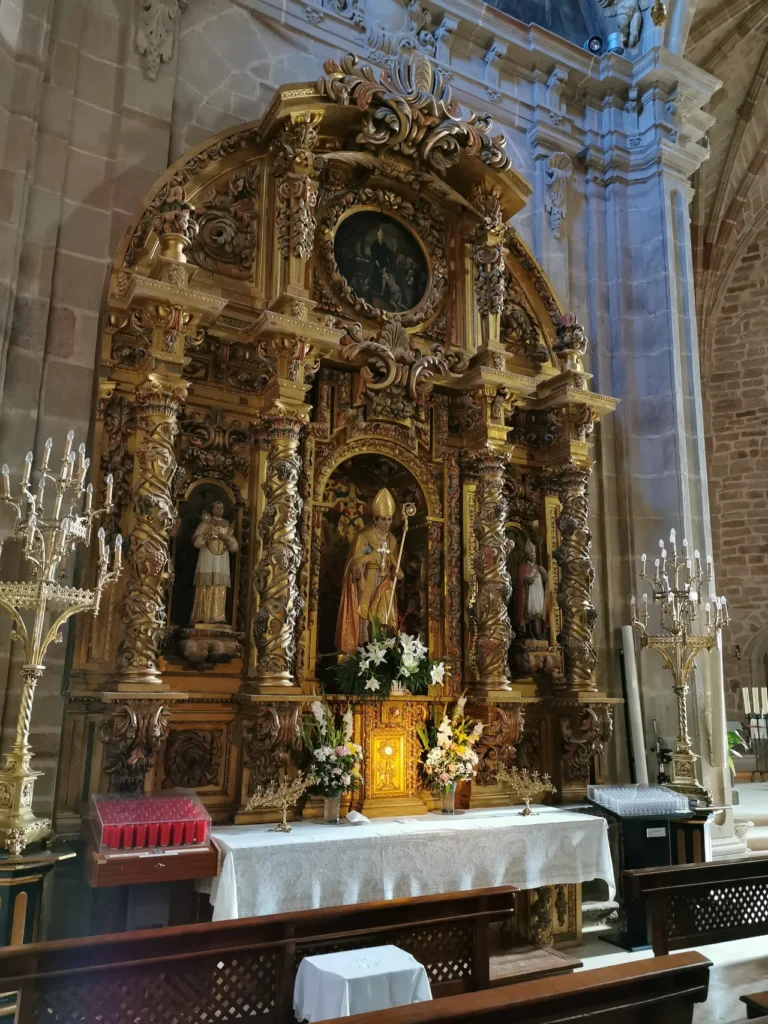
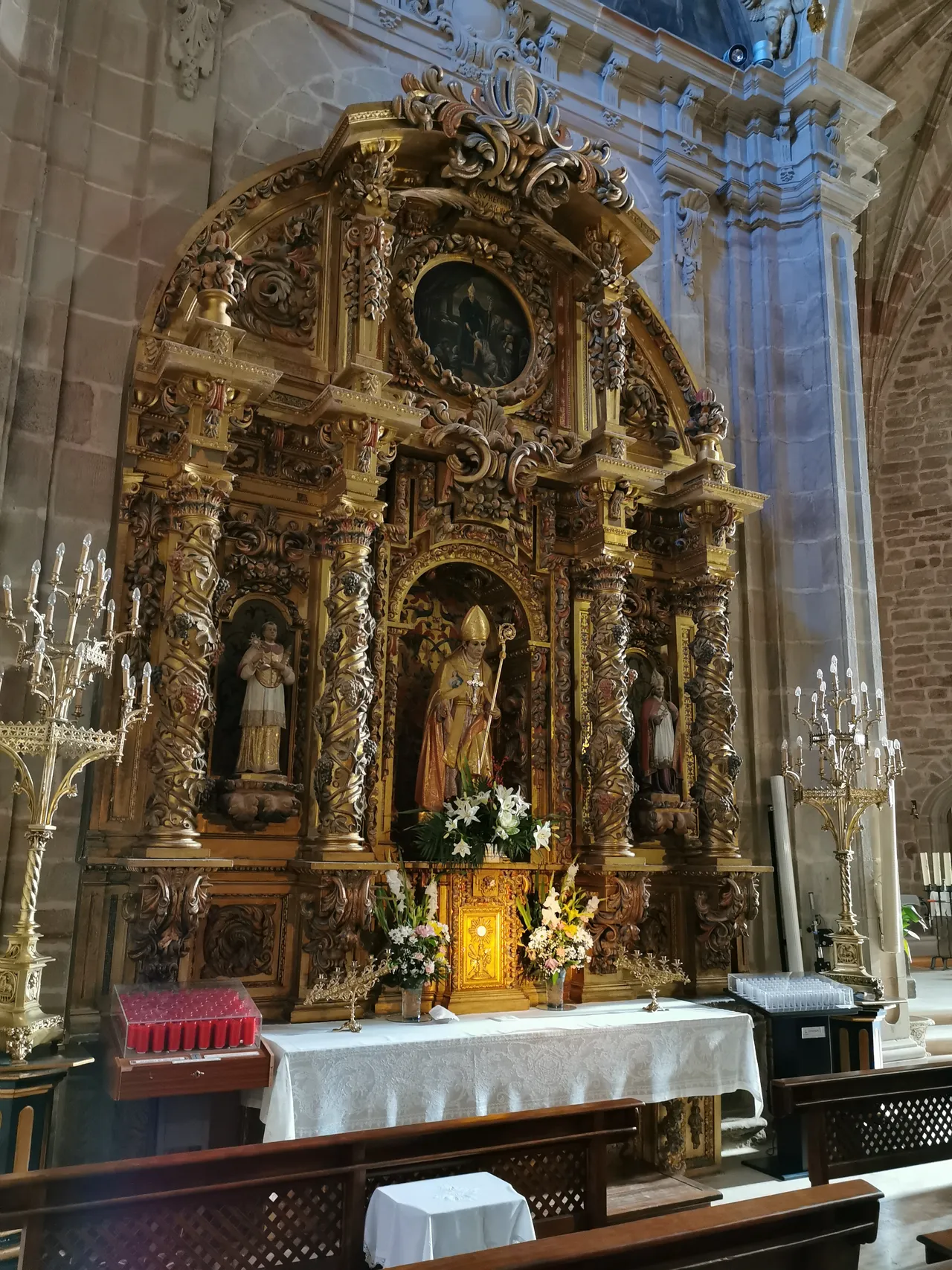
All of this makes the visit a very complete experience, in which architecture, religiosity, literary memory and artistic heritage come together within one of the most outstanding enclaves of Villanueva de los Infantes.

Useful information and location map
Church of Saint Andrew the Apostle a bird's-eye view
Other resources in the same municipality
Discover more things to visit that are nearby
C. Cervantes, 26, Villanueva de los Infantes
C. Frailes, 1, Villanueva de los Infantes
C. Cervantes, 18, Villanueva de los Infantes
Villanueva de los Infantes
C. Ramón Herrera, 3, Villanueva de los Infantes
Order of Santiago Barracks, C. Cervantes, 11, Villanueva de los Infantes
C. Gral. Pérez Ballesteros, 1, Villanueva de los Infantes
C. Ramón Herrera, 3, Villanueva de los Infantes
C. Cervantes, 14, Villanueva de los Infantes
Routes where this resource appears
Golden Age Literature
The Campo de Montiel region was the birthplace and refuge of the leading authors and figures of Spanish Golden Age literature. Therefore, we propose a route that includes the main locations where history continues to unfold even today.
Distance
43 km
Duration
2 days
Difficulty
Easy
Municipality
Several
Organ Route
The Campo de Montiel region boasts one of the most remarkable collections of historic organs in Castilla-La Mancha. Mostly built during the 18th century by first-rate organ builders, these instruments continue to resonate within the walls of some of the region's most beautiful churches, now considered emblems of its musical heritage.
Distance
80 km
Duration
1 day
Difficulty
Easy
Municipality
Several
Baroque Art Route
During the 17th and 18th centuries, the Campo de Montiel region was one of the areas of greatest artistic ferment in Castilla-La Mancha. The consolidation of a prosperous local nobility linked to the Order of Santiago and the influence of the Counter-Reformation spurred the construction of sumptuous portals, altarpieces with Solomonic columns, soaring bell towers, convents, hospitals, and civic palaces that still grace the urban landscape of the region today. This route, which...
Distance
110 km
Duration
2 days
Difficulty
Easy
Municipality
Several
Renaissance Art Route
The Campo de Montiel region boasts one of the most remarkable collections of Renaissance architecture and visual arts in Castilla-La Mancha. Throughout the 16th century, the economic prosperity fostered by the Order of Santiago and a flourishing local nobility financed churches, Plateresque portals, Mannerist altarpieces, and stately homes that still stand as the most visible testament to the region's splendor. It was also in this landscape that Fernando Yáñez de Almedina, a direct disciple of Leonardo da Vinci, was born.
Distance
75 km
Duration
1 day
Difficulty
Easy
Municipality
Several
Gothic Route – Milky Way
Medieval Christian tradition identified the Milky Way with the Camino de Santiago: that path of stars crossing the night sky was the silent guide leading pilgrims to Compostela. We propose a metaphorical journey through stars sculpted in stone by the ribbed vaults, whose ribs intertwine like constellations to support the firmament of the churches that the Order of Santiago erected throughout the Campo de Montiel. No other territory in Castilla-La Mancha...
Distance
120 km
Duration
2 days
Difficulty
Easy
Municipality
Several

© Campo de Montiel - 2026