

A magical tour that will allow you to enjoy the countryside and natural resources in the heart of Campo de Montiel
Distance
120 km
Duration
2 days
Difficulty
Easy
Level difference
-
Guy
Linear
Mode
By car
Route description
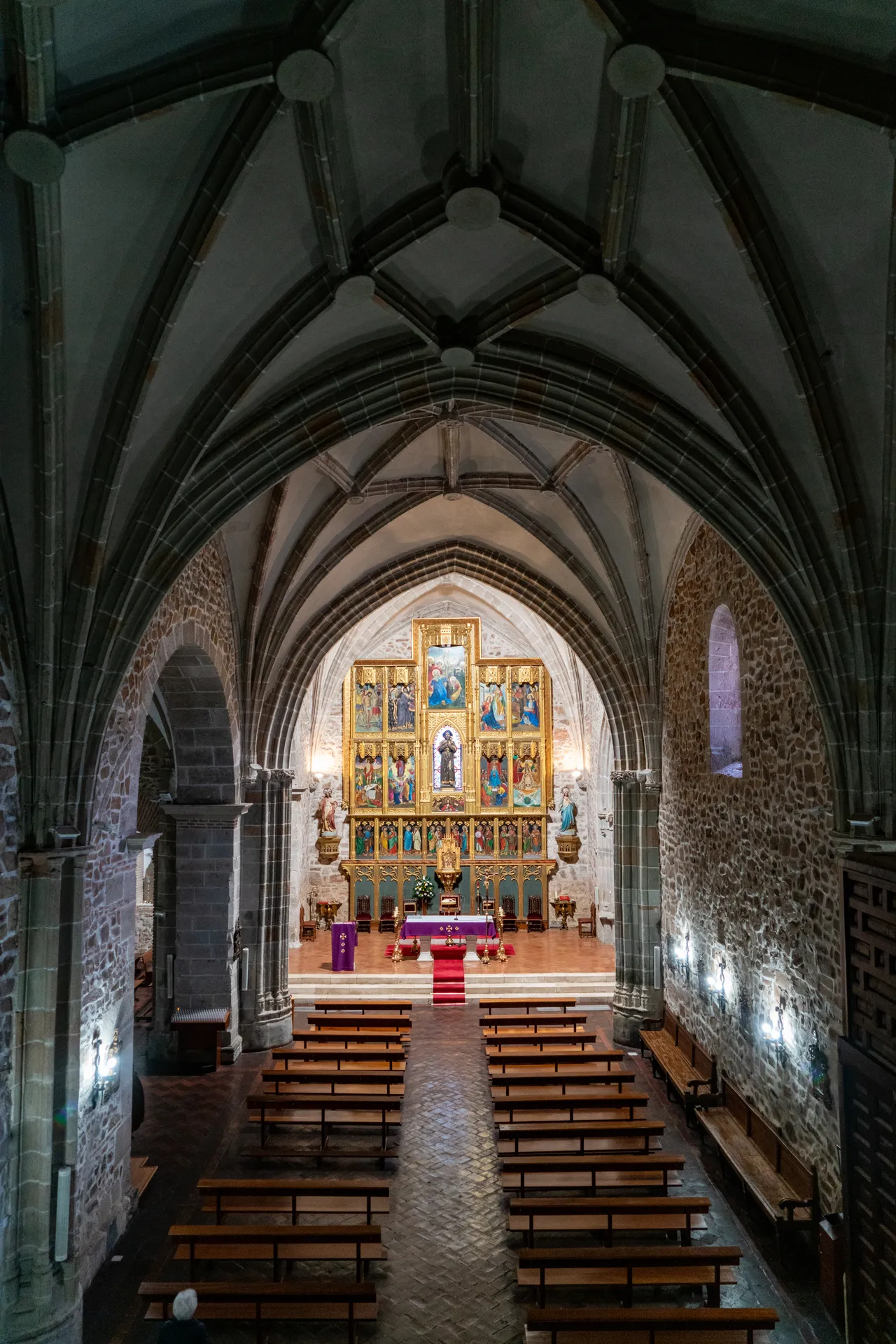
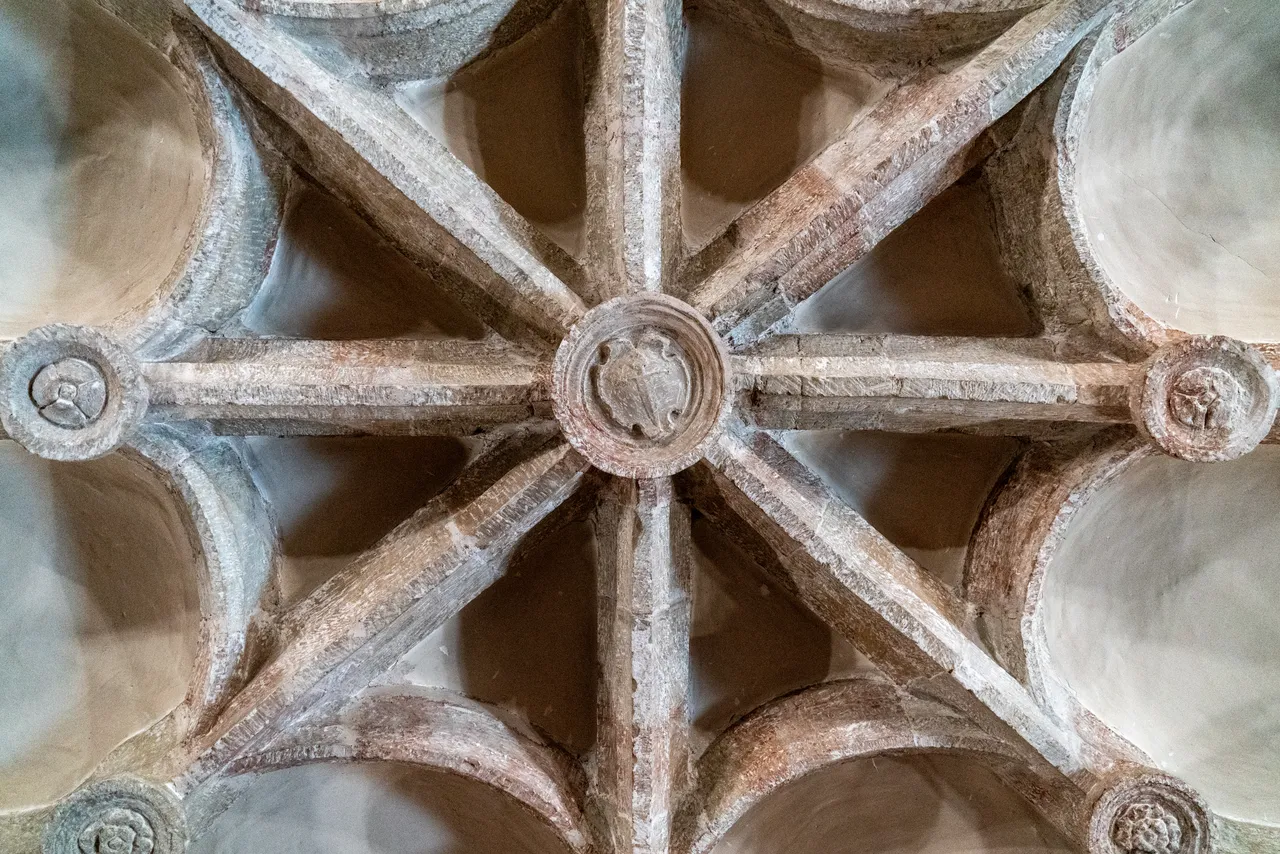
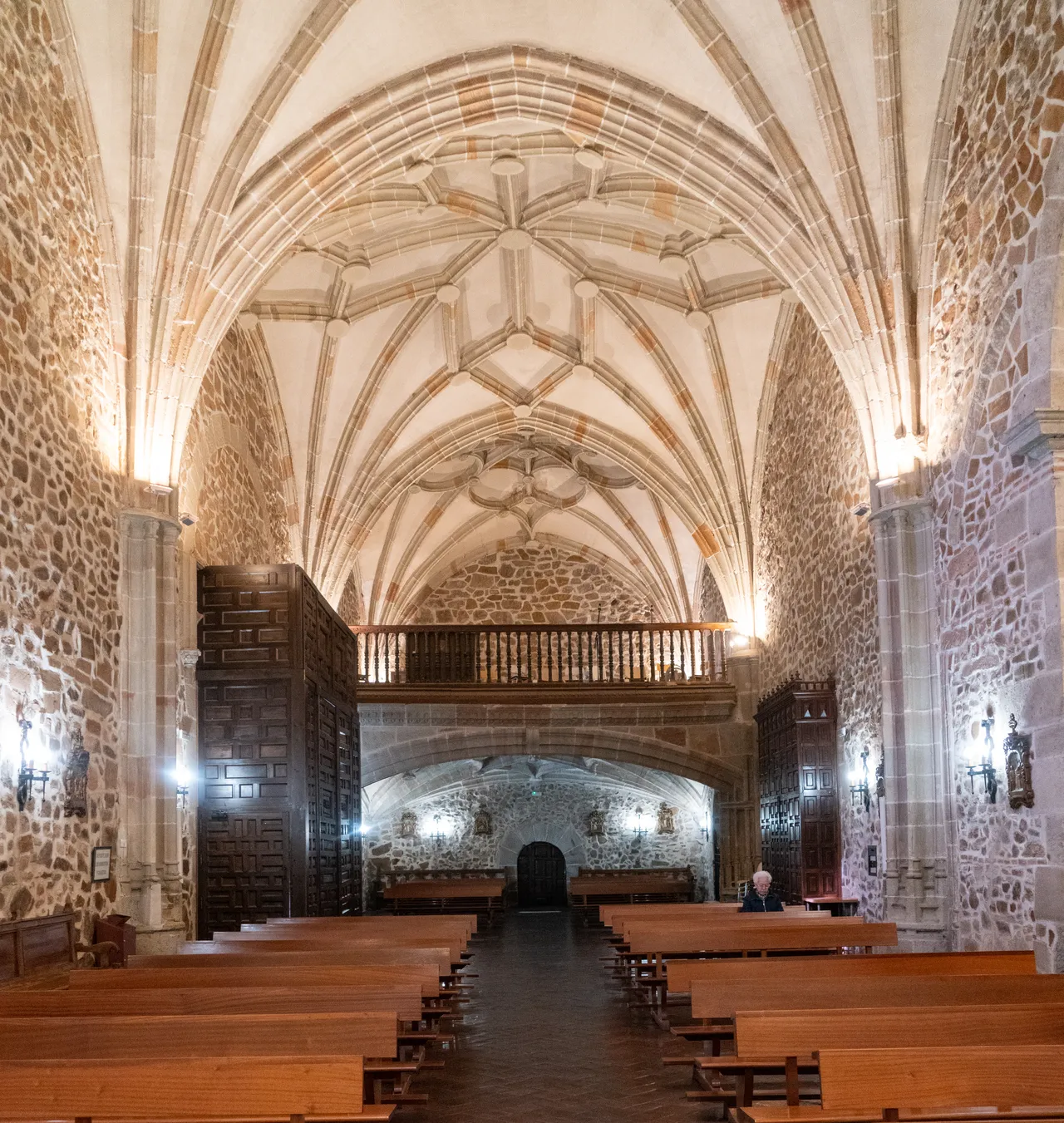
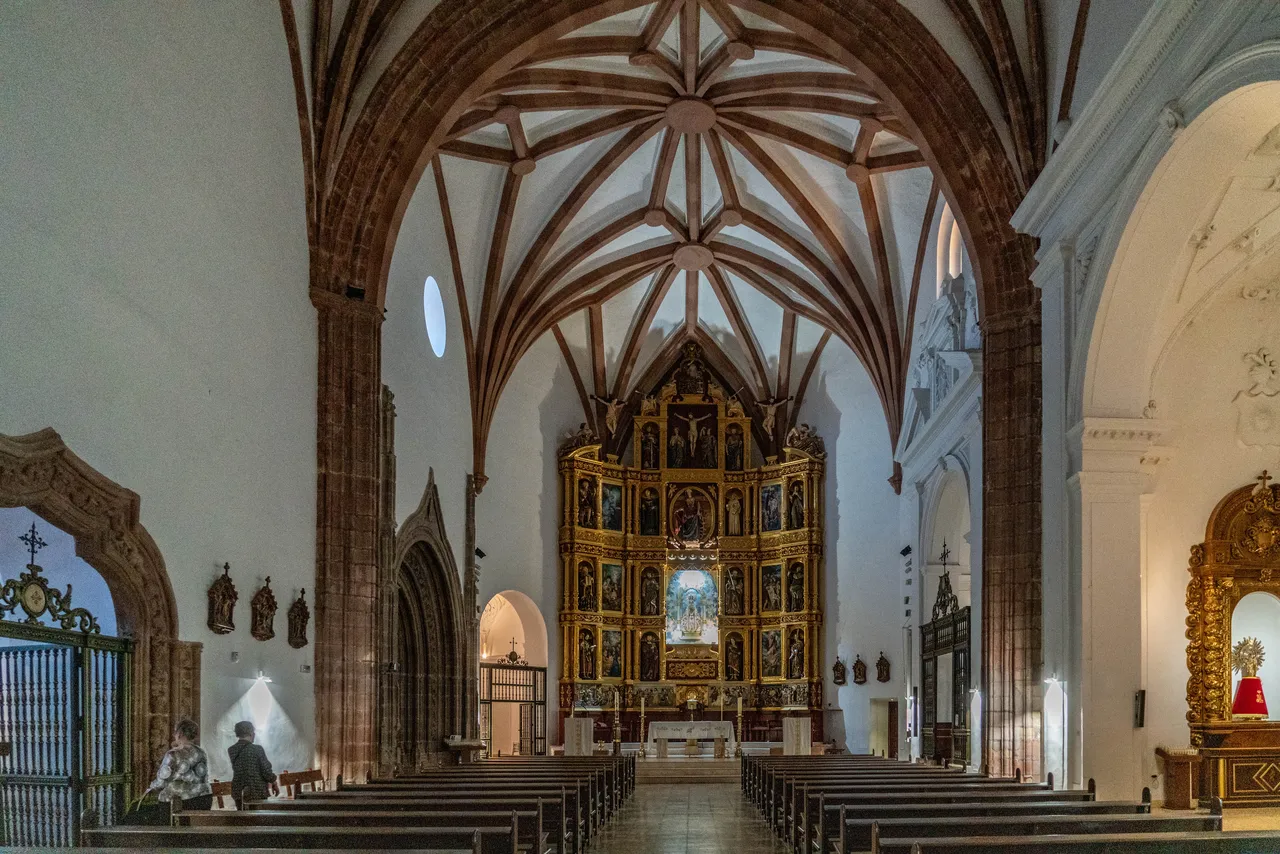
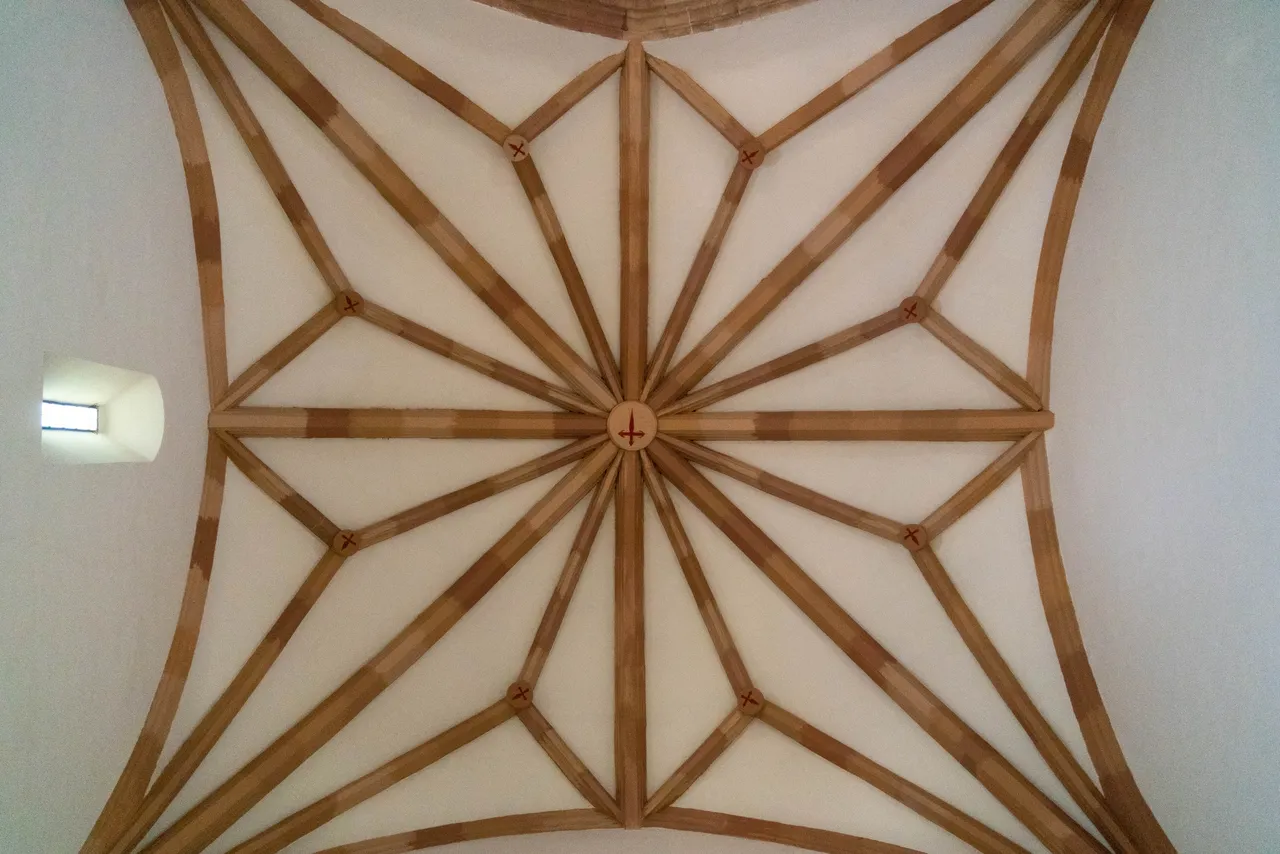
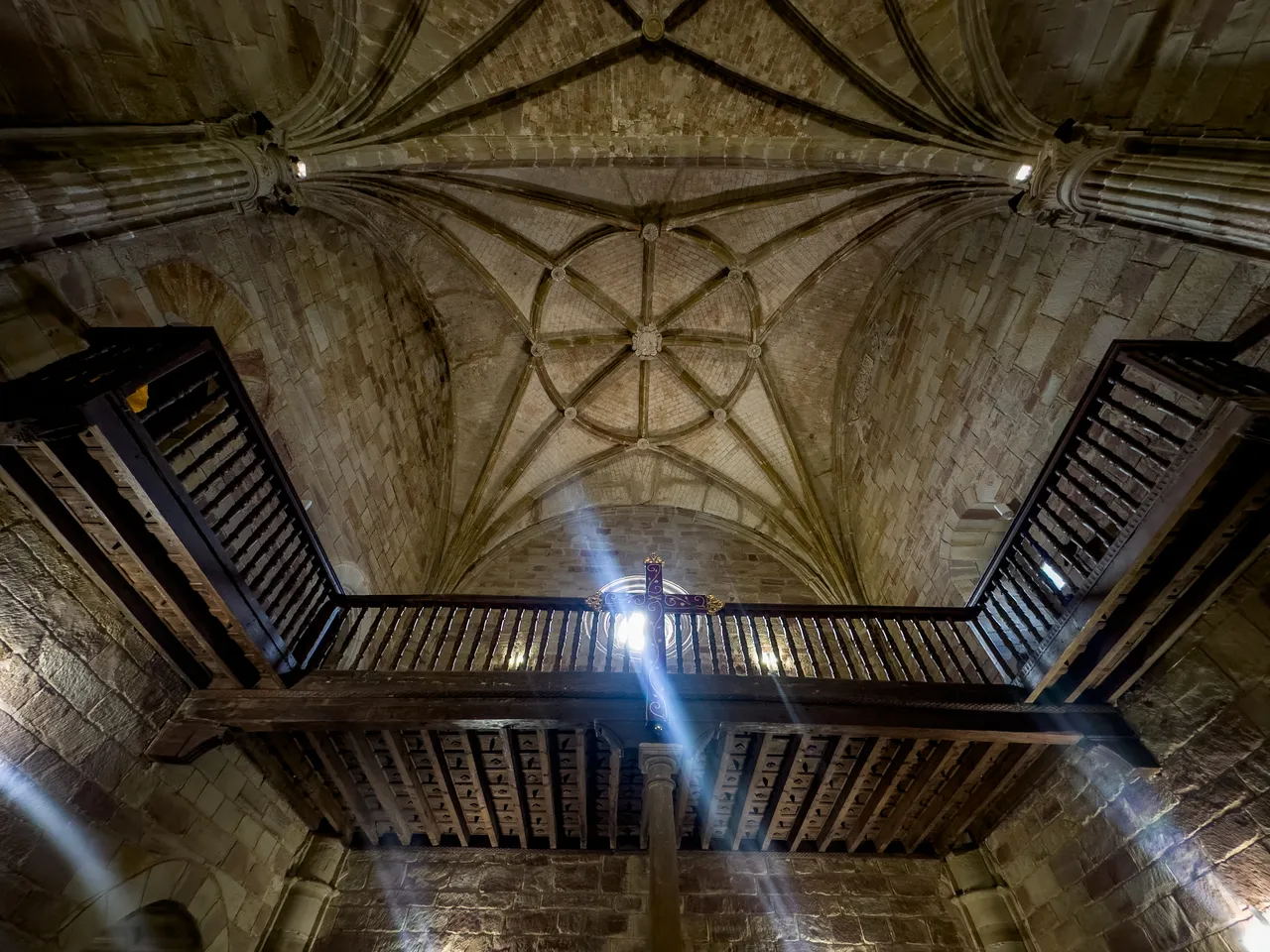
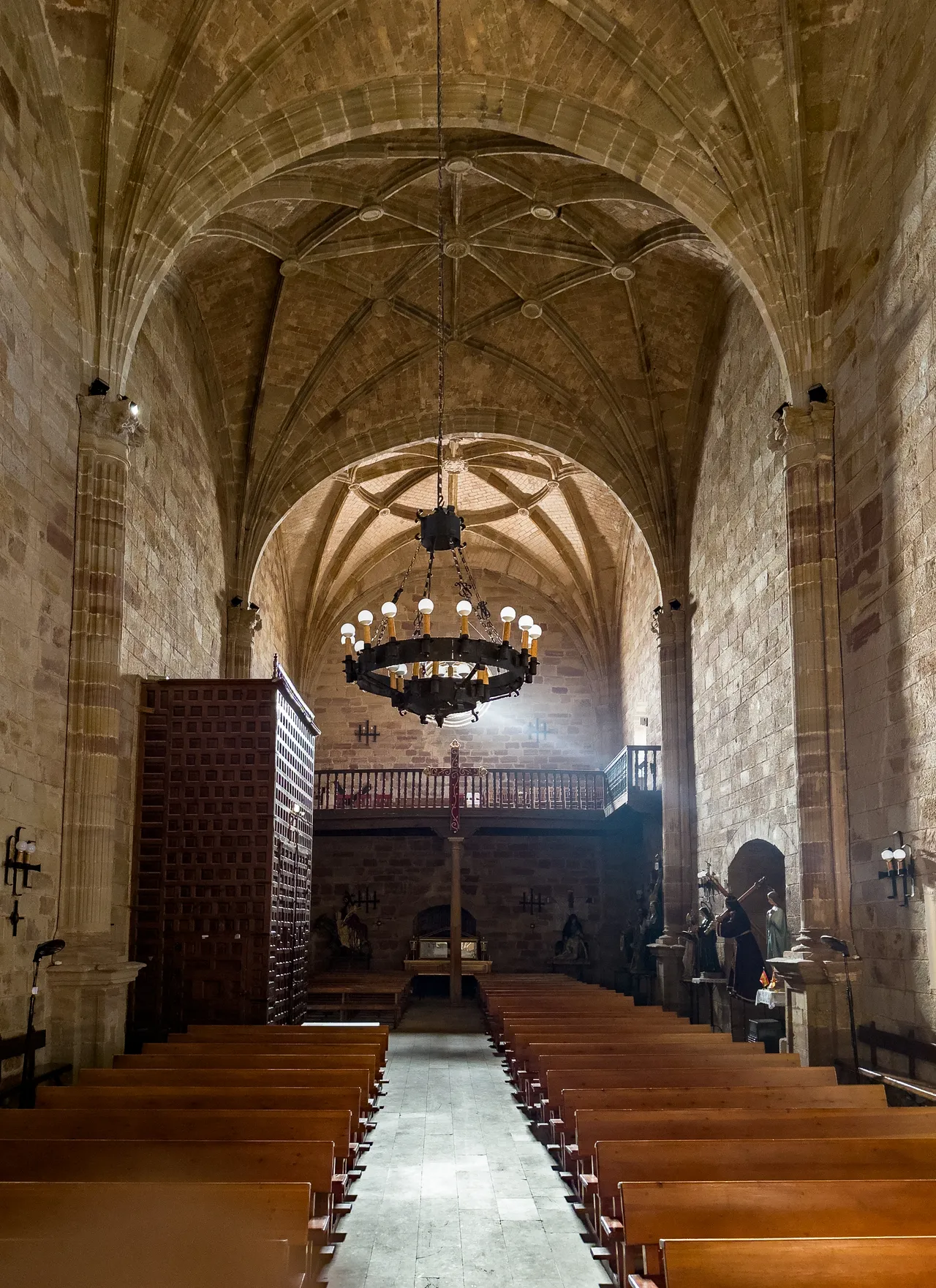
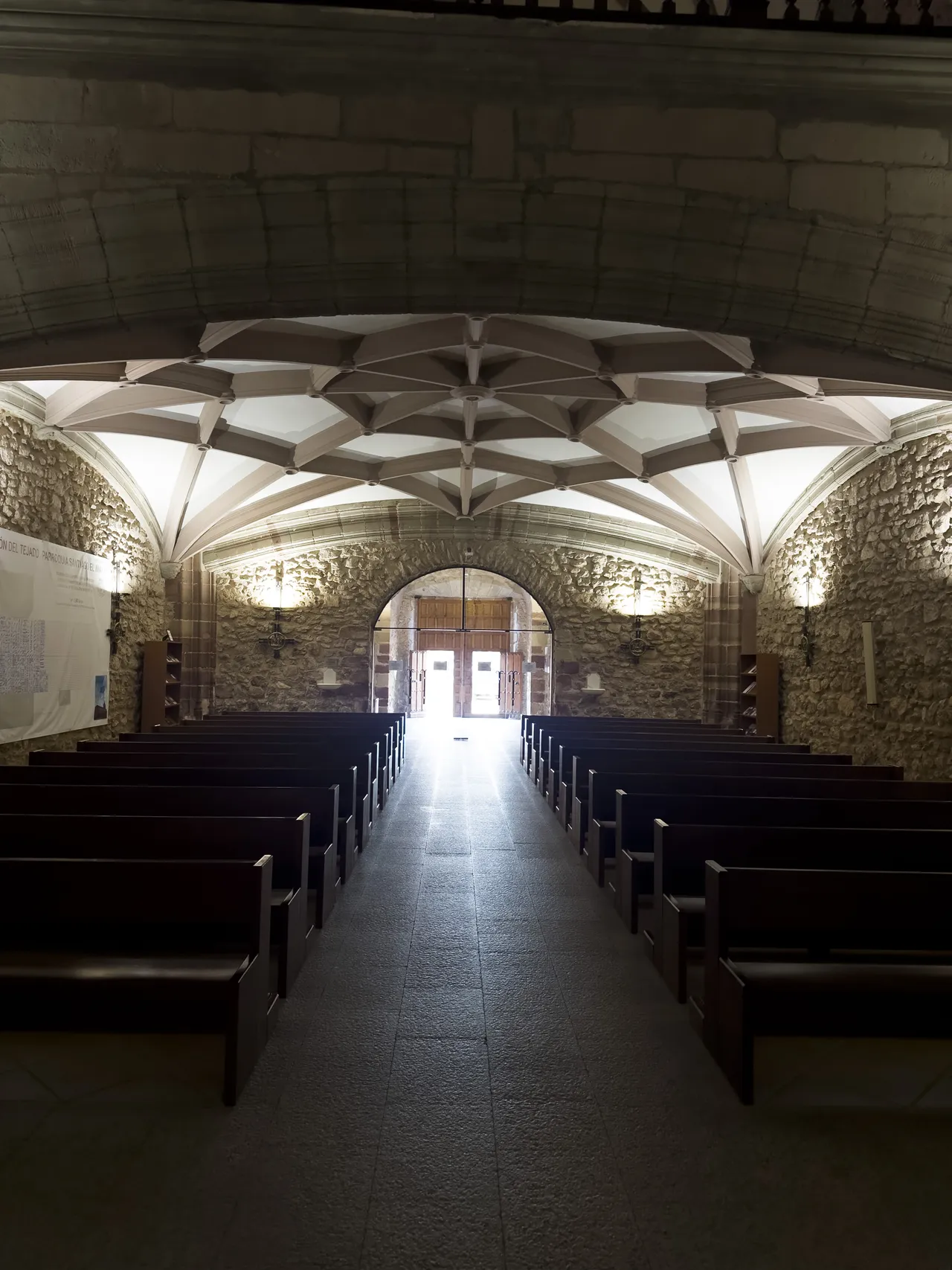
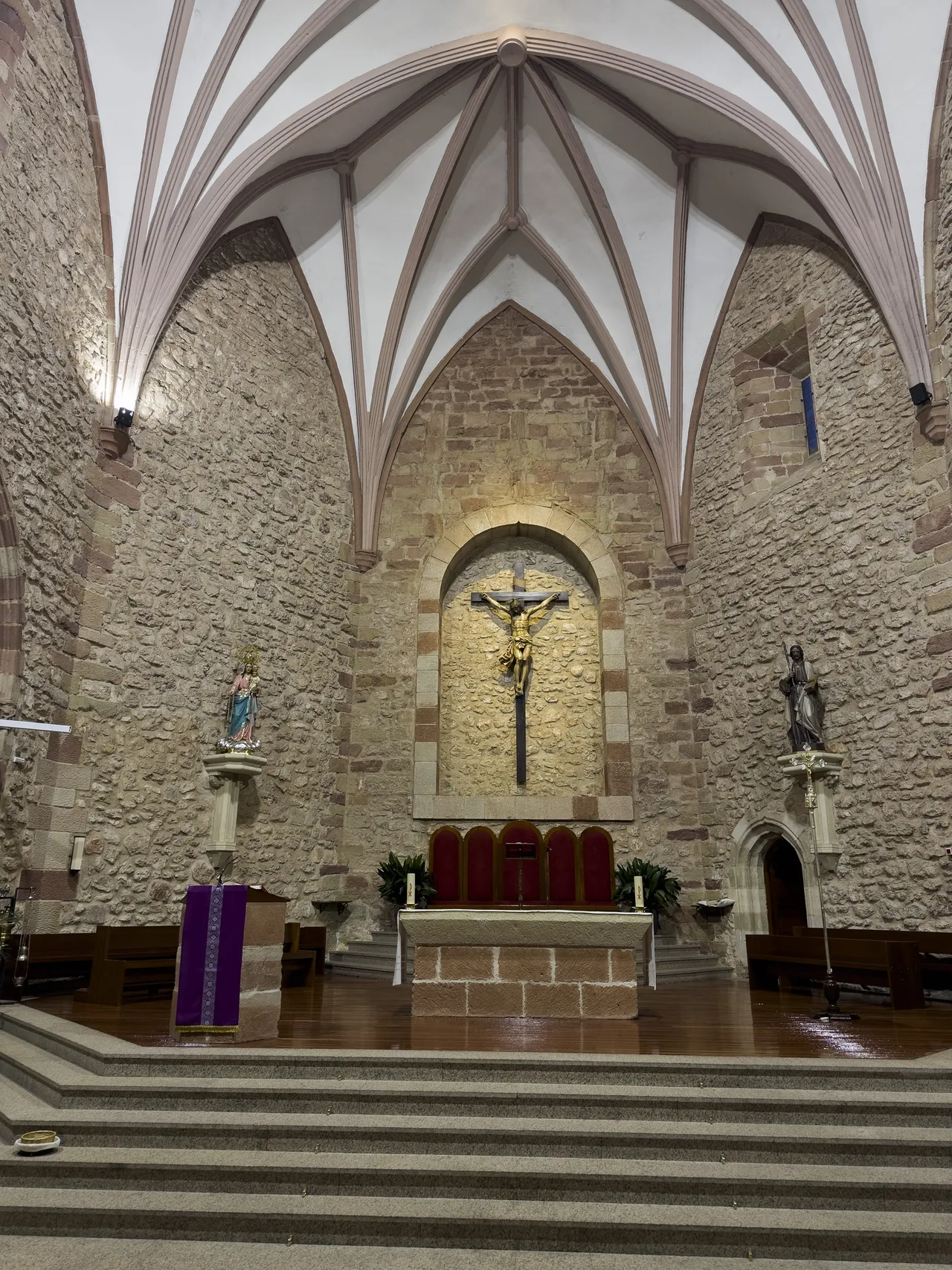
The Campo de Montiel region boasts the highest concentration of late Gothic churches built by the Order of Santiago in the 16th century, as symbols of its spiritual and territorial power. Looking up at their star-shaped ribbed vaults, the traveler understands why the interlacing stone ribs above them were popularly dubbed "constellations on earth." The density and quality of this Gothic heritage fully justify a two-day tour. The first day travels from north to central Spain, linking three of the region's largest churches. The second day starts in Infantes, heading east and south, completing the circuit with three churches of singular beauty.
Day 1
Stop 1. Church of Santiago el Mayor – Membrilla
The first star of the route. The Church of Santiago el Mayor in Membrilla, dedicated to the patron saint of the Order that built it, is a magnificent 16th-century Flamboyant Gothic temple that set a model for the entire region. Known for its gastronomic nickname, Membrilla was also a prosperous and well-populated town in the 15th century, attracting the political and economic power of the Campo de Montiel region. This influence led to the construction of this unique church, with a single nave and a Latin cross floor plan, several side chapels, and a choir loft raised on two segmental arches. The two-tiered, square tower with a slate-covered spire dominates the complex. Two of its portals are Flamboyant Gothic, while the third, from the late Baroque period (1767), contrasts with the austere style of the Order of Santiago. Equally noteworthy is the gallery of blind arches in the Classical style that runs along the upper part of the exterior walls.
Stop 2. Church of Santa Catalina – La Solana
The second star shines with its own light. The Parish Church of Santa Catalina in La Solana, declared a Historic-Artistic Monument, is one of the most complete and richly decorated Gothic churches in the region, with a construction history spanning from 1420 well into the 18th century. Inside, several side chapels flank a single nave covered with star-shaped ribbed vaults supported by stone pendants, separated by transverse arches resting on pillars with attached moldings. The light filters in, cool and filtered, through the openings in the structure, enveloping the chapels founded by Juan Salazar and Juan de Castro. Two portals, transitional from Gothic to Baroque, adorn the exterior: the Santa Catalina portal (1656) in granite, and the Sun or Santiago portal (1680). The bell tower, the most majestic in the province, completed in 1765, crowns the ensemble with a magnificent spire. Inside, archaeological remains of the original temple are also preserved under glass slabs in the old choir.
Stop 3. Church of Saint Andrew the Apostle – Villanueva de los Infantes
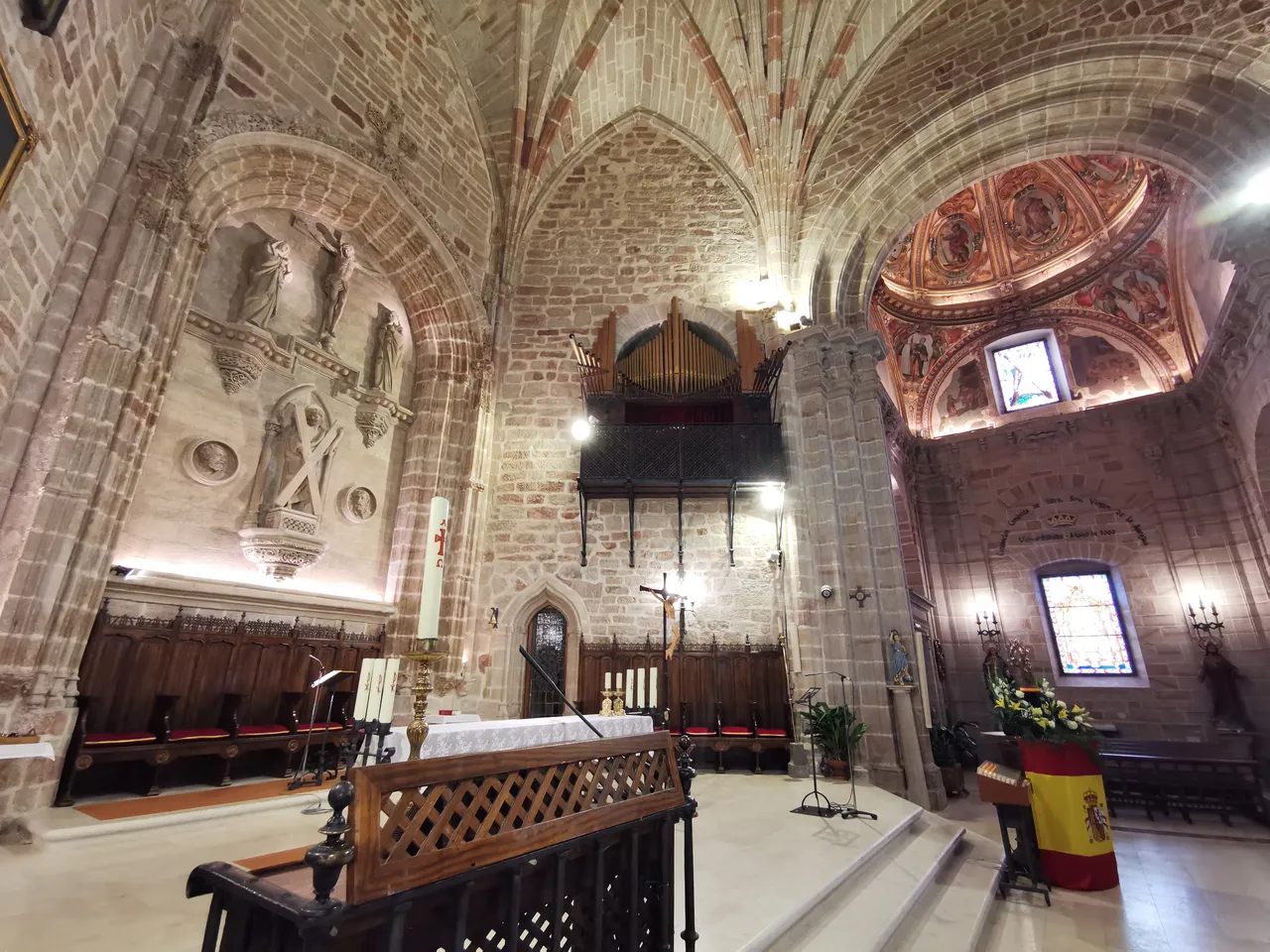
The brightest star on the route. The Church of San Andrés in Villanueva de los Infantes, a Site of Cultural Interest and declared a Historic-Artistic Monument in 1974, is the region's main temple dedicated to the Order of Santiago. Construction, which spanned from 1498 to 1668, showcases the evolution of styles around an original Gothic design of a single nave divided into sections covered by ribbed vaults. The stone ribs intertwine in each vault, tracing different patterns: the baptistery with Doric pilasters and a semicircular arch, the Chapel of the Knights of the Order of Santiago with its groin vault, and the Bustos family's funerary chapel with its Gothic star vault, where Quevedo's remains rested. The three portals encapsulate the history of architectural styles: the two Plateresque ones to the north and west—attributed to Francisco Luna, Vandelvira's father-in-law—and the main Classical portal by Francisco Cano (1611-1614). Inside, the Plateresque jewel is the 16th-century marble pulpit, with reliefs of amphorae, a phoenix, and sphinxes.
Day 2
Stop 4. Church of Our Lady of the Assumption – Villahermosa
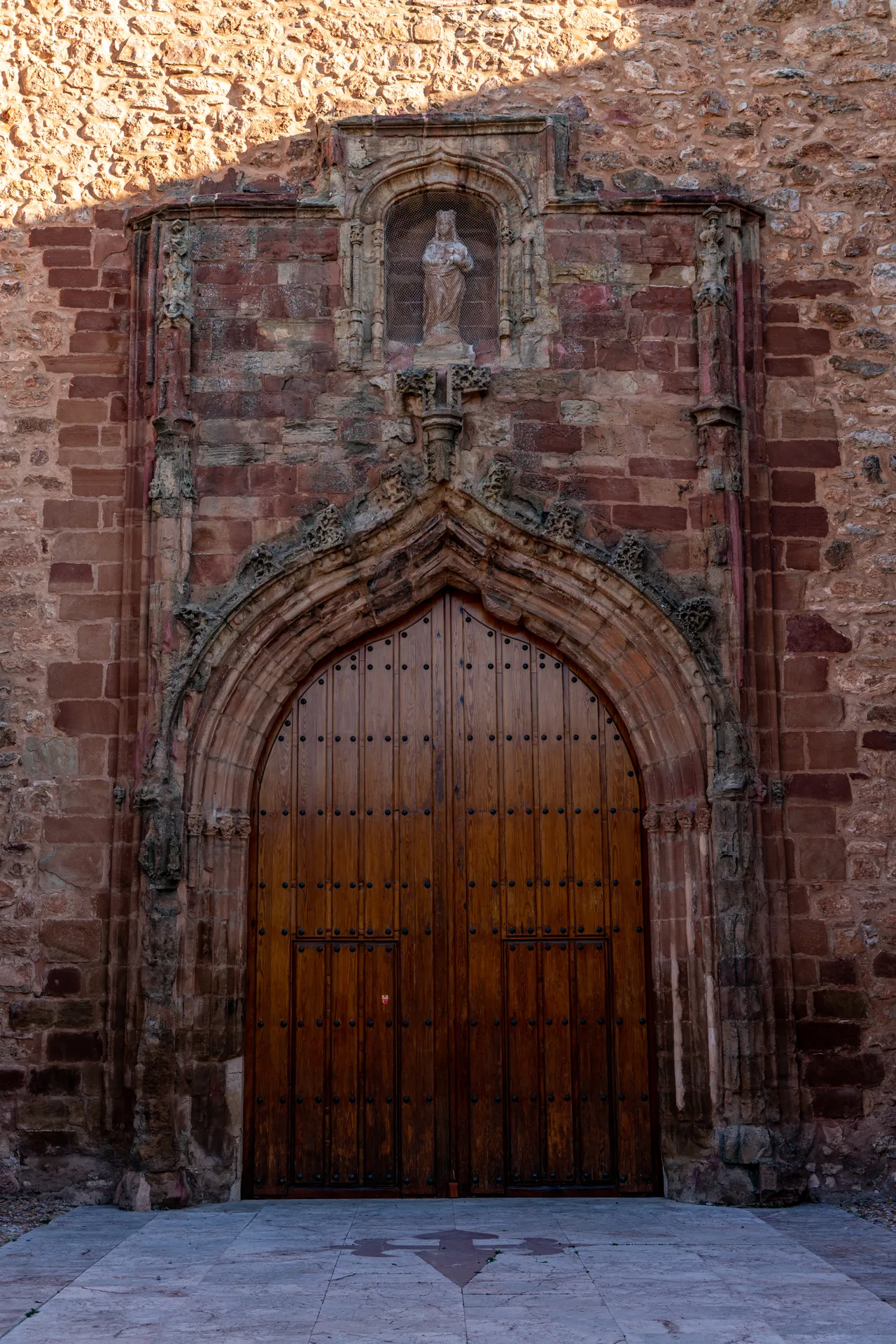
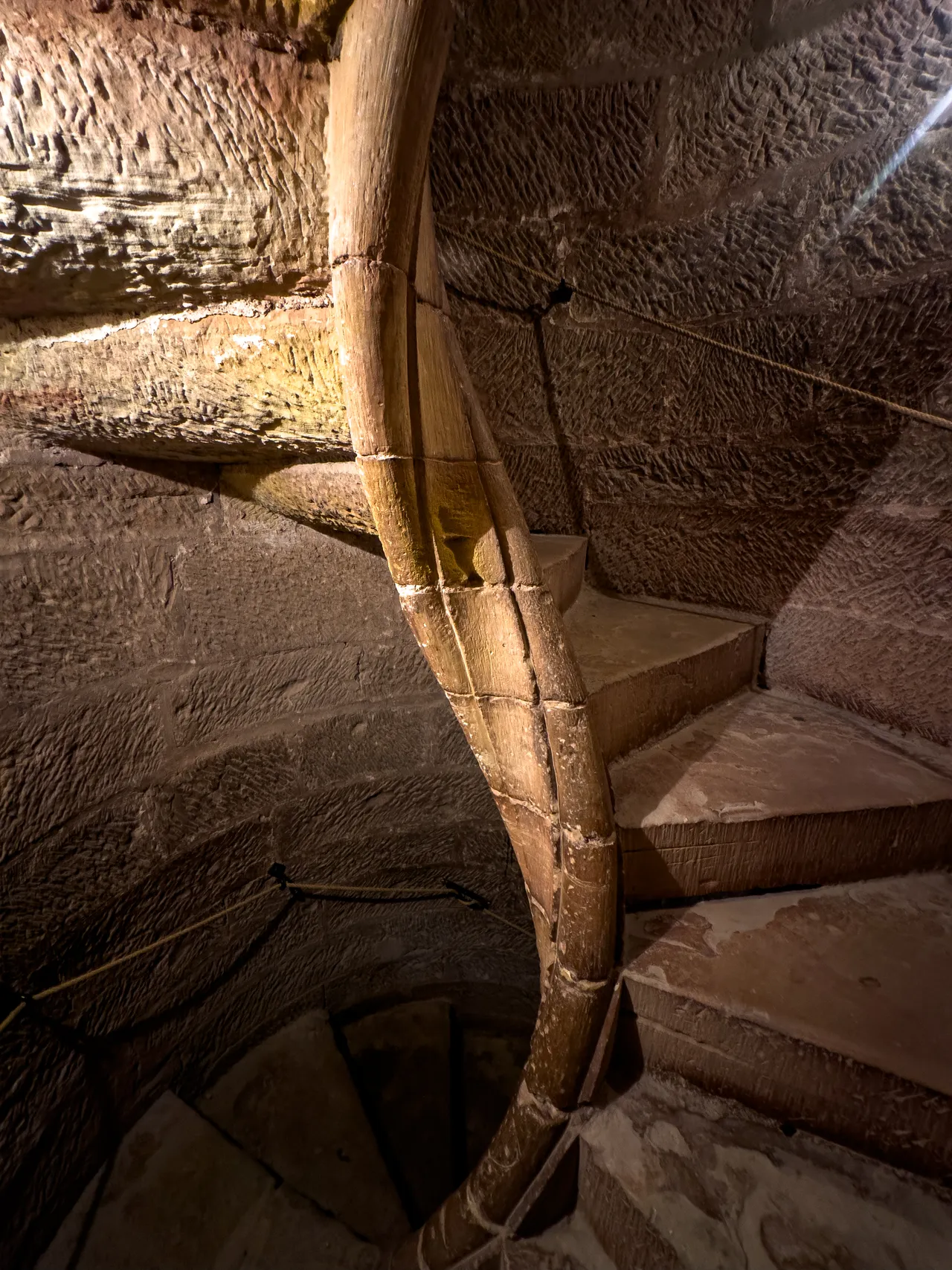
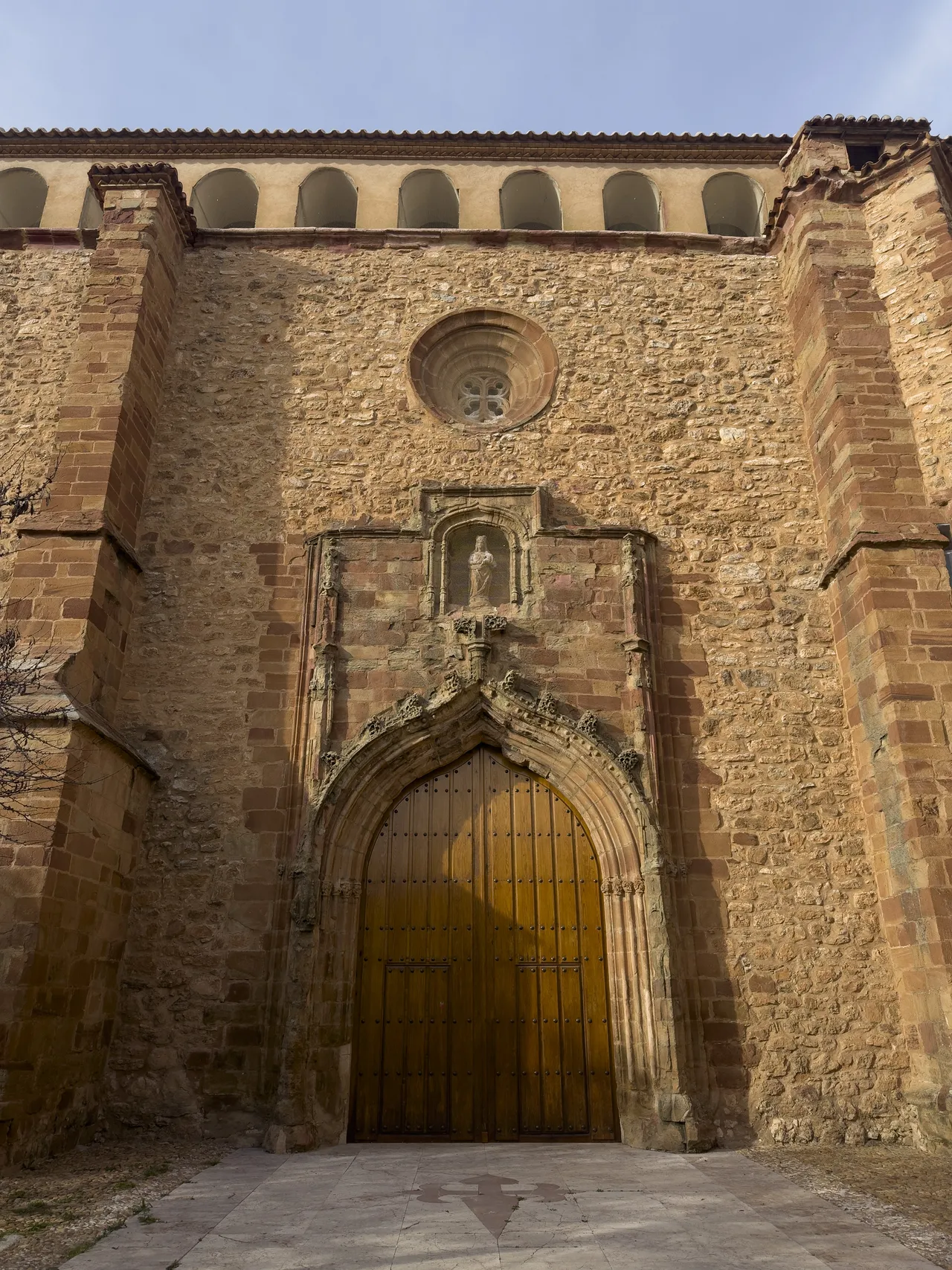
The most complex constellation. The Parish Church of Our Lady of the Assumption in Villahermosa, declared a Site of Cultural Interest in 1991, is the most magnificent example of late Gothic architecture in the Campo de Montiel region. Its single nave, 49 meters long, almost 12 meters wide, and 19 meters high, is divided into four sections covered with ribbed vaults of complex and rich decoration: numerous pointed arches formed by multiple ribs springing from pillars with attached moldings, in which the capital is absorbed by the proliferation of ribs, a typical feature of transitional Flamboyant Gothic. The east end features a pentagonal apse, and on either side, Renaissance-style chapels open up, giving the whole the appearance of a Latin cross. The main portal, a jewel of late Gothic architecture, displays the finest Flamboyant stonework in the entire region. The spiral staircase that ascends to the 45-meter bell tower, one of the most unique elements of the temple, leads to an exceptional panoramic view.
Stop 5. Church of Santiago el Mayor – Torrenueva
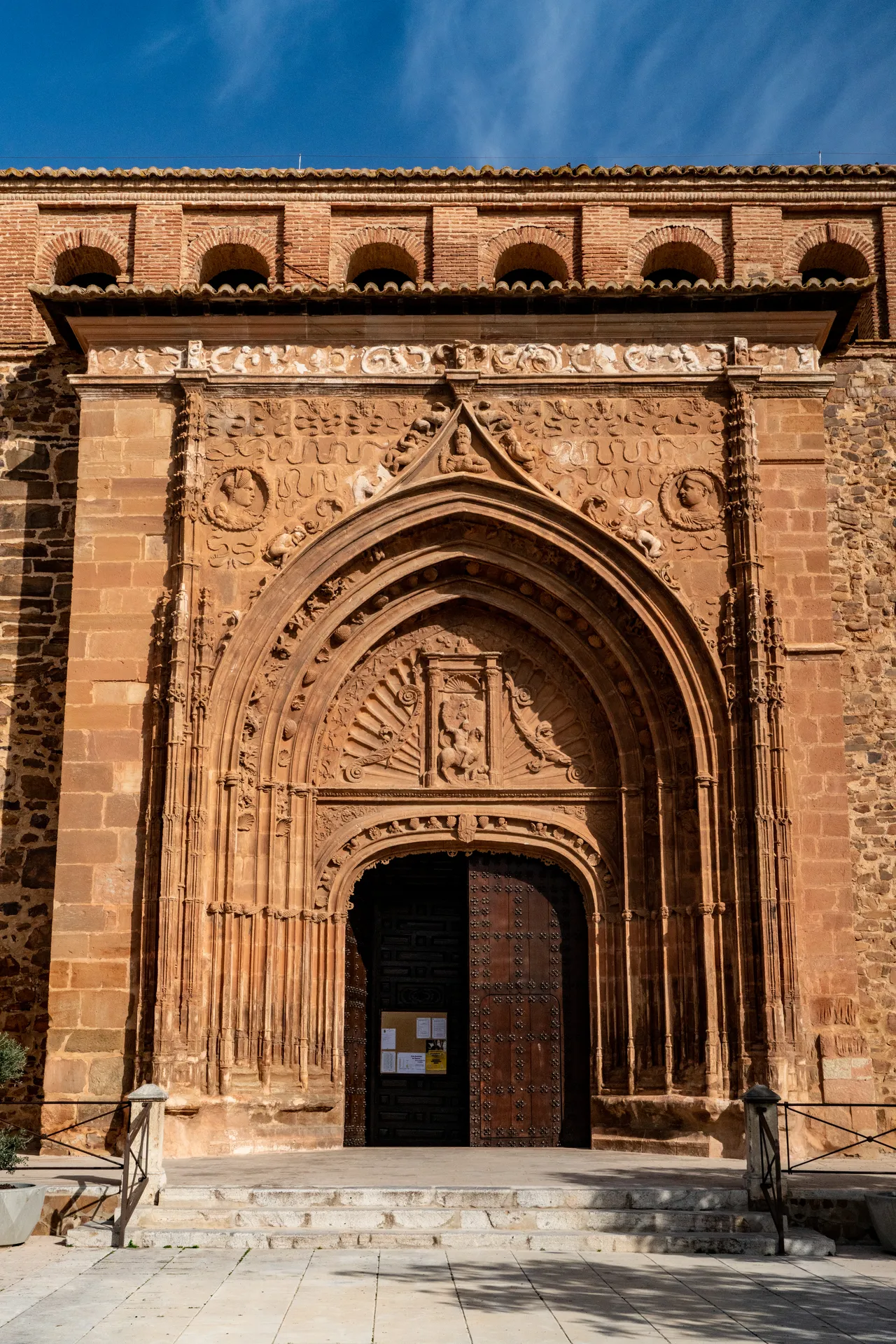
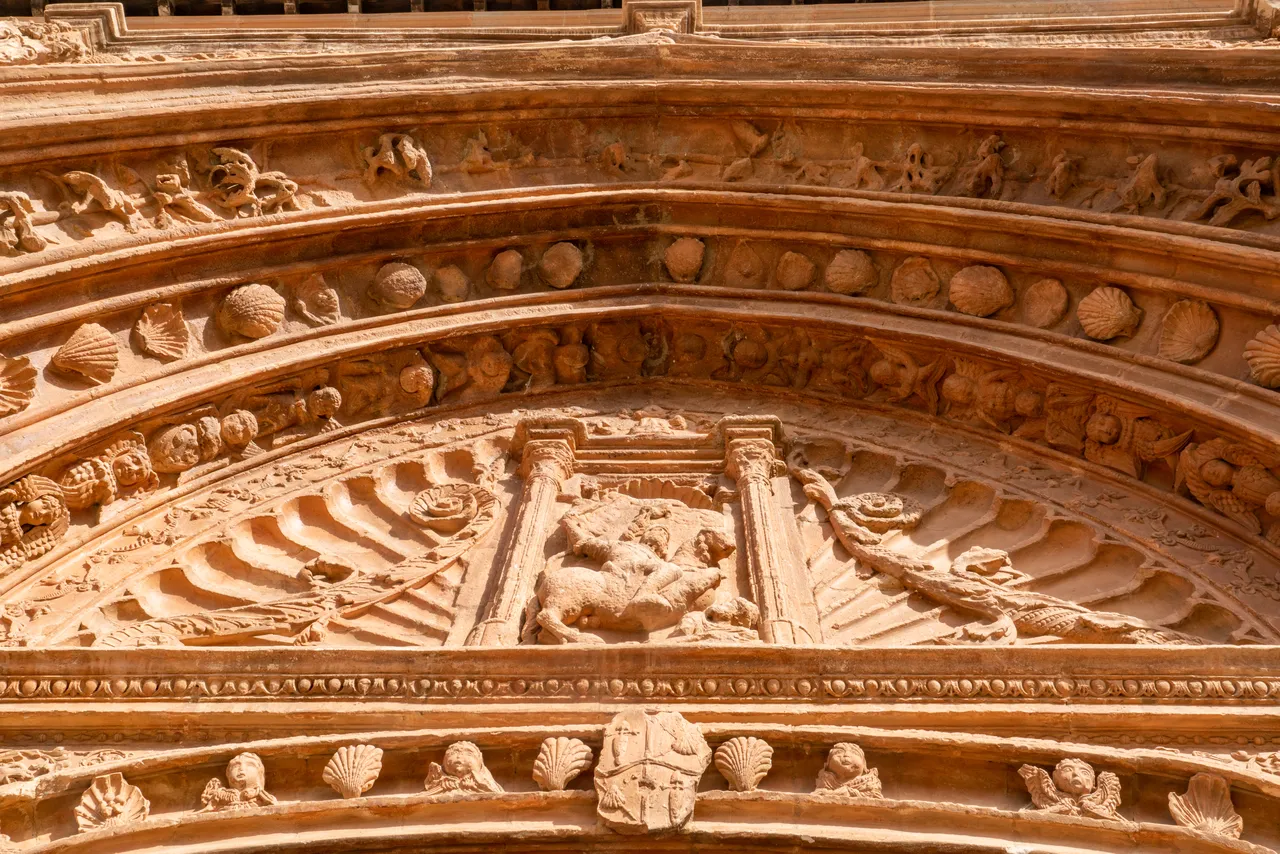
A jewel of Isabelline Gothic architecture. The Church of Santiago el Mayor in Torrenueva was built between 1525 and 1535 in the Isabelline Gothic style, the Spanish version of Flamboyant Gothic adopted by the Order of Santiago during the construction boom of the Catholic Monarchs. Its single nave is covered by elegant star-shaped ribbed vaults, while the arcades and stone ribs that support the vaults create an interior of unusual sobriety and power for the size of the town. The south portal is one of the finest Plateresque works in the Campo de Montiel region: a splayed pointed arch between pillars, with a tympanum carved with the image of Santiago Matamoros (Saint James the Moor-slayer), topped by a cornice with a classical frieze decorated with plant motifs, mythological beings, angels' heads, and scallop shells. At the foot of the church, a spiral staircase leads up to the choir loft and from there to the bell tower. The main altarpiece in Renaissance style, the work of a local artist, presides over the altar with the image of Saint James the Greater in the center.
Stop 6. Church of Saint Andrew the Apostle – Villamanrique
The grand finale: the last constellation. The Parish Church of Saint Andrew the Apostle in Villamanrique, declared a Site of Cultural Interest, is the finest example of the Gothic-Renaissance transition in the southern part of the region. Built by the Order of Santiago in the 16th century, it features a single nave with side chapels and a splendid Renaissance portico decorated with grotesques of human figures, animals, birds, and angels, sculptures of the Virgin and the Angel of the Annunciation, and a Calvary scene in a central niche: the visual narrative in stone that the late Gothic shared with the early Renaissance. The 107-step square tower, crowned by a slate spire, is visible from several kilometers away. Inside, the ribbed vaults complete the cycle of stone constellations along the route. A few meters away, the Casa Grande, or House of the Commandery, completes the visit as the best example of Renaissance civil architecture of the Order of Santiago in the region.
Practical information
📍Quince
Meeting point:
Church of Santiago el Mayor, Plaza de la Iglesia, s/n, 13230 Membrilla (Ciudad Real)
Contact City Hall:
Tel: 926648023
Web: membrilla.es
Mail: administracion@membrilla.es
Free access respecting worship hours
📍The sunny side
Meeting point:
Church of Santa Catalina, Plaza Mayor, s/n, 13240 La Solana (Ciudad Real)
Contact:
Tel: 926626031
Web: lasolana.es
Email: turismo@lasolana.es
Free access respecting worship hours
📍Villanueva de los Infantes
Meeting point:
Church of San Andrés, Plaza Mayor, s/n, 13320 Villanueva de los Infantes (Ciudad Real)
Tourist Office Contact:
Tel: 926361321
Email: turismo@infantes.org
Web: tourismvillanuevadelosinfantes.es
Church of San Andrés: free access respecting the worship schedule.
For guided tours of the historical site, please consult the Tourist Office.
📍Villahermosa
Meeting point:
Church of Our Lady of the Assumption, Plaza Mayor, s/n, 13332 Villahermosa (Ciudad Real)
Contact:
Tel: 926375001
Web: villahermosa.es/turismo/
Mail: town hall@ayto-villahermosa.es
Free access respecting worship hours
📍Torrenueva
Meeting point:
Church of Santiago el Mayor, Plaza de la Iglesia, s/n, 13740 Torrenueva (Ciudad Real)
Contact City Hall:
Tel: 926341001
Web: tourism.ayuntamientotorrenueva.es
Mail: info@ayuntamientotorrenueva.es
Free access respecting worship hours
📍Villamanrique
Meeting point:
Church of Saint Andrew the Apostle, Plaza de la Constitución, s/n, 13331 Villamanrique (Ciudad Real)
Contact City Hall:
Tel: 926354009
Web: villamanrique.net
Email: info@villamanrique.net
Free access respecting worship hours
♿ Accessibility:
The nature of these historical tourist resources limits accessibility for people with reduced mobility.
Emergencies: 112
Civil Guard: 062
Membrilla Health Center: 926 638 098
La Solana Health Centre: 926 632 618
Villanueva de los Infantes Health Centre: 926 361 065
Villahermosa Health Center: 926 308 001
Torrenueva Health Centre: 926 341 037
Villamanrique Health Centre: 926 378 140
Points of interest on this route
Villahermosa
C. Jerónimo Frías, 23, Villamanrique
Plaza Mayor, 1, Villanueva de los Infantes
Plaza Mayor, 9, La Solana
Rinconada Iglesia, 9, Membrilla
Plaza Castilla la Mancha, 3, Torrenueva
Municipalities on the route
926 63 10 11
https://www.lasolana.es/
ayuntamiento@lasolana.es
926 64 80 23
https://membrilla.es/
administracion@membrilla.es
926 341 001
https://www.ayuntamientotorrenueva.es/
926 375 001
https://www.villahermosa.es/
ayuntamiento@ayto-villahermosa.es
926 354 009
https://www.villamanrique.net
info@villamanrique.net
926 360 024
https://infantes.org
info@infantes.org
Other routes
Discover other nearby routes that may also interest you
Mixed
Agoras
The Campo de Montiel region offers three lively meeting places that invite you to sit and enjoy the moment, making it truly difficult to leave. These are the town squares of La Solana, San Carlos del Valle, and Villanueva de los Infantes.
Distance
40 km
Duration
1 day
Difficulty
Easy
Municipality
Several
Baroque Art Route
During the 17th and 18th centuries, the Campo de Montiel region was one of the areas of greatest artistic ferment in Castilla-La Mancha. The consolidation of a prosperous local nobility linked to the Order of Santiago and the influence of the Counter-Reformation spurred the construction of sumptuous portals, altarpieces with Solomonic columns, soaring bell towers, convents, hospitals, and civic palaces that still grace the urban landscape of the region today. This route, which...
Distance
110 km
Duration
2 days
Difficulty
Easy
Municipality
Several
Organ Route
The Campo de Montiel region boasts one of the most remarkable collections of historic organs in Castilla-La Mancha. Mostly built during the 18th century by first-rate organ builders, these instruments continue to resonate within the walls of some of the region's most beautiful churches, now considered emblems of its musical heritage.
Distance
80 km
Duration
1 day
Difficulty
Easy
Municipality
Several
Mixed
Starry skies
The Campo de Montiel, a Starlight Destination, offers high-quality skies and astronomical viewpoints in Alhambra, Villahermosa and Ruidera to enjoy stargazing tourism.
Distance
40 km
Duration
1 day
Difficulty
Easy
Municipality
Several
Art and pilgrimage
The Campo de Montiel region is home to some of the most unique Marian shrines in Castilla-La Mancha. Scattered across the plains of La Mancha and the foothills of the Sierra Morena mountains, these five shrines share a common history forged between the Military Orders and popular devotion.
Distance
120 km
Duration
1 day
Difficulty
Easy
Municipality
Several
Golden Age Literature
The Campo de Montiel region was the birthplace and refuge of the leading authors and figures of Spanish Golden Age literature. Therefore, we propose a route that includes the main locations where history continues to unfold even today.
Distance
43 km
Duration
2 days
Difficulty
Easy
Municipality
Several


© Campo de Montiel - 2026